Where Does Titanium Waste Come From?

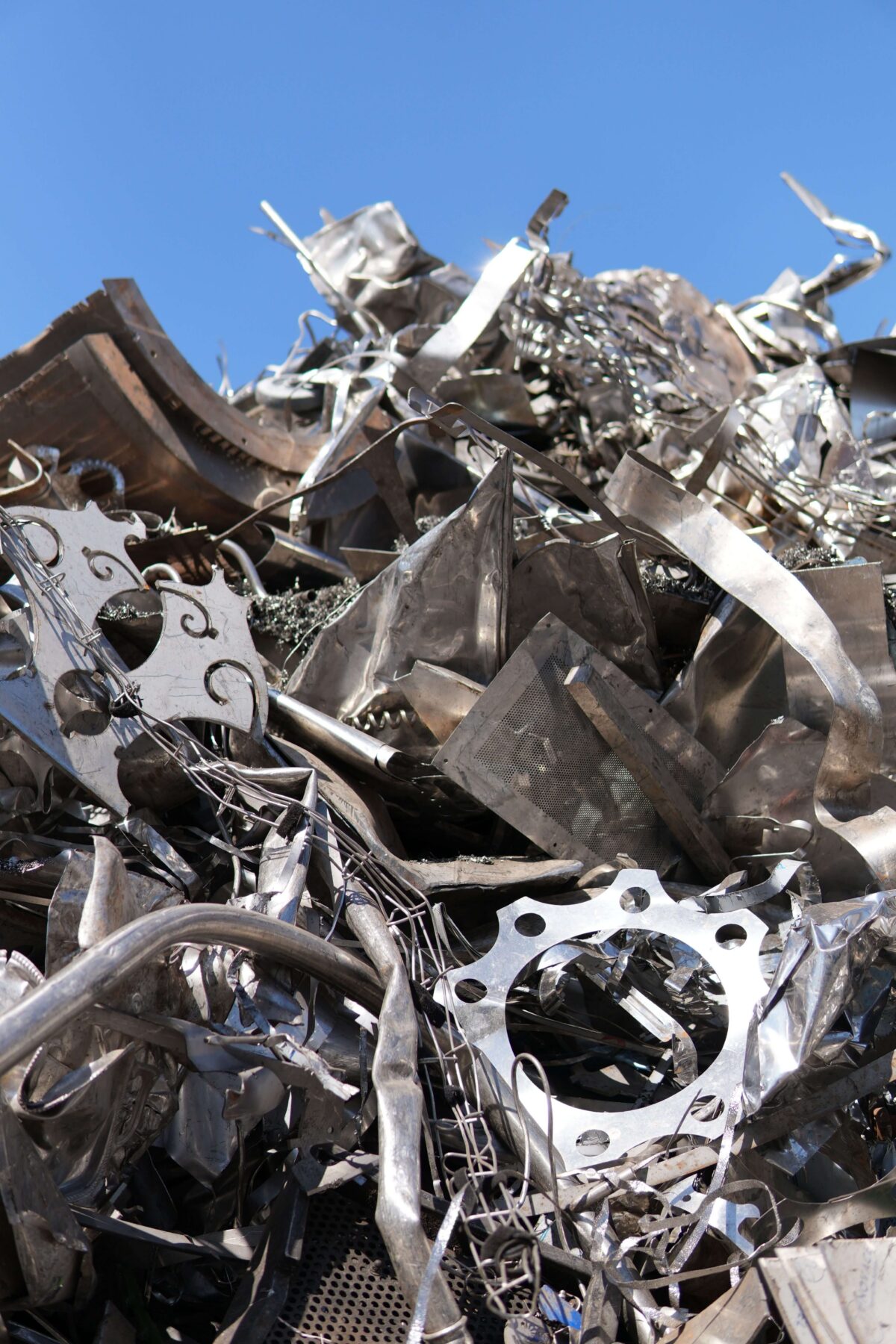
Titanium waste comes from making, cutting, and fitting titanium parts. It also comes from aerospace, medical, and other industrial applications. Businesses can recycle titanium scrap and recover useful metal.
Titanium alloys are strong, light, and resist corrosion. That makes them useful in hard jobs. But the work can also create offcuts, chips, swarf, and failed parts.
Much of this material still has value. Sorting titanium waste can recover metal, cut disposal costs, and make waste handling easier.
Aerospace Manufacturing and Titanium Scrap
The aerospace industry is a major source of titanium scrap. Aircraft makers use titanium alloys in engines, frames, and other parts where strength and low weight matter.
During production, workers machine large billets into exact shapes. This creates swarf, turnings, and offcuts. Parts that fail checks can also become scrap.
Maintenance and the retirement of old aircraft also create more recovery chances. Replaced parts may still contain titanium that we can reuse or recycle.
Sorting aerospace titanium scrap by grade matters. Makers often need tight material tracking, so mixed or dirty scrap may not fit some recovery routes.
CNC Machining and Metal Fabrication
CNC machining and metal fabrication create titanium waste when businesses cut, drill, mill, and shape raw material. The scrap type depends on the machine and the job.
Machining produces small chips that make up titanium swarf. Turnings come from turning work, while offcuts are the leftover pieces of sheets, bars, plates, and billets.
Workshops may also produce extra stock and rejected parts. These items may not fit their first use, but a specialist recycler may still recover the metal.
Businesses should keep titanium scrap apart from other metals and remove dirt where needed. Clear labels can help protect material quality and make collection easier.
Medical Equipment and Healthcare Manufacturing
The medical industry uses titanium in implants, surgical tools, and specialist equipment. Its strength, corrosion resistance, and use in many medical applications make it useful for products that need steady performance.
Making these products creates scrap through precise cutting, machining, and finishing. Offcuts, chips, and failed parts can build up during production.
End-of-life medical equipment may also hold titanium parts. But healthcare material needs care, because dirt, tracking, and handling rules can affect recovery.
Manufacturers should not use medical-grade titanium in new medical devices without processing, testing, and approval. In many cases, recycling is the more practical route.
Automotive and Transport Industries
Some automotive, motorsport, and transport parts use titanium. Its strength, low weight, and corrosion resistance make it useful for special parts.
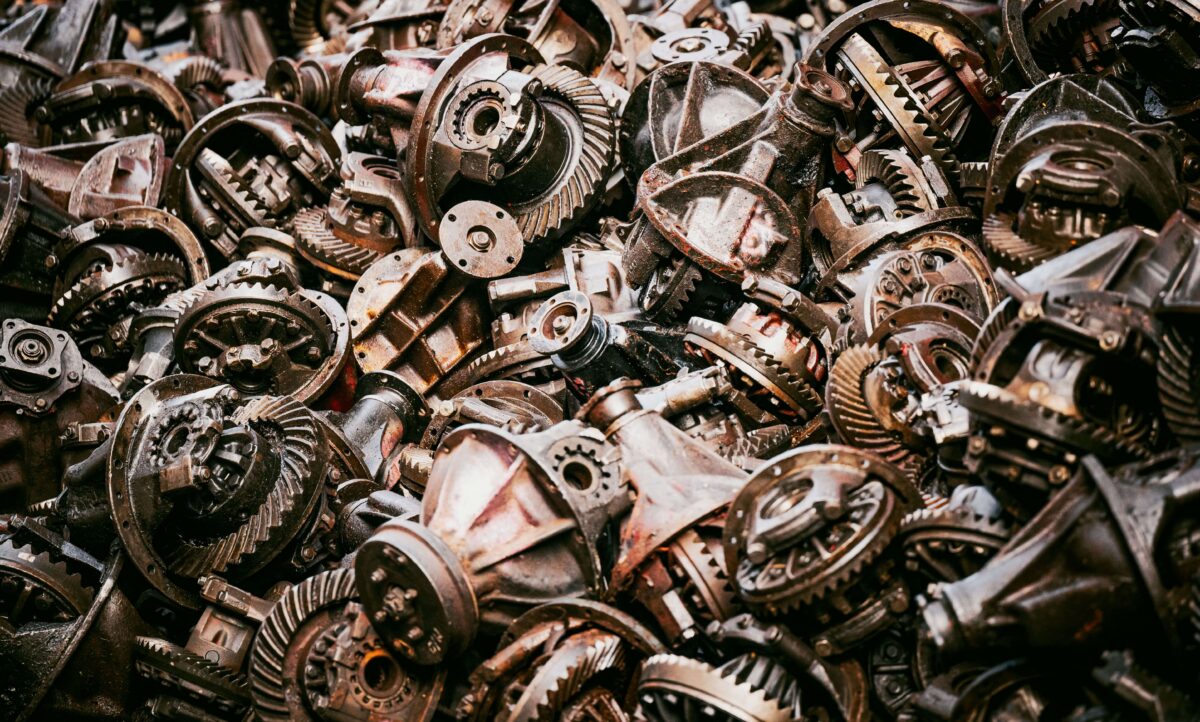
Making these parts can create offcuts, machining swarf, and rejected items. Maintenance and replacement can also create titanium scrap when parts wear out.
Businesses should check these materials before disposal. Based on mix and condition, the scrap may be fit for recycling instead of general waste.
Recovering titanium helps manufacturers use existing material well and reduce demand for newly made metal.
Industrial Applications and Chemical Processing
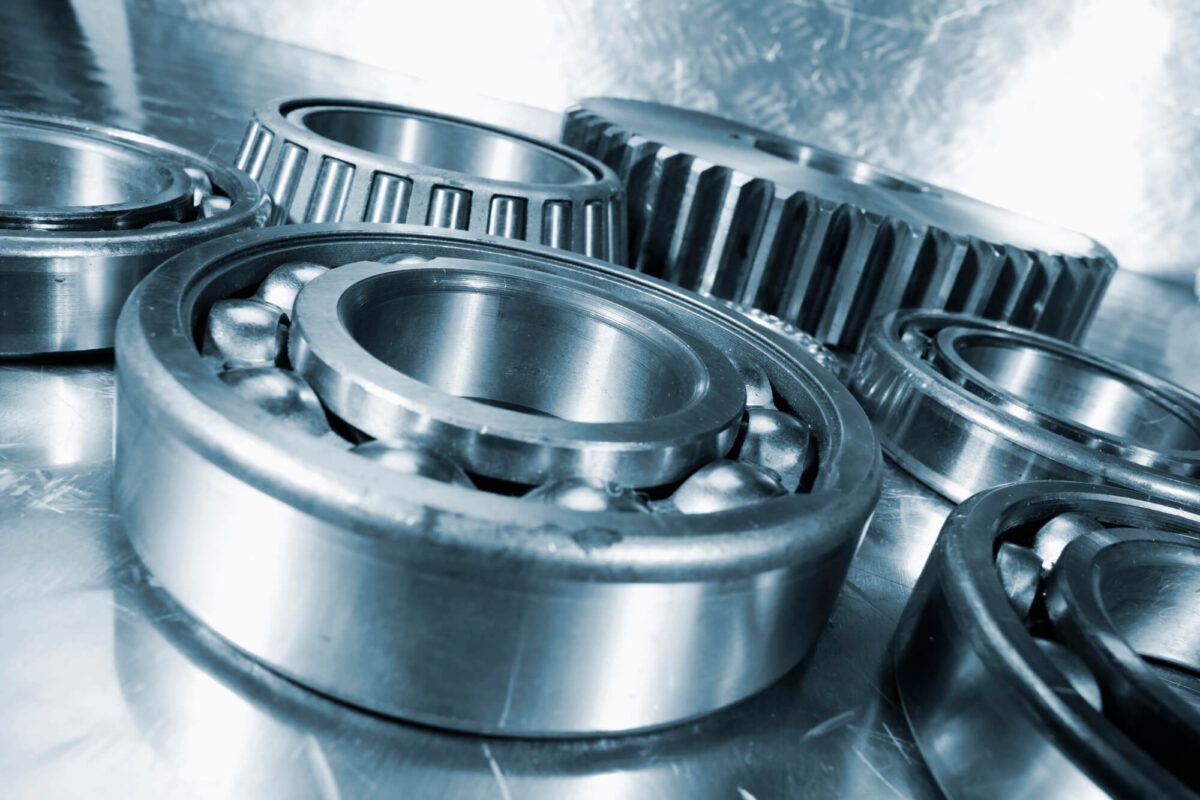
Industries widely use titanium for industrial applications that need corrosion resistance. Chemical plant equipment, heat exchangers, pipes, valves, tanks, and special fittings may contain titanium or titanium alloys.
These products generate waste during manufacturing, alteration, maintenance, or replacement. Cutting creates offcuts, while fabrication and maintenance can produce unwanted parts and extra material.
Industrial titanium scrap needs close inspection. Chemical residue, coatings, and attached materials can affect handling and recycling.
Businesses should note the scrap source and tell their waste contractor about any known residue. This helps set the right storage, transport, and recovery plan.
End-of-Life Products and Surplus Materials
Titanium waste does not come only from making parts. Old machinery, retired equipment, replaced parts, and unused stock can also provide usable material.
Some items may be fit for repair or reuse. Others need to be taken apart so titanium can be separated from other metals and materials.
The best recovery route depends on condition, mix, and dirt level. Not every titanium product can be recycled in a cost-effective way, so you should check it first.
Keeping extra titanium stock in order and recording its grade, when known, can make later recycling easier.
How to Recycle Titanium Waste
To recycle titanium, businesses should first identify the material and separate it from other metals. Titanium alloys can differ in mix, so correct ID helps stop bad blends.
Next, check the scrap for dirt, coatings, and attached materials. Depending on its condition, prep may include cleaning, removing unwanted parts, and cutting it to size.
Experts can use methods like vacuum remelting or cold hearth melting to produce titanium for future use. The method depends on the scrap grade and end use.
Businesses should store titanium scrap in proper containers and follow the recycler’s handling guide. Keeping machining residue away from oils, chemicals, and other waste makes checking and recovery easier.
Why Businesses Should Recycle Titanium Scrap
Recycling titanium scrap helps recover valuable material that might otherwise be thrown away. Producing titanium needs much energy, so recycling can lessen the need for new production.
Good sorting also helps with material tracking and makes waste control more efficient. Clean, clearly labeled scrap is usually easier to assess than mixed metal waste.
The environmental and business gains depend on scrap quality, transport needs, and the recycling process available. Businesses should work with a suitable recycler to find the best recovery route.
Arrange Titanium Recycling with MetalCycle
Businesses with titanium offcuts, swarf, surplus stock, or unwanted parts can benefit from a suitable scrap recovery plan.
MetalCycle provides titanium recycling services for businesses across the UK. Specialist recycling helps companies assess titanium waste and choose the best option for recovering valuable material.
Before collection, separate titanium from other metals where possible and share the grade and condition if known. Disclose any known residue so we can assess the material properly.
Titanium waste comes from aerospace manufacturing, medical equipment, CNC machining, metal fabrication, and industrial applications. Sorting titanium scrap helps businesses recover valuable metal, cut avoidable waste, and use resources better.