How Manufacturing Creates Nickel Scrap

Manufacturing generates nickel scrap during machining, cutting, stamping, and fabrication. Recycling these waste materials helps recover valuable nickel and save raw material.

Nickel is used in many metal parts and machines because it is strong, resists corrosion, and handles high heat. It is common in stainless steel, specialist alloys, engineering parts, and chemical processing equipment.

During production, nickel-containing materials are cut, shaped, drilled, and finished to meet product specs. These steps create leftover pieces, rejected parts, and metal offcuts. Although some waste is hard to avoid, it still contains valuable nickel that can be recovered through the recycling process.

Knowing where this scrap comes from helps manufacturers use material better, cut waste, and support more sustainable production.

How Manufacturing Creates Nickel Scrap Through Metal Processing

Nickel scrap is made at many stages of industrial production. The amount and type depend on the method, material spec, and final product.

Machining and Metal Cutting

Machining is one of the main sources of nickel scrap. Makers use lathes, milling machines, and drills to remove extra material and shape parts with accuracy.

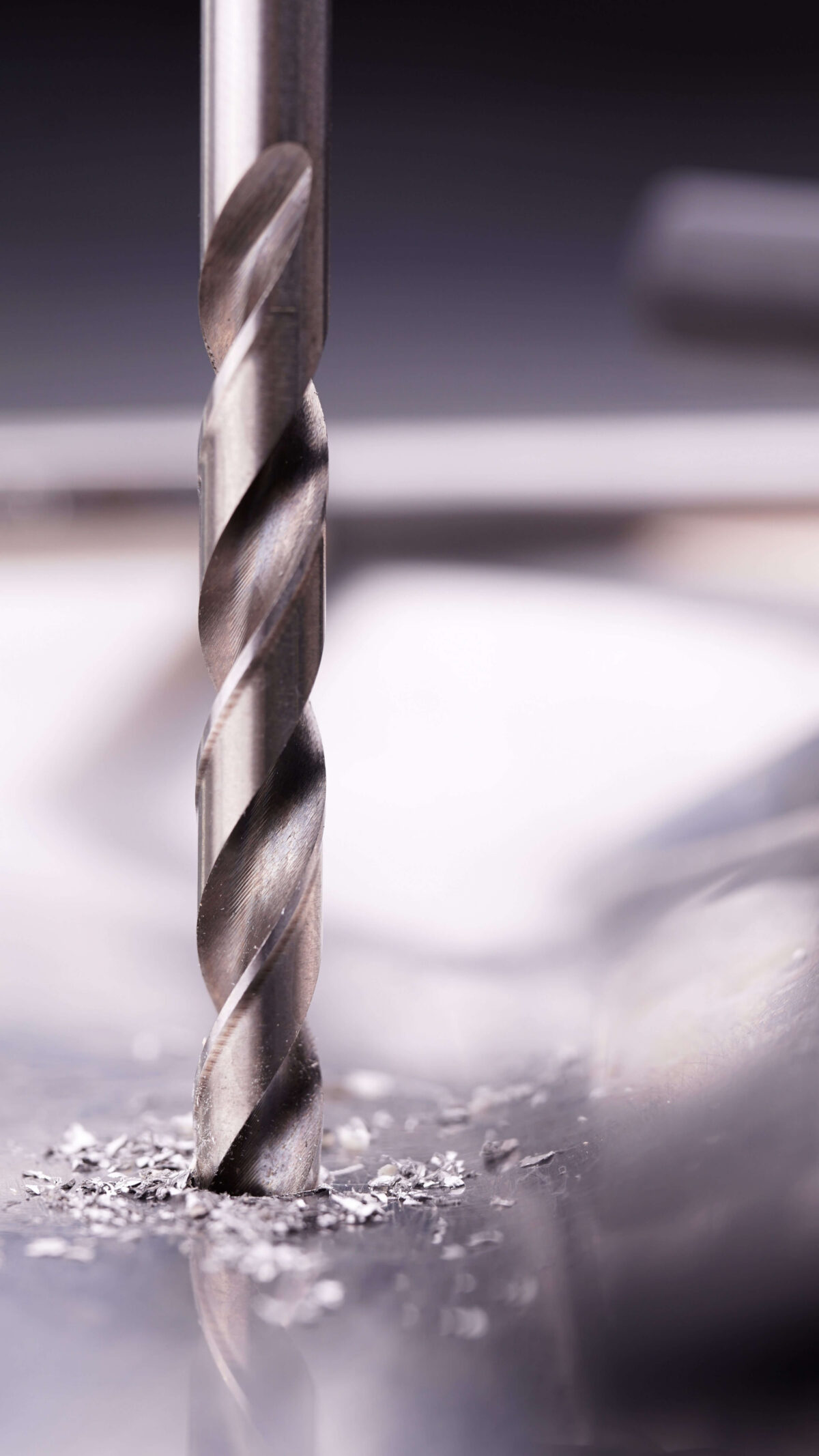
When nickel alloys are machined, small metal pieces come off the workpiece. These often include chips, swarf, shavings, and turnings.

For example, making an industrial shaft from a nickel alloy billet may mean removing a large amount of metal to get the right shape. The leftover metal becomes machining scrap.

This scrap can still hold useful nickel. Keeping different alloy grades separate makes collection and nickel recycling more efficient.

Stamping and Sheet Metal Fabrication

Makers also create nickel scrap when they cut and shape metal sheet. Stamping presses use special tools to make parts with set shapes and sizes.

During this work, sections of metal are removed to make the final part. The leftover material, often called stamping scrap or skeleton scrap, includes unused sheet sections, narrow strips, and cut-out pieces.

For example, makers of stainless steel enclosures, industrial fittings, and electrical equipment may create offcuts during sheet metal work.

The amount of scrap depends on sheet size, part design, and cutting layout. Better layouts can reduce offcuts, though some leftover material is hard to avoid.

Welding and Metal Fabrication

Welding and fabrication are key in industries that make tanks, pipes, pressure vessels, and structural parts. Nickel alloys are often chosen for their corrosion resistance and strength.

These steps create scrap through trimming, cutting, grinding, and surface prep. Bad welds, damaged sections, and parts that fail quality checks may also need to be removed or replaced.

For example, building a chemical processing tank may mean cutting nickel alloy plates to size. The remaining sections and rejected pieces can enter the manufacturing scrap stream.

Keeping these materials out of general waste helps protect their recovery value.

Production Errors and Rejected Components

Not all nickel scrap comes from normal cutting and machining. Production faults can also lead to material loss.

Parts may fail inspection because of wrong dimensions, surface damage, poor finish, or weak structure. Products that do not meet spec may need to be reworked or discarded.

In some cases, manufacturers can repair or rebuild rejected components. But when that is not practical, nickel-containing material can be collected for recycling.

Strong quality control can lower these losses, but scrap from production errors still matters for industrial metal recovery.

Industries That Generate Nickel Scrap

Several manufacturing sectors produce nickel scrap because they use stainless steel and specialist alloys.

The aerospace industry creates scrap when machining nickel-based superalloys used in engine parts and other high-heat applications. These parts must meet strict engineering rules, so precise machining is important.

The automotive industry produces nickel scrap during the making of exhaust systems, specialist steel parts, batteries, and other metal parts. Cutting, forming, and machining all add to leftover material.

Chemical processing and engineering sites also make nickel scrap when they produce corrosion-resistant tanks, pipes, pumps, and industrial equipment. Nickel alloys are useful in places exposed to chemicals, heat, and tough operating conditions.

Electronics and electrical equipment manufacturing can also produce smaller amounts of nickel scrap through metal finishing, component production, and plating operations.

Nickel Scrap Statistics and the Importance of Recovery

Nickel plays a major role in global manufacturing. According to Natural Resources Canada, stainless steel made up about 64% of global nickel use in 2024. Batteries made up another 15%, which shows how important the metal is in both old and new industries.

Global stainless steel output also shows the scale of nickel-containing manufacturing. According to World Stainless, output reached about 62.6 million tonnes in 2024, up 7% from 2023.

Research published in Resources, Conservation and Recycling in April 2025 studied global nickel flows from 2000 to 2022. The study estimated that about 62 million tonnes of nickel were used in that period. Around 22 million tonnes came from recycling, compared with 40 million tonnes from mining.

These figures show why manufacturing scrap is valuable. Recovering nickel from industrial production can return useful material to the supply chain instead of relying only on new raw material.

Why Manufacturers Should Recycle Nickel Scrap

Recycling nickel scrap gives manufacturers a way to recover valuable material from everyday production. Instead of treating offcuts and machining residue as general waste materials, businesses can collect and sort them for specialist processing.

One key benefit is resource conservation. Recovering nickel reduces the need for newly mined input and supports better use of natural resources.

Nickel recycling can also bring economic value. Clean, well-identified nickel scrap may have market value, depending on its makeup, condition, amount, and current demand. Keeping separate containers for different alloy grades can help prevent mixing and improve the value of collected materials.

Environmental gains are another benefit. Recycling metals can cut demand for primary production and support more circular manufacturing. However, the actual impact depends on the scrap type, processing method, transport needs, and energy use.

How Businesses Can Manage Manufacturing Nickel Scrap

Manufacturers can improve scrap control by tracking where nickel-containing waste is made across their operations. Watching machining, cutting, and fabrication work helps businesses understand the amount and type of material being discarded.

Segregation is especially important. Nickel alloys should be kept apart from ordinary steel, aluminium, and other metals wherever possible. Mixing different grades can make identification harder and reduce downstream processing efficiency.

Businesses should also store machining swarf and offcuts in proper containers. Where necessary, cutting fluids and other contaminants should be managed properly before materials are transferred for recycling.

Working with a specialist metal recycler can help manufacturers set up collection systems and choose the right recovery route.

For businesses that create regular amounts of nickel-containing production waste, professional nickel recycling is a practical way to recover valuable material and support responsible industrial waste management.

Manufacturing creates nickel scrap through machining, stamping, cutting, welding, fabrication, and rejected parts. Even when these materials come from normal industrial work, they still contain useful resources.

By improving segregation, tracking production losses, and arranging the right recycling collections, manufacturers can recover nickel more effectively. This supports resource conservation, cuts avoidable disposal, and keeps valuable metals moving within the manufacturing supply chain.

What Happens to Magnesium Machining Waste?

What Happens to Magnesium Machining Waste?

You can collect, sort, and process magnesium machining waste to recover valuable metal. Specialist recycling helps cut losses and keeps handling safe.

What happens to magnesium machining waste after manufacturing work is done? Milling, drilling, turning, and grinding leave chips, turnings, swarf, and fine particles.

Although these residues may look like ordinary industrial waste, they still contain valuable magnesium that can often be recovered. Instead of sending suitable material to disposal, manufacturers can arrange specialist collection and magnesium recycling to return usable metal to supply chains.

Understanding how magnesium machining waste is managed helps businesses use resources better, cut waste, and keep factories safer.

What Is Magnesium Machining Waste?

Magnesium machining waste is leftover metal made when magnesium parts are cut, shaped, or finished. These processes remove extra material to reach the right size and surface finish.

Common examples include magnesium chips, metal turnings, swarf, and grinding residue. Larger pieces may keep much of their metal value, while fine particles need extra care because they have more surface area and greater fire risk.

Magnesium is useful in manufacturing because it is light and strong. According to the USGS, it is the eighth most common element in Earth’s crust, making up about 2% of it.

Its uses include car parts, machinery, and aluminium alloys, so recovering machining waste matters.

What Happens to Magnesium Machining Waste During Collection?

The first step is to collect magnesium residues directly from machining work. As equipment cuts or shapes metal, chips and turnings build up around the machine and inside enclosures.

Manufacturers should keep magnesium apart from other metals, including aluminium and steel. Keeping different materials apart helps stop unwanted mixing and makes later recycling more efficient.

Cutting oils, lubricants, and other fluids also matter. Tainted residues may need specialist treatment before they can enter a recovery process.

Proper storage is just as important. Magnesium chips and fine swarf need suitable containers and controlled storage to reduce fire risk and avoid unwanted build-up.

How Is Magnesium Machining Waste Recycled?

Once collected, magnesium machining waste can enter a specialist recovery process. The right method depends on the material’s condition, alloy mix, contamination, and particle size.

Sorting and Inspection

Recycling starts with inspection. Specialist operators check the magnesium scrap to find its composition, condition, and whether it is fit for recovery.

Removing mixed alloys and unwanted material helps protect the quality of the recovered metal. This step also shows which process is best.

Cleaning and Preparation

Magnesium chips and turnings may still carry cutting fluid, oil, and residue. These contaminants can lower recycled quality and need proper treatment.

Depending on the waste, preparation may include controlled cleaning, separation, and drying. Specialist sites must also manage the fire and reaction risks of finely divided magnesium.

Processing and Metal Recovery

After preparation, suitable scrap can move into specialist processing. One common route is to melt and refine suitable material to make secondary magnesium.

But small machining chips cannot always be treated the same way as larger scrap. Their condition, oxidation, and contamination affect the best recovery method.

Other routes include solid-state processing, which can compact chips without fully melting them. The best choice depends on the scrap and the intended use.

Reusing Recovered Magnesium

Once recovered and checked, magnesium can return to manufacturing as secondary material. Its reuse depends on composition and the quality needs of the new use.

This keeps valuable metal in supply chains and lowers the need for newly made raw materials.

Statistics Highlighting the Importance of Magnesium Recycling

Magnesium recovery plays a key part in better resource use. USGS data in its 2024 Mineral Commodity Summaries gives a useful example of recovered material from manufacturing and older products.

In 2023, about 100,000 tonnes of secondary magnesium were recovered in the United States. Around 75,000 tonnes came from new scrap, and about 25,000 tonnes came from old scrap. New scrap includes manufacturing residues, so this is especially relevant to industrial machining waste.

The USGS also says magnesium is the eighth most common element in Earth’s crust, making up about 2% of it.

These figures show how scrap recovery supports secondary magnesium supply. But they are US data, not a global measure of magnesium machining waste recycling.

Why Is Safe Handling of Magnesium Waste Important?

Magnesium machining waste needs careful handling because chips, dust, and fine swarf can ignite in some conditions. Their larger surface area makes them easier to burn than solid magnesium.

The German Social Accident Insurance organisation (DGUV) identifies highly flammable magnesium chips as a major machining hazard. Fine particles can also create combustible dust risks when spread through the air.

Manufacturers should use proper collection methods, keep work areas clean, and follow specialist storage rules. Water must not be used to put out a magnesium metal fire.

Businesses should speak with trained safety staff and check relevant material safety information before handling or storing magnesium residues.

Environmental Benefits of Magnesium Machining Waste Recycling

Recycling magnesium machining waste helps stop valuable metal from being needlessly thrown away. Recovering suitable chips and turnings lets manufacturers get more value from material already bought for production.

Secondary magnesium can also reduce the need for primary extraction and processing. Research published in Mineral Processing and Extractive Metallurgy Review in 2022 examined the environmental benefits of magnesium reuse, finding possible savings in energy, water, and greenhouse gas emissions.

Better recovery also supports a circular economy by keeping materials in use longer. Businesses can help by sorting waste at the source and working with specialist metal recovery facilities.

For manufacturers producing magnesium residues, arranging suitable magnesium recycling can help turn machining waste into a reusable industrial resource.

Improving Magnesium Waste Management in Manufacturing

Effective magnesium waste management starts with knowing the types of residue made during production. Manufacturers should set clear steps for sorting chips, turnings, swarf, and dirty material.

Regular collection helps prevent excess build-up around machinery, while proper storage lowers unnecessary handling risk. Staff should also know the special needs of magnesium waste instead of treating it like normal metal scrap.

Working with experienced recycling specialists helps businesses choose suitable recovery routes based on the material’s composition and condition.

Magnesium machining waste contains valuable material that can often be recovered instead of thrown away. With proper collection, sorting, preparation, and specialist processing, suitable residues can return to manufacturing supply chains.

Safe handling stays vital because magnesium chips and fine particles can create fire hazards. By improving waste separation and arranging the right recovery, manufacturers can reduce losses and support more sustainable resource use.

Why Lead Recovery Can Reduce Raw Material Demand

Lead recovery reuses existing metal, cuts mining demand, and supports a more sustainable manufacturing supply chain.

Lead is used in automotive batteries, industrial equipment, construction materials, and electrical systems. But making new lead from mined ores needs natural resources, energy, and a lot of processing.

Recovering lead from used products gives manufacturers another source of valuable material. Instead of relying only on mining, they can reuse recovered metal in new products. This helps conserve resources, reduce environmental pressure, and keep the supply chain more stable.

Why Lead Recovery Can Reduce Raw Material Demand

Lead production has two main routes: primary production and secondary production. Primary production takes lead-bearing ores from the ground and turns them into usable metal. Secondary production recovers lead from used products, industrial scrap, and manufacturing waste.

Lead recovery cuts the need for newly extracted materials because recycled metal can replace some of the lead that would otherwise come from mining.

According to the International Lead and Zinc Study Group (ILZSG), global refined lead production was forecast to reach about 13.3 million tonnes in 2025, while mine production was around 4.5 million tonnes. That gap shows how important secondary material is to the global lead supply chain. Refined production includes metal from both primary and secondary sources.

This is why lead recovery matters for industries that need a steady raw material supply. Reusing existing metal also eases pressure on natural lead resources and helps protect the mineral reserves needed for future manufacturing.

The Importance of Lead-Acid Battery Recycling

Lead-acid batteries are one of the main sources of reusable lead. They are used in cars, commercial vehicles, industrial machinery, backup power systems, and energy storage equipment.

When these batteries reach the end of their working life, their lead-containing parts can be collected and sent to specialist recycling facilities.

During lead battery recycling, the batteries are separated into their different materials. The recovered lead is then refined and prepared for manufacturing. This allows valuable material from old batteries to return to the production cycle rather than being lost through unsafe disposal.

The value of battery recovery is clear in European industry figures. A 2024 assessment reported an 89% end-of-life lead recycling rate in the EU, excluding dissipative uses. About 1.112 million tonnes of lead were recovered, including 1.028 million tonnes from batteries.

These figures show how lead-acid batteries support material recovery and help reduce the industry’s dependence on newly mined resources.

How Recycled Lead Supports Manufacturing

Recycled lead can support several manufacturing sectors when it meets the needed quality and technical standards.

Battery production is one of its biggest uses. Refined secondary lead can be used to make new battery parts, which lowers the need for primary metal.

Other uses include lead sheets, cable coverings, specialist alloys, and some construction products. Whether recovered metal is fit for use depends on its purity, composition, and intended use.

Using recycled materials also helps manufacturers raise recycled content and use available resources more effectively. Businesses that build reliable recycling partnerships can keep access to secondary materials while reducing their dependence on newly extracted lead.

The Environmental Impact of Lead Recovery

Cutting raw material demand is not the only benefit of lead recovery. Recycling can also reduce the environmental impact linked to mining and primary metal production.

Mining needs land, energy, water, and transport. Ore processing and refining can also create emissions and industrial waste. Recovering lead from used products lowers the amount of material that must come from primary sources.

The International Lead Association life-cycle assessment figures show that primary lead made in Europe and North America has an estimated carbon footprint of 1.82 tonnes of CO2 equivalent per tonne. European secondary lead has a reported footprint of about 0.977 tonnes.

That is a much lower reported carbon footprint for secondary production. Even so, the real result depends on processing methods, energy sources, and transport distance.

Responsible recovery also helps stop lead-containing waste from entering poor disposal routes. This matters because lead is toxic and can pollute soil and water when waste is handled the wrong way.

Lead Recovery and the Circular Economy

The circular economy keeps materials in use for as long as possible instead of always extracting new resources and throwing away unwanted products.

Lead recovery supports this approach by linking end-of-life products with new manufacturing needs.

For example, an automotive battery that no longer works can be collected and taken to an appropriate recycling facility. Its lead-containing parts are separated, processed, and refined before the recovered metal is supplied for further industrial use.

This process reduces material losses and helps businesses get more value from existing resources.

Companies can support the circular economy by improving waste segregation, arranging suitable collections, and working with authorised recycling specialists. Businesses can also explore professional lead recycling services to find suitable recovery routes for lead-containing waste.

Why Responsible Lead Waste Management Matters

Lead is highly recyclable, but recovery must be managed carefully because of its hazardous properties.

Lead-acid batteries should never be dismantled, crushed, or processed with unsuitable equipment. Wrong handling can expose workers to harmful substances and create environmental pollution.

In England, businesses must follow the relevant waste management, storage, transport, and treatment rules. The Environment Agency gives specific guidance for waste lead-acid batteries containing persistent organic pollutants, or POPs.

This guidance explains how affected batteries must be identified, classified, and managed. It also sets out limits on treatment and disposal, including requirements for destroying POP-containing materials.

Working with properly authorised recycling facilities helps make sure lead-containing waste is handled safely and recovered through suitable processes.

The Future of Lead Recovery and Resource Conservation

Demand for lead is still closely tied to battery manufacturing, industrial uses, and energy storage needs. As businesses look for ways to improve resource efficiency, secondary lead will keep playing an important role in material supply.

Investment in collection networks, separation technology, and efficient refining can improve the supply of recovered metal.

Manufacturers can help by identifying recyclable lead waste, improving material tracking, and choosing reliable recycling partners. These steps help prevent valuable resources from being lost and reduce the need for newly mined materials.

In the end, lead recovery gives industry a practical way to support production while lowering environmental pressure.

Lead recovery helps lower the need for raw materials. It does this by taking valuable metal from used products and industrial waste. This metal is then returned to the manufacturing supply chain. Recycling lead-acid batteries and other lead-containing materials helps conserve natural resources, reduce reliance on mining, and support a more sustainable circular economy.

With effective collection, responsible waste management, and specialist recycling processes, businesses can make better use of existing lead resources while supporting more sustainable manufacturing.

How Cobalt Waste Can Re-Enter the Supply Chain

Cobalt waste can become a useful secondary resource through collection, sorting, recycling, and refining. Recovering cobalt from batteries, electronic gear, and industrial scrap helps manufacturers access reusable materials, cut waste, and support a more circular supply chain.

Cobalt is an important metal used in electric vehicle batteries, electronics, aerospace parts and industrial manufacturing. Its strength, heat resistance, and chemical traits make it valuable across industries. However, growing demand for cobalt also creates challenges for businesses that depend on steady supplies of raw materials.

Understanding how cobalt waste can re-enter the supply chain is important as manufacturers look for more sustainable ways to source key metals. Instead of seeing discarded products and manufacturing waste as trash, businesses can recover cobalt. They can then return it to industrial production.

Cobalt waste comes from several sources, including spent lithium-ion batteries, electronic gear, manufacturing offcuts, rejected parts and industrial scrap. Although these materials have different mixes, many contain useful cobalt that can be recovered through specialist recycling processes.

Cobalt recycling provides another source of raw materials while helping businesses make better use of existing resources. Through proper collection, separation, and refining, recovered cobalt can become suitable for new manufacturing uses.

Why Cobalt Waste Is Valuable to the Supply Chain

Cobalt has several traits that make it important to modern manufacturing. It helps certain lithium-ion battery chemistries perform and stay stable, and it is used in specialist alloys, cutting tools, catalysts, and electronic parts.

These uses create chances to recover cobalt from products and materials that have reached the end of their useful life. Manufacturing residues and industrial scrap can also provide useful feedstock for recycling facilities.

The value of cobalt waste depends on its mix, cobalt content, impurity levels, and processing needs. Materials with higher cobalt content may offer better recovery opportunities, while mixed waste streams may need more separation and treatment.

Recovering cobalt also helps retain the value of materials that have already passed through mining, refining and manufacturing. Rather than letting these resources be lost through disposal, recycling gives them another chance to support industrial production.

The International Energy Agency (IEA) recognises recycling as an important part of stronger critical mineral supply chains. Recovered materials can complement newly mined resources, improve supply security and reduce dependence on primary extraction.

For manufacturers, this makes cobalt waste more than a disposal issue. It can become a valuable secondary raw material that supports future production.

Where Does Cobalt Waste Come From?

Understanding the different sources of cobalt waste helps businesses find materials fit for recovery. Each waste stream has different handling and processing needs.

Lithium-Ion Batteries

Spent lithium-ion batteries are an important potential source of reusable cobalt. Certain battery chemistries, including nickel manganese cobalt (NMC) and nickel cobalt aluminium (NCA), contain cobalt in their cathode materials.

People commonly use these batteries in electric vehicles, laptops, mobile phones, power tools, and energy storage systems. When batteries become damaged, faulty or reach the end of their useful life, they can enter specialist recycling channels.

Battery manufacturing also produces cobalt-containing waste. Rejected electrode materials, production offcuts and manufacturing residues can provide suitable feedstock for recovery before batteries reach consumers.

Electronic Waste

Electronic waste is another source of cobalt. Mobile phones, tablets, laptops and other portable devices may contain cobalt in their rechargeable batteries.

When these products are discarded, valuable materials can be lost if they are not sent through proper recycling channels. Separating batteries and identifying cobalt-containing parts helps improve recovery opportunities.

Industrial Scrap and Manufacturing Residues

Cobalt is used in specialist alloys, cemented carbides, cutting tools and wear-resistant parts. Manufacturing operations can produce rejected parts, metal offcuts, machining residues and worn industrial tools.

These materials may contain usable cobalt, depending on their mix and condition. Specialist recyclers can assess the material and decide on the best recovery route.

Chemical and Processing Residues

Some industrial processes generate cobalt-bearing sludges, residues, and other chemical waste. These materials may contain usable cobalt, although their mix must be checked before treatment.

Specialist processing can show whether the metal can be separated safely and at a fair cost.

How Cobalt Waste Can Re-Enter the Supply Chain Through Recycling

Returning cobalt waste to manufacturing involves several stages. The exact process depends on the original material, its condition, and the amount of cobalt it contains.

Collection and Identification

The first stage involves collecting cobalt-containing waste from manufacturers, recycling facilities, businesses and end-of-life products.

Correct identification is essential because different materials need different handling methods. Batteries, electronic parts, industrial alloys and chemical residues cannot always be processed together.

Businesses should keep accurate waste records and use proper collection procedures. This helps recycling companies understand the materials they receive and choose suitable recovery methods.

Sorting and Separation

After collection, cobalt waste is sorted by material type and mix.

For example, spent batteries may be separated from other electronic parts, while cobalt-bearing alloys can be identified by their metal content. Proper sorting reduces impurities and improves the efficiency of later processing.

This stage also helps prevent unsuitable materials from entering the same recycling stream.

Pre-Treatment and Material Preparation

Before cobalt can be recovered, waste materials may need pre-treatment.

Battery recycling can involve controlled discharge, dismantling, and mechanical processing. Depending on the facility and battery chemistry, these processes can produce a concentrated material known as black mass.

Black mass usually contains several valuable battery materials, including cobalt, nickel, lithium, manganese and graphite. It provides important feedstock for later metal recovery.

Industrial cobalt scrap may need different preparation methods, such as cleaning, size reduction, and separation from other metals.

Cobalt Recovery and Refining

Once materials have been prepared, specialist recycling processes can separate cobalt from other substances.

Wet-chem processing uses chemical solutions to dissolve and separate valuable metals. Controlled treatment allows cobalt to be recovered from mixed material streams and made into suitable interim or refined products.

Smelting uses high heat to recover metals from certain waste materials. It can suit some battery and industrial scrap streams, although the right method depends on material mix and facility capability.

Some recycling facilities combine mechanical, thermal, and chemical techniques to improve separation and recovery.

The aim is to produce recovered cobalt that meets the quality needs of its intended use.

Returning Recovered Cobalt to Manufacturers

After recovery and refining, cobalt can re-enter the supply chain as a secondary raw material.

Depending on its purity and chemical form, battery material producers, chemical manufacturers, alloy producers, and other industrial businesses may receive recovered cobalt.

These manufacturers can add suitable recycled materials to new production processes. This creates a circular flow for cobalt. It moves from manufacturing to use, then to waste collection, recycling, and back to production.

Recovered cobalt cannot always replace primary material in every application. Manufacturers must check its mix, quality, and technical specs before using it.

Cobalt Recycling Statistics and Industry Demand

Industry statistics show why cobalt recovery is becoming increasingly important to global manufacturing.

According to the Cobalt Institute’s 2025 factsheet, global cobalt demand passed 200,000 tonnes in 2024, rising by 14% compared with 2023. Electric vehicle batteries accounted for about 43% of total cobalt demand, making them an important market driver.

The same factsheet highlights the potential growth of secondary cobalt supplies. Its projected recycled cobalt supply shares increase from 10% in 2025 to 25% in 2035 and 39% in 2050. These figures are projections based on an industry low-carbon pathway rather than confirmed future results.

The USGS also reported that purchased cobalt scrap represented about 25% of estimated cobalt use in the United States in 2024. This shows that recycled materials already contribute to industrial cobalt supplies.

The IEA’s Global Critical Minerals Outlook 2025 highlights further opportunities. Its findings suggest that successful recycling expansion could reduce the need for new cobalt mine development by 35% by 2050 under its stated policies scenario.

The IEA also reports that recycled energy transition minerals, including cobalt, nickel and lithium, produce about 80% fewer greenhouse gas emissions on average than primary materials made through mining.

These statistics show the potential of cobalt recycling to support resource efficiency, reduce reliance on primary materials and strengthen the cobalt supply chain.

Sources include the Cobalt Institute, US Geological Survey and International Energy Agency.

Industries That Can Use Recovered Cobalt

Recovered cobalt can support several industries when the material meets the required quality and technical specs.

Electric Vehicle and Battery Manufacturing

Battery manufacturing is an important market for recovered cobalt. Certain lithium-ion battery chemistries, especially NMC and NCA, use cobalt in their cathode materials.

Recovered cobalt can be refined into suitable battery materials and supplied to manufacturers making new battery parts. This creates a link between end-of-life batteries and future battery production.

As more electric vehicles reach the end of their operating lives, larger amounts of cobalt-containing battery waste will become available for recycling.

Aerospace and Engineering

Cobalt-based superalloys are used in demanding settings where resistance to heat, corrosion and mechanical stress is important.

Manufacturing scrap, rejected alloy parts and worn industrial materials can create opportunities for cobalt recovery. We can process suitable materials and return them to specialist metal production.

Electronics Manufacturing

The electronics industry uses cobalt in certain rechargeable battery uses and specialist parts. Recovering cobalt from discarded electronic gear helps keep valuable materials within the manufacturing economy.

Separating electronic waste correctly is essential because these products contain different metals and materials that need separate recycling processes.

Industrial Tool Manufacturing

Cobalt is also found in cemented carbides, cutting tools and wear-resistant industrial parts. People use these materials in machining, construction, manufacturing, and engineering.

Worn tools and production scrap can be checked for their cobalt content. Recycling suitable materials helps return valuable metals to specialist industrial uses.

Environmental Benefits of Cobalt Recovery

Recovering cobalt from waste materials provides several environmental benefits when suitable collection and recycling methods are used.

One important advantage is lower demand for primary resources. Mining requires the extraction and processing of natural deposits, while recycling creates another source of cobalt from materials already in use.

The IEA estimates that increasing recycling could cut the need for new cobalt mines by 35% by 2050. This shows the potential role of secondary materials in future resource needs.

Cobalt recovery can also help reduce greenhouse gas emissions. The IEA reports that recycled energy transition minerals produce about 80% fewer emissions on average than their primary counterparts. Actual savings depend on processing methods, energy sources and transport needs.

Better waste management is another benefit. Batteries, electronic gear and industrial scrap should not be treated as materials with no further value. Recovering their cobalt content helps keep useful resources from being lost.

Recycling also supports resource efficiency by keeping metals in productive use for longer. This helps create a circular economy in which materials are recovered and reused instead of still relying on newly mined resources.

Challenges Affecting Cobalt Waste Recycling

Despite its benefits, cobalt recycling involves several challenges that can affect recovery rates and whether projects pay off.

Complex Material Composition

Cobalt waste differs across industries. Batteries contain mixes of metals and chemicals, while industrial alloys may combine cobalt with chromium, nickel, tungsten, and other elements.

This makes accurate identification and separation essential. Impurities can reduce recovered material quality and limit its possible uses.

Collection and Transportation

Cobalt recovery depends on having enough suitable waste available for processing. However, cobalt-containing products are spread across different businesses, industries and consumer markets.

Collecting smaller amounts from many locations can increase transport costs. Batteries also need proper handling because damaged or poorly managed units can present fire and safety risks.

Processing Costs and Technology

Recovering cobalt needs specialist equipment, technical knowledge and controlled processing conditions.

Costs depend on material mix, cobalt content, impurity levels, energy needs and the recovery method. Changes in cobalt market prices can also affect the commercial appeal of recycling operations.

Recovered Material Quality

Manufacturers cannot automatically use every recovered cobalt product in their production processes.

Battery manufacturers, for example, have specific needs for chemical mix and material purity. Recovered cobalt may need extra refining and quality testing before it can be used in new battery materials.

Consistent quality standards and reliable processing systems are therefore important for building confidence in recycled cobalt.

How Businesses Can Improve Cobalt Waste Recovery

Businesses that create waste with cobalt can help make the supply chain better. They can do this by managing these materials more effectively.

The first step is identifying where cobalt is present in their operations. Manufacturers should review production residues, rejected parts, damaged batteries and discarded equipment to find which materials may contain recoverable cobalt.

Separating cobalt-bearing waste from general waste is equally important. Keeping different materials in clearly marked waste streams can reduce impurities and simplify later processing.

Businesses should also keep accurate records of the materials they produce, including their mix, quantities and destinations. This helps recycling partners judge the most suitable treatment routes.

Working with specialist metal recyclers is another important step. Experienced recycling companies can assess cobalt-bearing materials, arrange suitable collection and direct waste towards suitable recovery facilities.

For UK businesses, waste management must also follow relevant environmental and transport rules. Depending on the material, this may include hazardous waste category, proper packaging and waste transfer documentation.

The UK Environment Agency’s waste guidance helps businesses identify and manage different waste streams correctly.

Companies should also think about how recovered materials can fit into their procurement plans. Where suitable recycled cobalt is available, manufacturers can assess its use alongside primary raw materials to improve resource efficiency and widen their sourcing options.

Businesses generating cobalt-bearing scrap can also explore specialist cobalt recycling services to find suitable recovery routes for their materials.

The Future of Cobalt Waste in a Circular Supply Chain

The future of cobalt recycling will be shaped by battery demand, manufacturing changes, recycling technology and the availability of end-of-life materials.

One important change is the expected rise in electric vehicle battery waste. As more vehicles are retired, there will be more cobalt materials to collect. These materials can then be processed.

The Cobalt Institute’s 2025 factsheet says end-of-life electric vehicle battery volumes may grow by about 30% a year until 2035. This creates opportunities for recyclers to build the collection and recovery systems needed to manage future material flows.

Advances in recycling technology may also improve cobalt recovery from complex materials. More effective separation methods, improved wet-chem processes and better battery dismantling systems can help increase the amount of valuable material recovered.

At the same time, manufacturers are exploring alternative battery chemistries. Some newer battery designs use less cobalt or do not contain it. Recyclers will therefore need to adapt their processes to handle changing material mixes rather than relying on one type of battery feedstock.

Greater collaboration between manufacturers, battery producers, waste management companies and specialist metal recyclers will also be essential. A connected approach can improve material tracking, increase collection rates and create more reliable routes for recovered cobalt.

The aim is not to replace mining entirely. Instead, cobalt recycling can complement primary production and provide another source of material as industrial demand continues to evolve.

Cobalt waste can play an important role in supporting future industrial production. Through effective collection, sorting, processing and refining, valuable cobalt can be recovered from batteries, electronic gear, industrial scrap and manufacturing residues.

Returning recovered cobalt to manufacturers helps reduce material losses, supports resource conservation and provides another source of supply for industries that depend on this metal.

As battery waste volumes increase and recycling technologies improve, businesses will have more chances to recover cobalt from existing waste streams. Working with specialist recycling companies and keeping effective waste management practices can help make these materials a valuable part of the circular economy.

Ultimately, cobalt waste is not simply an unwanted by-product. A potential secondary resource can support manufacturing, improve material efficiency, and strengthen the future cobalt supply chain.
How Cobalt Recovery Supports Resource Conservation

Cobalt recovery reduces demand for newly mined materials, limits waste, and returns valuable metals to manufacturing. It supports a more sustainable circular economy.

Why Cobalt Is an Important Natural Resource

How cobalt recovery supports resource conservation is becoming more important as industries look for better ways to manage valuable metals. Cobalt is used in rechargeable batteries, aerospace parts, electronics, and industrial equipment. But new cobalt takes mining, energy, and raw materials.

Recovering cobalt from industrial scrap, battery waste, and end-of-life products keeps this metal in use. With effective cobalt recycling, businesses can cut losses, support manufacturing, and reduce reliance on newly mined resources.

Cobalt is an important industrial metal because it is durable, magnetic, and heat resistant. These traits make it useful in products that need reliable performance.

One major use is rechargeable batteries. Cobalt is used in lithium-ion batteries such as nickel manganese cobalt (NMC) and lithium cobalt oxide (LCO). These batteries are common in electric vehicles, mobile phones, laptops, and energy storage systems.

Cobalt is also used in aircraft engines, special alloys, cutting tools, and industrial catalysts.

But cobalt is a finite resource. Mining and processing use energy, water, and other raw materials. They can also affect land and ecosystems.

Recovering cobalt from existing products gives manufacturers another source of supply. It helps them make better use of materials that have already been mined.

How Cobalt Recovery Supports Resource Conservation

Cobalt recovery supports resource conservation by reducing the amount of valuable material lost through disposal. Instead of treating cobalt-bearing products as waste, specialist recycling facilities can process suitable materials and return recovered metals to manufacturing.

This helps industries use existing resources more efficiently.

Reducing the need for new mining

Mining is still an important source of cobalt, but new extraction can put pressure on the environment. Mining operations use machinery, fuel, water, and energy.

Cobalt recovery offers another source of this metal. Industrial scrap, rejected battery materials, and end-of-life products can contain valuable cobalt that might otherwise be lost.

Recovering these materials reduces reliance on primary extraction and helps preserve natural mineral resources.

Making better use of existing materials

Many industrial products contain cobalt that still has value after use. If these materials are thrown away without recovery, valuable resources are lost.

Cobalt recycling allows metals to be separated and processed for further use. This extends the useful life of existing materials and reduces the amount of recyclable metal sent for disposal.

For manufacturers, recovered cobalt can become an important secondary raw material. It can also provide another feedstock for industrial production.

Supporting a circular economy

The circular economy aims to keep valuable materials in use for as long as possible. Cobalt recovery supports this model by returning metals from waste streams to productive use.

Instead of a linear path of extraction, manufacturing, and disposal, businesses can recover materials and use them again.

This is especially important in battery manufacturing. Production scrap and used battery materials can contain cobalt that suits specialist recycling.

Better collection, sorting, and recovery help reduce material losses and support more sustainable supply chains.

Cobalt Recovery Statistics and Industry Trends

Growing demand for cobalt makes resource conservation even more important. According to the International Energy Agency (IEA), global cobalt demand reached about 221,000 tonnes in 2024.

The IEA’s Global Critical Minerals Outlook 2025 also reported that secondary supply and reuse rose from 15,000 tonnes in 2021 to 26,000 tonnes in 2024. Under its Stated Policies Scenario, this figure is expected to reach 82,000 tonnes by 2040.

The report also found that the three largest mining countries accounted for 81% of global cobalt mine output in 2024. This concentration shows why extra supply sources through recycling matter.

European rules are also pushing better material recovery. Under the EU Batteries Regulation, recycling processes must reach a minimum cobalt recovery rate of 90% by 31 December 2027. This target rises to 95% by 31 December 2031.

These figures show the growing role of cobalt recycling in conserving natural resources and strengthening material supply chains.

Where Recyclable Cobalt Comes From

Cobalt can be recovered from several industrial and commercial waste streams. Finding suitable materials is the first step in the recycling process.

Battery waste is a major source. Some lithium-ion batteries contain cobalt in their active materials. Used electric vehicle batteries, portable electronics, and battery manufacturing scrap can all provide valuable recycling feedstock.

Industrial manufacturing also creates cobalt-bearing waste. Offcuts, rejected components, metal residues, and special alloys may contain recoverable cobalt.

Other sources include spent catalysts, carbide parts, and production residues from industries that use cobalt-based products.

The recovery method depends on the material’s composition, condition, and cobalt content. Good identification and sorting help ensure that suitable materials go to the right recycling facility.

Recycling Technology and Cobalt Recovery

Modern recycling technology helps separate cobalt from complex materials. The process usually begins with collection, inspection, and sorting to identify the waste stream.

For suitable battery materials, mechanical processing can separate parts and create concentrated material for further treatment. Specialist facilities may then use wet-chemical methods to recover valuable metals.

Chemical processing uses solutions to separate metals from processed materials. With proper treatment and refining, recovered cobalt can be made into materials for later industrial use.

Recovery results depend on feedstock quality, process design, and the chemistry of the original product. Safe handling is also vital, especially when processing batteries and other hazardous waste.

Environmental and Industrial Benefits of Cobalt Recycling

Cobalt recycling offers more than mineral conservation. By reducing the need for primary extraction, recovery can help limit environmental pressures linked to mining and processing.

It can also reduce waste by diverting cobalt-bearing materials from disposal. This helps businesses manage industrial waste better while recovering materials that still have economic value.

For manufacturers, recycled cobalt adds another source of raw material. A stronger supply of secondary metals can improve availability and support more resilient production networks.

However, recycling does not remove every environmental impact. Collection, transport, processing, and refining still use energy and need careful management. The overall benefit depends on how efficient the recycling system is.

The future of cobalt recovery

As demand for rechargeable batteries and advanced industrial materials grows, cobalt recovery will play a larger role in resource conservation.

Better collection systems, improved recycling technology, and accurate material identification can increase the amount of cobalt recovered from waste. Manufacturers can also help by designing products with recovery and recyclability in mind.

Regulatory targets and growing interest in circular supply chains are likely to drive more investment in recycling infrastructure.

Businesses that manage cobalt-bearing waste responsibly can support this progress while making better use of valuable materials.

Cobalt recovery supports resource conservation by reducing material losses, limiting reliance on newly mined resources, and returning valuable metals to industrial supply chains.

Through effective collection, processing, and cobalt recycling, waste materials can become useful secondary raw materials. This helps industries improve resource efficiency and support a more sustainable circular economy.