Environmental Benefits of Titanium Recovery

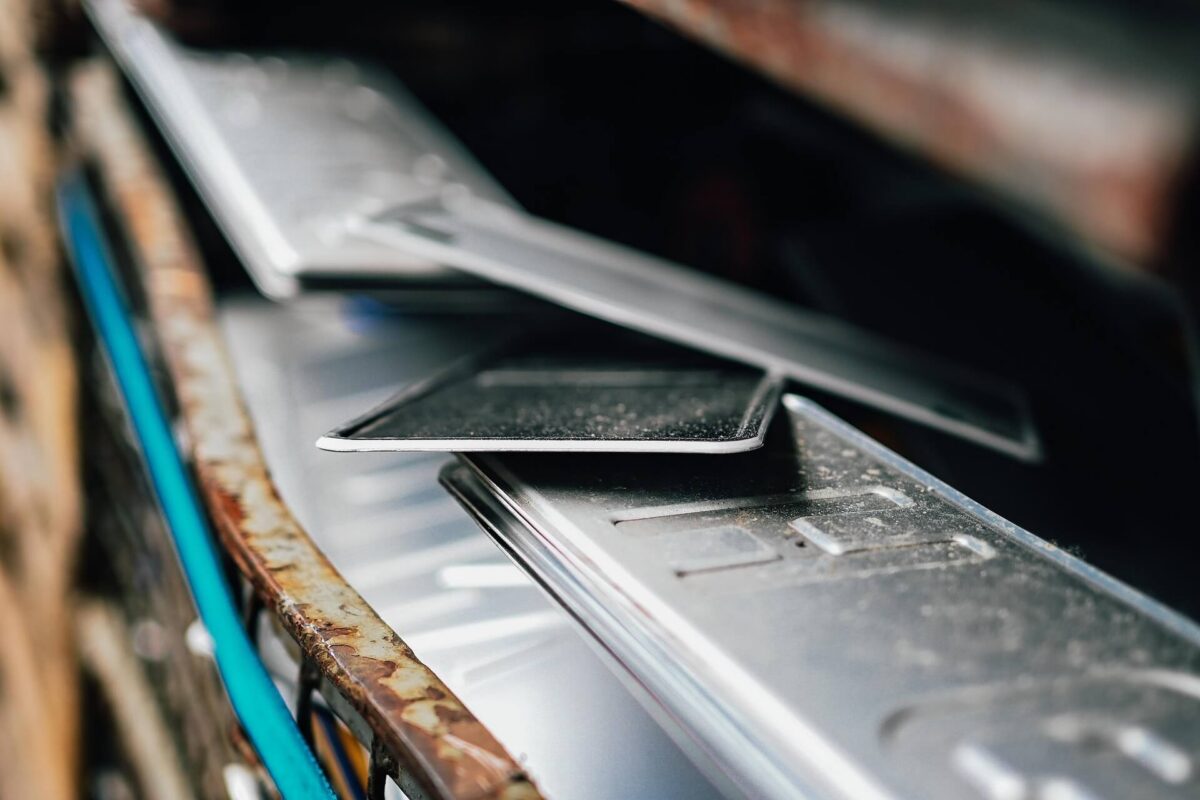
Titanium recovery helps cut industrial waste, save natural resources, and lower the environmental impact of metal production. Recycling suitable titanium scrap also supports closed-loop recycling and a more sustainable manufacturing industry.
The environmental benefits of titanium recovery matter more as manufacturers look for ways to cut waste, save resources, and improve output. Titanium is widely used in aerospace, automotive, engineering, and medical devices because it is strong, light, and has corrosion resistance.
However, titanium production uses complex chemical processing and a lot of energy. The traditional Kroll process is especially demanding because it uses several stages to turn titanium-bearing materials into usable metal.
Recovering titanium from machining waste, offcuts, and discarded parts offers a more sustainable route. Instead of sending valuable material to disposal, businesses can return suitable titanium scrap to the manufacturing supply chain.
This process supports the circular economy by keeping materials in use for longer. It can also lower the environmental impact tied to primary production.
1. Reducing the Environmental Impact of Titanium Production
One main environmental benefit of titanium recovery is that it cuts the need for primary production.
Miners extract titanium from mineral resources such as rutile and ilmenite. These materials go through several stages of processing before they become usable titanium metal.
Many manufacturers commonly use the Kroll process to produce titanium sponge. It involves converting titanium dioxide into TiCl4, then reducing it with magnesium. More processing is needed to make titanium fit for industrial use.
This process is energy intensive and needs specialised equipment, industrial chemicals, and significant processing resources.
A 2018 study published in the Journal of Cleaner Production used life cycle assessment to examine the environmental impacts of titanium sponge production through the Kroll process in China. It found that electricity use was a major driver of the overall environmental impact.
Recovering existing titanium scrap can reduce reliance on these primary production stages. This helps manufacturers make better use of material that has already been processed and reduces demand for newly mined resources.
2. Lowering Energy Consumption and Carbon Emissions
Titanium production has high energy needs because its extraction, refining, and manufacturing steps are complex. Reducing the need for new titanium can therefore bring environmental gains.
Recycling suitable titanium scrap can use less energy than making new titanium from mineral resources, although the real savings depend on the recovery method, scrap quality, and final use.
A 2026 study published in Procedia CIRP investigated the recovery of Ti-6Al-4V machining chips using combined sintering and forging.
The researchers reported an 85.8% drop in overall environmental impact compared with conventional manufacturing for the process they studied. The recycled production route used 75.9 MJ of energy and created 3.1 kg of CO₂-equivalent emissions per kilogram of finished material.
These findings show the value of recycling technologies for better material efficiency and lower environmental burdens. However, the results apply to the process studied, not every titanium recycling route.
By recovering suitable scrap, manufacturers can use more efficient production methods and rely less on energy-intensive primary metal processing.
3. Minimising Industrial Titanium Waste
Manufacturing activities create different types of titanium waste, especially during machining and component fabrication.
Common examples include titanium chips, swarf, turnings, offcuts, and rejected components. Although these materials may no longer suit their original use, they can still contain valuable titanium.
Without proper segregation and collection, recyclable material may become tainted or enter general industrial waste streams.
Titanium recovery gives businesses a way to cut these material losses. They can collect suitable scrap, identify its mix, and prepare it for the right recovery process.
A 2023 study published in the Journal of Sustainable Metallurgy examined titanium material flows in China between 2005 and 2020. It reported average recovery ratios of about 63% for prompt swarf used in ingot production and 56% for material used in mill production.
The research shows that manufacturing waste can be a valuable secondary source of titanium.
Better scrap collection and sorting helps businesses recover more material instead of losing it through avoidable disposal.
4. Conserving Natural Resources
Titanium recovery also supports natural resource conservation by cutting the need for newly mined raw materials.
Although titanium is fairly common in the Earth’s crust, turning mineral sources into usable metal takes a lot of processing.
Mining and refining also use land, water, energy, and industrial infrastructure.
Recovering titanium from existing products and manufacturing waste helps ease pressure on these resources.
The European Commission’s 2020 critical raw materials assessment reported an end-of-life recycling input rate of about 21% for titanium. This measure shows how much recycled end-of-life material contributes to overall material demand in the EU.
The figure shows the chance to improve titanium recovery and increase the share of secondary materials in industrial supply chains.
Better recovery practices can help save resources while keeping titanium available for important manufacturing uses.
5. Supporting Closed-Loop Recycling and the Circular Economy
Closed-loop recycling is a key part of sustainable metal management. It means recovering materials and returning them to suitable uses instead of treating them as waste.
Titanium is especially useful in this approach because its durability, strength, and corrosion resistance make it valuable across several industries.
Manufacturing facilities can collect titanium scrap from production and send it to specialist recovery facilities. Depending on its mix and condition, the material may be processed, remelted, or prepared for other recycling technologies.
Recovered titanium can then return to manufacturing uses that meet the needed quality standards.
This approach supports the circular economy by extending the useful life of materials and cutting unnecessary resource use.
It also encourages businesses to improve waste segregation, track material use, and find ways to prevent avoidable production losses.
6. Improving Material Efficiency Across Manufacturing Industries
Titanium alloys are widely used in industries where strength, durability, and weight reduction matter.
Aerospace manufacturers use titanium parts because they offer high strength without adding much weight. Automotive and engineering uses also benefit from its performance.
Titanium is also used in medical devices and implants because selected grades are biocompatible and offer corrosion resistance.
However, making these parts can create large amounts of unused material. Machining can remove a lot of metal before a finished part reaches its final shape.
Recovering titanium scrap helps businesses make better use of the original material.
A 2026 study on aerospace manufacturing and material recycling looked at the potential of closed-loop recycling and other circular production methods. Its findings highlighted the need to cut material losses and improve the efficiency of titanium supply chains.
Better recovery systems can support more efficient production while helping manufacturers reduce the environmental burden tied to material use.
7. Reducing Waste Disposal and Supporting Responsible Waste Management
Sending recyclable titanium scrap to disposal means losing a chance to recover valuable resources.
Although titanium is durable and corrosion resistant, these traits do not make disposal the best choice when suitable recovery routes are available.
Recovering titanium can divert industrial metal waste from disposal and return it to productive use.
In England and Wales, the Waste (England and Wales) Regulations 2011 establish a waste hierarchy that puts prevention, preparation for reuse, and recycling before other recovery and disposal options.
Businesses should check whether titanium waste can be recycled before they choose a disposal route.
Proper segregation is essential because impurities from other metals, oils, or processing materials can affect the suitability of scrap for particular recovery methods.
Working with properly authorised waste management and recycling providers also helps businesses meet their waste duty of care responsibilities.
8. Encouraging Better Titanium Recovery Technologies
Developments in recycling technologies are opening more ways to improve titanium recovery.
Traditional recycling often involves sorting, preparing, and remelting suitable scrap. However, other methods are also being studied to cut processing needs and improve material efficiency.
One example is solid-state recycling, which aims to turn titanium machining chips into useful products without relying only on melting.
A 2025 review published in Results in Engineering examined solid-state recycling methods for titanium machining chips. It highlighted the role of preprocessing, temperature, pressure, and material bonding in making suitable recycled materials.
These developments could help cut material losses and improve the environmental performance of titanium manufacturing.
However, the best method depends on scrap mix, impurities, processing needs, and the final product’s specs.
Continued research into efficient recovery methods can help manufacturers find practical options beyond conventional production.
Why Titanium Recovery Matters for Sustainable Manufacturing
The environmental benefits of titanium recovery go beyond cutting industrial waste. Recovering suitable titanium can help save natural resources, reduce reliance on primary production, and improve the efficiency of manufacturing supply chains.
The environmental gains also depend on careful collection, material identification, and the right processing. Not every type of titanium scrap can be recycled the same way.
Businesses can improve their approach by separating titanium waste at the source and working with specialist recycling facilities.
For companies handling titanium machining waste, offcuts, and unwanted parts, titanium recycling offers a way to recover valuable materials and support more sustainable resource management.
As recycling technologies develop, titanium recovery will continue to play a key role in cutting material losses and supporting a more resource-efficient industrial economy.