
What Is the Difference Between Metal Smelting and Refining?

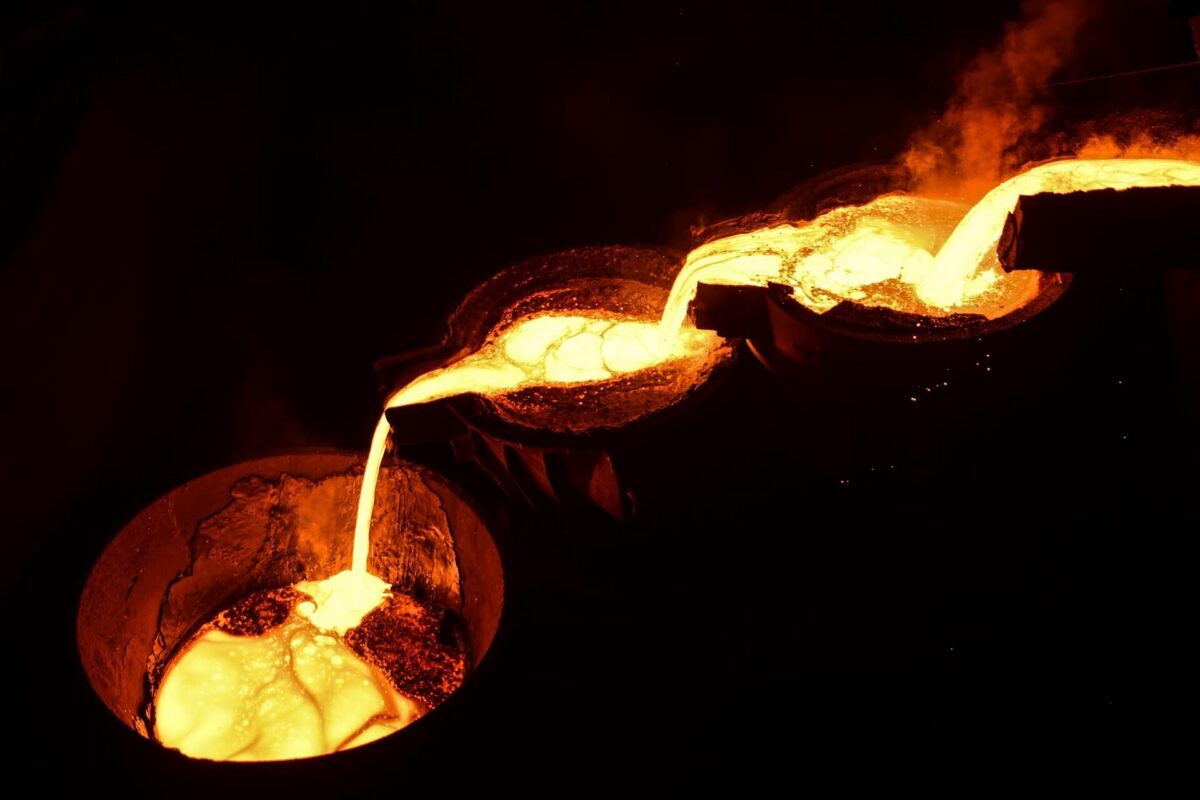
Metal smelting extracts metals from ores or concentrates using heat and chemical reactions. Metal refining removes remaining impurities to improve purity and quality. Both processes are essential for metal production and recycling.
What Is Metal Smelting?
Metal smelting is a process that uses high temperatures and chemical reactions to extract valuable metals from ores or concentrated materials. It is commonly used to produce copper, lead, nickel, zinc and iron.
Before smelting begins, mined ore usually undergoes preparation. This includes crushing, grinding and concentration to remove unwanted minerals and increase the amount of valuable metal.
The prepared material is then heated in an industrial furnace. Fluxes and other substances may be added to help separate the metal from unwanted materials. These reactions produce a layer called slag, which contains many of the removed impurities.
The valuable metal collects in molten form. However, it may still contain unwanted elements that affect its quality, strength and performance. Further processing is therefore needed before it can be used in manufacturing.
For example, copper smelting produces an intermediate product that requires additional treatment to achieve high purity.
The main purpose of metal smelting is to extract valuable metals from their original raw materials.
What Is Metal Refining?
Metal refining improves the purity and quality of extracted or recovered metals. It removes unwanted elements and adjusts the metal composition to meet industrial requirements.
Unlike smelting, metal refining focuses on the quality of the final product. Manufacturers need metals with specific chemical and physical properties for different applications.
Several methods are used, depending on the metal and its required purity.
Electrolytic refining is commonly used to produce high-purity copper. It uses an electrical current to transfer copper from impure anodes onto cathode sheets. Many impurities remain in the electrolyte or collect as anode sludge.
Fire refining uses controlled heating and chemical reactions to remove unwanted elements. Other metals may require chemical treatment, distillation or additional separation methods.
Refining can also recover valuable materials from industrial residues. For example, copper anode sludge may contain gold, silver and other recoverable metals.
The main purpose of metal refining is to produce metals that meet the required purity and quality standards.
Difference Between Metal Smelting and Refining
The difference between metal smelting and refining mainly concerns their purpose, processing methods and final results.
Smelting extracts valuable metals from ores, concentrates or suitable recycled materials. It uses high temperatures and chemical reactions to separate the desired metal from unwanted substances.
Refining improves the quality of the extracted metal. It removes remaining impurities and controls the composition to produce materials that meet specific industrial standards.
Another difference is the condition of the metal after each process. Smelting generally produces an intermediate product, such as molten metal, matte or bullion. Refining produces metal with a higher and more controlled level of purity.
The equipment also varies. Smelting commonly takes place in industrial furnaces, while refining may involve furnaces, electrolytic cells and chemical treatment systems.
However, both processes can involve high temperatures. The main distinction is their purpose rather than the equipment or energy source used.
How Do Metal Smelting and Refining Work Together?
Although metal smelting and refining have different functions, they often form part of the same production process.
Copper production provides a useful example.
First, copper ore is crushed and processed to produce a concentrate. This contains a higher proportion of copper than the original mined material.
Next, the concentrate enters a smelting furnace. High temperatures and chemical reactions separate much of the unwanted material, producing copper-rich matte.
The matte undergoes further processing to produce blister copper. Although this material contains a high concentration of copper, it still requires additional treatment.
During refining, copper can undergo fire refining and electrolytic refining. Electrolysis removes remaining impurities and produces high-purity copper cathodes.
These cathodes are then used to manufacture electrical cables, building materials, pipes and industrial components.
This example shows why smelting and refining should not be treated as interchangeable terms. Each process performs a different function, but both contribute to producing usable metal.
Key Statistics About Metal Smelting and Refining
Industry statistics demonstrate the importance of metal extraction, refining, and recycling in modern production.
According to the US Geological Survey (USGS), the United States produced approximately 1.1 million metric tonnes of recoverable copper from mines in 2024. Primary copper refinery production reached an estimated 850,000 tonnes, while secondary refinery production from scrap reached approximately 40,000 tonnes.
The USGS also estimated that around 150,000 tonnes of copper were recovered from old, post-consumer scrap in 2024. This highlights the contribution of recycled materials to the copper supply.
Steel production provides another example. According to the World Steel Association, electric arc furnaces accounted for approximately 29.1% of global crude steel production in 2024. This production route can use recycled steel scrap as its main raw material.
These figures demonstrate how primary metal extraction and secondary metal recovery both support industrial demand.
Common Methods Used in Metal Smelting and Refining
Different metals require different processing methods. The choice depends on their chemical properties, the type of raw material, and the required purity.
Common Metal Smelting Methods
Blast furnace smelting uses high temperatures and reducing agents to extract metals from prepared materials. It is widely associated with iron production, where iron ore is converted into molten iron.
Flash smelting uses oxygen-enriched air to trigger rapid oxidation reactions. It is commonly used in copper production and helps recover metal from sulphide concentrates.
Electric furnace smelting uses electrical energy to generate the heat needed to melt and process metal-bearing materials. It is suitable for several industrial metal recovery operations.
Common Metal Refining Methods
Electrolytic refining uses electricity to separate pure metal from impurities. It is widely used for copper and can produce metal with very high purity.
Fire refining uses heat and controlled oxidation or reduction reactions to remove unwanted elements. It is used for metals such as copper and lead.
Chemical refining uses chemical reactions and separation techniques to remove specific impurities. It is useful when different elements need to be separated selectively.
Distillation refining separates metals based on differences in their boiling points. It is suitable for certain metals that can be processed through controlled heating and vapour separation.
Why Are Smelting and Refining Important in Metal Production?
Smelting and refining support many industries by turning raw materials into metals with useful properties. Without these processes, manufacturers would have limited access to materials that meet their production requirements.
The construction industry depends on processed steel, aluminium and copper for buildings, infrastructure and electrical systems. The automotive industry uses refined metals in vehicle components, engines and structural parts.
Electronics manufacturers also depend on high-purity metals. Copper is important for electrical conductivity, while nickel and other specialist metals are used in batteries and electronic components.
Both processes support the recovery of valuable materials. Certain smelting and refining operations can recover precious metals and other useful elements from industrial residues.
Environmental Impact of Metal Smelting and Refining
Although both processes are essential, they can create environmental challenges if they are not properly managed.
Smelting requires substantial heat and energy. Depending on the fuel and technology used, it can generate greenhouse gas emissions, dust and sulphur dioxide. Some metal-bearing ores may also release harmful substances during processing.
Refining can produce chemical wastewater, sludge and other industrial residues. Electrolytic processes also require electricity, while chemical treatments need suitable storage, handling and waste management.
Modern facilities use pollution control equipment, gas treatment systems and improved technologies to reduce these impacts. Recovering useful materials from slag, dust and other residues can also reduce waste.
Metal recycling provides another opportunity to reduce dependence on newly mined resources. Secondary smelting and refining allow suitable scrap metal to return to production instead of being discarded.
Can Metal Smelting and Refining Be Used in Metal Recycling?
Yes. Both processes play an important role in recovering metals from industrial scrap and end-of-life products.
Secondary smelting uses recycled materials instead of newly mined ores. Scrap copper, aluminium, lead and other metals can be sorted, prepared and processed to recover valuable resources.
However, recycled metals may contain coatings, mixed alloys and unwanted substances. These materials must be assessed and treated before they can meet the required quality standards.
Refining removes remaining impurities and ensures recovered metals have suitable properties for reuse in manufacturing.
For example, recycled copper can be refined into high-quality material for electrical applications. Similarly, aluminium scrap can be processed into secondary aluminium for automotive components, construction products and packaging.
This approach helps conserve natural resources, reduce waste and support a more circular economy.
Metal smelting extracts valuable metals from ores, concentrates, and suitable recycled materials. Metal refining removes remaining impurities and improves their purity. Both processes are essential for metal production, industrial applications, and effective metal recycling.