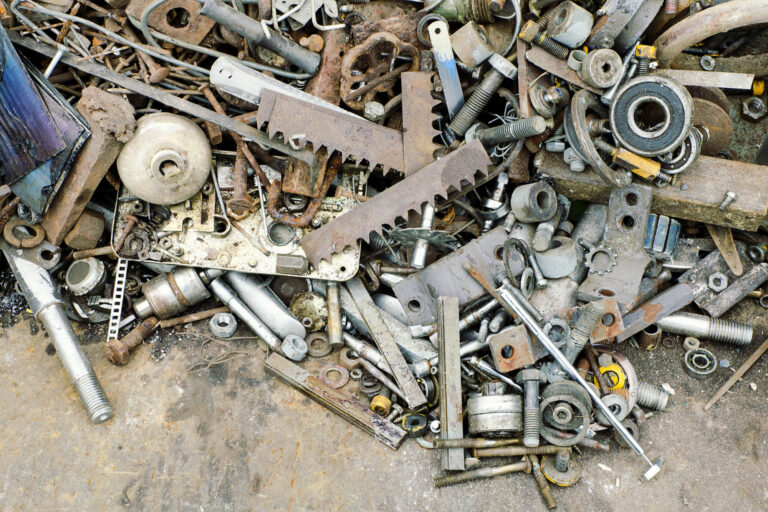
Aluminium construction waste includes window frames, doors, roofing, cladding, gutters and structural components. Most can be recycled when properly separated and prepared.
Aluminium waste from construction is a valuable recyclable material that can be recovered instead of being sent to landfill. Building projects produce different types of aluminium waste during installation, renovation, refurbishment and demolition.
Common examples include window frames, doors, roofing sheets, gutters and structural components. Many of these products can enter the recycling process after suitable preparation.
Recycling aluminium helps conserve natural resources, reduce energy consumption and lower greenhouse gas emissions associated with producing primary aluminium. Understanding which materials can be recovered helps construction businesses manage their waste more effectively.
What Types of Aluminium Waste from Construction Can Be Recycled?
Aluminium is widely used in buildings because it is lightweight, durable, corrosion-resistant, and easy to maintain. When structures are renovated or demolished, several aluminium products can be recovered.
Aluminium Window and Door Frames
Window and door frames are common sources of aluminium scrap. They are regularly removed during property improvements, replacement projects and demolition work.
The aluminium sections can be separated from glass, rubber seals, plastic fittings and locking mechanisms. Once unwanted materials are removed, the recovered metal can be sent to specialist recycling facilities.
Aluminium Roofing and Cladding
Aluminium roofing sheets, wall cladding and external panels are used in commercial, industrial and residential buildings. These products can often be recycled when they reach the end of their useful life.
Painted or coated aluminium may also be recyclable, depending on its composition and the facility’s capabilities. Insulation, steel fixings and other attached materials should be separated where practical.
Aluminium Gutters and Downpipes
Gutters, rainwater pipes and drainage components are another source of recyclable construction aluminium. These products are commonly removed during roof repairs and building renovations.
Clean aluminium sections can be collected separately, while plastic connectors, brackets and screws should be removed where possible.
Structural Aluminium Components
Aluminium beams, support sections, railings and architectural fittings can also be recovered from construction and demolition projects.
These components may contain substantial amounts of aluminium and can have recycling value. Where products remain in good condition, direct reuse may be possible before material recycling is considered.
Which Aluminium Construction Materials Are Difficult to Recycle?
Not all aluminium waste can enter the recycling process without additional preparation. Some products contain several bonded materials that make separation more difficult.
Aluminium composite panels, for example, may contain plastic cores between thin aluminium sheets. Their recovery depends on whether a specialist facility can separate the different layers.
Products covered in heavy sealants, adhesives, insulation or construction residues may also require additional treatment. Materials contaminated with hazardous substances must be assessed and handled appropriately.
Separating aluminium from other materials at the source makes recovery easier and helps prevent contamination of the wider waste stream.
Statistics: Aluminium Recycling and Construction Waste Recovery
Construction and demolition activities generate substantial amounts of waste across England, making material recovery an important part of the aluminium industry and wider construction sector.
According to the Department for Environment, Food and Rural Affairs (Defra), England generated an estimated 63.3 million tonnes of non-hazardous construction and demolition waste in 2024. Approximately 60.3 million tonnes was recovered, representing a provisional recovery rate of 95.3%.
These figures cover the wider construction and demolition waste category, rather than aluminium alone. They demonstrate the importance of recovering different materials from building projects.
Defra also reported that the UK recycled 157,000 tonnes of aluminium packaging from 238,000 tonnes generated in 2024, achieving a recycling rate of 65.9%. Packaging figures should not be confused with construction aluminium recycling rates.
Source: Defra – UK Statistics on Waste.
Although separate figures for construction aluminium are not provided in these statistics, the data highlights the importance of improving collection and sorting across different waste categories.
How Does the Aluminium Recycling Process Work?
The recycling process involves several stages to prepare recovered aluminium for manufacturing.
Collection and Sorting
The first stage involves the collection and sorting of aluminium products from construction sites, refurbishment projects and demolition activities.
Workers should separate aluminium from steel, timber, plastic and general building waste. Keeping different metal types apart helps improve the quality of recovered materials.
Preparation and Separation
Collected aluminium is inspected and sorted according to its type, condition and composition. Glass, rubber, plastic fittings, screws and other unwanted components are removed where possible.
The prepared aluminium scrap may then be cut or compacted into manageable sizes for transportation and processing.
Shredding and Melting
At specialist recycling facilities, aluminium scrap may be shredded into smaller pieces before further processing. The material is cleaned and prepared for melting in industrial furnaces.
During melting, impurities and unwanted residues can be removed through suitable treatment. The molten metal is then cast into ingots or other forms for manufacturing.
Manufacturing New Products
Recycled aluminium can be used to manufacture new building components, automotive parts, packaging and industrial products.
This allows recovered metal to re-enter the supply chain instead of depending entirely on newly extracted raw materials. The amount of aluminium recovered depends on the quality and composition of the original scrap.
Environmental Benefits of Recycling Aluminium
Recycling aluminium offers important environmental advantages. Producing primary aluminium from extracted raw materials requires substantial energy and contributes to greenhouse gas emissions.
Recycled aluminium production generally requires considerably less energy than producing aluminium from bauxite. Industry estimates report energy savings of up to 95%, although actual savings depend on the material and processing conditions.
Lower energy consumption can reduce associated CO2 emissions and the carbon footprint of manufacturing. Recycling also reduces the need for additional mining and helps conserve natural resources.
Because aluminium can be recycled repeatedly without losing its essential material properties, it remains a valuable resource for an energy-efficient manufacturing industry.
How Construction Companies Can Improve Aluminium Waste Recovery
Construction companies can improve recycling outcomes by identifying aluminium products before work begins. During demolition and refurbishment planning, contractors should establish separate collection areas for recyclable metals.
Workers should remove unnecessary attachments where safe and practical, keep aluminium away from mixed waste and prevent contamination with building residues.
Businesses should also work with suitable licensed waste carriers and specialist metal recycling facilities. Keeping accurate waste transfer documentation helps demonstrate how materials are managed and where they are sent.
For further guidance, consult the UK Government’s waste management guidance, which explains business responsibilities when handling commercial waste.
Aluminium waste from construction includes window frames, doors, roofing sheets, gutters, cladding and structural components. Many of these products can be recycled when collected, separated and prepared correctly.
Recovering aluminium helps conserve resources, reduce energy consumption and support more sustainable construction and manufacturing practices.