Environmental Benefits of Titanium Recovery

Titanium recovery helps cut industrial waste, save natural resources, and lower the environmental impact of metal production. Recycling suitable titanium scrap also supports closed-loop recycling and a more sustainable manufacturing industry.

The environmental benefits of titanium recovery matter more as manufacturers look for ways to cut waste, save resources, and improve output. Titanium is widely used in aerospace, automotive, engineering, and medical devices because it is strong, light, and has corrosion resistance.

However, titanium production uses complex chemical processing and a lot of energy. The traditional Kroll process is especially demanding because it uses several stages to turn titanium-bearing materials into usable metal.

Recovering titanium from machining waste, offcuts, and discarded parts offers a more sustainable route. Instead of sending valuable material to disposal, businesses can return suitable titanium scrap to the manufacturing supply chain.

This process supports the circular economy by keeping materials in use for longer. It can also lower the environmental impact tied to primary production.

1. Reducing the Environmental Impact of Titanium Production

One main environmental benefit of titanium recovery is that it cuts the need for primary production.

Miners extract titanium from mineral resources such as rutile and ilmenite. These materials go through several stages of processing before they become usable titanium metal.

Many manufacturers commonly use the Kroll process to produce titanium sponge. It involves converting titanium dioxide into TiCl4, then reducing it with magnesium. More processing is needed to make titanium fit for industrial use.

This process is energy intensive and needs specialised equipment, industrial chemicals, and significant processing resources.

A 2018 study published in the Journal of Cleaner Production used life cycle assessment to examine the environmental impacts of titanium sponge production through the Kroll process in China. It found that electricity use was a major driver of the overall environmental impact.

Recovering existing titanium scrap can reduce reliance on these primary production stages. This helps manufacturers make better use of material that has already been processed and reduces demand for newly mined resources.

2. Lowering Energy Consumption and Carbon Emissions

Titanium production has high energy needs because its extraction, refining, and manufacturing steps are complex. Reducing the need for new titanium can therefore bring environmental gains.

Recycling suitable titanium scrap can use less energy than making new titanium from mineral resources, although the real savings depend on the recovery method, scrap quality, and final use.

A 2026 study published in Procedia CIRP investigated the recovery of Ti-6Al-4V machining chips using combined sintering and forging.

The researchers reported an 85.8% drop in overall environmental impact compared with conventional manufacturing for the process they studied. The recycled production route used 75.9 MJ of energy and created 3.1 kg of CO₂-equivalent emissions per kilogram of finished material.

These findings show the value of recycling technologies for better material efficiency and lower environmental burdens. However, the results apply to the process studied, not every titanium recycling route.

By recovering suitable scrap, manufacturers can use more efficient production methods and rely less on energy-intensive primary metal processing.

3. Minimising Industrial Titanium Waste

Manufacturing activities create different types of titanium waste, especially during machining and component fabrication.

Common examples include titanium chips, swarf, turnings, offcuts, and rejected components. Although these materials may no longer suit their original use, they can still contain valuable titanium.

Without proper segregation and collection, recyclable material may become tainted or enter general industrial waste streams.

Titanium recovery gives businesses a way to cut these material losses. They can collect suitable scrap, identify its mix, and prepare it for the right recovery process.

A 2023 study published in the Journal of Sustainable Metallurgy examined titanium material flows in China between 2005 and 2020. It reported average recovery ratios of about 63% for prompt swarf used in ingot production and 56% for material used in mill production.

The research shows that manufacturing waste can be a valuable secondary source of titanium.

Better scrap collection and sorting helps businesses recover more material instead of losing it through avoidable disposal.

4. Conserving Natural Resources

Titanium recovery also supports natural resource conservation by cutting the need for newly mined raw materials.

Although titanium is fairly common in the Earth’s crust, turning mineral sources into usable metal takes a lot of processing.

Mining and refining also use land, water, energy, and industrial infrastructure.

Recovering titanium from existing products and manufacturing waste helps ease pressure on these resources.

The European Commission’s 2020 critical raw materials assessment reported an end-of-life recycling input rate of about 21% for titanium. This measure shows how much recycled end-of-life material contributes to overall material demand in the EU.

The figure shows the chance to improve titanium recovery and increase the share of secondary materials in industrial supply chains.

Better recovery practices can help save resources while keeping titanium available for important manufacturing uses.

5. Supporting Closed-Loop Recycling and the Circular Economy

Closed-loop recycling is a key part of sustainable metal management. It means recovering materials and returning them to suitable uses instead of treating them as waste.

Titanium is especially useful in this approach because its durability, strength, and corrosion resistance make it valuable across several industries.

Manufacturing facilities can collect titanium scrap from production and send it to specialist recovery facilities. Depending on its mix and condition, the material may be processed, remelted, or prepared for other recycling technologies.

Recovered titanium can then return to manufacturing uses that meet the needed quality standards.

This approach supports the circular economy by extending the useful life of materials and cutting unnecessary resource use.

It also encourages businesses to improve waste segregation, track material use, and find ways to prevent avoidable production losses.

6. Improving Material Efficiency Across Manufacturing Industries

Titanium alloys are widely used in industries where strength, durability, and weight reduction matter.

Aerospace manufacturers use titanium parts because they offer high strength without adding much weight. Automotive and engineering uses also benefit from its performance.

Titanium is also used in medical devices and implants because selected grades are biocompatible and offer corrosion resistance.

However, making these parts can create large amounts of unused material. Machining can remove a lot of metal before a finished part reaches its final shape.

Recovering titanium scrap helps businesses make better use of the original material.

A 2026 study on aerospace manufacturing and material recycling looked at the potential of closed-loop recycling and other circular production methods. Its findings highlighted the need to cut material losses and improve the efficiency of titanium supply chains.

Better recovery systems can support more efficient production while helping manufacturers reduce the environmental burden tied to material use.

7. Reducing Waste Disposal and Supporting Responsible Waste Management

Sending recyclable titanium scrap to disposal means losing a chance to recover valuable resources.

Although titanium is durable and corrosion resistant, these traits do not make disposal the best choice when suitable recovery routes are available.

Recovering titanium can divert industrial metal waste from disposal and return it to productive use.

In England and Wales, the Waste (England and Wales) Regulations 2011 establish a waste hierarchy that puts prevention, preparation for reuse, and recycling before other recovery and disposal options.

Businesses should check whether titanium waste can be recycled before they choose a disposal route.

Proper segregation is essential because impurities from other metals, oils, or processing materials can affect the suitability of scrap for particular recovery methods.

Working with properly authorised waste management and recycling providers also helps businesses meet their waste duty of care responsibilities.

8. Encouraging Better Titanium Recovery Technologies

Developments in recycling technologies are opening more ways to improve titanium recovery.

Traditional recycling often involves sorting, preparing, and remelting suitable scrap. However, other methods are also being studied to cut processing needs and improve material efficiency.

One example is solid-state recycling, which aims to turn titanium machining chips into useful products without relying only on melting.

A 2025 review published in Results in Engineering examined solid-state recycling methods for titanium machining chips. It highlighted the role of preprocessing, temperature, pressure, and material bonding in making suitable recycled materials.

These developments could help cut material losses and improve the environmental performance of titanium manufacturing.

However, the best method depends on scrap mix, impurities, processing needs, and the final product’s specs.

Continued research into efficient recovery methods can help manufacturers find practical options beyond conventional production.

Why Titanium Recovery Matters for Sustainable Manufacturing

The environmental benefits of titanium recovery go beyond cutting industrial waste. Recovering suitable titanium can help save natural resources, reduce reliance on primary production, and improve the efficiency of manufacturing supply chains.

The environmental gains also depend on careful collection, material identification, and the right processing. Not every type of titanium scrap can be recycled the same way.

Businesses can improve their approach by separating titanium waste at the source and working with specialist recycling facilities.

For companies handling titanium machining waste, offcuts, and unwanted parts, titanium recycling offers a way to recover valuable materials and support more sustainable resource management.

As recycling technologies develop, titanium recovery will continue to play a key role in cutting material losses and supporting a more resource-efficient industrial economy.

Titanium Swarf: What Businesses Need to Know

Titanium swarf is valuable machining waste generated during metal manufacturing. Separating, storing and recycling it correctly helps businesses recover metal, reduce waste and support a more sustainable supply chain.

Titanium Swarf: What Businesses Need to Know

What Is Titanium Swarf?

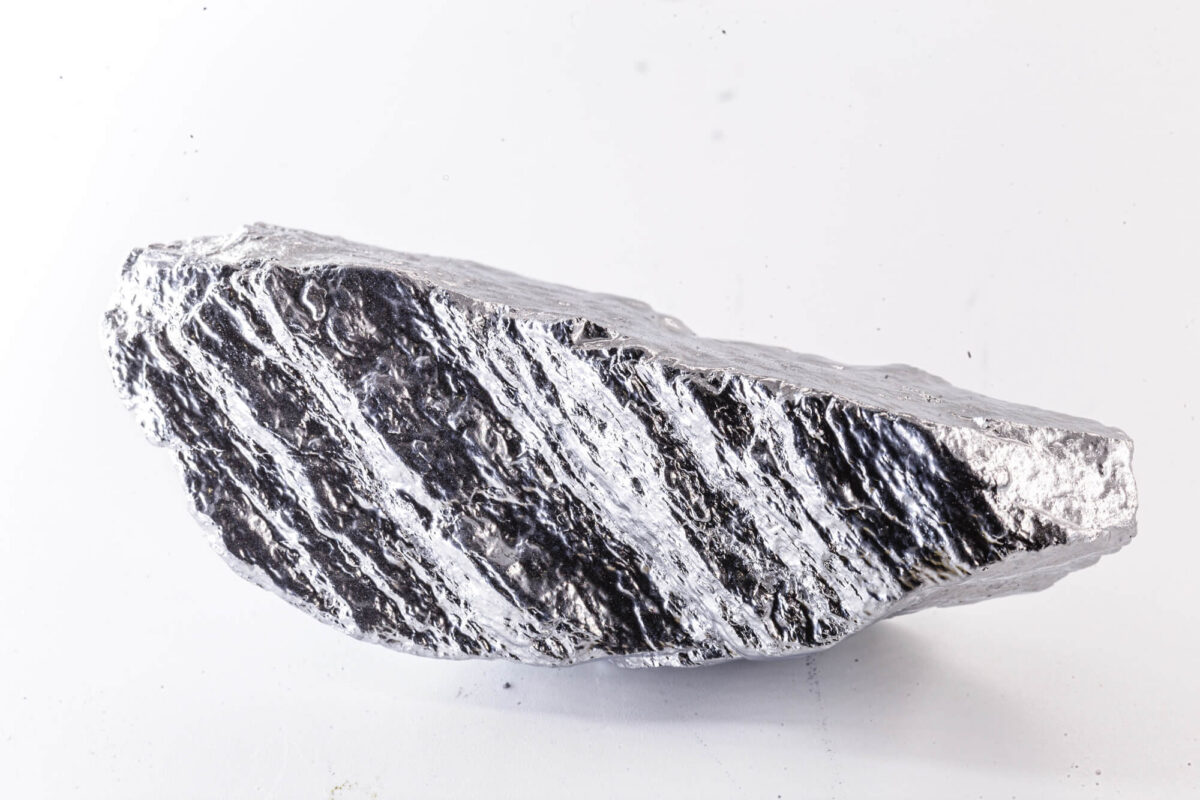
Titanium swarf consists of metal chips, curls, turnings and fine particles produced when titanium is cut, drilled, milled or shaped. These machining processes are common in aerospace, automotive, medical equipment, and precision engineering.

Manufacturers use titanium alloy components because of their high strength-to-weight ratio, durability and corrosion resistance. However, producing these high-performance parts creates waste swarf that can contain valuable recoverable metal.

Rather than treating these materials as general industrial waste, businesses can collect and recycle titanium swarf to recover resources and reduce material losses.

How Is Titanium Swarf Produced?

Titanium swarf develops during CNC machining, drilling, turning, milling, grinding, and sawing. Each operation produces different types of machining waste depending on the cutting equipment, material grade, and manufacturing requirements.

Turning can create long metal curls, while milling produces smaller chips. Grinding operations may generate fine particles that require additional safety precautions.

The amount of waste depends on the component design and the quantity of material removed during production. Complex titanium alloy components can generate substantial quantities of swarf before reaching their required net shape.

Why Is Titanium Swarf Valuable?

Titanium is widely used in demanding applications because it combines strength, relatively low density, and corrosion resistance. These properties make it important for high-performance engineering and manufacturing.

However, primary methods used to produce titanium require several processing stages and considerable resources. Recovering suitable machining waste can reduce dependence on virgin raw materials.

A 2023 study published in the Journal of Sustainable Metallurgy examined titanium material flows in China between 2005 and 2020. It reported average recovery ratios of approximately 63% for titanium ingot swarf and 56% for titanium mill product swarf. These figures demonstrate the potential for recovering manufacturing waste, although they are specific to the processes examined in the study.

High-quality titanium alloy swarf can therefore become a valuable secondary resource when collected and processed correctly.

The Importance of Separating Titanium Alloy Swarf

Separating titanium alloy swarf from other metal waste is essential for maintaining material quality. Mixing different titanium grades with aluminium, stainless steel or nickel alloys can complicate identification and reduce recycling opportunities.

Businesses should use clearly labelled containers for different grades and machining waste streams. This helps prevent contamination and makes the subsequent processing route easier to manage.

Cutting fluids, oils, and coolants should also be considered because contaminated material may require additional treatment.

Keeping waste streams separate from the point of production supports better material recovery and helps businesses recycle titanium more efficiently.

How Should Businesses Store Titanium Swarf?

Proper storage is important because fine titanium particles and dust can present fire and combustion hazards.

Businesses should assess the risks associated with their particular titanium waste and follow relevant safety data sheets. Fine particles must not be treated in the same way as larger metal pieces.

Suitable containers, organised collection areas and appropriate separation procedures help prevent contamination and uncontrolled accumulation. Employees should also receive training on safe handling, housekeeping and emergency arrangements.

Grinding dust and fine swarf require particular attention. Businesses should obtain specialist advice when selecting suitable fire prevention and emergency response measures.

How Is Titanium Swarf Recycled?

Titanium swarf recycling begins with collection and material identification. Recycling specialists assess the metal grade, contamination levels, and physical condition before selecting a suitable processing route.

Depending on its condition, the material may require cleaning, separation, and moisture removal. Suitable swarf can then enter specialised recycling processes.

Traditional recycling methods may involve melting and remelting under controlled conditions to produce titanium ingots. These materials can subsequently be used in manufacturing.

Solid-state recycling is another developing option. A 2025 review published in Results in Engineering examined how titanium machining chips can be converted into useful engineering materials without conventional melting. It highlighted the importance of preprocessing, temperature, pressure, and material bonding.

The fast forge process is another term businesses may encounter when researching rapid forging and material consolidation techniques. However, its suitability for titanium swarf depends on the specific technology and material preparation requirements.

Not every type of waste swarf is suitable for direct remelting or reuse. The final application depends on composition, contamination, and required material specifications.

Environmental Benefits of Titanium Swarf Recycling

Recycling supports the circular economy by keeping valuable metals in productive use rather than relying entirely on newly extracted resources.

Titanium production involves energy-intensive processing, so recovering suitable scrap can reduce demand for some primary production stages. It can also reduce manufacturing waste sent for disposal.

Efficient recovery helps businesses use materials more responsibly while supporting a more sustainable industrial supply chain.

The actual environmental benefits depend on transportation, preparation, processing methods and the quality of recovered material.

UK Waste Management Responsibilities

Businesses operating in the UK must identify, classify and manage their titanium machining waste correctly.

The Environment Agency’s waste classification guidance explains how businesses should determine the appropriate classification based on waste composition and hazardous properties.

Companies must also follow applicable waste duty of care requirements and use appropriately authorised waste carriers and facilities.

Accurate waste descriptions and transfer documentation help demonstrate responsible management and regulatory compliance.

How Businesses Can Improve Titanium Swarf Management

Manufacturers can improve titanium swarf management by monitoring how much waste their machining operations produce and identifying opportunities to reduce material losses.

Separate collection containers, clear labelling, and employee training help maintain material quality. Regular inspections also reduce contamination risk.

Businesses should review their existing recycling arrangements and work with experienced metal recovery specialists to identify suitable collection and processing options.

These measures can help recover valuable material, improve resource efficiency and support more responsible manufacturing.

Recovering Value from Titanium Swarf

Titanium swarf should not be overlooked as ordinary manufacturing waste. With proper separation, safe storage, and specialist recycling, businesses can recover valuable metal and reduce unnecessary resource losses.

Companies producing titanium machining waste can improve their operations by introducing effective collection procedures and working with suitable recycling specialists.

How Businesses Can Recover Value From Nickel Waste

Businesses can recover value from nickel waste by sorting scrap, reducing taint, and working with specialist recyclers. Good nickel recycling can cut disposal costs and support resource efficiency.

Understanding how businesses recover value from nickel waste can help manufacturers cut disposal costs, improve resource efficiency and earn extra income from unwanted materials. Nickel is used in stainless steel, specialist alloys, batteries, engineering parts and industrial equipment. When these materials become surplus, damaged or no longer fit for production, they may still hold useful metal.

Rather than treating nickel waste as a disposal issue, businesses can see it as a secondary resource. Good sorting, separation, and recycling can help manufacturers recover useful material while supporting a more sustainable supply chain.

Why Nickel Waste Has Commercial Value

Nickel is a key industrial metal because it is strong, resists corrosion, and handles high heat. These traits make it useful in manufacturing and engineering.

Businesses create nickel waste through machining, cutting, fabrication, equipment upkeep, and product replacement. Common examples include nickel-alloy offcuts, machining swarf, rejected parts, production scrap and end-of-life equipment.

The value of nickel waste depends on its makeup, nickel content, grade, weight, taint and market price. Keeping these materials apart from general waste makes assessment easier and can improve recovery.

How Businesses Recover Value from Nickel Waste

Manufacturers can use several routes to turn unwanted nickel materials into useful secondary resources.

1. Sell Nickel Scrap to Specialist Recyclers

Selling suitable nickel scrap to specialist metal recyclers is one of the most direct ways to recover cash value. Recyclers assess materials by grade, nickel content, weight, and condition.

Clean, correctly identified scrap is generally easier to assess than mixed or tainted waste. Businesses should give accurate material details and estimated amounts when asking for quotes.

Regular collections can also stop valuable scrap from taking up storage space.

2. Recover Nickel from Manufacturing Offcuts

Cutting, drilling, machining and fabrication can create nickel-bearing offcuts. Although these materials may no longer suit their original use, they can still hold recoverable metal.

Businesses can collect these materials separately instead of putting them in general industrial waste. Keeping similar grades together can make processing and collection more efficient.

This approach helps manufacturers cut material losses and recover value from resources they have already bought.

3. Improve Nickel Swarf Management

Nickel swarf is made up of small metal fragments produced during machining and metalworking. These residues can hold useful nickel, so proper collection matters.

However, machining waste may also carry cutting fluids, lubricants and other residues. Businesses should use suitable collection systems and keep different material grades apart.

Good storage and handling can improve the quality of collected scrap and make it easier for specialist recyclers to assess.

4. Recycle End-of-Life Equipment

Industrial machines, engineering parts and stainless steel equipment may contain large amounts of nickel. When these items wear out, businesses should check them for material recovery.

Unwanted equipment can be taken apart and sorted so nickel-bearing parts enter the right recycling streams.

This helps prevent useful metals from being lost through needless disposal and creates chances to recover value from spare industrial assets.

Nickel Recycling Statistics and the UK Circular Economy

Nickel recycling already makes an important contribution to global metal supply. According to the International Nickel Study Group, about 4.4–4.6 million tonnes of nickel-bearing scrap are collected and recycled worldwide each year. This scrap contains almost 350,000 tonnes of nickel, or about one-quarter of total annual nickel demand.

Research published in Resources, Conservation and Recycling in April 2025 looked at global nickel flows from 2000 to 2022. It estimated that about 62 million tonnes of nickel were used during this period. Around 22 million tonnes came from recycling, compared with 40 million tonnes from mining.

The OECD also reported that secondary nickel, including scrap used directly in production, supplied about 26% of global nickel demand in 2023.

These figures show why nickel scrap recovery matters. Businesses that sort and recycle nickel-bearing materials can support the Nickel Scrap UK Circular Economy by keeping useful resources in use and helping supply secondary raw materials.

How to Improve the Value of Nickel Waste

The condition of nickel scrap can affect its market value. Materials with too much oil, dirt, moisture, or unrelated metals may need more processing before recycling.

Businesses can improve material control by using clearly labelled storage bins for different scrap grades. Staff should know which materials go in each bin, and regular checks can help spot taint.

For machining work, companies should also manage cutting fluids and other residues properly. Keeping metal waste apart from liquid waste makes handling easier and supports more accurate material checks.

Although these steps cannot promise a higher sale price, they can improve scrap consistency and recovery chances.

Choose the Right Nickel Recycling Partner

Working with an experienced recycling company can help businesses recover value from different types of nickel waste.

A suitable recycling partner should understand different nickel grades, explain collection needs, and provide details about its recovery process. Businesses should also check that their chosen waste contractor has the right permits for the materials and activities involved.

Before arranging a collection, companies should give details about the material type, estimated amount, condition and storage arrangements.

For manufacturers that produce nickel waste often, an ongoing collection plan can simplify waste management and support steady material recovery.

Businesses can also learn more about professional nickel recycling and the recovery of valuable industrial metals.

UK Waste Management Responsibilities

Recovering value from nickel waste also needs responsible waste management. In England and Wales, the Waste (England and Wales) Regulations 2011 set a waste hierarchy that favours prevention, reuse and recycling ahead of other recovery and disposal options.

Businesses must also follow waste duty of care rules. This includes making sure waste is sent to a properly authorised person and keeping the required records.

Some nickel-bearing materials may need more assessment depending on their makeup and taint. Companies should classify their waste correctly before arranging collection or treatment.

Following these rules helps businesses keep compliant waste management practices while recovering valuable materials.

Business Benefits of Nickel Waste Recovery

Recovering nickel waste can bring several commercial and environmental benefits.

Businesses may cut disposal costs by diverting recyclable materials from general waste streams. Selling suitable scrap can also create extra income, depending on its grade, amount and market value.

Recycling supports the supply of secondary raw materials and reduces dependence on newly extracted resources. Better sorting and tracking of waste streams can also help manufacturers spot production losses and improve material efficiency.

These benefits make nickel recycling a practical part of wider resource management and sustainable manufacturing strategies.

Businesses can recover value from nickel waste by sorting scrap, managing taint, collecting manufacturing offcuts and recycling redundant equipment. Working with specialist recyclers helps manufacturers identify suitable recovery routes and handle valuable materials responsibly.

Good nickel recycling can reduce unnecessary disposal, support secondary raw material supplies and help build a more sustainable industrial supply chain.

Nickel Scrap and the UK Circular Economy

Nickel scrap helps the UK circular economy. It keeps metal in use, cuts waste, and gives manufacturers a steady source of secondary raw material. Nickel recycling also helps save natural resources and supports cleaner supply chains.

Nickel is used in stainless steel, machine parts, batteries, and specialist alloys. Making new nickel from ore takes mining, processing, energy, and water. Using scrap reduces that burden and keeps useful metal in the loop.

Understanding Nickel Scrap and the Circular Economy

Nickel scrap means surplus, rejected, or end-of-life material that still contains nickel. It can come from nickel alloys, stainless steel parts, offcuts, machine parts, and production waste.

The nickel content can vary a lot. Some scrap has high nickel levels. Other scrap has nickel with chromium, iron, or other metals.

Different grades need the right handling and process. Mixing unsuited materials can lower the quality of recovered metal and make recycling harder.

The circular economy sees waste as a possible resource. By collecting and processing nickel-bearing materials, businesses can keep useful material in use. This also helps firms think about recovery when they design products, buy equipment, and manage waste.

Why Nickel Matters to UK Manufacturing

Nickel has corrosion resistance, strength, and durability. That makes it useful in harsh work settings.

One major use is stainless steel. Nickel-containing stainless steel is used in food gear, chemical plants, building work, transport links, and machines.

Nickel alloys also matter in specialist engineering, where parts face high heat, pressure, and corrosive conditions. Some battery tech also uses nickel-containing materials.

A steady nickel supply matters for makers. Yet relying only on primary production can expose firms to supply shocks, price swings, and mine output changes.

Recovered nickel gives makers another source of material. It cannot replace every grade of new nickel, but it can support metal production and cut the need for virgin raw materials.

Nickel Scrap UK Circular Economy: How the Recycling Process Works

Nickel recycling has several stages, from collection to return to manufacturing. The exact route depends on the material’s mix, state, and end use.

Collection of Nickel-Containing Materials

The process starts with nickel scrap from factories, engineering firms, and other industrial sites.

Common materials include stainless steel offcuts, machining residue, rejected parts, extra alloy stock, and old machinery.

Production waste can be a good fit for recycling because firms may already know its original grade. Good records make identification easier.

End-of-life equipment can also provide salvageable nickel, though it may contain many metals, plastics, and other parts that need sorting.

Sorting and Material Identification

Once collected, nickel-bearing materials must be identified and sorted by type.

Stainless steel, nickel alloys, and mixed metal scrap should not be treated as the same material. Their different mixes affect how each one can be used in recycling.

Facilities may use material records, visual checks, magnets, and test gear to spot different metal grades.

Careful sorting helps cut impurities and improves the quality of material entering recovery.

Processing and Nickel Recovery

After sorting, the right scrap is prepared for the next stage.

Depending on its form, this can mean cutting, shredding, crushing, or other mechanical work. Machining residue may also need cleaning to remove oils, coolants, and other dirt.

Prepared nickel-bearing scrap can then enter metal recovery and melting work. The recovered metal can go into new alloys and other products where it meets the needed spec.

The goal is to recover useful nickel while keeping the quality needed for later industrial use.

Returning Recovered Nickel to Manufacturing

The last stage is return to industrial supply chains.

Recycled nickel can help make stainless steel, alloys, and other products that accept secondary raw material.

This completes an important part of the circular economy. Material that would have become waste is recovered and used again.

Businesses can support this by working with suitable nickel recycling specialists to make sure scrap is collected and sent to the right recovery route.

Statistics Highlighting the Importance of Nickel Recycling

International figures show how recovered material adds to the nickel supply.

According to the International Nickel Study Group (INSG), experts estimate that about 4.4 to 4.6 million tonnes of nickel-bearing scrap are collected and recycled worldwide each year. That scrap contains almost 350,000 tonnes of nickel, or about one-quarter of total nickel demand.

The INSG also points to stainless steel scrap from old factories, machines, equipment, and consumer goods as a key source of recoverable nickel.

These figures show the long-standing role of nickel recycling in the world supply. They are not UK-only numbers, but they show the value of recovery from existing industrial material.

UK waste data also gives useful context. According to the Department for Environment, Food and Rural Affairs (Defra), England generated an estimated 178.1 million tonnes of total waste in 2024, based on provisional figures published in September 2026.

The same release said England generated about 32 million tonnes of commercial and industrial waste in 2024. That shows the size of the waste stream and why better material recovery matters.

Defra also said metallic waste made up 14% of the material recorded under recycling and other recovery in England in 2024. That figure covers many metals, not nickel alone, but it still shows the role of metal recovery in waste management.

Environmental Benefits of Recycling Nickel Scrap

Recovering nickel scrap can bring several environmental gains when materials go through the right recycling route.

Conserving Natural Resources

Nickel comes from mineral deposits through mining and processing. Those steps use land, energy, water, and other resources.

Recycling helps keep nickel that is already in the economy. Instead of relying only on fresh ore, makers can use recovered metal as another supply source.

This supports better resource use and cuts the need for virgin raw materials.

Supporting Lower-Impact Manufacturing

Primary nickel production has many steps, including mining, mineral prep, extraction, and refining. These steps can create environmental pressure.

Using recycled material can reduce the need for some primary work. But the gain depends on transport, process choice, energy source, and the quality of the scrap.

Responsible recycling can support lower-impact manufacturing when the full recovery process is well managed.

Reducing Industrial Waste

Factories and workshops make offcuts, rejected parts, machining residue, and extra material. Without good sorting, some recoverable nickel can end up mixed with general industrial waste.

Separating nickel-bearing materials helps stop valuable metals from being needlessly thrown away. It also helps firms spot ways to improve production and cut material loss.

Supporting Responsible Resource Management

Nickel recycling encourages businesses to think about the full life of their materials.

Watching scrap output, improving storage, and working with the right recycling firms can help organisations build better waste systems.

These steps support wider green goals while keeping valuable materials within the manufacturing economy.

Industries That Generate Recyclable Nickel Scrap

Several UK sectors make nickel-containing material that may be fit for recovery.

Stainless Steel Manufacturing

Stainless steel production and fabrication create offcuts, spare sections, rejected parts, and extra stock. Some stainless grades contain a lot of nickel.

Sorting these materials by type helps keep them fit for later metal production.

Engineering and Metal Fabrication

Engineering firms make nickel-bearing scrap through machining, cutting, drilling, and parts work.

Machining can create swarf, turnings, and other metal residue. These may need special prep before recycling, especially if they hold oils, coolants, or other dirt.

Chemical and Industrial Processing

Chemical plants use corrosion-proof equipment, pipework, tanks, and specialist parts.

When equipment is replaced or upgraded, nickel-containing alloys may be ready for recovery. Good material ID matters here because these parts can contain several alloying metals.

Construction and Demolition

Industrial buildings, infrastructure projects, and commercial sites may have stainless steel fixtures, pipework, machines, and other nickel-bearing parts.

During refurbishment and demolition, these materials can be recovered through careful take-down and sorting.

Battery and Energy Technology

Some battery chemistries use nickel as a key part. Manufacturing rejects, production residue, and end-of-life batteries can therefore hold recoverable nickel.

But batteries need special collection and treatment because they can pose chemical, electric, and fire risks. They should not be mixed with normal metal scrap.

Challenges Affecting Nickel Scrap Recovery in the UK

Despite its value, nickel recycling has some practical hurdles.

Material impurities are one key issue. When nickel-bearing scrap is mixed with other metals or non-metal parts, it is harder to identify the mix and choose the right recovery route.

Lack of good material data can also cause trouble. Industrial equipment may stay in use for many years, and its original records may no longer be there when it is taken apart.

Transport and storage also matter. Nickel scrap may come from many sites, and small loads can raise log costs. Good collection plans and separate storage can improve efficiency.

Market conditions also shape recycling choices. Nickel prices move with world supply, demand, production costs, and the wider economy. These changes can affect the commercial value of scrap and whether some recovery work can pay off.

Solving these issues takes cooperation between makers, waste firms, metal processors, and recyclers.

UK Regulations and Responsible Nickel Scrap Management

Businesses that handle nickel-containing waste must follow the waste rules that apply to their work.

In England and Wales, the Waste (England and Wales) Regulations 2011 set a waste hierarchy. This puts waste prevention first, then reuse, recycling, other recovery, and disposal.

Businesses must also follow waste duty of care rules. These include taking reasonable steps to ensure waste is sent to authorised organisations and handled properly.

Waste transfer notes provide a record of the material moved and the people involved.

Where nickel-containing waste is classed as hazardous, extra rules may apply. Its type depends on its mix and hazard risk rather than just the presence of nickel.

Businesses should assess their material correctly and check the rules before collection or treatment.

Rules differ across the UK, so firms in Scotland and Northern Ireland should check the right regulator and laws for their area.

Following these rules helps businesses manage industrial waste well while supporting lawful recycling.

How UK Businesses Can Improve Nickel Scrap Recycling

Manufacturers can improve nickel recovery by using better waste practices across their site.

First, they should find where nickel-containing material is made. Looking at buy lists, production steps, and maintenance work can help spot scrap streams.

Separate storage areas should be set up for different metal grades and material types. Clear labels help staff use the right bins and cut the risk of impurities.

Training matters too. Workers in machining, fabrication, and maintenance should know how to spot nickel-bearing material and why sorting matters.

Businesses can also work with skilled metal recycling firms. Good partners can help with material ID, collection plans, and the right recovery route.

Monitoring the amount of nickel-containing waste generated over time can reveal production losses and chances to reduce offcuts.

These steps help firms use resources better and build a steadier approach to industrial recycling.

The Future of Nickel Scrap in the UK Circular Economy

Nickel recovery is likely to stay important as the UK builds more sustainable manufacturing systems and supply chains.

Nickel is used in many tech areas that support modern infrastructure, engineering, and energy. As these sectors grow, keeping access to the right raw material will stay important.

Recycling can help meet that need by recovering nickel from manufacturing waste and end-of-life products already in the economy.

Better sorting tools, material ID, and processing methods may also raise the amount of nickel recovered from complex waste streams.

Makers are also under more pressure to show good environmental performance. Better waste control and material recovery can support wider green goals.

The future of the circular economy will depend on teamwork between firms that make waste and groups that can recover useful resources.

Nickel scrap gives the UK an established way to keep these materials in use rather than letting them turn into needless waste.

Nickel scrap supports the UK circular economy by letting valuable materials be recovered and returned to manufacturing. Effective nickel recycling helps conserve natural resources, cut avoidable industrial waste, and provide another source of secondary raw material.

From stainless steel production and engineering to industrial equipment and battery manufacturing, several sectors create material with recovery potential.

Success depends on good identification, separate storage, responsible handling, and the right process.

As the UK keeps building more sustainable industrial supply chains, nickel recovery will stay an important part of responsible resource management. Treating nickel scrap as a useful resource, not unwanted waste, can help build a more efficient and sustainable manufacturing sector.

How Recovered Nickel Can Return to Manufacturing

Recovered nickel can be processed and reused in stainless steel, specialist alloys, and battery materials. Recycling helps conserve resources, reduce waste, and support manufacturing supply chains.

 Nickel is widely used in stainless steel, specialist alloys, rechargeable batteries and industrial equipment. When these products reach the end of their useful life, or manufacturing processes generate scrap, the material can often be collected and recovered for further use.

Rather than treating nickel waste as a disposal problem, businesses can view it as a valuable source of secondary raw materials. Through suitable processing and quality testing, recovered nickel can re-enter production and contribute to the manufacture of new industrial products.

Where Recovered Nickel Comes From

Nickel recovery begins with identifying materials that contain usable quantities of the metal. These can come from manufacturing operations, industrial machinery, construction waste and products that have reached the end of their service life.

Common sources include stainless steel offcuts, nickel-based alloy components, industrial pipes, tanks, machinery, battery waste and machining residues. Manufacturing businesses also generate nickel-bearing swarf and rejected components during everyday production.

Collecting these materials separately makes recycling easier and helps prevent valuable metals from becoming mixed with general waste. Keeping different grades apart also improves the quality of materials available for recovery.

How Recovered Nickel Is Prepared for Manufacturing

Before recovered nickel can return to manufacturing, it must pass through several processing stages. The methods depend on the original material, its nickel content and the intended application.

Collection and Identification

The process begins with collecting nickel-containing materials from manufacturing facilities, industrial sites and recycling operations. Recyclers identify the scrap and assess its composition to determine the most suitable recovery method.

Correct identification is important because stainless steel, nickel alloys and other mixed metals have different chemical properties.

Sorting and Separation

Collected scrap is separated according to metal type, grade and composition. Recycling facilities may use magnets, sensors and handheld analysers to distinguish different alloys.

Separating nickel-bearing stainless steel from ordinary carbon steel helps prevent contamination and makes the recovered material more suitable for further processing.

Processing and Refining

Once sorted, scrap is prepared through methods such as cutting, shredding and cleaning. Unwanted attachments, coatings and other contaminants may also need to be removed.

Depending on the feedstock, recovered nickel can undergo melting or specialised metallurgical treatment. Hydrometallurgical processes can also extract nickel from certain materials using chemical solutions. These methods produce secondary raw materials for metal producers and manufacturers.

Quality Testing

Recovered materials are tested to establish their chemical composition and suitability for manufacturing. Checks may include nickel concentration, impurities and other alloying elements.

This helps ensure that the recovered material meets the specifications required for its intended application.

How Recovered Nickel Can Return to Manufacturing

After processing and quality checks, recovered nickel can re-enter manufacturing through several routes. Its final destination depends on its grade, purity and physical form.

Stainless Steel Production

Stainless steel manufacturing is one of the main destinations for recovered nickel. Nickel improves corrosion resistance, toughness and other important properties in many stainless steel grades.

Suitable scrap can be melted and incorporated into new steel production. This allows recovered nickel to become part of new sheets, pipes, industrial containers and engineering components.

The International Nickel Study Group estimates that 4.4–4.6 million tonnes of nickel-bearing scrap are collected and recycled annually. This material contains almost 350,000 tonnes of nickel, much of which is used by the stainless steel industry.

Nickel-Based Alloy Manufacturing

Recovered nickel can also support the production of specialist alloys. These materials are used in applications where resistance to heat, corrosion and demanding operating conditions is essential.

Industries such as aerospace, chemical processing, power generation and engineering use nickel-containing alloys in machinery and components.

Where scrap has a suitable composition, it can be returned to alloy production. Careful sorting and testing help manufacturers maintain the required material specifications.

Battery Material Production

Nickel is also an important component in several rechargeable battery chemistries, including nickel-containing lithium-ion batteries.

Manufacturing scrap and suitable end-of-life batteries can be processed to recover nickel and other valuable metals. The recovered materials may then undergo further refining before being supplied to battery material producers.

However, not all recovered battery nickel automatically returns to battery production. Its destination depends on processing quality, chemical specifications, and market demand.

Nickel Recycling Statistics and Manufacturing Demand

Global research demonstrates how recovered nickel already contributes to industrial material supply.

A study published in Resources, Conservation and Recycling in April 2025 examined global nickel flows between 2000 and 2022. Researchers estimated that approximately 62 million tonnes of nickel were consumed during this period. Around 22 million tonnes came from recycling, compared with 40 million tonnes from mining.

The International Energy Agency also reported that nickel recycling from available battery recycling feedstock exceeded 40% in 2023. This included manufacturing scrap and end-of-life batteries.

These figures demonstrate that nickel recycling is already an established source of industrial materials. Improving collection, sorting, and processing can help increase the amount of recovered nickel available to manufacturers.

Benefits of Returning Recovered Nickel to Production

Reintroducing recovered nickel into manufacturing offers several advantages for businesses and the wider materials industry.

One important benefit is reduced demand for newly mined resources. Using secondary nickel provides manufacturers with another source of raw material while making better use of metals that have already been extracted.

It also improves industrial resource efficiency. Nickel-bearing scrap contains valuable material that can be recovered rather than discarded. This helps reduce waste and keeps useful metals in circulation.

Recovered nickel can also support manufacturing supply chains by providing an additional source of material. Although primary production remains important, recycling helps diversify the available supply.

Furthermore, separating nickel-containing materials from general industrial waste can reduce the volume of recyclable metals sent for disposal. This supports a more circular approach to manufacturing.

The environmental benefits depend on collection methods, transport distances, processing technology, and energy sources.

Challenges in Using Recovered Nickel

Despite its benefits, returning recovered nickel to manufacturing involves several challenges.

Material contamination is a major concern. Mixed metals, coatings, oils and unwanted substances can affect the quality of recycled materials. Proper sorting and preparation are therefore essential.

Maintaining consistent chemical composition is another challenge. Manufacturers working with specialist alloys or battery materials often require precise nickel concentrations and strict quality standards.

The availability of suitable scrap can also vary. Nickel-containing products often have long service lives, meaning some materials may remain in use for decades before becoming available for recycling.

Improving collection systems, investing in recycling technology and maintaining reliable relationships between recyclers and manufacturers can help address these issues.

The Future of Recovered Nickel in Manufacturing

Demand for nickel remains important across stainless steel production, engineering, battery manufacturing and other industrial applications.

As recycling technology improves, more opportunities may emerge to recover nickel from manufacturing residues and end-of-life products. Better material identification, advanced separation equipment and improved refining processes can increase the amount of nickel available for reuse.

Manufacturers can contribute by separating nickel-bearing scrap at the source and working with professional recycling facilities. These steps make it easier to identify valuable materials and return them to suitable production processes.

Cooperation between manufacturers, metal processors and recycling businesses will remain important for developing more efficient recovery systems.

Recovered nickel connects recycling with modern manufacturing. Through collection, sorting, processing, refining and quality testing, nickel-bearing scrap can become a valuable secondary raw material for stainless steel, specialist alloys and battery materials.

As industries look for more resource-efficient production methods, nickel recycling offers a practical way to recover valuable metals, reduce waste and support long-term material supply.


Nickel Scrap Management for UK Manufacturers

Nickel scrap management helps UK manufacturers recover valuable metals, reduce waste, and use resources better through careful recycling.

Nickel is important in UK manufacturing, especially in stainless steel production, engineering, metal fabrication, and industrial equipment. These sectors create nickel-bearing waste during machining, cutting, and production. Without good control, valuable material can be lost, which raises buying costs and adds extra disposal costs.

Nickel scrap management for UK manufacturers means collecting, sorting, storing, and recycling nickel-bearing material. A clear system helps businesses recover metal, improve production, and support greener manufacturing.

For every United Kingdom manufacturer using nickel alloys or stainless steel, good scrap control can lower material costs and improve environmental results.

What Is Nickel Scrap Management?

Nickel scrap management is the process of handling unwanted nickel-bearing material so it can be reused or recycled instead of thrown away. This material often comes from machining, fabrication, equipment upkeep, and production work.

Examples include stainless steel offcuts, nickel alloy turnings, machining swarf, rejected parts, metal sheets, and production waste.

Nickel is valuable because it resists rust, adds strength, and handles heat well in many industrial uses. Recovering this metal helps manufacturers keep value in material that would otherwise become waste.

Different nickel alloys have different metal mixes. Sorting them correctly helps recyclers see what they contain and choose the right recovery process.

Where Does Nickel Scrap Come from in UK Manufacturing?

Manufacturing sites create nickel scrap through several activities. Metal fabrication businesses make offcuts when they cut sheets, plates, and bars to size. Engineering workshops make turnings and swarf during machining.

Stainless steel production also creates rejected parts, trimming waste, and extra material. Industries that use specialist nickel alloys may create more scrap during equipment replacement, maintenance, and part making.

Battery and electrical equipment production can also create nickel-bearing waste, although these materials may need specialist handling and different recycling methods.

Knowing where scrap comes from helps manufacturers see material losses and improve collection methods.

Best Practices for Nickel Scrap Management for UK Manufacturers

  1. Separate Nickel Scrap at Source

    Keeping nickel scrap apart from other materials is key to protecting its quality. Mixing different metals can lower scrap value and make later recovery harder.

    Manufacturers should use clearly labelled containers for stainless steel, nickel alloys, and machining waste. Different alloy grades should stay apart wherever possible.

    This helps recycling companies identify materials more accurately and improve metal recovery.

  2. Improve Scrap Collection and Storage

    A good collection system stops valuable metal from getting mixed with general waste, plastics, oils, and other unwanted materials.

    Manufacturers should set up collection points near machining and fabrication areas. Storage containers must suit the material and be placed to prevent mixing or spills.

    Nickel-bearing swarf and fine machining waste need extra care because they may hold cutting fluids. Businesses should follow the right handling and storage steps for the material type.

    Regular collections also stop scrap from building up around machines and taking up valuable workspace.

  3. Monitor Nickel Scrap Generation

    Tracking scrap volumes helps manufacturers spot process waste and understand material losses.

    Businesses can record the amounts made by each department, production line, and process. Comparing these figures over time can show whether better cutting methods, machining accuracy, and material buying are reducing waste.

    Accurate records also help estimate the value of usable materials and arrange collections more effectively.

  4. Work With Specialist Nickel Recycling Companies

    Manufacturers should work with recycling companies that understand different nickel grades and industrial scrap needs.

    A specialist recycler can assess materials, arrange suitable collections, and send nickel-bearing scrap to the right recovery process.

    Before collection, businesses should share material types, estimated amounts, and any dirt or oil on the material. A reliable distributor service can also help manage material movement and collection plans where needed.

The Importance of Nickel Scrap Recycling

Nickel recycling reduces reliance on newly mined resources by sending recovered metal back into manufacturing supply chains.

According to the International Nickel Study Group, about 4.4–4.6 million tonnes of nickel-bearing scrap are collected and recycled each year around the world. This material contains almost 350,000 tonnes of nickel, or about one-quarter of total nickel demand.

The OECD also reports that secondary nickel, including directly reused scrap, supplied about 26% of global nickel demand in 2023.

These figures show why recovering nickel from manufacturing waste matters. Businesses that also handle magnesium recycling can benefit from keeping metal streams separate instead of mixing materials.

Environmental and Financial Benefits for Manufacturers

Good nickel scrap management offers more than waste reduction. Recovering nickel cuts the need for new raw material production, which helps save natural resources and support circular manufacturing.

It can also reduce the amount of industrial metal waste sent for disposal. This matters most for manufacturers that produce large amounts of offcuts, machining waste, and rejected parts.

Financial benefits also exist. Clean, well-sorted nickel scrap can still have market value, so businesses can recover some of their material costs.

Better collection and storage can also improve workplace order, reduce unnecessary handling, and make waste management easier to track.

For manufacturers that buy nickel-bearing material often, these changes can help with better resource planning.

UK Regulations and Responsible Nickel Scrap Disposal

UK manufacturers must manage industrial waste responsibly and follow the rules that apply to waste handling.

The Waste (England and Wales) Regulations 2011 set a waste hierarchy that puts prevention, reuse, and recycling before other recovery and disposal choices.

Businesses in England and Wales must also follow waste duty of care rules. This means taking reasonable steps to make sure waste goes to approved businesses and keeping the right transfer records.

Manufacturers should assess nickel-bearing waste carefully because its type depends on its make-up and features. Some dirty residues may need extra controls and specialist handling.

Rules can differ across England, Wales, Scotland, and Northern Ireland, so businesses should follow the guidance for their location.

How Manufacturers Can Improve Nickel Recovery Rates

Better nickel recovery starts with understanding the materials entering and leaving the production process.

Manufacturers can review machining methods to find ways to reduce unnecessary offcuts and material losses. Accurate cutting, better production planning, and improved stock control can help cut excess scrap.

Regular staff training is also important. Employees should know how to identify nickel-bearing material, sort different alloys, and follow safe storage steps.

Businesses should also review recycling arrangements often. Tracking collection amounts, dirty levels, and recovery results can show where performance can improve.

The Future of Nickel Scrap Management in UK Manufacturing

Demand for nickel remains important in stainless steel, engineering, electronics, and battery manufacturing. As industries focus more on resource security and sustainable production, recovering nickel from manufacturing waste will stay valuable.

The OECD highlights the role of secondary nickel in strengthening supply chains. Its research also shows how recycled materials support global nickel supply.

UK manufacturers can prepare by improving scrap sorting, investing in efficient collection systems, and building relationships with reliable recycling partners.

Nickel scrap management helps UK manufacturers cut industrial waste, recover valuable metal, and improve production efficiency. By sorting scrap properly, tracking material losses, and working with specialist recycling companies, businesses can make better use of their nickel resources.

Good recycling also supports responsible waste handling and a more resource-friendly manufacturing industry.

How Magnesium Swarf Can Be Managed

Magnesium swarf needs careful collection, sorting, and storage. Fine metal particles can start fires, and good handling also supports safe work and magnesium recycling.

Magnesium swarf is made when magnesium parts are cut, drilled, milled or turned in manufacturing. Knowing how to manage magnesium swarf matters because these chips and turnings can start fires if they are handled badly.

A good waste process helps protect staff, keep the site safe and recover useful metal.

What Is Magnesium Swarf?

Magnesium swarf is the waste left after machining magnesium and its alloys. It can include long turnings, short chips, fine shavings and small particles from manufacturing equipment.

Unlike larger pieces of solid magnesium, fine swarf has more surface area for its size. That makes it easier to ignite, especially when fine particles are in the air or build up near machines.

Magnesium swarf should be kept separate from normal workshop waste. Its make-up, condition, and impurity levels must be checked before it is collected, stored, or sent for recycling.

Why Does Magnesium Swarf Need Careful Management?

The main risk is fire safety. Magnesium is a burnable metal, and fine particles can burn hard in some conditions. Sparks, friction, hot surfaces and poor housekeeping can raise the risk.

Water and some usual fire extinguishing agents can make a magnesium fire worse. Businesses should set up clear emergency steps and make sure workers know the risks.

The Dangerous Substances and Explosive Atmospheres Regulations 2002 (DSEAR) may also apply. They cover workplace risks from dangerous substances or combustible metal dust.

Employers should carry out a risk review to spot hazards and set controls.

How to Manage Magnesium Swarf Safely

1. Collect Magnesium Swarf Regularly

Regular collection is key. Metal chips and turnings should not build up on machine beds, workshop floors, or nearby surfaces.

Manufacturers should set a collection plan based on waste levels and the work done. Suitable equipment and steps should follow a risk review.

Avoid cleaning methods that spread fine particles into the air. Do not use compressed air as a routine clean unless a risk review says it is safe.

2. Separate Magnesium From Other Metal Waste

Magnesium swarf should be kept separate from aluminium and steel. Mixing different metals makes ID, handling and later recycling harder.

Dirt is another key issue. Machining oils, coolants and other residue can affect the state and acceptance of magnesium scrap.

Manufacturers should identify each waste stream and record key details about its make-up. This helps specialist recycling sites choose the best recovery route.

3. Store Magnesium Swarf Correctly

Good storage helps prevent dirt, accidental ignition and extra handling risk.

Magnesium swarf should be placed in containers and storage set-ups approved by the site’s risk review and handling needs. Containers must suit the material, be clearly marked and protected from damage.

Moisture, oils and other dirt should be considered when choosing storage conditions. Do not assume that adding water, oil or another substance will make magnesium swarf safer. Likewise, reactive material should not be sealed or stored without proper technical advice.

Storage areas should stay tidy, with controlled access and clear steps for inspection and collection.

4. Control Potential Ignition Sources

Manufacturers should spot and control ignition sources near magnesium machining and waste collection areas.

These may include hot surfaces, sparks, welding and equipment that makes too much heat. Machines should be kept in good order to reduce friction and overheating.

Where fine metal dust may become airborne, suitable extraction and dust control should be considered. These controls should be part of the workplace risk review, not added without thinking about the material and process.

5. Set Clear Fire Safety Steps

Magnesium fires need special care. Water, foam and carbon dioxide should not be assumed to work on burning magnesium.

A suitable Class D agent may be needed, depending on the material and the situation. Fire protection steps should be chosen with expert advice and included in the site emergency plan.

Employees should be trained to spot hazards, raise alarms and follow exit steps. They should never try to fight a magnesium fire unless they are trained, authorised and equipped to do so.

Can we recycle magnesium swarf?

Yes. Magnesium swarf can be a useful source of recycled metal when it is collected, sorted and processed well.

Specialist recycling sites may be able to recover magnesium from suitable machining waste. The result depends on the alloy type, particle size, moisture, oxidation and dirt.

Recycling returns recovered metal to manufacturing and cuts demand for primary raw materials.

According to the USGS Mineral Commodity Summaries 2025, about 27,000 tonnes of secondary magnesium were recovered from old scrap in the United States in 2024. Another 86,000 tonnes came from new scrap, for a total of about 113,000 tonnes.

These figures cover different magnesium scrap sources, not just machining swarf. Still, they show the role that manufacturing waste and recovered materials can play in secondary magnesium supply.

Before booking a collection, manufacturers should give the recycling company details about the alloy, amount, condition and possible dirt. This helps decide whether the material is fit for recovery and what prep may be needed.

Choosing the Right Magnesium Recycling Process

Choosing the right recycling route matters for businesses that produce magnesium machining waste. Not every recycling site accepts fine magnesium particles, so manufacturers should check acceptance rules before transport.

A specialist recycling company can advise on material ID, sorting, packaging, and collection. Businesses should also confirm that the receiving site is properly licensed to handle the waste.

In the UK, waste producers must sort their waste before sending it for recycling or disposal. They must also give accurate waste descriptions and use properly licensed waste carriers.

The Environment Agency’s waste guide explains how businesses should sort their waste and decide whether hazardous waste rules apply. Accurate records and correct transfer papers help keep compliance on track throughout the waste process.

How Better Swarf Management Supports Resource Recovery

Good magnesium swarf management uses regular collection, material sorting, proper storage, and suitable recycling routes.

Manufacturers can improve their steps by reviewing machining, finding dirt sources and training staff to spot hazards. Regular checks also help find poor housekeeping and bad storage.

Avoiding waste and recovering suitable magnesium scrap can improve resource use. It also helps manufacturers send less valuable metal to disposal.

By understanding how magnesium swarf can be managed, businesses can improve safety and make better use of manufacturing waste. Good handling and specialist magnesium recycling help keep valuable metal in use and support more responsible industrial waste management.

How Manufacturing Creates Nickel Scrap

Manufacturing generates nickel scrap during machining, cutting, stamping, and fabrication. Recycling these waste materials helps recover valuable nickel and save raw material.

Nickel is used in many metal parts and machines because it is strong, resists corrosion, and handles high heat. It is common in stainless steel, specialist alloys, engineering parts, and chemical processing equipment.

During production, nickel-containing materials are cut, shaped, drilled, and finished to meet product specs. These steps create leftover pieces, rejected parts, and metal offcuts. Although some waste is hard to avoid, it still contains valuable nickel that can be recovered through the recycling process.

Knowing where this scrap comes from helps manufacturers use material better, cut waste, and support more sustainable production.

How Manufacturing Creates Nickel Scrap Through Metal Processing

Nickel scrap is made at many stages of industrial production. The amount and type depend on the method, material spec, and final product.

Machining and Metal Cutting

Machining is one of the main sources of nickel scrap. Makers use lathes, milling machines, and drills to remove extra material and shape parts with accuracy.

When nickel alloys are machined, small metal pieces come off the workpiece. These often include chips, swarf, shavings, and turnings.

For example, making an industrial shaft from a nickel alloy billet may mean removing a large amount of metal to get the right shape. The leftover metal becomes machining scrap.

This scrap can still hold useful nickel. Keeping different alloy grades separate makes collection and nickel recycling more efficient.

Stamping and Sheet Metal Fabrication

Makers also create nickel scrap when they cut and shape metal sheet. Stamping presses use special tools to make parts with set shapes and sizes.

During this work, sections of metal are removed to make the final part. The leftover material, often called stamping scrap or skeleton scrap, includes unused sheet sections, narrow strips, and cut-out pieces.

For example, makers of stainless steel enclosures, industrial fittings, and electrical equipment may create offcuts during sheet metal work.

The amount of scrap depends on sheet size, part design, and cutting layout. Better layouts can reduce offcuts, though some leftover material is hard to avoid.

Welding and Metal Fabrication

Welding and fabrication are key in industries that make tanks, pipes, pressure vessels, and structural parts. Nickel alloys are often chosen for their corrosion resistance and strength.

These steps create scrap through trimming, cutting, grinding, and surface prep. Bad welds, damaged sections, and parts that fail quality checks may also need to be removed or replaced.

For example, building a chemical processing tank may mean cutting nickel alloy plates to size. The remaining sections and rejected pieces can enter the manufacturing scrap stream.

Keeping these materials out of general waste helps protect their recovery value.

Production Errors and Rejected Components

Not all nickel scrap comes from normal cutting and machining. Production faults can also lead to material loss.

Parts may fail inspection because of wrong dimensions, surface damage, poor finish, or weak structure. Products that do not meet spec may need to be reworked or discarded.

In some cases, manufacturers can repair or rebuild rejected components. But when that is not practical, nickel-containing material can be collected for recycling.

Strong quality control can lower these losses, but scrap from production errors still matters for industrial metal recovery.

Industries That Generate Nickel Scrap

Several manufacturing sectors produce nickel scrap because they use stainless steel and specialist alloys.

The aerospace industry creates scrap when machining nickel-based superalloys used in engine parts and other high-heat applications. These parts must meet strict engineering rules, so precise machining is important.

The automotive industry produces nickel scrap during the making of exhaust systems, specialist steel parts, batteries, and other metal parts. Cutting, forming, and machining all add to leftover material.

Chemical processing and engineering sites also make nickel scrap when they produce corrosion-resistant tanks, pipes, pumps, and industrial equipment. Nickel alloys are useful in places exposed to chemicals, heat, and tough operating conditions.

Electronics and electrical equipment manufacturing can also produce smaller amounts of nickel scrap through metal finishing, component production, and plating operations.

Nickel Scrap Statistics and the Importance of Recovery

Nickel plays a major role in global manufacturing. According to Natural Resources Canada, stainless steel made up about 64% of global nickel use in 2024. Batteries made up another 15%, which shows how important the metal is in both old and new industries.

Global stainless steel output also shows the scale of nickel-containing manufacturing. According to World Stainless, output reached about 62.6 million tonnes in 2024, up 7% from 2023.

Research published in Resources, Conservation and Recycling in April 2025 studied global nickel flows from 2000 to 2022. The study estimated that about 62 million tonnes of nickel were used in that period. Around 22 million tonnes came from recycling, compared with 40 million tonnes from mining.

These figures show why manufacturing scrap is valuable. Recovering nickel from industrial production can return useful material to the supply chain instead of relying only on new raw material.

Why Manufacturers Should Recycle Nickel Scrap

Recycling nickel scrap gives manufacturers a way to recover valuable material from everyday production. Instead of treating offcuts and machining residue as general waste materials, businesses can collect and sort them for specialist processing.

One key benefit is resource conservation. Recovering nickel reduces the need for newly mined input and supports better use of natural resources.

Nickel recycling can also bring economic value. Clean, well-identified nickel scrap may have market value, depending on its makeup, condition, amount, and current demand. Keeping separate containers for different alloy grades can help prevent mixing and improve the value of collected materials.

Environmental gains are another benefit. Recycling metals can cut demand for primary production and support more circular manufacturing. However, the actual impact depends on the scrap type, processing method, transport needs, and energy use.

How Businesses Can Manage Manufacturing Nickel Scrap

Manufacturers can improve scrap control by tracking where nickel-containing waste is made across their operations. Watching machining, cutting, and fabrication work helps businesses understand the amount and type of material being discarded.

Segregation is especially important. Nickel alloys should be kept apart from ordinary steel, aluminium, and other metals wherever possible. Mixing different grades can make identification harder and reduce downstream processing efficiency.

Businesses should also store machining swarf and offcuts in proper containers. Where necessary, cutting fluids and other contaminants should be managed properly before materials are transferred for recycling.

Working with a specialist metal recycler can help manufacturers set up collection systems and choose the right recovery route.

For businesses that create regular amounts of nickel-containing production waste, professional nickel recycling is a practical way to recover valuable material and support responsible industrial waste management.

Manufacturing creates nickel scrap through machining, stamping, cutting, welding, fabrication, and rejected parts. Even when these materials come from normal industrial work, they still contain useful resources.

By improving segregation, tracking production losses, and arranging the right recycling collections, manufacturers can recover nickel more effectively. This supports resource conservation, cuts avoidable disposal, and keeps valuable metals moving within the manufacturing supply chain.

What Happens to Magnesium Machining Waste?

What Happens to Magnesium Machining Waste?

You can collect, sort, and process magnesium machining waste to recover valuable metal. Specialist recycling helps cut losses and keeps handling safe.

What happens to magnesium machining waste after manufacturing work is done? Milling, drilling, turning, and grinding leave chips, turnings, swarf, and fine particles.

Although these residues may look like ordinary industrial waste, they still contain valuable magnesium that can often be recovered. Instead of sending suitable material to disposal, manufacturers can arrange specialist collection and magnesium recycling to return usable metal to supply chains.

Understanding how magnesium machining waste is managed helps businesses use resources better, cut waste, and keep factories safer.

What Is Magnesium Machining Waste?

Magnesium machining waste is leftover metal made when magnesium parts are cut, shaped, or finished. These processes remove extra material to reach the right size and surface finish.

Common examples include magnesium chips, metal turnings, swarf, and grinding residue. Larger pieces may keep much of their metal value, while fine particles need extra care because they have more surface area and greater fire risk.

Magnesium is useful in manufacturing because it is light and strong. According to the USGS, it is the eighth most common element in Earth’s crust, making up about 2% of it.

Its uses include car parts, machinery, and aluminium alloys, so recovering machining waste matters.

What Happens to Magnesium Machining Waste During Collection?

The first step is to collect magnesium residues directly from machining work. As equipment cuts or shapes metal, chips and turnings build up around the machine and inside enclosures.

Manufacturers should keep magnesium apart from other metals, including aluminium and steel. Keeping different materials apart helps stop unwanted mixing and makes later recycling more efficient.

Cutting oils, lubricants, and other fluids also matter. Tainted residues may need specialist treatment before they can enter a recovery process.

Proper storage is just as important. Magnesium chips and fine swarf need suitable containers and controlled storage to reduce fire risk and avoid unwanted build-up.

How Is Magnesium Machining Waste Recycled?

Once collected, magnesium machining waste can enter a specialist recovery process. The right method depends on the material’s condition, alloy mix, contamination, and particle size.

Sorting and Inspection

Recycling starts with inspection. Specialist operators check the magnesium scrap to find its composition, condition, and whether it is fit for recovery.

Removing mixed alloys and unwanted material helps protect the quality of the recovered metal. This step also shows which process is best.

Cleaning and Preparation

Magnesium chips and turnings may still carry cutting fluid, oil, and residue. These contaminants can lower recycled quality and need proper treatment.

Depending on the waste, preparation may include controlled cleaning, separation, and drying. Specialist sites must also manage the fire and reaction risks of finely divided magnesium.

Processing and Metal Recovery

After preparation, suitable scrap can move into specialist processing. One common route is to melt and refine suitable material to make secondary magnesium.

But small machining chips cannot always be treated the same way as larger scrap. Their condition, oxidation, and contamination affect the best recovery method.

Other routes include solid-state processing, which can compact chips without fully melting them. The best choice depends on the scrap and the intended use.

Reusing Recovered Magnesium

Once recovered and checked, magnesium can return to manufacturing as secondary material. Its reuse depends on composition and the quality needs of the new use.

This keeps valuable metal in supply chains and lowers the need for newly made raw materials.

Statistics Highlighting the Importance of Magnesium Recycling

Magnesium recovery plays a key part in better resource use. USGS data in its 2024 Mineral Commodity Summaries gives a useful example of recovered material from manufacturing and older products.

In 2023, about 100,000 tonnes of secondary magnesium were recovered in the United States. Around 75,000 tonnes came from new scrap, and about 25,000 tonnes came from old scrap. New scrap includes manufacturing residues, so this is especially relevant to industrial machining waste.

The USGS also says magnesium is the eighth most common element in Earth’s crust, making up about 2% of it.

These figures show how scrap recovery supports secondary magnesium supply. But they are US data, not a global measure of magnesium machining waste recycling.

Why Is Safe Handling of Magnesium Waste Important?

Magnesium machining waste needs careful handling because chips, dust, and fine swarf can ignite in some conditions. Their larger surface area makes them easier to burn than solid magnesium.

The German Social Accident Insurance organisation (DGUV) identifies highly flammable magnesium chips as a major machining hazard. Fine particles can also create combustible dust risks when spread through the air.

Manufacturers should use proper collection methods, keep work areas clean, and follow specialist storage rules. Water must not be used to put out a magnesium metal fire.

Businesses should speak with trained safety staff and check relevant material safety information before handling or storing magnesium residues.

Environmental Benefits of Magnesium Machining Waste Recycling

Recycling magnesium machining waste helps stop valuable metal from being needlessly thrown away. Recovering suitable chips and turnings lets manufacturers get more value from material already bought for production.

Secondary magnesium can also reduce the need for primary extraction and processing. Research published in Mineral Processing and Extractive Metallurgy Review in 2022 examined the environmental benefits of magnesium reuse, finding possible savings in energy, water, and greenhouse gas emissions.

Better recovery also supports a circular economy by keeping materials in use longer. Businesses can help by sorting waste at the source and working with specialist metal recovery facilities.

For manufacturers producing magnesium residues, arranging suitable magnesium recycling can help turn machining waste into a reusable industrial resource.

Improving Magnesium Waste Management in Manufacturing

Effective magnesium waste management starts with knowing the types of residue made during production. Manufacturers should set clear steps for sorting chips, turnings, swarf, and dirty material.

Regular collection helps prevent excess build-up around machinery, while proper storage lowers unnecessary handling risk. Staff should also know the special needs of magnesium waste instead of treating it like normal metal scrap.

Working with experienced recycling specialists helps businesses choose suitable recovery routes based on the material’s composition and condition.

Magnesium machining waste contains valuable material that can often be recovered instead of thrown away. With proper collection, sorting, preparation, and specialist processing, suitable residues can return to manufacturing supply chains.

Safe handling stays vital because magnesium chips and fine particles can create fire hazards. By improving waste separation and arranging the right recovery, manufacturers can reduce losses and support more sustainable resource use.

Why Lead Recovery Can Reduce Raw Material Demand

Lead recovery reuses existing metal, cuts mining demand, and supports a more sustainable manufacturing supply chain.

Lead is used in automotive batteries, industrial equipment, construction materials, and electrical systems. But making new lead from mined ores needs natural resources, energy, and a lot of processing.

Recovering lead from used products gives manufacturers another source of valuable material. Instead of relying only on mining, they can reuse recovered metal in new products. This helps conserve resources, reduce environmental pressure, and keep the supply chain more stable.

Why Lead Recovery Can Reduce Raw Material Demand

Lead production has two main routes: primary production and secondary production. Primary production takes lead-bearing ores from the ground and turns them into usable metal. Secondary production recovers lead from used products, industrial scrap, and manufacturing waste.

Lead recovery cuts the need for newly extracted materials because recycled metal can replace some of the lead that would otherwise come from mining.

According to the International Lead and Zinc Study Group (ILZSG), global refined lead production was forecast to reach about 13.3 million tonnes in 2025, while mine production was around 4.5 million tonnes. That gap shows how important secondary material is to the global lead supply chain. Refined production includes metal from both primary and secondary sources.

This is why lead recovery matters for industries that need a steady raw material supply. Reusing existing metal also eases pressure on natural lead resources and helps protect the mineral reserves needed for future manufacturing.

The Importance of Lead-Acid Battery Recycling

Lead-acid batteries are one of the main sources of reusable lead. They are used in cars, commercial vehicles, industrial machinery, backup power systems, and energy storage equipment.

When these batteries reach the end of their working life, their lead-containing parts can be collected and sent to specialist recycling facilities.

During lead battery recycling, the batteries are separated into their different materials. The recovered lead is then refined and prepared for manufacturing. This allows valuable material from old batteries to return to the production cycle rather than being lost through unsafe disposal.

The value of battery recovery is clear in European industry figures. A 2024 assessment reported an 89% end-of-life lead recycling rate in the EU, excluding dissipative uses. About 1.112 million tonnes of lead were recovered, including 1.028 million tonnes from batteries.

These figures show how lead-acid batteries support material recovery and help reduce the industry’s dependence on newly mined resources.

How Recycled Lead Supports Manufacturing

Recycled lead can support several manufacturing sectors when it meets the needed quality and technical standards.

Battery production is one of its biggest uses. Refined secondary lead can be used to make new battery parts, which lowers the need for primary metal.

Other uses include lead sheets, cable coverings, specialist alloys, and some construction products. Whether recovered metal is fit for use depends on its purity, composition, and intended use.

Using recycled materials also helps manufacturers raise recycled content and use available resources more effectively. Businesses that build reliable recycling partnerships can keep access to secondary materials while reducing their dependence on newly extracted lead.

The Environmental Impact of Lead Recovery

Cutting raw material demand is not the only benefit of lead recovery. Recycling can also reduce the environmental impact linked to mining and primary metal production.

Mining needs land, energy, water, and transport. Ore processing and refining can also create emissions and industrial waste. Recovering lead from used products lowers the amount of material that must come from primary sources.

The International Lead Association life-cycle assessment figures show that primary lead made in Europe and North America has an estimated carbon footprint of 1.82 tonnes of CO2 equivalent per tonne. European secondary lead has a reported footprint of about 0.977 tonnes.

That is a much lower reported carbon footprint for secondary production. Even so, the real result depends on processing methods, energy sources, and transport distance.

Responsible recovery also helps stop lead-containing waste from entering poor disposal routes. This matters because lead is toxic and can pollute soil and water when waste is handled the wrong way.

Lead Recovery and the Circular Economy

The circular economy keeps materials in use for as long as possible instead of always extracting new resources and throwing away unwanted products.

Lead recovery supports this approach by linking end-of-life products with new manufacturing needs.

For example, an automotive battery that no longer works can be collected and taken to an appropriate recycling facility. Its lead-containing parts are separated, processed, and refined before the recovered metal is supplied for further industrial use.

This process reduces material losses and helps businesses get more value from existing resources.

Companies can support the circular economy by improving waste segregation, arranging suitable collections, and working with authorised recycling specialists. Businesses can also explore professional lead recycling services to find suitable recovery routes for lead-containing waste.

Why Responsible Lead Waste Management Matters

Lead is highly recyclable, but recovery must be managed carefully because of its hazardous properties.

Lead-acid batteries should never be dismantled, crushed, or processed with unsuitable equipment. Wrong handling can expose workers to harmful substances and create environmental pollution.

In England, businesses must follow the relevant waste management, storage, transport, and treatment rules. The Environment Agency gives specific guidance for waste lead-acid batteries containing persistent organic pollutants, or POPs.

This guidance explains how affected batteries must be identified, classified, and managed. It also sets out limits on treatment and disposal, including requirements for destroying POP-containing materials.

Working with properly authorised recycling facilities helps make sure lead-containing waste is handled safely and recovered through suitable processes.

The Future of Lead Recovery and Resource Conservation

Demand for lead is still closely tied to battery manufacturing, industrial uses, and energy storage needs. As businesses look for ways to improve resource efficiency, secondary lead will keep playing an important role in material supply.

Investment in collection networks, separation technology, and efficient refining can improve the supply of recovered metal.

Manufacturers can help by identifying recyclable lead waste, improving material tracking, and choosing reliable recycling partners. These steps help prevent valuable resources from being lost and reduce the need for newly mined materials.

In the end, lead recovery gives industry a practical way to support production while lowering environmental pressure.

Lead recovery helps lower the need for raw materials. It does this by taking valuable metal from used products and industrial waste. This metal is then returned to the manufacturing supply chain. Recycling lead-acid batteries and other lead-containing materials helps conserve natural resources, reduce reliance on mining, and support a more sustainable circular economy.

With effective collection, responsible waste management, and specialist recycling processes, businesses can make better use of existing lead resources while supporting more sustainable manufacturing.