What Metals Are Found Inside Electric Motors?

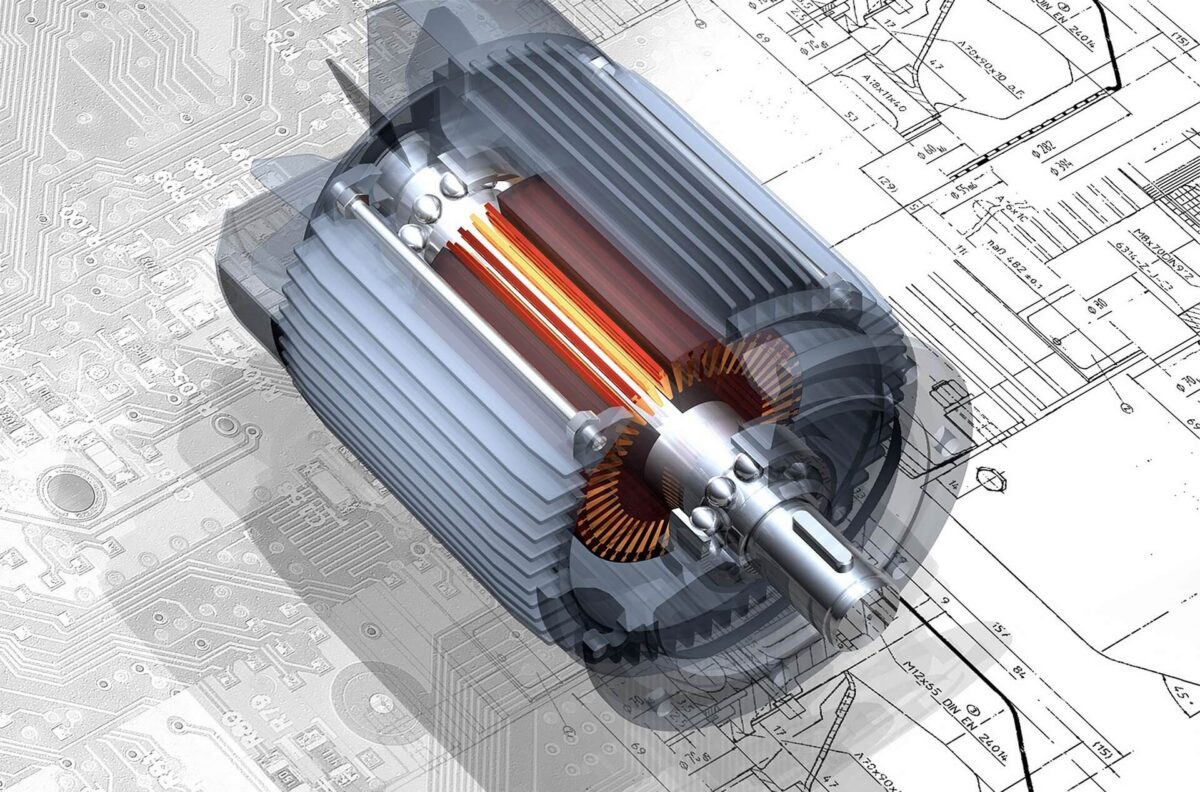
Electric motors contain copper, aluminium, steel, iron, and other metals. Recovering these materials supports metal recycling and reduces industrial waste.
What Metals Are Found Inside Electric Motors?
Understanding what metals are found inside electric motors helps businesses identify valuable materials and improve their waste management practices. Electric motors are widely used in manufacturing equipment, industrial machinery, vehicles and household appliances. Although their designs vary, most contain a combination of ferrous and non-ferrous metals.
Copper, aluminium, steel and iron are among the most common metals in motors. Some specialised designs also contain nickel, chromium and rare earth elements. Each material serves a different purpose, from conducting electricity to providing strength and supporting motor performance.
Recovering valuable metals from old motors allows businesses to reuse important resources rather than sending unwanted equipment for disposal.
1. Copper: The Main Electrical Conductor
Copper is one of the most valuable metals found inside electric motors. It is mainly used in the windings that create magnetic fields and help produce rotational movement.
Manufacturers choose copper because it offers excellent electrical conductivity, durability and good thermal performance. These properties allow electric motors to transfer electrical energy efficiently while managing the heat generated during operation.
The quantity of copper depends on the motor’s size, design and application. Larger industrial motors generally contain more copper than smaller domestic models.
When a motor reaches the end of its working life, its copper windings can be removed and recovered. The material can then be processed and supplied to manufacturers for reuse, reducing the demand for newly mined copper.
2. Aluminium: A Lightweight and Versatile Metal
Aluminium is another common material used in electric motor manufacturing. It is valued for its lightweight properties, corrosion resistance and ability to transfer heat.
Manufacturers commonly use aluminium in motor housings, end covers and certain rotor components. Its relatively low weight makes it useful in applications where reducing equipment weight is important.
Aluminium also helps dissipate heat and maintain suitable operating temperatures. However, not every electric motor contains the same quantity because manufacturers select materials according to performance requirements and production costs.
Recycling aluminium motor components preserves valuable resources and generally requires less energy than producing primary aluminium from raw materials.
4. Steel: Strength and Structural Support
Steel plays an important role in electric motor construction. It provides strength, durability and structural support for internal components.
Electrical steel is particularly important in stator and rotor cores. These components contain thin steel laminations designed to improve magnetic performance and reduce energy losses caused by eddy currents.
Motor shafts, frames and other structural components may also contain different grades of steel. Their composition depends on the motor’s intended application and operating conditions.
Steel is highly recyclable and can be processed into new products. Separating steel components from other materials helps recycling facilities improve the quality of recovered metal.
5. Iron and Cast Iron: Durable Motor Components
Iron and cast iron are widely used in electric motor construction. They provide the strength needed to support internal components and protect equipment during operation.
Cast iron is commonly found in motor frames, housings and end covers. It is particularly useful in larger industrial motors because it offers durability and resistance to mechanical stress.
Iron-based materials are also important in magnetic components. Electrical steel contains a controlled amount of silicon to improve its magnetic properties.
Both iron and cast iron can be recovered through motor recycling. Magnetic separation helps processing facilities separate ferrous materials from non-ferrous metals.
6. Nickel and Other Alloying Metals
Some electric motors contain smaller quantities of nickel and other metals used in specialised components.
Nickel is commonly found in stainless steel and certain corrosion-resistant alloys. Depending on the motor design, it may be present in fasteners, shafts and other components.
Chromium and manganese can also be included in steel alloys to improve strength, hardness and resistance to wear.
These metals are not present in every electric motor. Their quantities are generally smaller than those of copper, aluminium and iron. However, identifying alloy materials is important when sorting and processing industrial motor scrap.
Rare Earth Metals in Modern Electric Motors
Some modern electric motors, particularly permanent magnet motors used in electric vehicles, contain rare earth elements.
Neodymium is an important material in neodymium-iron-boron (NdFeB) magnets. These magnets provide strong magnetic performance in a relatively compact size. Some designs also use dysprosium to improve resistance to high temperatures.
However, not all electric motors contain rare earth magnets. Conventional induction motors generally use different rotor designs and do not require permanent magnets.
Recovering these materials can be more complicated than separating copper or steel. Specialised dismantling and processing methods may be needed to recover the magnets and their valuable elements.
Statistics: Metal Composition of Electric Motors
The quantity of each metal depends on the motor’s power, size, construction and application. Research published in 2025 examined an 80 kW permanent magnet electric vehicle motor with a total material weight of 62.5 kg.
Material | Reported weight |
Steel | 34.8 kg |
Cast iron | 3.0 kg |
Copper | 8.5 kg |
Aluminium | 14.1 kg |
NdFeB magnets | 2.1 kg |
Total | 62.5 kg |
These figures demonstrate how much recoverable material can be present in a single electric vehicle motor. They relate to the specific motor examined and should not be treated as standard figures for all electric motors.
The Global E-waste Monitor 2024 reported that approximately 62 million tonnes of electronic waste were generated worldwide in 2022. Only 22.3% was documented as formally collected and recycled in an environmentally sound manner.
The International Energy Agency also reported that secondary copper supply, including direct-use scrap, accounted for 33% of total copper demand in 2023. These figures highlight the importance of recovering metals from discarded electrical equipment and supporting responsible recycling practices.
Why Is Recovering Valuable Metals from Old Motors Important?
Recovering valuable metals from old motors helps businesses reduce waste and make better use of existing resources.
Copper, aluminium, steel and iron can be separated and returned to manufacturing supply chains. This reduces the need for virgin raw materials and supports more efficient resource management.
Metal recycling also helps businesses recover materials that would otherwise be lost through disposal. The value of recovered metals depends on their purity, quantity, condition and current market prices.
Responsible motor recycling supports the circular economy by allowing recovered materials to become resources for new products. It can also reduce the environmental impact associated with primary metal extraction and processing.
How Are Metals Recovered from Old Electric Motors?
Recovering metals from electric motors involves several stages. The process begins with collecting and inspecting unwanted equipment to identify its condition and material types.
Motors suitable for further use may be repaired or refurbished. Equipment that cannot be reused is dismantled so that valuable components can be separated.
Copper windings are removed from the stator, while aluminium housings, steel cores and iron frames are sorted into their respective material categories.
Recycling facilities may use mechanical processing, magnetic separation and other sorting technologies to separate different metals. The recovered materials are then prepared for further processing and reuse.
Proper separation is important because mixed materials and contamination can affect the quality and value of recovered scrap.
Electric motors contain several valuable metals, including copper, aluminium, steel, iron, nickel and, in some modern designs, rare earth elements. Understanding their composition helps businesses make better decisions about equipment disposal and material recovery.
By choosing responsible motor recycling, businesses can recover valuable resources, reduce industrial waste, and support a more sustainable manufacturing industry.