Brass waste can be collected, sorted, processed, and reused to make new products. This reduces waste and supports the circular economy.
What Is Brass Waste?
Brass waste is unwanted material made from an alloy of copper and zinc. It can come from manufacturing, construction, engineering, plumbing and maintenance work.
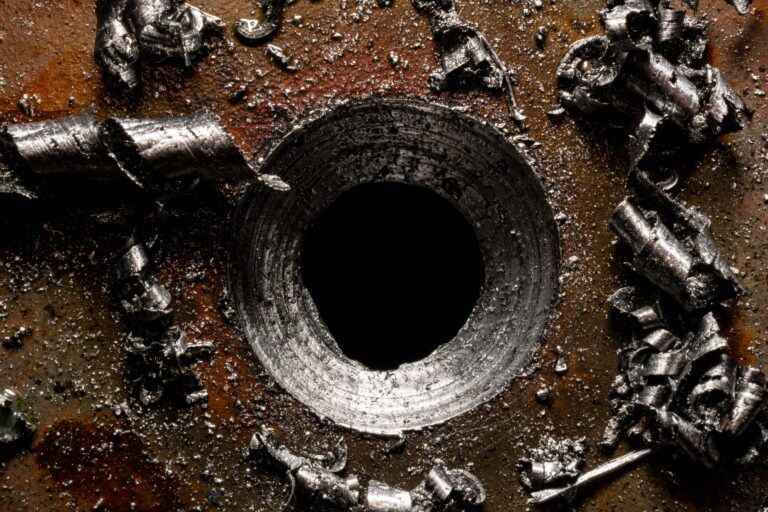
Common examples include brass scrap, offcuts, machining turnings, valves, taps, fittings and other brass components. Old plumbing fixtures can also provide useful material for recovery.
Because brass remains a valuable scrap metal, businesses can send suitable material for recycling instead of disposing of it with general waste.
How Is Brass Waste Recovered and Reused?
The recovery process starts when businesses collect brass separately from other waste. Keeping brass scrap away from general waste helps protect its quality and makes handling easier.
Workers take the collected material to a recycling facility, where they inspect and sort it. You can separate brass from steel, aluminum, plastics, and other materials. Different brass grades can also be separated by composition and intended use.
The next stage is preparation. Large brass components may be cut into smaller pieces, while machining swarf and turnings are handled separately. Unwanted parts and dirt are removed before the material enters the main recycling process.
Prepared brass is then processed as recycled metal feedstock. It can be melted and adjusted to meet the required mix for new manufacturing. This allows recovered material to return to production instead of being lost as waste.
Why Is Sorting Important for Recycling Brass?
Sorting is an important part of brass recycling because different brass alloys may have different compositions and uses. Keeping suitable grades separate helps recyclers produce consistent recycled material.
Clean brass scrap can also be easier to process than mixed or dirty material. Businesses can help recovery by using separate containers for brass waste at the production site.
Good separation also reduces the amount of recyclable material that becomes mixed with general waste.
What Happens to Recovered Brass?
After processing, recovered brass can become raw material for new products. Manufacturers can use recycled brass to produce items such as fittings, valves, rods, hardware and engineered components.
This creates a continuous material cycle. Manufacturers can use recovered metal that has already been processed and used instead of extracting new resources for every product.
The Copper Development Association notes that brass can recycle repeatedly while retaining its chemical and physical properties. This makes brass suitable for continued recovery and reuse.
What Are the Benefits of Brass Recycling?
Brass recycling helps businesses keep valuable material in productive use. It can reduce the quantity of waste sent for disposal while creating a useful source of secondary raw material.
Using recovered brass can also reduce reliance on newly extracted resources. This helps use materials better and supports a circular economy, keeping products in use longer.
Recycling can also help reduce the environmental impact associated with obtaining and processing virgin materials. Depending on the material and recycling route, using recycled metal can help lower energy requirements and greenhouse gas emissions compared with some primary production routes.
Where Does Brass Waste Come From?
Many commercial and industrial activities generate brass waste.
Plumbing companies can produce unwanted taps, valves and fittings during installation and replacement work.
Engineering and manufacturing businesses may generate machining turnings, offcuts and rejected components.
Construction and refurbishment projects can also generate brass fixtures and fittings when upgrading buildings or systems.
Electrical equipment, maintenance work and industrial machinery can provide additional sources of usable brass.
How Can Businesses Improve Brass Waste Recovery?
Businesses can improve recovery by identifying where brass waste is generated and placing suitable containers close to these areas. Staff should know which materials belong in each container and avoid mixing brass with unrelated scrap metal.
Keeping material fairly clean and dry can also make storage and collection easier.
A clear waste management procedure can help businesses track brass waste, improve segregation and arrange regular collections. Working with the right recycling provider can ensure collected material enters a suitable recycling process.
Supporting a Circular Economy Through Brass Recycling
Recovering and reusing brass keeps a valuable material in the supply chain. Instead of treating used fittings, offcuts and components as waste, businesses can return them to the recycling system.
This approach supports the circular economy by extending the useful life of metals and reducing dependence on virgin resources. Effective brass recycling also gives manufacturers a practical source of recycled material for future production.
For businesses that generate brass waste regularly, separating material at source is a simple step toward better resource management.
Brass waste can be recovered through collection, sorting, preparation, and processing. Recovered brass can then return to manufacturing as useful recycled material.
Businesses can help the environment by separating brass scrap, arranging collections, and supporting a circular economy.