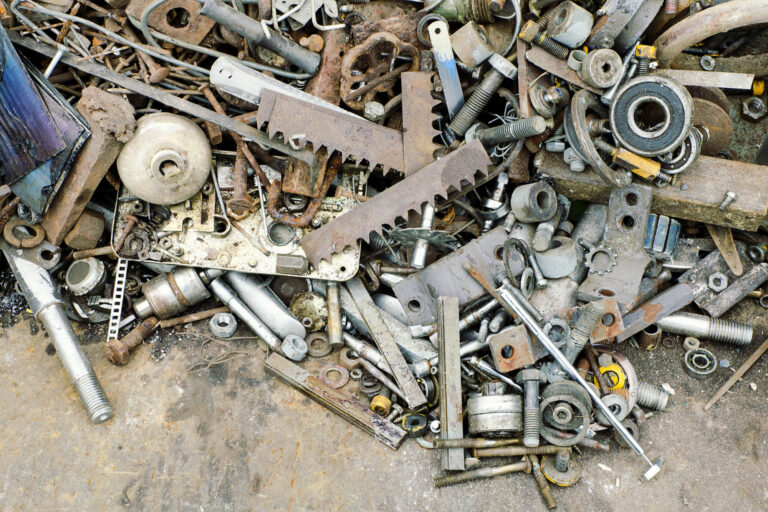
Lead waste is found in many industries, including manufacturing, construction, engineering, automotive, electrical work and battery sites. Common Sources of Lead Waste in Industry include used lead-acid batteries, roofing materials, lead pipes, cable sheathing, solder, contaminated equipment and production offcuts. Spotting these items early helps businesses manage scrap, keep lead-bearing waste apart and send recyclable metals to the right treatment site.
Lead waste often comes from batteries, roofs, pipes, cables, solder, factory work and older building materials. Old batteries are a common source of lead in waste streams. Good identification helps firms manage risk, meet waste rules and recover lead safely.
Where Does Lead Waste Come From?
Lead has been used for many years because it is heavy, durable, easy to shape and resistant to rust. Although its use has fallen in some products, lead is still found in batteries, cable protection, radiation shielding, solder and specialist industrial products.
Businesses can find lead waste when they make products, service equipment, replace plant or take apart older assets. The source of lead exposure can also change with the material and the job.
For example, clean lead sheet can often be set aside for metal recovery, while batteries and lead contaminated materials may need tighter control. Businesses should identify waste before collection and decide on the right type and handling steps.
Common Sources of Lead Waste in Industry
Lead-Acid Batteries
Lead-acid batteries are a common source of lead waste in industrial and commercial sites. They are used in vehicles, forklifts, backup power systems, telecoms equipment and other uses that need stored power.
When batteries reach the end of their working life, their lead can be reclaimed, while plastics and electrolyte are also handled through the right route. Workshops, warehouses, vehicle fleets and industrial sites can therefore build up large numbers of spent batteries.
Batteries should not always be treated as ordinary scrap metal. Businesses should check the right class and handling rules and use a suitable recycling route. In England, the Environment Agency lists lead-acid batteries under relevant hazardous waste classes.
Lead Roofing and Flashing
Construction and maintenance work can create lead waste when roofing materials are removed or replaced. Lead sheets and flashing can be found on older and traditional buildings and may be seen during roof repair, refurbishment and demolition.
Roofing contractors can produce both clean lead offcuts and older weathered materials. Keeping these materials separate from general construction waste can improve recovery and cut needless contamination.
Older roofing materials can also create work-related concerns when workers are exposed to lead dust during cutting, removal or other tasks. Suitable controls can help reduce lead exposure during these jobs.
Lead Pipes and Plumbing Materials
Older buildings and infrastructure can contain lead pipes, fittings and plumbing parts. Replacement work may therefore create lead waste when water systems are upgraded or damaged sections are removed.
Lead solder may also be found in older plumbing. Plumbing contractors should identify lead-containing materials before removal and stop them being mixed with ordinary metal or construction waste.
The risks linked with lead pipes depend on the job and the condition of the material. Cutting, heating or disturbing lead-containing parts can create dust or fumes, so safe working controls are important.
Lead Cable Sheathing
Lead has long been used as protective sheathing around some electrical and telecoms cables. Although other cable materials are now widely used, older networks and industrial sites may still contain lead-sheathed cable.
Cable replacement, infrastructure upgrades and demolition can therefore produce lead-bearing waste. Depending on the cable build, both the lead and other useful materials may be recovered.
Separating cable from general waste makes downstream processing more efficient and can help businesses find material with recycling value.
Solder and Manufacturing Offcuts
Manufacturing and engineering work can create lead waste through soldering, casting, fabrication and other production tasks. Lead-containing solder may be found in older electrical assemblies and specialist uses, while metalwork can produce offcuts, trimmings and rejected parts.
Clean lead-bearing production waste can have useful recovery value when it is collected apart. A clear scrap management system can help businesses stop these materials from being mixed with general waste.
Where manufacturing work creates lead dust, fumes or vapour, businesses should use the right controls. Workers who are exposed to lead at work should follow safety steps that help limit further exposures to lead.
Lead Alloys and Industrial Components
Lead is used in some specialist alloys and industrial components because of its physical properties. Manufacturing, maintenance and equipment replacement can therefore create waste containing lead alloys.
This may include cast parts, counterweights, shielding materials and other specialist products. The material mix is important because lead alloys can contain other metals that affect class and processing.
Businesses should identify the material before recycling and avoid mixing unknown lead-bearing parts with unrelated scrap where this could affect handling or recovery.
Lead from Construction and Demolition
Construction and demolition projects can uncover several forms of old lead waste at the same site. Along with roofing and pipes, projects may find lead-based paint, flashing, solder, cable materials and other lead-containing products.
Renovation work can be especially important because older buildings may still hold materials fitted many years ago. Removing or disturbing these materials can create lead dust and lead-contaminated debris.
The Environment Agency requires businesses in England to class waste before it is collected, disposed of or recovered. Correct classing helps decide whether waste is hazardous and which controls apply.
Lead from Electrical and Electronic Equipment
Older electrical and electronic equipment can contain lead-bearing parts or solder. Businesses replacing older equipment may therefore create lead-containing WEEE alongside plastics, circuit boards, steel, aluminium and other materials.
WEEE should go through the right recycling route rather than being placed in general metal waste. Some electrical and electronic equipment can contain hazardous substances, so correct classing and segregation are important.
Businesses should assess equipment before disposal or recycling and use suitable waste handling for the materials involved.
Lead Paint and Contaminated Materials
Lead-based paint is another source of lead waste, especially during refurbishment, maintenance and demolition of older buildings. Removing old coatings can create paint flakes, dust and lead contaminated debris.
Materials affected by lead-based paint may need review before they are sent for recycling or disposal. Mixing contaminated materials with clean recyclable metal can cut recovery chances and create extra handling problems.
The Health and Safety Executive highlights work involving old lead paint and other lead-containing materials as a possible source of workplace exposure. Businesses should therefore use suitable controls when workers could be exposed to lead.
Why Correct Lead Waste Identification Matters
Correct identification helps businesses protect workers, meet waste management rules and make the most of material recovery. Lead can be a valuable recyclable metal, but it needs to be handled through the right process.
Health issues due to lead can be serious when workers have repeated exposures to lead. Workplace jobs that create lead dust, fumes or contaminated materials therefore need proper controls.
Lead poisoning is linked to high levels of lead in the body, so prevention and good workplace management matter. Businesses should understand where lead may occur and take practical steps towards reducing lead exposure.
Classification is also important because some lead waste is hazardous. Businesses in England should class waste before collection, disposal or recovery and check the rules that apply in Scotland, Wales or Northern Ireland.
How Businesses Can Manage Lead Waste
Good lead waste management starts with finding where lead-containing materials are created. Businesses should know whether batteries, lead pipes, cable, solder, roofing, production offcuts or contaminated materials are present on site.
Suitable containers can then be used to keep compatible materials apart. Storage areas should be secure, clearly marked and right for the type of waste being kept.
Staff should understand the risks linked to lead and know how to prevent needless exposure. Where work can create lead dust or other exposures, businesses should apply suitable workplace controls.
Using a specialist recycling service can also help businesses arrange collection, records and material recovery. MetalCycle provides a professional lead recycling service for businesses that need a responsible route for lead-bearing scrap.
Lead Waste Recycling and Resource Recovery
Lead recycling lets valuable material return to productive use rather than being lost through disposal. Depending on the waste stream, treatment may involve sorting, dismantling, processing and metal recovery.
Lead-acid batteries, for example, can contain lead and plastic parts that can be separated through the right treatment. Other lead-bearing materials can also be processed based on their make-up and condition.
Recycling supports resource conservation because recovered lead can reduce the need for newly mined raw materials. However, the right recycling route depends on the type of waste, its condition and whether it contains other hazardous or contaminated materials.
The Environment Agency guides facilities that treat or transfer waste batteries, including the right steps for waste acceptance, storage, handling and treatment. Businesses should check current guidance before arranging specialist battery waste management.
Regular waste reviews can also help businesses find where lead waste is created. A waste audit may reveal batteries, metal offcuts, cables, old parts or contaminated materials that could be separated more effectively.
Clear labels, suitable storage and staff training can reduce the chance of lead waste entering general waste or mixing with other materials during collection.
Common sources of lead waste in industry are lead-acid batteries, roofing, lead pipes, solder, and electrical equipment.
These waste streams can appear across construction, manufacturing, engineering, automotive, electrical and maintenance work. Identifying lead waste where it is created makes it easier to separate materials, manage risk and improve recycling results.
Businesses should class waste correctly, use suitable storage and choose the right recycling route. Good scrap management can help recover valuable lead while reducing the amount sent for disposal.