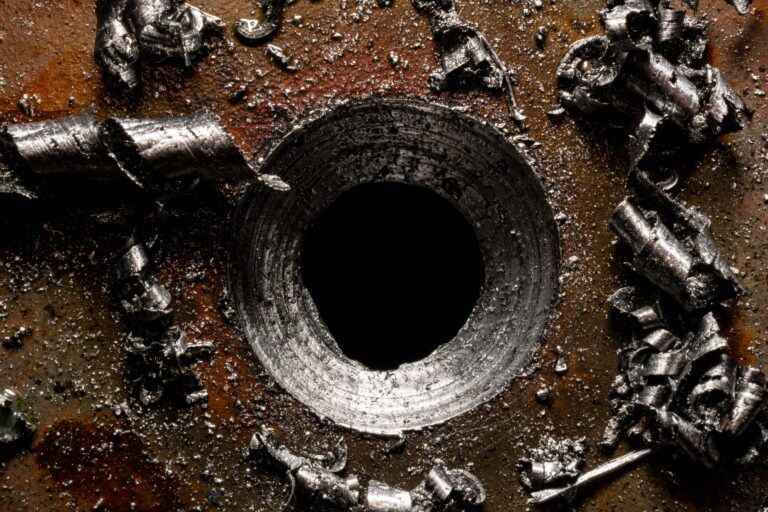
Businesses across manufacturing, construction, engineering, and fabrication can create aluminium offcuts, swarf, sheets, profiles, and damaged components. Reducing this waste can improve material efficiency, recover valuable metal, and support a circular economy that depends on reuse and recovery.
Businesses can reduce aluminium waste through better purchasing, reuse, sorting, storage, and recycling, although each stage works best when the process is managed as one system rather than as a set of isolated tasks.
How Can Businesses Reduce Aluminium Waste at Source?
Preventing waste before it is created is usually the most effective way to improve aluminium use, because the design, buying, cutting, and processing stages largely determine how much scrap is produced. Businesses should review those steps together rather than treating them as separate issues.
Ordering suitable material sizes can reduce offcuts that would otherwise be discarded. Design and production teams can also review cutting plans to make better use of sheets, plates, and profiles, which can improve yield and reduce the need for further processing.
Computer-aided design and cutting software can help firms calculate material requirements more accurately. That can reduce avoidable waste, improve production efficiency, and support tighter control over stock.
Businesses should also monitor damaged stock, since poor storage or handling can leave aluminium unsuitable for its intended use. If materials are protected correctly, much of that waste can be prevented before it becomes a loss.
Reuse Aluminium Offcuts Where Possible
Clean aluminium offcuts can often be reused for smaller jobs, prototypes, repairs, or other suitable applications. A dedicated storage area makes reusable material easier to identify, sort, and retrieve when it is needed.
Businesses can separate offcuts by size, grade, or type where practical. Clear labelling allows employees to check existing materials before ordering new stock, which can reduce both cost and waste.
Reusing suitable aluminium keeps material in use for longer and reduces demand for new resources. When internal reuse is not possible, suitable material may still be directed to another appropriate use or sent through a recycling route.
Improve Aluminium Scrap Separation
Effective segregation is a key part of aluminium waste management. Aluminium should be kept separate from general waste and, where practical, from other metals and contaminants.
Clean aluminium is easier to identify and process when it has not been mixed with plastic, wood, soil, or other waste. Separating different grades can also help maintain material quality and make later processing more reliable.
The UK Government’s recycling assessment methodology includes aluminium among recyclable materials and guides collection, sorting, and reprocessing. That kind of framework supports more consistent recovery and helps businesses treat aluminium as a recoverable asset rather than as disposable waste.
Store Aluminium Waste Correctly
Once aluminium waste is produced, businesses should store it safely and apart from general waste. Clearly labelled containers and designated scrap areas can make segregation easier and reduce the chance of mixing materials by mistake.
Good storage also helps prevent dirt. Aluminium should be protected from needless contact with other waste so that it can stay suitable for recycling.
For businesses in England, GOV.UK guidance says commercial waste producers should keep waste to a minimum by preventing, reusing, recycling, or recovering it in that order. Businesses must also sort and store waste safely and securely, which makes compliance easier and supports better waste control.
Train Employees to Reduce Aluminium Waste
Employees have an important role in preventing aluminium waste. Simple workplace guidance can explain which materials should be reused, separated, and recycled, and why those steps matter in day-to-day operations.
Clear signs near production areas and storage points can remind staff where aluminium scrap should go. Teams should also be encouraged to report repeated problems such as cutting errors, damaged stock, or unnecessary material use, because those issues often point to a wider process failure.
Measure Aluminium Waste Regularly
Measuring aluminium waste helps businesses see where material is being lost. Companies can record the amount of aluminium bought, used in finished products, and collected as scrap, then compare those figures over time.
Comparing the numbers can show changes in production efficiency and reveal where better purchasing, cutting, storage, or handling may reduce waste. Regular monitoring creates a clearer picture of aluminium use and helps businesses spot practical ways to improve.
Choose Professional Aluminium Recycling
When aluminium cannot be reused, recycling gives businesses a way to recover the material. Professional recycling services can collect suitable business aluminium scrap and send it through the right processing routes.
Recycling allows valuable metal to remain in circulation instead of being needlessly disposed of. Recovered aluminium can become recycled aluminium for use in new products and manufacturing processes, which supports both resource efficiency and wider recovery goals.
Why Reducing Aluminium Waste Matters
Reducing aluminium waste can improve material efficiency and help businesses make better use of resources. Aluminium scrap also holds material value, so segregation and recycling are key parts of responsible waste management rather than optional extras.
Using recycled aluminium can reduce reliance on newly extracted raw materials. Keeping aluminium in productive use also supports the circular economy, where materials are recovered and reused rather than treated as disposable.
The waste hierarchy places prevention, reuse, and recycling above recovery and disposal. Businesses can therefore look for ways to prevent aluminium waste first, reuse suitable material next, and recycle remaining scrap.
Build a Practical Aluminium Waste Plan
A practical aluminium waste plan should cover purchasing, production, reuse, storage, and recycling. Businesses can review how much aluminium they buy, identify common sources of waste, and improve the way scrap is separated.
Employees must understand how to handle reusable material and know where to store different types of aluminium scrap. Regular reviews can then show further opportunities to reduce waste and make the system more consistent.
We do not limit reducing aluminum waste to recycling alone. By preventing unnecessary waste, reusing suitable offcuts, improving segregation, and recycling remaining scrap, businesses can use aluminium more efficiently and keep valuable materials within the circular economy.