Industrial aluminium waste can be reused through direct recovery, sorting, remelting and recycling. Offcuts, swarf and unwanted aluminium products can become valuable secondary material instead of going to disposal.
What Is Industrial Aluminium Waste?
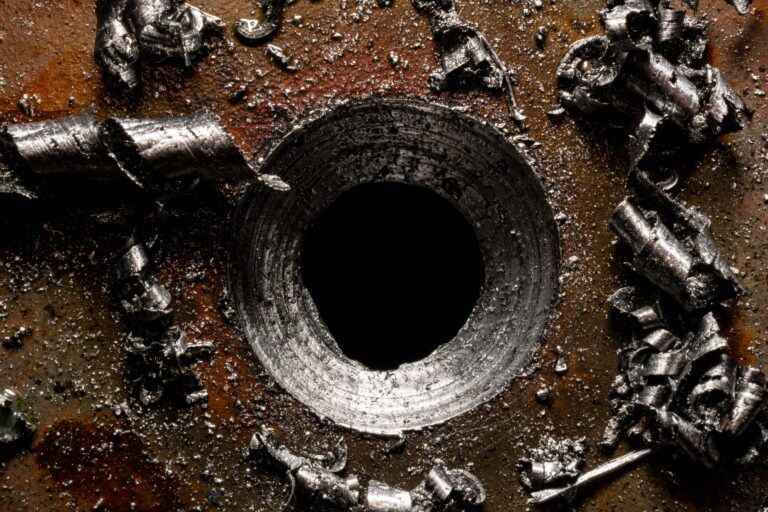
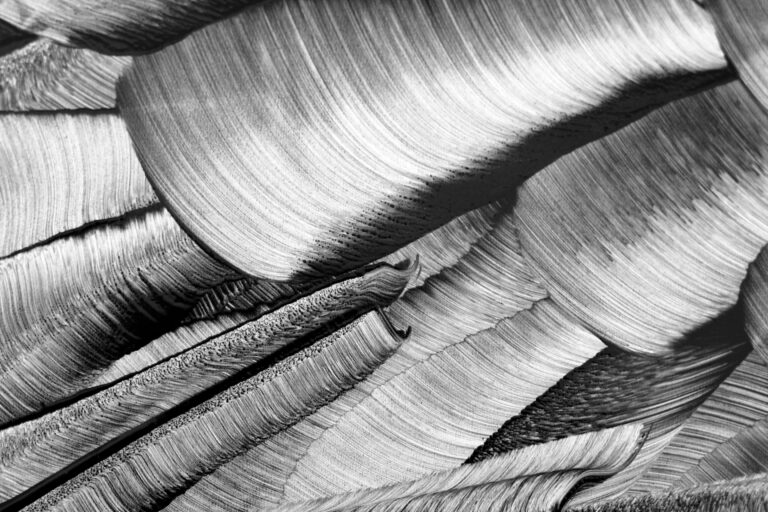
Industrial aluminium waste is material generated during manufacturing, engineering, fabrication, construction and other commercial activities. Common examples include aluminium offcuts, sheets, profiles, machining swarf, damaged components and fabrication remnants.
The type and condition of aluminium affect how it can be recovered. Clean scrap is generally easier to process, while material contaminated with oils, coatings, plastics or other metals may require additional treatment.
Aluminium is widely used because it is lightweight, durable and resistant to corrosion. These properties also make recovered aluminium a valuable material for further production.
How Can Industrial Aluminium Waste Be Reused?
Suitable material can be used again directly or sent through a recycling process to produce secondary aluminium. The most appropriate option depends on the condition, quantity and composition of the waste.
Clean offcuts may sometimes be returned to manufacturing without being melted. They can be cut, reshaped or incorporated into another production process. Direct reuse can help retain the material’s existing value while avoiding additional processing.
When direct reuse is not practical, recycling aluminium provides an effective recovery route. Scrap can be collected, sorted, prepared and processed before being melted and converted into new aluminium products.
Reusing Aluminium Manufacturing Offcuts
Aluminium manufacturing offcuts are an important source of recyclable material. Fabrication and engineering businesses can generate leftover sections when cutting sheets, profiles and other aluminium components.
Clean offcuts should be kept separate from general waste. Where practical, businesses can reuse suitable pieces within their own operations. Material that cannot be reused can be collected as aluminium scrap for recycling.
Keeping aluminium separate also reduces contamination. This can make subsequent processing more efficient and help maintain the quality of recovered material.
The Aluminium Recycling Process
The recycling process normally begins with collection and sorting. Aluminium scrap is separated from other waste and may then be graded according to its type, alloy and condition.
After sorting, the material can be prepared for processing. This may involve removing unwanted materials, reducing the size of scrap and dealing with contamination.
The prepared aluminium is then melted in a suitable furnace. During this stage, impurities can be removed before the molten metal is cast into a form suitable for manufacturing.
The resulting recycled aluminium can become feedstock for new products. This creates a continuous material cycle in which aluminium remains useful instead of being treated as waste.
Recycling Aluminium and the Circular Economy
Recycling aluminium supports the circular economy by keeping existing materials in productive use. Instead of relying entirely on newly extracted raw materials, manufacturers can incorporate recovered aluminium into new production.
Recycling can also require substantially less energy than producing primary aluminium from raw materials. UK recycling guidance commonly highlights significant energy savings from recovering aluminium.
This makes aluminium recycling relevant to businesses looking to reduce waste while improving resource efficiency.
Why Should Businesses Recover Aluminium Waste?
Recovering aluminium waste can help businesses make better use of materials generated during production. Scrap that enters a general waste stream may lose its recovery potential, while correctly segregated aluminium can be directed towards reuse or recycling.
Aluminium scrap can also have commercial value. Its value depends on factors including alloy, cleanliness, quantity, contamination and prevailing market conditions.
A consistent collection system can make aluminium recovery easier. Clearly identified containers and suitable storage areas can help employees separate aluminium at the point where waste is generated.
Preparing Industrial Aluminium Waste for Recycling
Good preparation starts with segregation. Aluminium should be kept away from general waste and unnecessary contaminants wherever possible.
Different aluminium grades may need to be separated depending on the requirements of the recycling facility. Businesses producing aluminium swarf should also consider the presence of cutting fluids, oils or other residues.
Suitable storage can help prevent contamination and make collections more efficient. A professional recycling provider can advise on the appropriate handling and collection arrangements for different types of aluminium waste.
Reducing Industrial Waste Through Aluminium Recovery
Reusing and recycling aluminium provides an alternative to disposal. Businesses can first identify whether suitable material can be reused directly. Remaining scrap can then enter an appropriate recycling route.
This approach supports better material efficiency and helps keep aluminium within the manufacturing cycle. It can also reduce the volume of industrial waste requiring disposal.
For companies producing regular quantities of aluminium scrap, an organised recovery programme can provide a reliable route for managing valuable material.
Industrial aluminium waste can be reused through direct manufacturing applications or recovered through recycling. Offcuts, machining waste, scrap components and other aluminium materials can all have further value when properly separated and processed.
By improving segregation and using an appropriate recycling process, businesses can recover aluminium as a secondary raw material. This reduces avoidable waste and supports a more circular approach to industrial production.