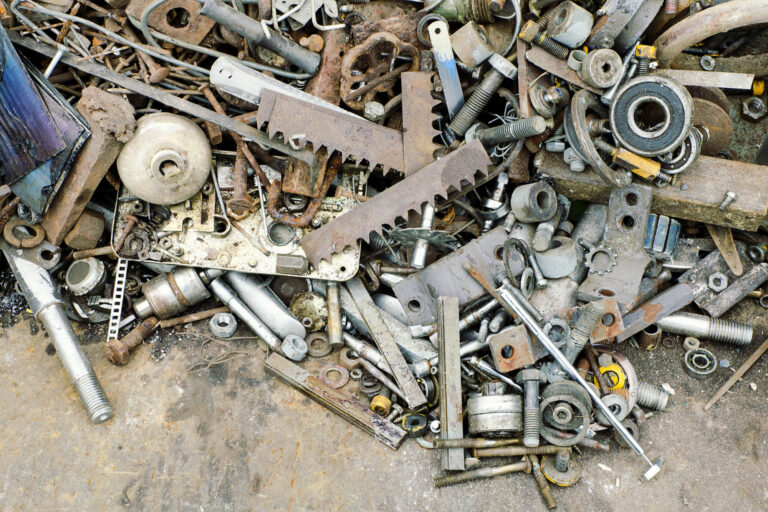
Magnesium scrap is inspected, sorted, and prepared for suitable recycling. Proper handling helps recover valuable metal, reduce waste, and support a circular economy.
What Happens to Magnesium Scrap After Collection?
Magnesium Scrap After Collection goes through several stages before it can be reused. These usually include inspection, sorting, preparation, and metal recovery. The exact process depends on the scrap’s condition, composition, and physical form.
Businesses generate magnesium waste through manufacturing, machining, engineering and component production. Common examples include metal offcuts, rejected components, turnings and swarf.
Recovering this material helps businesses retain valuable resources instead of sending recyclable metal for disposal. However, magnesium requires careful handling because fine particles can present a fire risk under certain conditions.
Understanding the recycling process helps businesses manage magnesium waste responsibly and choose an appropriate recovery service.
Inspecting Magnesium Scrap
The first stage of magnesium recycling is assessing the collected material. Recycling operators examine the scrap to identify its form, condition and potential contaminants.
Solid offcuts, cast components and machining swarf may require different handling methods. The material may also contain coatings, oils, moisture or other metals that affect its suitability for recovery.
Correct identification is important because magnesium alloys contain different proportions of other elements. These differences can influence the recycling process and the quality of the recovered metal.
The inspection stage helps determine whether the scrap can enter a suitable recycling route or requires additional treatment. It also allows operators to identify materials that need special precautions before processing.
Sorting and Separating Magnesium Waste
After inspection, the magnesium scrap is separated according to its composition, condition, and physical form. Keeping different metals apart helps reduce contamination and improves the quality of the material sent for recovery.
For example, magnesium mixed with aluminium, steel or copper may require further separation. Different magnesium alloys may also need to be kept apart when their compositions are unsuitable for the same recycling process.
Businesses can support this stage by separating magnesium waste where it is produced. Clearly labelled containers and suitable storage areas help prevent different materials from becoming mixed.
Effective sorting makes recycling magnesium more efficient because operators can identify the material and select an appropriate processing method.
Preparing Magnesium Scrap for Recycling
Once sorted, the scrap is prepared for processing. Depending on the material, this may involve removing unsuitable attachments, separating contaminants or organising the scrap into suitable batches.
Some solid pieces may require size reduction before processing. However, this is not appropriate for every type of magnesium waste and must only be carried out under suitable controls.
Magnesium swarf and fine turnings require particular attention. Their increased surface area can make them more reactive than solid pieces, creating additional fire risks during storage and handling.
Recycling facilities must use appropriate procedures for the specific material they receive. Businesses should also follow their waste provider’s instructions for segregation, packaging and storage.
Proper preparation helps protect workers, maintain material quality, and support effective recovery.
Recovering Magnesium Through Recycling
After preparation, suitable magnesium scrap enters a recovery process. For many solid scrap streams, this may involve controlled melting and refining to recover usable metal.
The process must account for magnesium’s reactivity and the presence of impurities. Suitable controls help reduce oxidation and manage the risks associated with handling molten metal.
Not every scrap stream can follow the same route. Contaminated materials, mixed alloys and fine machining waste may require specialist assessment or alternative treatment before recovery.
The objective is to produce recovered magnesium that meets the composition and quality requirements of its intended use. Quality checks may be necessary before the material can return to manufacturing.
Successful magnesium recycling reduces the loss of valuable metal and helps businesses make better use of existing resources.
How Recycled Magnesium Is Reused
Recovered magnesium can be used in manufacturing when its quality and composition meet the required specifications.
Magnesium alloys are valued for their low weight and useful mechanical properties. They are used in automotive components, aerospace applications, electronics and various engineered products.
Depending on its grade and quality, recycled magnesium may become part of new components or other metal products. However, recovered material is not automatically suitable for every application. Manufacturers must ensure that it meets the relevant technical requirements.
Reusing recovered magnesium helps keep valuable materials in circulation. It can also reduce reliance on primary raw materials, depending on the application and the availability of suitable recycled feedstock.
Environmental Benefits of Magnesium Recycling
Magnesium recycling supports resource conservation by recovering metal that might otherwise be discarded. It can reduce demand for newly produced material and help businesses manage industrial waste more efficiently.
The environmental benefits depend on the scrap quality, processing requirements, energy use and recovery method. Recycling is not impact-free, but recovering suitable material can help reduce resource losses across manufacturing supply chains.
For businesses, effective scrap management also supports waste reduction objectives and the principles of a circular economy. Separating magnesium at the source can improve recovery opportunities and reduce contamination.
Companies should ensure that their waste is correctly classified and transferred through appropriate arrangements. The GOV.UK guidance on waste classification explains how businesses can identify waste and understand their responsibilities.
How Businesses Can Improve Magnesium Scrap Recovery
Businesses can improve recovery by identifying the magnesium waste they produce and keeping it separate from other materials. Accurate labelling and suitable storage help preserve the scrap’s quality before collection.
Staff should understand the risks associated with magnesium, particularly fine swarf and turnings. Site procedures should cover safe storage, handling and the prevention of ignition.
Recording the quantity and type of scrap generated can also help businesses identify opportunities to reduce waste and improve collection arrangements.
Choosing an appropriate recycling provider is equally important. Businesses should confirm that the provider can accept their specific material and manage it through a suitable recovery route.
Magnesium recycling services provide a relevant starting point for businesses looking to discuss their magnesium scrap and recovery requirements.
Magnesium scrap after collection can become a valuable resource when it is correctly identified, sorted, prepared, and processed. Suitable recycling helps recover metal, reduce waste, and support a circular economy.
Businesses can improve recovery by separating magnesium waste, following safe handling procedures, and arranging collection with an appropriate recycling provider.