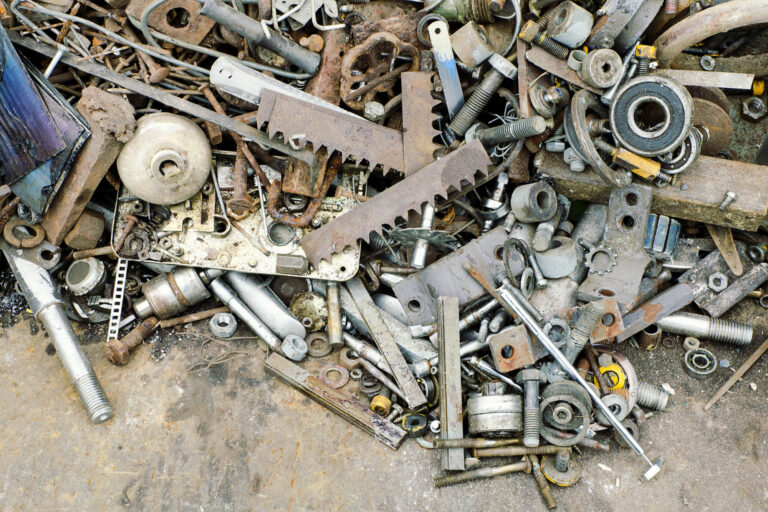
Businesses across the UK generate magnesium waste through manufacturing, engineering, machining, and metal fabrication. Understanding what types of magnesium waste businesses can recycle helps companies recover valuable materials, reduce disposal, and manage industrial waste more effectively. Common recyclable materials include magnesium offcuts, alloy scrap, machining residues, rejected castings and end-of-life components. The best recycling route depends on material composition, contamination, and safe-handling requirements.
Magnesium waste includes offcuts, swarf, alloy scrap, castings and unwanted components. Correct identification, segregation and specialist handling help businesses assess recycling options.
What Types of Magnesium Waste Can Businesses Recycle?
Magnesium is a lightweight metal used in automotive manufacturing, aerospace engineering, electronics and machinery. Production and maintenance activities can generate different forms of magnesium scrap, many of which may be suitable for specialist recovery.
Magnesium Machining Swarf and Turnings
Machining operations such as drilling, milling and turning remove excess metal to produce finished components. These processes generate magnesium swarf, chips and turnings that may be suitable for recycling.
However, machining residues can contain oils, lubricants and other contaminants. Fine magnesium particles also require particular care because they can present a fire risk. Businesses should keep these materials separate and obtain specialist advice about suitable storage, packaging and collection arrangements before moving them.
Magnesium Offcuts and Fabrication Scrap
Cutting and shaping magnesium stock can leave offcuts, trimmings and unused sections. These materials are common in fabrication workshops and industrial manufacturing facilities.
Clean, identifiable offcuts are easier to assess for recycling because their composition is often known. Keeping them separate from steel, aluminium and general waste helps maintain material quality and makes recovery more straightforward.
Magnesium Alloy Scrap
Magnesium alloys combine magnesium with other elements, such as aluminium, zinc or manganese, to achieve specific properties. They are used in components where strength and low weight are important.
Alloy scrap can come from manufacturing leftovers, rejected products and unused materials. Businesses should identify the grade where possible because different alloys may require separate processing routes. Providing material specifications helps a recycling specialist assess the most appropriate recovery option.
Rejected Magnesium Castings
Casting processes produce shaped metal components for vehicles, machinery and industrial equipment. Defective castings, unwanted runners and rejected parts can become recyclable magnesium waste.
These items may retain recovery value when their composition is known and contamination is limited. Businesses should identify attached materials, coatings and inserts that could affect processing. Keeping rejected castings separate from mixed waste can simplify inspection and improve material traceability.
End-of-Life Magnesium Components
Magnesium components can reach the end of their useful life when machinery is replaced, equipment is dismantled or products are refurbished. Examples include suitable housings, brackets and lightweight structural components.
Some parts contain plastics, steel fasteners, coatings or electrical components alongside magnesium. A specialist assessment can establish whether the magnesium can be separated and recovered. Businesses should avoid assuming that complete mixed assemblies are suitable for direct metal recycling.
Production Rejects and Unused Magnesium Materials
Manufacturing facilities may generate unfinished components, incorrectly machined parts and unused magnesium stock. These materials can be suitable for recycling if their composition and condition are established.
Separating production rejects from general waste helps businesses keep useful metal in circulation. Recording the material grade and source can also make future waste management more efficient.
How Should Businesses Prepare Magnesium Waste for Recycling?
Effective recycling magnesium begins with identifying the waste streams generated by each process. Businesses should record the material type, approximate quantity, known alloy grade and any contamination.
Keep different metals separate and use suitable storage arrangements recommended by a competent specialist. Magnesium swarf and fine particles need particular attention because their physical condition can affect fire risk. Do not assume that ordinary scrap storage procedures are appropriate or introduce water or other substances without specialist advice.
Businesses should also identify oils, coatings, plastics and attached components that could affect recovery. Sharing accurate information with a recycling provider helps determine suitable handling and processing arrangements.
For relevant safety information, consult the Health and Safety Executive and review applicable Environment Agency waste guidance. Requirements depend on the activity, material and location, so businesses should check the rules that apply to their operations.
Why Is Recycling Magnesium Important?
Recycling suitable magnesium waste helps businesses recover valuable materials and reduce the amount sent for disposal. It also supports more efficient resource use and the principles of a circular economy.
Segregating scrap at the point of production can reduce contamination and make material identification easier. Reviewing the waste generated during machining and fabrication may also reveal opportunities to reduce offcuts and improve manufacturing efficiency.
The value of magnesium scrap depends on its grade, quantity, condition, contamination, and current market demand. Not every magnesium-containing product will be suitable for the same recycling process, so professional assessment is important.
Businesses generating other metal waste can also explore MetalCycle’s aluminium recycling, nickel recycling and titanium recycling services.
Arrange Magnesium Recycling with MetalCycle
MetalCycle supports businesses managing recyclable metal waste. Identifying magnesium offcuts, machining residues, alloy scrap and rejected components helps establish which materials may be suitable for recovery.
When enquiring about collection, provide details of the waste type, estimated quantity, material grade and condition. Explain whether the scrap consists of solid pieces, castings or fine machining residues so that handling requirements can be assessed.
Businesses can visit MetalCycle’s magnesium recycling service to explore suitable options for managing magnesium scrap.
Correct identification, safe segregation, and appropriate recovery arrangements help businesses manage magnesium waste responsibly while keeping valuable materials in circulation.