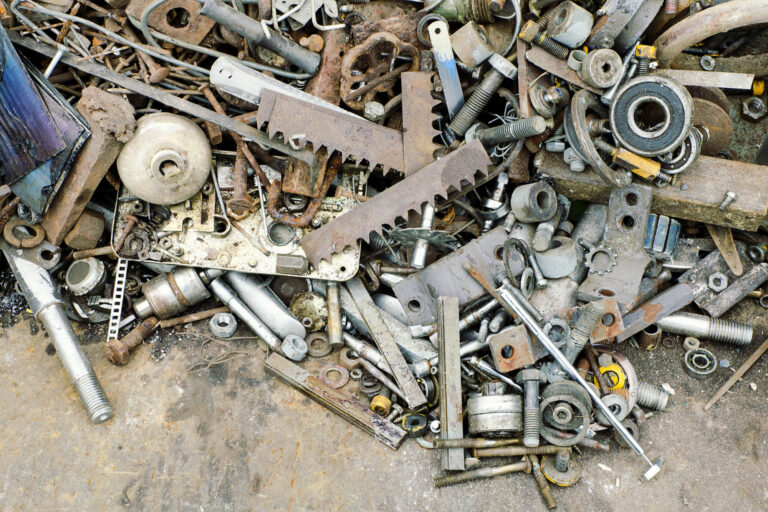
Manufacturing creates lead waste when factories use lead, lead alloys, lead compounds, coatings, batteries, solder, and other lead-bearing materials. Knowing where this waste comes from can help businesses sort waste better, support lead recycling, and cut avoidable disposal. It also helps them manage raw materials and lower losses.
Manufacturing can create lead waste during machining, casting, soldering, coating, assembly, and maintenance. Offcuts, residues, rejected products, and tainted materials may all contain lead.
Main ways lead waste is created
Manufacturing sites can make lead waste at many stages. The amount and type depend on the product, the raw materials used, and the process.
Machining and fabrication can create lead offcuts, swarf, and small fragments when lead or lead alloys are cut, drilled, or shaped. These materials may still have usable metal value, so separation helps recovery and recycling.
Casting and forming can also make extra material. Sprues, runners, rejected castings, and trim residues may contain lead alloys. Changes in production needs or quality checks can leave material fit for use.
Soldering is another source of lead waste. Electrical and electronic manufacturing may create solder residues, rejected assemblies, and tainted materials where leaded solder is used. Businesses should identify these waste streams and manage them by type.
Processes that use lead coatings, paints, or compounds can create tainted dust, residues, filters, and protective materials. These items need careful handling because lead can harm people and the environment.
Common manufacturing sources of lead waste
Lead waste can arise in many industrial operations.
Battery manufacturing and part production can create lead-bearing residues, rejected parts, and process waste.
Engineering firms may make lead scrap when producing specialist parts, weights, seals, and other products.
Electrical and electronics manufacturing can create solder waste and lead-bearing components.
Cable production may create lead-bearing sheath offcuts, while specialist processes may use lead alloys for their physical and performance traits.
Maintenance work can also create extra lead waste. Replacing old equipment, cleaning production areas, or removing lead-bearing parts may produce waste that should stay separate from general waste.
Lead waste from offcuts and rejected products
Manufacturing creates lead waste through normal production and through damaged or unwanted products. Offcuts, trims, and machining residues can build up when materials are shaped or processed.
Rejected products may become waste when they fail checks, are damaged, or are replaced by an updated design. If these products contain lead, businesses should not mix them with other waste.
Keeping lead-bearing materials separate can make lead recycling more efficient and reduce the risk of mix-ups. It can also help businesses see how much lead waste their production creates.
Lead dust, residues, and process waste
Some manufacturing work can create fine lead dust, fumes, or residues. Cutting, grinding, melting, and similar work can release lead-containing particles. The Health and Safety Executive says that lead smelting, refining, alloying, casting, and some manufacturing work can expose people to lead dust, fume, or vapour.
Businesses should use the right workplace controls and follow health and safety steps. Ventilation, cleaning, and suitable protective measures can help limit exposure and stop tainted material from spreading.
Used filters, cleaning materials, and tainted protective equipment should also be checked before disposal. Where lead is present, the item may need a specialist waste route.
How businesses can reduce lead waste
Reducing lead waste starts with knowing where it comes from. Businesses can review raw material buying, production settings, cutting patterns, and quality checks to find waste they can avoid.
Production planning can cut extra material by matching output to demand and reviewing repeated defects.
Tracking processes that often create offcuts or residues can show ways to improve efficiency.
Separate storage is important for lead-bearing waste.
Materials should not be mixed with other waste if that could change their type, handling, or recovery.
The Environment Agency says businesses must classify waste before it is collected, disposed of, or recovered and use the right waste codes.
Lead recycling and resource recovery
Suitable manufacturing waste can often be sent for specialist lead recycling. Recovering lead can return a valuable material to use and reduce the amount of waste sent for disposal.
A specialist recycling service can assess different lead-bearing waste streams and choose the right recovery route. Businesses should give clear details about the material, its source, and any impurities so the recycler can handle it correctly.
For businesses in England, hazardous waste producers and holders have extra duties. GOV.UK guidance says hazardous waste must be classified, separated, and stored safely, then collected, recycled, or disposed of by authorised businesses.
Managing lead waste responsibly
Knowing how manufacturing creates lead waste helps businesses spot waste sources and improve management. Machining offcuts, casting residues, solder waste, rejected products, and tainted materials can all form part of a manufacturing waste stream.
Businesses should identify lead-bearing materials early, keep suitable waste streams separate, and arrange the right recycling or disposal. Good lead recycling can support resource recovery while helping businesses manage lead waste responsibly.