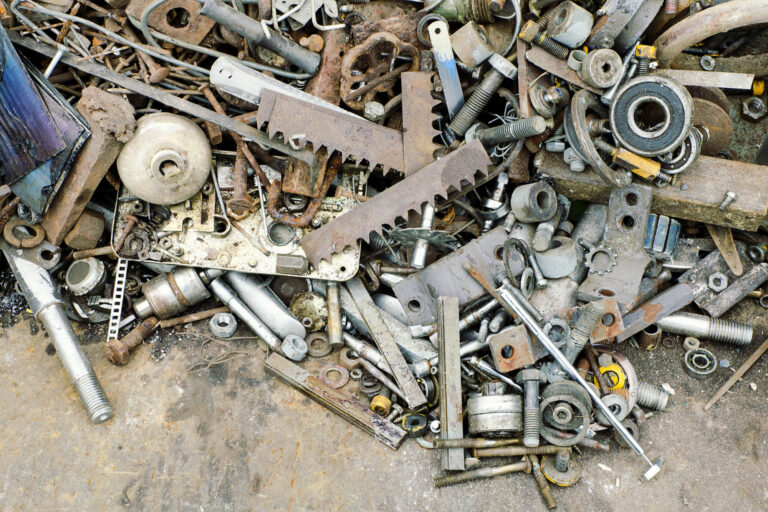
Nickel waste from stainless steel production includes offcuts, machining swarf, and manufacturing residues. Recovering these materials helps businesses reduce waste, retain metal value, and support sustainable manufacturing.
Nickel waste from stainless steel production is a valuable resource for manufacturers seeking to improve material efficiency and reduce industrial waste. Stainless steel contains nickel alongside other alloying elements, making production residues suitable for recovery when they are collected and processed correctly.
During stainless steel production, materials can be lost through cutting, machining, grinding and finishing. Although these residues may no longer be suitable for their original purpose, they can still contain recoverable nickel and other valuable metals.
Rather than sending these materials for disposal, businesses can recover them through appropriate recycling processes. This helps reduce the demand for primary raw materials, improve resource efficiency and support a more sustainable stainless steel supply chain.
Understanding where nickel waste comes from and how it can be recovered allows manufacturers to make better decisions about industrial metal recycling.
What Causes Nickel Waste in Stainless Steel Production?
Stainless steel production involves several processes that transform raw materials into finished products. Each stage can generate residues containing nickel, chromium, and iron.
The quantity and composition of waste depend on the stainless steel grade, manufacturing method, equipment, and production requirements.
Cutting and Fabrication Offcuts
Cutting stainless steel sheets, plates, pipes and bars produces offcuts and leftover sections. These materials may be too small or unsuitable for the intended product but can still contain valuable nickel.
Common examples include stainless steel sheet offcuts, unused plate sections, pipe remnants and rejected fabrication pieces.
When these materials are collected separately, they can often be returned to metal recycling facilities for processing. Keeping offcuts free from unrelated materials also helps maintain their recycling value.
Machining Swarf and Turnings
Machining operations remove material from stainless steel components to achieve the required dimensions and surface finish. Processes such as turning, milling and drilling generate swarf, chips and metal turnings.
These residues can contain nickel alongside chromium and iron. However, machining waste may also contain cutting fluids, lubricants and moisture.
Proper handling is important because contamination can affect the quality and suitability of the material for recycling. Separating different waste streams can also make collection and processing more efficient.
Grinding and Finishing Residues
Grinding, polishing, and surface finishing can generate fine metal particles, dust, and residues.
These materials may contain recoverable metals, but their physical form makes collection and processing more complex than recycling larger stainless steel pieces.
Businesses should assess these waste streams separately and use suitable recovery methods rather than mixing them with general industrial waste.
Which Types of Nickel Waste Can Be Recycled?
Not all stainless steel waste has the same composition or recycling value. Nickel content depends on the stainless steel grade and the manufacturing process. Nickel content depends on the stainless steel grade ss.
Common nickel-bearing waste streams include stainless steel offcuts, machining swarf, metal turnings, rejected components, grinding residues, and general stainless steel scrap.
Austenitic stainless steel grades, such as 304 and 316, commonly contain nickel. Grade 316 also contains molybdenum, which can contribute additional material value.
Identifying the stainless steel grade helps recycling facilities determine the appropriate recovery route. Material identification is particularly important when different alloys are generated during the same production process.
How Is Nickel Waste From Stainless Steel Production Recovered?
Nickel recovery generally involves collecting, preparing and processing nickel-bearing materials so they can return to manufacturing supply chains.
The exact process depends on the composition, condition and physical form of the waste.
Collection and Segregation
The first step is collecting stainless steel residues and separating them from unrelated materials.
Businesses should avoid mixing different stainless steel grades where practical. Separating nickel-bearing stainless steel from carbon steel, aluminium and other metals helps maintain material quality.
Segregation also makes it easier for recycling facilities to identify the composition of incoming scrap and determine the most suitable processing method.
Sorting and Material Identification
Recycling facilities may use visual inspection, material records and metal analysis to identify stainless steel grades.
Portable X-ray fluorescence analysers can help identify alloy composition, including nickel and chromium content.
Accurate identification supports better material classification and helps prevent valuable alloy grades from being downgraded through incorrect mixing.
Preparation and Processing
Depending on the material, preparation may involve cutting, shredding, compacting or removing contaminants.
Machining swarf may require additional treatment to remove excess fluids or improve handling. Fine residues may need specialised processing because their physical characteristics differ from larger scrap pieces.
The aim is to prepare the material for an appropriate recycling route while maintaining its recoverable metal content.
Remelting and Alloy Recovery
Prepared stainless steel scrap can be used as a secondary raw material in stainless steel production.
During remelting, the recovered material is combined with other suitable feedstocks. Manufacturers manage the alloy composition to achieve the required stainless steel grade.
This allows nickel and other alloying elements to return to the production cycle rather than being lost through disposal.
Nickel Waste From Stainless Steel Production: Statistics and Industry Trends
Nickel waste recovery is closely connected to global stainless steel production. Industry statistics show the scale of stainless steel manufacturing and the importance of recycling nickel-bearing materials.
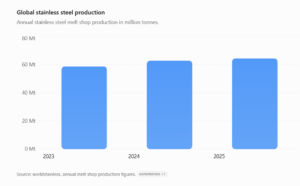
1. Global Stainless Steel Production Reached 64.2 Million Tonnes in 2025
According to worldstainless, global stainless steel melt shop production reached 64.2 million tonnes in 2025, an increase of 2.1% compared with 2024.
Production increased from 58.5 million tonnes in 2023 to 62.6 million tonnes in 2024, demonstrating the scale of the global stainless steel industry.,
Higher production means more stainless steel materials pass through manufacturing processes. Cutting, machining and finishing can generate nickel-bearing residues, making effective waste collection and recovery important for manufacturers.
2. Stainless Steel Accounts for a Major Share of Nickel Demand
A 2025 market presentation from Eramet estimates that stainless steel accounted for approximately 2.25 million tonnes of global primary nickel demand in 2025, excluding scrap.
The figure represented around 65% of the reported 3.46 million tonnes of primary nickel demand that year.
This demonstrates why nickel recovery from stainless steel production waste matters. Recovering suitable nickel-bearing scrap can help supplement primary nickel supplies and support more efficient use of alloying materials.
3. Nickel-Bearing Scrap Supplies Significant Recycled Material
The International Nickel Study Group estimates that approximately 4.4–4.6 million tonnes of nickel-bearing scrap are collected and recycled annually, containing almost 350,000 tonnes of nickel.
The organisation notes that much of this material is used by the stainless steel industry.
These figures highlight the established role of nickel-bearing scrap in industrial metal recovery. Stainless steel production waste can contribute to this recycling stream when manufacturers separate and manage residues appropriately.
4. At Least 95% of Stainless Steel Is Recycled at End of Life
According to worldstainless, at least 95% of stainless steel is recycled at the end of its useful life. Stainless steel is also described as 100% recyclable.
This statistic relates to end-of-life stainless steel rather than manufacturing waste specifically. However, it demonstrates the material’s established recycling potential and reinforces the value of recovering production residues before they enter disposal streams.
What These Statistics Mean for Manufacturers
These statistics show that stainless steel production and nickel recovery are closely linked. As manufacturing activity increases, businesses have opportunities to improve the collection and recovery of nickel-bearing residues.
However, global stainless steel production figures should not be treated as direct measurements of nickel waste. The quantity of waste generated depends on the manufacturing process, material grade, production efficiency and scrap management practices.
For individual manufacturers, tracking the quantity of stainless steel offcuts, swarf and rejected components generated each month provides a more accurate picture of their nickel waste recovery opportunities.
Why Nickel Waste Recovery Matters for Manufacturers
Recovering nickel waste from stainless steel production offers several operational and environmental advantages.
Reducing Raw Material Demand
Nickel is an important alloying element in many stainless steel grades. Recovering nickel-bearing scrap reduces the need to rely entirely on newly extracted materials.
Secondary raw materials can support more efficient use of existing metal resources and help manufacturers manage exposure to raw material supply fluctuations.
Improving Manufacturing Efficiency
Production waste represents material that has already passed through purchasing, handling and manufacturing operations.
Recovering suitable residues allows businesses to retain value from materials that would otherwise be discarded. Effective scrap management can also improve inventory control and reduce unnecessary waste handling.
Supporting Resource Conservation
Nickel extraction and primary metal production require energy, equipment and natural resources.
Recycling suitable nickel-bearing stainless steel waste helps keep metals in circulation and reduces the need for additional primary production.
The environmental benefits depend on factors such as transport, processing requirements and the energy used during recycling.
Strengthening Circular Manufacturing
Circular manufacturing aims to keep materials in productive use for as long as possible.
By recovering stainless steel scrap and returning it to metal production, businesses can contribute to a more circular supply chain.
This approach supports resource efficiency while allowing manufacturers to maintain the performance and quality of their finished products.
Challenges in Recycling Nickel Waste
Although nickel-bearing waste can be valuable, several factors influence its recovery.
Contamination
Oil, cutting fluids, coatings and other contaminants can affect scrap preparation and processing.
Businesses should establish appropriate storage and handling procedures to reduce contamination and prevent different waste streams from becoming mixed.
Mixed Alloy Grades
Different stainless steel grades contain different proportions of nickel and other alloying elements.
Mixing grades can make material identification more difficult and may reduce the suitability of scrap for specific applications.
Maintaining clear segregation procedures helps preserve material quality and supports more efficient recycling.
Fine and Difficult-to-Handle Residues
Fine grinding residues and machining swarf can be more difficult to collect and process than larger offcuts.
Their recovery may require specialist equipment, additional preparation or a suitable recycling facility.
Inconsistent Waste Management Practices
Without clear procedures, valuable stainless steel residues may enter general waste streams.
Training employees, providing labelled containers and monitoring scrap generation can help businesses improve recovery rates and reduce avoidable material losses.
How Businesses Can Improve Nickel Waste Recovery
Manufacturers can improve nickel recovery by making waste management part of their production planning.
Identifying nickel-bearing materials before manufacturing begins helps businesses understand where waste is likely to occur. Separating stainless steel grades at the point of generation also reduces contamination and improves material identification.
Providing suitable containers for offcuts, swarf and other residues makes collection easier. Businesses should maintain records of waste quantities, material grades and collection arrangements to identify recurring waste streams and opportunities for improvement.
Working with an experienced metal recycling provider can help businesses establish appropriate collection and recovery arrangements for their stainless steel production waste.
For further information, see our guide to nickel recycling.
The Future of Nickel Recovery in Stainless Steel Manufacturing
Demand for efficient metal recovery remains important as manufacturers seek to improve resource efficiency and strengthen material supply chains.
Recycled stainless steel keeps nickel and other alloying elements in circulation. Better sorting, improved scrap preparation, and more effective recovery technologies can help manufacturers make greater use of secondary raw materials.
As businesses review their environmental performance and production costs, nickel-bearing waste management can become an increasingly important part of responsible manufacturing.
Nickel waste from stainless steel production is a valuable source of recoverable metals. Offcuts, machining swarf, rejected components and finishing residues can contain nickel that remains suitable for recycling.
By improving segregation, identifying material grades and using appropriate recovery processes, manufacturers can reduce material losses and support more efficient stainless steel production.
Effective nickel recovery helps businesses retain value from production residues while contributing to resource conservation and a more circular industrial supply chain.