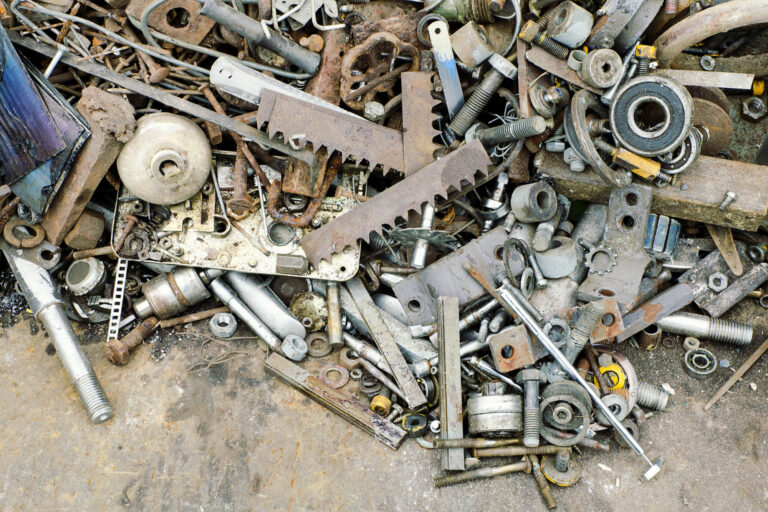
The circular economy and motor scrap recycling allow businesses to recover valuable metals, restrain waste streams, and reinforce sustainable manufacturing across the automotive industry and related sectors. By keeping motors in service for longer, then routing them through controlled recovery and recycling, companies can conserve raw materials, reduce carbon emissions, and improve resource efficiency with less environmental impact.
In the automotive industry, motor scrap is a practical sustainable resource because it sits in the supply chain for electric vehicles, internal combustion systems, machinery, and industrial equipment. When motors reach end-of-life, they can still supply valuable materials for new products rather than becoming waste.
Motor scrap recycling keeps recyclable materials in circulation, lowers demand for virgin raw materials, and can create economic benefits for manufacturers, suppliers, and waste management operators.
What Is the Circular Economy?
The circular economy is a way of doing business. It aims to reduce waste and keep products and materials in use longer. Unlike the old linear model, which follows a take, make, and dispose path, circular economy models encourage repair, reuse, refurbish, remanufacture, and recycle, so organisations can extract more value from each asset before it leaves the production process.
In practice, this approach can reduce environmental impact while improving the use of recyclable materials and secondary raw materials. In metal recycling, the circular economy matters because metals can often be recovered and sent back into the supply chain, where they support new manufacturing cycles.
Why Motor Scrap Matters in the Circular Economy
Electric motors contain valuable materials such as copper, steel, aluminium, and, in some designs, rare earth elements. These materials are critical for electrical equipment, machinery, and automotive components, and they also have a direct role in the reuse and recycle decisions that manufacturers make.
If motors are discarded without proper recycling, those valuable materials can be lost, waste streams can grow, and the environmental impact can rise. Recovering motor scrap helps businesses reduce waste, strengthen waste management, and maintain the flow of secondary raw materials.
The European Commission reports that 10 to 12 million vehicles reach end-of-life in Europe each year. That scale matters because the automotive sector must manage parts from both internal combustion vehicles and electric vehicles, and motor scrap recycling can support that wider resource recovery system.
How Motor Scrap Recycling Supports Resource Recovery
Motor scrap recycling means collecting, sorting, and processing discarded electric motors to recover reusable materials. The process usually begins with identification, then moves through type-based sorting, condition checks, and separation by material mix, which helps recyclers plan an efficient production process.
Where possible, motors are checked for repair, refurbish, or reuse before they are taken apart. Extending useful life in this way can delay replacement, preserve value, and reduce the need for fresh raw materials.
Motors that cannot be reused are dismantled so their parts can enter specialist recycling streams. Copper windings can go into copper recycling, steel housings can return to steel production, and recycling aluminium from motor components can also lower demand for primary aluminium.
Because different motor designs contain different metals and composites, specialist separation is essential. Better sorting improves the quality of recovered scrap, supports closed-loop recycling, and reduces the risk that valuable components are lost during processing.
The Environmental Benefits of Motor Scrap Recycling
One major environmental benefit of motor scrap recycling is a lower need for virgin material extraction. Mining and refining metals require energy, water, and land, and they also add pressure to ecosystems, supply chains, and industrial waste management.
Recycling lowers these demands by supplying recovered metals to manufacturers. The International Aluminium Institute reports that recycling aluminium uses about 95% less energy than making primary aluminium, which shows why material recovery is central to sustainable manufacturing.
Motor scrap recycling can also reduce disposal volumes, improve waste management, and help businesses cut carbon emissions by replacing primary production with recycled materials. That result is strongest when collection is disciplined, and material separation is precise.
Statistics Highlighting the Importance of Metal Recycling
The figures below give broader context for metal recycling and circular resource use.
Statistic | Reported Figure |
|---|---|
European vehicles reaching end of life each year | 10–12 million |
Energy saved through aluminium recycling | About 95% |
UK household recycling rate in 2024 | 44.5% |
EU circular material use rate in 2024 | 12.2% |
The European Commission reports the annual end-of-life vehicle figures in its end-of-life vehicle overview.
The UK household recycling rate is reported in UK Statistics on Waste, while Eurostat reported that recycled materials made up 12.2% of materials used in the EU in 2024.
These figures do not measure motor scrap alone, but they show why stronger recycling systems matter across different waste streams.
How Businesses Can Support a Circular Economy Through Motor Scrap
Businesses can support the circular economy by improving the way they handle discarded electric motors and industrial equipment. A dedicated collection process keeps motor scrap out of general waste, while clear separation makes recycling later more efficient and consistent.
Companies should check whether equipment can be repaired, refurbished, or reused before they send it for recycling. Extending product life is often better than immediate material recovery because it keeps more value in circulation and reduces pressure on raw materials.
When recycling is needed, working with a specialist electric motor recycling service can help businesses recover valuable materials while improving waste management practices. Accurate records of collected and recycled material can also strengthen environmental reporting and track progress toward green goals.
The Future of Motor Scrap in Sustainable Manufacturing
The growing demand for electrical equipment and more resource-efficient manufacturing is increasing the importance of recovering materials from discarded motors. Better dismantling methods, improved material separation, and more advanced recycling technology may help recover a wider range of valuable materials in the future.
Product design will matter as well, because motors that are easier to repair, take apart, and recycle will support circular economy models more effectively at the end of their useful life. This design shift can also help manufacturers manage supply chain risk, protect recyclable materials, and reduce reliance on newly extracted raw materials.
Closed-loop recycling may become even more important as manufacturers aim to return recovered metals to their own production process. The European Union’s updated end-of-life vehicle framework reflects that wider shift toward circular automotive production, with stronger attention on vehicle design, material recovery, tracking, and recycled content.
The circular economy and motor scrap recycling help reduce waste. They also recover valuable metals and support sustainable manufacturing. By extending the life of usable motors and recovering materials from equipment that can no longer operate, businesses can keep resources in circulation and reduce environmental impact.
As industries focus on using resources wisely, managing motor scrap responsibly will be key for a sustainable economy.