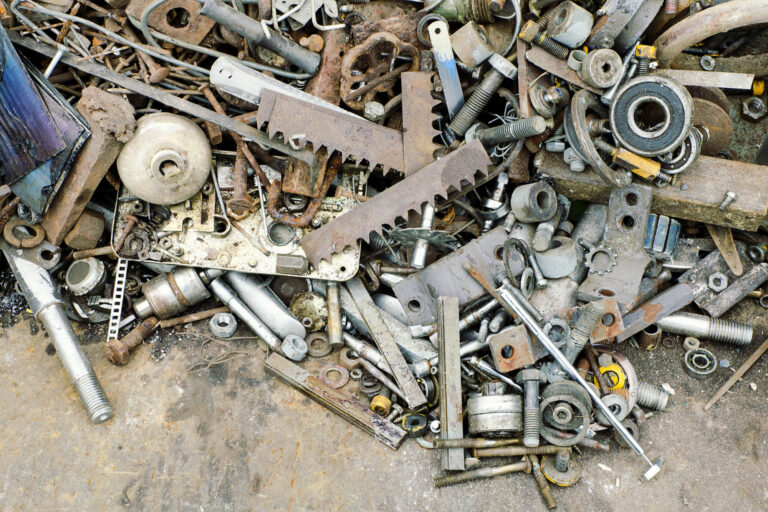
Magnesium waste comes from manufacturing, machining, casting, engineering, vehicle production, and the processing of magnesium alloys. Businesses that understand where magnesium waste comes from can improve waste segregation, recover valuable scrap and support more efficient resource management through magnesium recycling.
Magnesium waste is generated when businesses manufacture, machine, shape or repair products containing magnesium. Common examples include machining swarf, offcuts, rejected components, casting residues and damaged parts. Correct identification, segregation and handling help businesses manage this waste and identify suitable recycling opportunities.
What Is Magnesium Waste?
Magnesium waste includes unwanted materials and discarded components containing magnesium metal or magnesium alloys. These materials can arise during production, component fabrication, maintenance and the removal of defective products.
Magnesium is valued for its low weight and useful mechanical properties. It is used in industries where reducing component weight is important, including automotive manufacturing, aerospace engineering, electronics and specialist industrial applications.
However, not all magnesium waste is generated in the same way. Clean production offcuts may be suitable for material recovery, while contaminated scrap, mixed-metal waste and fine machining residues may require different handling and processing arrangements.
Understanding the source and condition of magnesium waste helps businesses determine the most appropriate management and recycling route.
Where Does Magnesium Waste Come From in Manufacturing?
Manufacturing is a major source of magnesium scrap because production processes often involve cutting, shaping, casting and finishing metal components. Material can be lost at several stages, from the preparation of raw materials to final quality checks.
Machining and Metal Fabrication
Machining processes such as milling, drilling, turning and cutting can generate magnesium swarf, chips and fine metal residues. These materials are produced when excess metal is removed to achieve the required dimensions and surface finish.
Fabrication can also create offcuts and unused sections when magnesium sheets, bars or other stock materials are cut to size. Although these materials may no longer be suitable for their original purpose, they can retain recoverable metal value.
Separating magnesium scrap from other metals, oils and workshop waste helps businesses maintain material quality and identify suitable recovery options.
Magnesium Casting
Casting is another source of magnesium waste. Manufacturers melt magnesium or magnesium alloys and form them into components using moulds and specialised production equipment.
Waste may arise from rejected castings, excess material, runners, gates and other parts of the casting system. Defective components may also be discarded when they fail dimensional or quality requirements.
The recycling suitability of casting residues depends on their composition, condition and any contamination introduced during production. Keeping different alloy grades separate can help support appropriate material recovery.
Component Manufacturing and Assembly
Magnesium components are used in selected automotive parts, electronic housings, machinery and other engineered products. Manufacturing these components can generate scrap when parts are trimmed, modified or rejected during assembly.
Damaged components, production rejects and unused magnesium-alloy parts may all contribute to a business’s metal waste stream.
Companies can reduce avoidable waste by reviewing production methods, improving quality control and separating magnesium-bearing materials before they become mixed with general scrap.
How Do Automotive and Aerospace Industries Generate Magnesium Scrap?
Automotive and aerospace manufacturers use magnesium alloys in applications where weight reduction is an important design consideration. Producing lightweight components can generate scrap during machining, casting, finishing and component assembly.
In automotive manufacturing, waste may include rejected housings, machined parts, offcuts and defective alloy components. Aerospace-related engineering can generate machining residues and unused material from precision manufacturing, although the exact waste streams depend on the component and production process.
These materials should not automatically be treated as interchangeable. Alloy composition, coatings, contamination and traceability requirements can affect whether scrap is suitable for recycling.
Businesses should identify the material accurately and consult an appropriate recycling provider before combining different magnesium waste streams.
Can Maintenance and Equipment Repairs Generate Magnesium Waste?
Magnesium waste can also arise outside routine production. Equipment repairs, component replacement and industrial maintenance may result in damaged magnesium-alloy parts being removed from service.
Examples include discarded housings, worn components and damaged parts from machinery or specialist equipment. Refurbishment and product replacement can also generate magnesium-bearing waste when components reach the end of their useful life.
Identifying these materials during maintenance helps prevent recyclable metals from being mixed with general waste. Where the composition is uncertain, businesses should establish the material type before arranging collection or processing.
Why Is Correct Magnesium Waste Segregation Important?
Magnesium scrap needs appropriate identification and handling because its condition can influence both its recycling value and its safety requirements.
Clean, identifiable scrap is generally easier to assess than material mixed with plastics, other metals, oils or workshop residues. Separating magnesium from aluminium, steel, copper and other alloys can help reduce contamination and improve the efficiency of subsequent processing.
Fine magnesium swarf and dust require particular attention because finely divided magnesium can present a fire hazard. These materials should not be handled or stored in the same way as ordinary metal offcuts. Businesses must follow suitable risk assessments, handling procedures and specialist advice for the specific waste stream.
Good segregation practices also help businesses maintain more accurate waste records, improve housekeeping and identify opportunities to reduce material losses.
How Does Magnesium Recycling Help Businesses Recover Valuable Materials?
Magnesium recycling provides a route for recovering suitable metal from manufacturing scrap and other discarded magnesium-bearing materials. Instead of sending recoverable material for disposal, businesses can assess whether it is suitable for processing and reuse.
The recycling route depends on the scrap’s composition, cleanliness, physical form and contamination level. Some materials may be suitable for direct remelting after appropriate preparation, while others need additional sorting or specialist treatment.
Recycling can help conserve primary resources, reduce demand for newly extracted material and support more efficient use of metals in manufacturing. The actual environmental benefits depend on the material recovered, the processing method and the energy required.
Businesses can support these outcomes by identifying magnesium waste at its source, keeping suitable scrap separate and working with an appropriate recycling provider.
How Can Businesses Manage Magnesium Waste More Effectively?
Effective magnesium waste management begins with understanding which activities generate scrap and how much material is produced. Reviewing machining, casting, fabrication and maintenance operations can help identify recurring sources of waste and opportunities to prevent unnecessary losses.
Businesses should establish clear segregation procedures, label waste containers and avoid mixing magnesium with incompatible materials. Particular care is needed for swarf, fine residues and other forms of magnesium that may present additional handling risks.
Waste contractors should be given accurate information about the material, including its form, condition, possible contamination and estimated quantity. This information helps determine suitable collection, transport, storage and recycling arrangements.
Regular monitoring can also reveal whether production improvements, better cutting practices or more effective quality control could reduce the amount of scrap generated.
Arrange Magnesium Recycling with MetalCycle
Businesses that generate magnesium scrap can benefit from a suitable recycling route that considers the material’s composition, condition and handling requirements. MetalCycle helps businesses manage metal recycling requirements and identify appropriate options for different metal waste streams.
Whether magnesium waste comes from machining, casting, fabrication, or component manufacturing, identifying the material correctly is an important first step towards responsible recovery.
Explore MetalCycle’s magnesium recycling service to learn more about recycling options for business-generated magnesium scrap.