Brass waste retains value because it contains usable copper and zinc that can be recovered and used again in new products.
Brass can still have value when a product, part, or fitting reaches the end of its useful life. The main reasons are its metal content, corrosion resistance, and recyclability. Brass is a metal mix primarily composed of copper and zinc, and different brass alloys suit different jobs.
Because brass is durable and recyclable, unwanted parts do not have to become worthless waste. Suitable material can be collected, sorted, and sent for recovery. That helps businesses return valuable metals to the supply chain through scrap metal recycling instead of disposal.
Brass Contains Valuable Raw Materials
One main reason brass waste has value is its high copper content. Brass grades vary, but many contain a lot of copper, and some also include small amounts of other elements that give useful properties.
People widely use copper in electrical equipment, construction, and manufacturing. Zinc is also important in metal production and many industrial uses. Recovering these metals from used brass helps reduce demand for newly mined raw materials.
The value of brass scrap depends on grade, cleanliness, quantity, impurities, and market conditions. Two loads of brass can have very different prices even if they look alike.
Recycling Brass Saves Resources
Recycling brass scrap gives businesses a way to recover existing material instead of sending it to disposal. We can process the material and return it to manufacturing as a useful secondary resource.
This reduces demand for virgin raw materials and supports resource efficiency. It can also help businesses manage waste streams more effectively, especially when brass offcuts or brass components appear often.
Recycling can also cut the amount of waste that needs disposal. For businesses that generate brass offcuts or parts on a regular basis, a dedicated collection route can improve segregation and reduce handling later on.
Brass Waste Supports the Circular Economy
Brass recycling supports the circular economy by keeping useful materials in use for longer. A discarded brass fitting, valve, or component may still contain metals that manufacturers can recover and use again.
That means the original product does not have to mark the end of the material’s useful life. After collection and processing, recovered brass can become feedstock for new products.
Businesses support resource efficiency with this approach and also create possible economic benefits from material that might otherwise be treated as general waste.
Common Brass Waste That Can Be Recycled
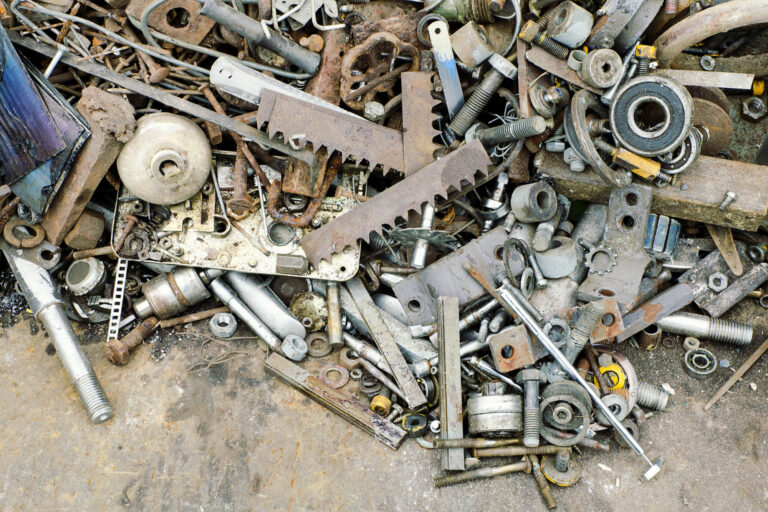
Businesses can generate brass waste in many forms. Common sources include:
-
manufacturing offcuts
-
plumbing fixtures such as taps, valves, and fittings
-
electrical parts, including connectors and terminals
-
machining swarf
-
other brass components
Brass alloys are used widely because of their strength and corrosion resistance. As a result, brass can appear in many commercial and industrial waste streams.
Keep brass separate from other waste streams before collection wherever practical. Mixed loads can contain plastics, coatings, ferrous metals, or other impurities that may affect processing and value.
Clean brass offcuts can often be easier to handle because they may need less preparation. However, the right recycling route still depends on the material’s make-up, condition, and impurity level.
How Brass Waste Is Recovered
Brass recycling normally begins with collection and sorting. At recycling facilities, brass is separated from other materials and may be checked for grade, mix, and condition.
You can remove unwanted parts or impurities before preparing the material for further processing. Depending on the type of brass waste, we can then turn it into suitable feedstock for metal recovery and manufacturing.
Recovered brass can be melted and used to make new products. The exact process varies according to the material and the equipment at the recycling facility.
Keeping brass separate from general waste can make recovery more efficient. Good sorting also helps businesses keep cleaner recyclable material streams and avoid extra handling.
Why Businesses Should Recycle Brass Waste
Brass recycling can give businesses environmental and practical benefits. Separating brass from general waste can help reduce disposal volumes while recovering a material with potential commercial value.
For manufacturers, workshops, construction companies, and maintenance teams, brass waste can become a regular material stream. Managing it consistently can support recycling targets, improve waste sorting, and make resource use more efficient.
There can also be direct economic benefits. Brass scrap prices vary by material grade, cleanliness, quantity, and wider metal market conditions. Businesses should ask a recycling provider for an assessment instead of assuming all brass is equal.
Environmental Benefits of Brass Recycling
Recycling brass can lessen demand for new copper and zinc by reusing metals from old items. This helps make better use of existing resources and supports more efficient material management.
Recycling also keeps suitable materials away from disposal routes. Businesses can improve environmental efforts by including metal recycling in a waste reduction plan.
The UK waste hierarchy ranks prevention, preparation for reuse, and recycling above recovery and disposal where appropriate. For recyclable brass, this offers a useful guide for choosing a waste management route.
How to Get More Value from Brass Waste
Start by identifying where you generate brass waste. Businesses can review production areas, maintenance work, refurbishment projects, and storage areas for unwanted brass components.
Keep brass separate from other waste streams where practical. Clearly labelled containers can help staff see where brass offcuts, fittings, and components should go.
Keeping the material reasonably clean and avoiding extra mixing can also support more efficient processing. Better sorting allows recyclers to identify the material more easily and choose the right recycling route.
Businesses can then arrange collection with a specialist metal recycling provider. The recycler can advise on suitable preparation, collection quantities, and the best route for the material.
Brass stays valuable because it holds usable metals that people can process and use again. Its copper and zinc content, durability, and corrosion resistance make it a useful recyclable material across many industries.
Businesses can benefit by separating brass scrap from general waste to improve waste management and resource recovery. By implementing the correct collection and recycling process, we can transform unwanted brass components into useful raw material for another manufacturing cycle instead of treating them as waste.
A suitable brass recycling service can help businesses manage these material streams efficiently while supporting the wider circular economy.