Cobalt recovery lets businesses reuse valuable metals from batteries and industrial waste. This cuts reliance on newly mined cobalt.
Cobalt recovery can lower raw material demand by sending useful metals back into manufacturing. Manufacturers use cobalt in lithium-ion batteries, electric vehicles, electronics, and specialist alloys. As these sectors grow, demand for cobalt puts more pressure on mineral resources.
Mining is still a major cobalt source, but extraction processes use energy, water and plant. Recovering cobalt from used products gives manufacturers another supply route.
Through effective cobalt recycling, businesses can recover valuable material, cut industrial waste, and support a more circular manufacturing model. It also keeps resources in use instead of losing them at the end of their life cycle.
Why Is Cobalt an Important Raw Material?
Cobalt is valuable because it is tough, heat-resistant, and chemically stable. People use it where materials must perform under harsh conditions.
One main use is lithium-ion battery production. Researchers find cobalt in nickel-manganese-cobalt (NMC) and nickel-cobalt-aluminium (NCA) chemistries. These batteries power electric vehicles, smartphones, laptops and energy storage systems.
Manufacturers also use cobalt in specialist alloys, cutting tools, aerospace parts, catalysts, and industrial equipment. Its heat and wear resistance make it useful where strength and steady performance matter.
Growing demand for cobalt has raised supply pressure. Some makers are developing battery chemistries that need less cobalt, but the metal is still an important industrial resource.
How Cobalt Recovery Can Reduce Raw Material Demand
Cobalt recovery lowers the need for newly mined material by letting manufacturers use metal recovered from waste. Instead of throwing away products that contain cobalt, special recycling plants can process them. They return useful materials to supply chains.
Lithium-ion batteries hold valuable metals such as cobalt, nickel and lithium. When they finish their life cycle, recycling can separate and recover these metals for further treatment.
Manufacturing scrap is another source. Production offcuts, rejected battery parts and metal residues can still contain cobalt.
Recovering these materials lowers the amount of primary raw material needed for production. It also helps manufacturers make better use of resources already taken from the ground.
This matters especially for industries that rely on several critical raw materials. Recycling gives an extra source of supply and helps ease pressure on natural reserves.
Cobalt Demand and Recycling: Important Statistics
The rising demand for cobalt shows why recovery matters. The Cobalt Institute’s 2025 market report recorded global cobalt demand at about 276,000 tonnes in 2025, up 13% from 2024. Global supply was about 295,000 tonnes in the same year.
The International Energy Agency (IEA) also gives useful figures on future demand. The Global Critical Minerals Outlook 2025 says cobalt demand may increase. It could go from 221,000 tonnes in 2024 to 314,000 tonnes by 2030. This scenario is based on the stated policies.
The report also notes the growing role of recycled material and reuse.

Main Sources of Recovered Cobalt
Cobalt recovery depends on finding waste that contains enough metal for efficient processing. Several industrial and commercial waste streams can help.
End-of-Life Lithium-Ion Batteries
Used batteries are a major source of recovered cobalt. Electric vehicle batteries, rechargeable electronics and industrial battery systems can contain cobalt-bearing material.
When these products are no longer useful, special recycling plants can check and process them. This helps recover valuable metals. They can then be refined for suitable manufacturing use.
Manufacturing Scrap
Battery production and metal processing can create offcuts, rejected parts and production residues. These materials may contain cobalt that can be recovered before they mix with other waste.
Sorting scrap at the manufacturing stage helps businesses keep valuable material and reduce avoidable losses.
Industrial Components and Alloys
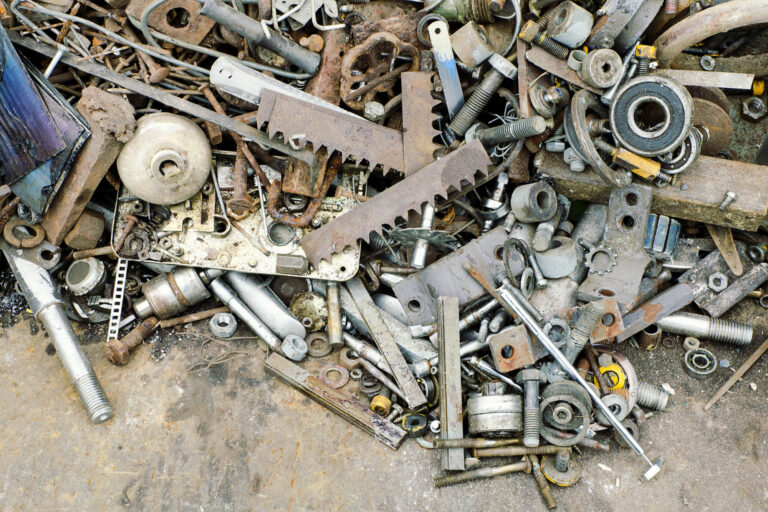
Some engineering parts, specialist alloys and industrial equipment also contain cobalt. Businesses may create salvageable material during manufacturing, maintenance and equipment replacement.
Copper-cobalt and cobalt-nickel industrial residues may also contain several valuable metals that need careful separation and treatment. Identifying what is in the waste helps recycling plants choose the best recovery method.
How the Cobalt Recovery Process Works
The cobalt recovery process has several steps, depending on the material and the technology used at the recycling plant.
First, the collected material is checked to identify its makeup and recovery potential. Batteries need special care because damaged or poorly handled units can create fire and safety risks.
Suitable material is then prepared for processing. This may include battery discharge, dismantling, mechanical treatment and separation of different material fractions.
Recyclers commonly use two main extraction processes in lithium-ion battery recycling.
Thermal processing uses high heat to recover valuable metals from battery material. The metal-rich products still need more refining before they can be used in suitable applications.
Chemical processing uses chemical solutions to dissolve and separate metals. Further treatment enables the recovery and refining of cobalt and other materials.
Some plants combine mechanical, thermal and chemical methods to improve separation. The best process depends on waste makeup, needed recovery quality and available technology.
Once recovered and refined, cobalt can return to manufacturing as secondary raw material.
Environmental Benefits of Cobalt Recovery
Reducing raw material demand is one of the main environmental benefits of cobalt recycling. Mining and refining use significant energy, water and land.
Recycling cobalt from waste can lower the need for new extraction. This helps reduce the environmental impact of production.
The IEA’s Global Critical Minerals Outlook 2025 says that recycled energy transition minerals are better for the environment. These minerals include cobalt, nickel, and lithium. They produce about 80% less greenhouse gas emissions compared with materials obtained from mining. Actual results depend on process type, energy source and transport needs.
Cobalt recovery also supports better waste management by diverting suitable batteries and industrial material away from disposal. This helps businesses keep valuable resources in use and improve material efficiency.
However, recycling still needs energy, transport and proper environmental controls. Responsible processing is needed to maximize benefits and limit the environmental impact of recovery operations.
How Cobalt Recovery Strengthens Supply Chains
Battery production, electronics, and advanced manufacturing all depend on demand for cobalt. However, a small number of countries concentrate supplies of newly mined material.
The IEA says the top three refining countries handled about 89% of global refined cobalt production in 2024. This concentration can create supply chain problems for manufacturers that need steady access to the metal.
The European Union has recognised the need for steady supplies of important raw materials under its Critical Raw Materials Act. Cobalt is one of the metals it classifies as vital for European industrial and energy needs.
Recycled cobalt gives an extra supply source. It cannot fully replace mining, but it can help diversify sourcing and reduce dependence on primary extraction.
For manufacturers, working with reliable recycling and refining partners can also improve long-term material planning. Recovered metals may help businesses manage supply risk and make better use of resources.
Why Businesses Should Focus on Cobalt Recycling
Businesses that make, process or use cobalt-containing products can benefit from reviewing waste management practices.
Finding cobalt-bearing scrap helps companies spot material that may have commercial and recovery value. Instead of mixing these residues with general industrial waste, businesses can arrange proper segregation and specialist collection.
Battery makers, engineering companies, electronics producers and industrial operators may all generate material that is suitable for recovery.
A structured recycling approach can improve resource efficiency, reduce avoidable waste and support responsible sourcing. It also gives businesses better visibility of the material leaving their operations.
Working with experienced recycling partners is important because they must handle, transport and process cobalt-bearing waste properly. Battery waste must also meet the right waste and dangerous goods rules.
Businesses can improve recovery outcomes by finding waste streams early and keeping suitable material separate.
The Future of Cobalt Recovery and Resource Efficiency
Experts expect the importance of cobalt recovery to grow as more batteries, electronic products and industrial parts reach the end of their life cycle.
The IEA’s 2025 outlook says that secondary supply and reuse could grow from 26,000 tonnes in 2024 to 82,000 tonnes by 2040. This relies on its Stated Policies Scenario. This shows the potential for recycling to support future cobalt supply.
Better battery recycling, material separation and refining technologies may also improve recovery efficiency. These changes could make more industrial waste suitable for processing.
However, reaching this potential needs effective collection systems, suitable recycling plants and responsible material management. Businesses must recognise the value of cobalt-containing products before they mix with other waste.
As battery technologies change, recycling processes will also need to adapt to different material types. A strong recovery system will help manufacturers capture valuable metals from both current products and future waste.
Cobalt recovery reduces raw material demand by returning valuable metals from batteries, manufacturing scrap and industrial components to the supply chain. It gives manufacturers another source of material while supporting resource efficiency and reducing dependence on newly mined resources.
As demand grows, effective recycling and responsible material management will become even more important. Businesses that focus on recovering cobalt can help save natural resources. They can also reduce waste and support a more sustainable manufacturing industry.