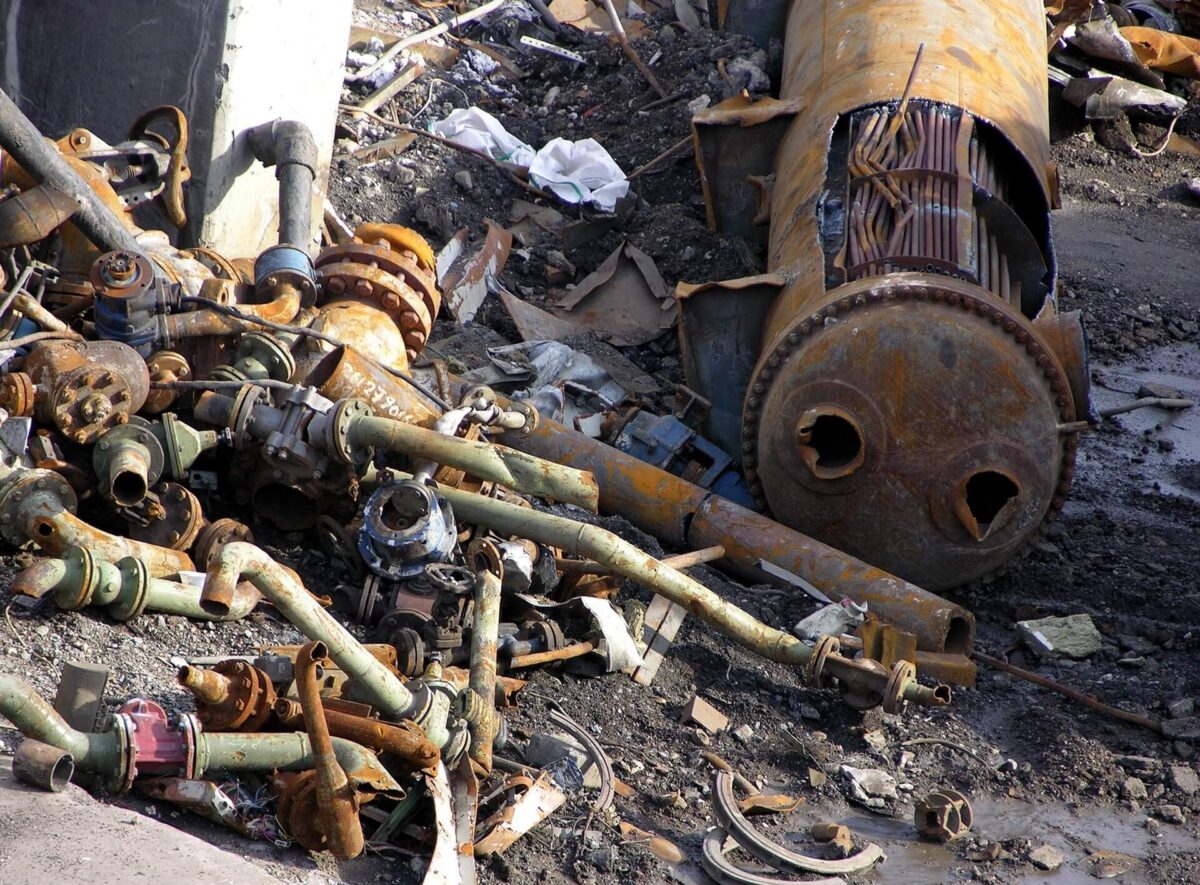
Managing large volumes of waste electric motors needs organised storage, careful sorting and motor recycling. Recovering copper, aluminium and steel helps businesses cut waste and support resource recovery.
Managing Large Volumes of Waste Electric Motors
Managing large volumes of waste electric motors can be hard for manufacturers, engineering firms, automotive businesses and industrial sites. When equipment reaches the end of its working life, businesses need a good way to collect, store, sort and recycle unwanted motors.
Electric motors are key parts of manufacturing machines, pumps, compressors, conveyor systems, vehicles and other industrial equipment. But ongoing use, damage and new technology can make some motors no longer fit for use.
As businesses replace machinery and upgrade production sites, they can create large amounts of unwanted motors. Storing these units without a plan can use valuable space, increase handling work and add avoidable waste costs.
Waste electric motors contain useful materials, including copper, aluminium, steel and iron. Through proper motor recycling, these materials can be recovered and sent back into manufacturing supply chains.
A clear approach to industrial motor waste helps businesses improve material recovery, organise collections and meet their environmental duties.
Why Businesses Generate Large Volumes of Waste Electric Motors
Industrial sites depend on electric motors to power machinery and keep production moving. Over time, these parts can wear out.
Several activities can create large volumes of waste electric motors.
Equipment replacement: Manufacturing sites often replace older motors with newer models to improve energy use, raise output and cut upkeep. Large machinery upgrades can create many unwanted units.
Mechanical failure: Broken bearings, overheating, worn windings and electrical faults can stop motors working properly. When repairs are too costly, businesses may replace the whole unit.
Industrial closures and upgrades: Factory closures, production line changes and building work can leave businesses with many unused motors. These projects often need organised waste removal in a short time.
Vehicle and machinery maintenance: Automotive workshops, farm businesses and heavy equipment operators regularly replace motors and related parts during service work.
Changing technology: Older motors may no longer meet modern working needs. Businesses may replace outdated equipment to improve output, reliability and power use.
Knowing where motor waste comes from helps companies predict future volumes and set up the right collection and recycling plans.
The Environmental and Financial Value of Electric Motor Recycling
Electric motors contain several materials that can be recovered and used again in manufacturing. Their recycling value depends on size, design, condition, material mix and processing needs.
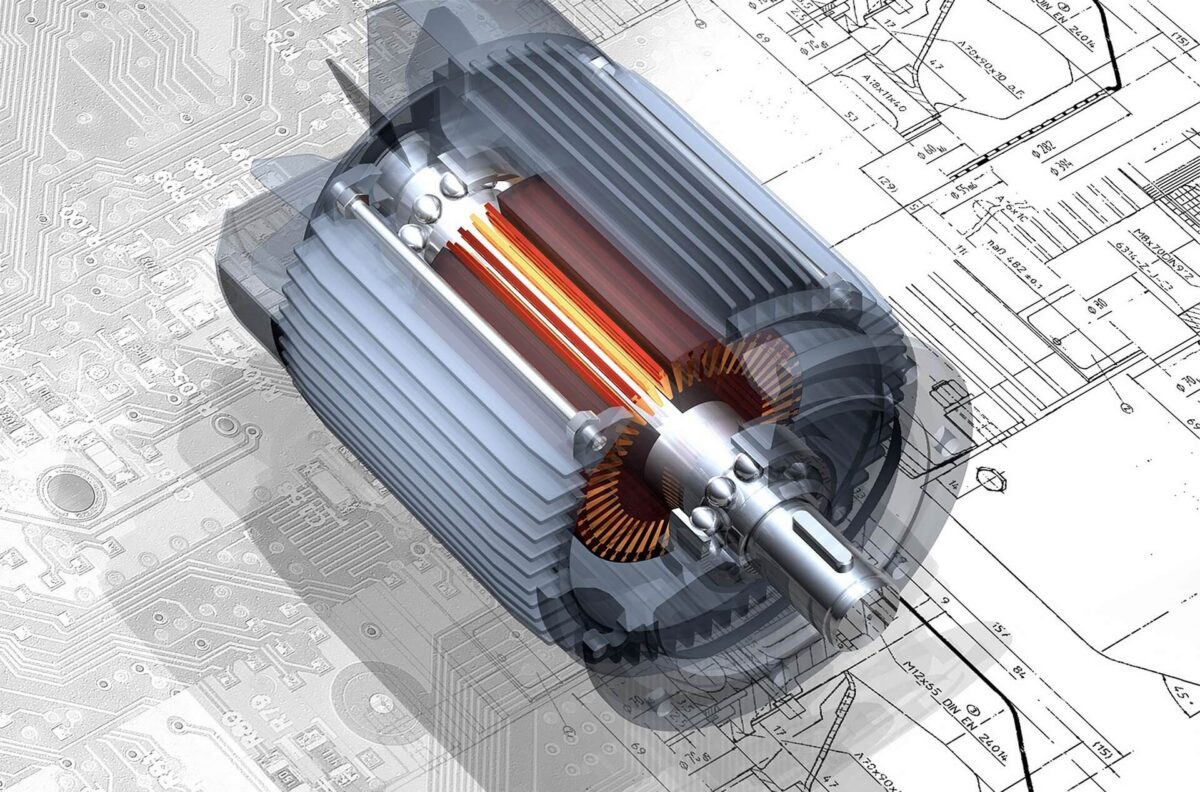
Copper is commonly found in motor windings because it carries electricity well. Aluminium may be found in housings and other parts, while steel and iron are often used in frames, shafts and support parts.
Recovering these metals cuts the amount of recyclable material sent for disposal. It also gives secondary raw materials for businesses making electrical goods, machinery, construction products and vehicle parts.
The wider e-waste challenge shows why organised recycling matters.
According to Material Focus, UK household waste electrical and electronic equipment collections reached about 496,000 tonnes in 2024. This was the highest level in five years.
The group also said household electrical equipment placed on the UK market rose by 28% between 2018 and 2024, from 1.28 million tonnes to about 1.63 million tonnes.
These figures relate to household items rather than industrial electric motors. Even so, they show the scale of the UK’s wider electrical waste problem.
For businesses handling industrial motor waste, recovering copper, aluminium and steel can also add financial value. Careful sorting helps recyclers separate metal streams and choose the best recovery route.
How to Manage Large Volumes of Waste Electric Motors
Handling a few unwanted motors is fairly simple. But managing hundreds or thousands of units needs a steady process for collection, identification, storage, sorting and recycling.
1. Assess and Record Motor Waste Volumes
The first step is to understand how many unwanted motors a business creates and where they come from.
Companies should review maintenance records, replacement plans and production work to estimate their waste volumes. This helps them decide how often collections are needed and how much storage space is required.
Recording motor details can also improve material recovery. Useful information includes motor type, approximate weight, maker, condition and whether the unit contains extra electrical parts.
Businesses that handle regular equipment replacements should keep a central waste log. This makes it easier to spot build-up patterns and organise collections before storage areas become overcrowded.
2. Establish Dedicated Motor Storage Areas
Large amounts of waste electric motors need suitable storage. Poor storage can create workplace hazards, damage recyclable materials and make later handling harder.
Businesses should set aside specific areas for unwanted motors and keep them apart from general waste. Storage areas should allow access for handling equipment, collection vehicles and recycling contractors.
Motors should be stored safely so they do not move, fall or get damaged. Heavy units may need pallets, suitable containers or marked storage bays.
Where possible, businesses should keep motors dry and away from bad weather. This helps reduce rust and avoids unwanted dirt.
Storage areas should stay tidy, with clear access routes and labels for each waste stream.
A good storage system improves workplace safety and makes bulk collections more efficient.
3. Separate Motors According to Type and Material
Sorting is an important part of industrial motor waste management. Different motor designs contain different amounts of usable material, so sorting can improve motor recycling.
For example, businesses may have small electric motors, large industrial motors, vehicle motors and motors removed from pumps or manufacturing machines.
These units should be checked before they are mixed into larger waste batches.
When practical, motors can also be grouped by material. Copper windings, aluminium housings, steel frames and other metal parts may need different treatment.
Businesses should avoid taking motors apart without the right training, facilities and rules. Specialist recyclers can carry out the needed dismantling and material separation.
4. Organise Regular Bulk Waste Collections
When businesses create large volumes of unwanted motors, waiting until storage areas are full can cause working problems.
A planned collection schedule helps prevent too much build-up and keeps waste control in hand.
Collection timing should match the amount of motor waste created, the storage space available and the time needed to arrange transport.
For example, a manufacturing site replacing motors all year may benefit from monthly collections. A business completing a major machinery upgrade may need a larger one-off collection.
Companies should also think about access needs, loading arrangements and the weight of each motor before transport.
Working with an experienced metal recycling provider can help businesses set up collections that fit their working needs.
5. Work with Specialist Motor Recycling Providers
Managing large amounts of waste electric motors often needs specialist recycling equipment and skill.
Professional recyclers can check incoming motors, identify usable materials and separate different metal fractions. Depending on the equipment, processing may include dismantling, mechanical separation, cutting and metal sorting.
Using an established recycling provider can help businesses manage larger waste volumes without buying their own dismantling machines.
Before choosing a provider, businesses should check its experience with industrial motor waste, collection ability, waste permits and material recovery processes.
It is also important to know what happens to collected motors after they leave the site. Clear records and destination details help businesses keep better control of their waste streams.
6. Monitor Recycling Performance
A good motor recycling programme should be reviewed often.
Businesses can track the total weight of motors collected, the amount of material recovered and the quantity of waste sent for disposal.
These figures help show where sorting, storage and collection can improve.
For example, if a business often creates large numbers of motors with copper windings, it may need better sorting before collection.
Tracking performance also gives useful information for environmental reports and internal green reviews.
Which valuable metals can we recover from motors?
The materials found in electric motors depend on their design, size and use. But specialist recycling can recover several metals.
Copper: Copper is often used in motor windings because it carries electricity well. Recovered copper helps supply raw material for electrical manufacturing, wiring and other industrial uses.
Aluminium: Some motors contain aluminium housings, end covers and other parts. Recovered aluminium can be reused in manufacturing, vehicle work and construction.
Steel: Motor frames, shafts and support parts often contain steel. Recycling this metal reduces the need for new metal production and supports the wider steel recycling sector.
Iron: Some motor parts contain cast iron or other iron-based materials. These can be sent to the right metal recovery route.
Other materials: Depending on the motor, recyclers may also find insulation, plastics, bearings and electronic parts. These need proper separation and handling.
The value of metals from motors depends on quality, quantity, dirt levels and market price. Good organisation usually leads to better recovery.
Challenges of Managing Industrial Motor Waste
Motor recycling offers environmental and working gains, but large volumes can still be hard to manage.
Limited storage space: Motors can be heavy and bulky. Sites with little storage space may struggle with piling up equipment, especially during major replacement work.
Mixed material makeup: Motors contain several materials that need separation. Mixing them with general scrap or other waste makes sorting harder.
Transport needs: Large motors may need the right vehicles, lifting gear and careful loading. Poor planning can raise time and cost.
Dirt and damage: Moisture, oil and other substances can hurt material quality. Businesses should check dirty motors before placing them into general recycling batches.
Uneven waste levels: Some sites create motor waste often, while others only produce large amounts during upgrades or closures. Collection plans must fit these changing levels.
Businesses can handle these issues with clear waste rules, storage checks and good contact with recycling providers.
UK Regulations for Managing Waste Electric Motors
Businesses in the UK must manage electrical waste under the right environmental rules.
The Waste Electrical and Electronic Equipment (WEEE) Regulations 2013, as amended, set rules meant to support recovery, reuse and recycling of electrical and electronic equipment.
The exact legal rules depend on the equipment, the business role and the work being done. Not every industrial motor falls under the same set of rules, so businesses should work out the correct class before choosing a disposal or recycling route.
In England, the Environment Agency gives guidance on classifying electrical waste. Businesses must classify waste electrical and electronic equipment leaving their site and provide the right List of Waste code and description on the relevant transfer or consignment papers.
The waste’s chemical make-up decides its class and whether hazardous waste controls apply.
Businesses should also think about their duties when choosing waste contractors, keeping transfer papers, spotting risky parts and making sure waste reaches the right treatment or recovery site.
The Environment Agency’s WEEE appropriate measures guidance explains the need to understand treatment steps, describe outputs and control emissions.
Rules can differ across England, Scotland, Wales and Northern Ireland. Businesses should speak to the right regulator for the place where waste is created and managed.
Statistics Highlighting the Importance of Better Waste Management
Electrical waste data gives useful context for businesses building better recycling plans.
Material Focus reported the following UK household electrical waste figures in its 2026 briefing for 2018–2024.
Measurement | Reported figure |
|---|
Household WEEE collections in 2018 | 493,000 tonnes |
Household WEEE collections in 2024 | 496,000 tonnes |
Increase in EEE placed on the market, 2018–2024 | 28% |
EEE placed on the market in 2018 | 1.28 million tonnes |
EEE placed on the market in 2024 | 1.63 million tonnes |
Source: Material Focus, UK E-Waste Data Trends 2018–2024.
The figures show that electrical equipment continues to enter the UK market in large amounts. Even though collection volumes have risen, businesses still need good systems to make sure unwanted equipment reaches reuse and recycling routes.
For industrial sites, the lesson is simple: plan waste management before large amounts build up.
How Businesses Can Improve Large-Scale Motor Recycling
Improving motor waste management takes more than the odd collection. Businesses should build a steady approach that makes recycling part of normal work.
One good method is to add waste planning to machinery maintenance and replacement schedules. When companies know which motors are nearing the end of their working life, they can prepare storage areas and book collections early.
Staff training matters too. People who remove or handle motors should know how to spot different equipment, separate waste streams and use safe handling steps.
Businesses should also review the performance of their recycling providers. Regular talks about collection volumes, recovered materials and processing can show ways to improve efficiency.
Another useful approach is to prefer reuse where it makes sense. Not every unwanted motor needs immediate dismantling. Some units may be suitable for repair, refurbishment or reuse if they are sound and safe to return to service.
This follows the waste hierarchy by considering prevention and reuse before recycling, where practical.
By combining better planning, organised storage and specialist recycling services, companies can manage larger motor waste volumes while supporting better resource use.
Benefits of a Structured Electric Motor Waste Management Strategy
A well-organised approach to waste electric motors can bring several benefits for industrial businesses.
Planned collections and organised storage improve working efficiency by cutting unnecessary handling and stopping waste from getting in the way of daily work.
Separating motors and identifying their parts helps recycling providers recover valuable metals more effectively. Sending suitable motors for recycling also reduces the amount of recyclable material sent for disposal.
Recovered copper, aluminium, steel and other metals may have market value. The actual return depends on material quality, weight and market conditions.
Recycling supports resource conservation by sending recovered materials back into manufacturing supply chains. Keeping collection records and tracking recovered materials also helps businesses understand waste generation and show responsible management.
These benefits make a structured recycling programme a practical choice for manufacturers, engineering firms, automotive businesses and other groups that regularly replace electric motors.
Managing large volumes of waste electric motors needs good planning, suitable storage, organised sorting and reliable recycling arrangements.
Electric motors contain useful materials such as copper, aluminium, steel and iron. Recovering these resources cuts waste and supports manufacturing industries that depend on secondary raw materials.
By tracking waste volumes, arranging regular bulk collections and working with specialist recycling providers, businesses can improve working efficiency and support more sustainable waste management.
A steady approach also helps companies keep the right papers, meet environmental duties and make better use of materials that would otherwise be thrown away.