Managing Large Volumes of End-of-Life Solar Inverters

End-of-life solar inverters need organised collection, storage, and recycling. Good management helps recover useful materials, cut electronic waste, and support cleaner solar energy systems.

Managing Large Volumes of End-of-Life Solar Inverters

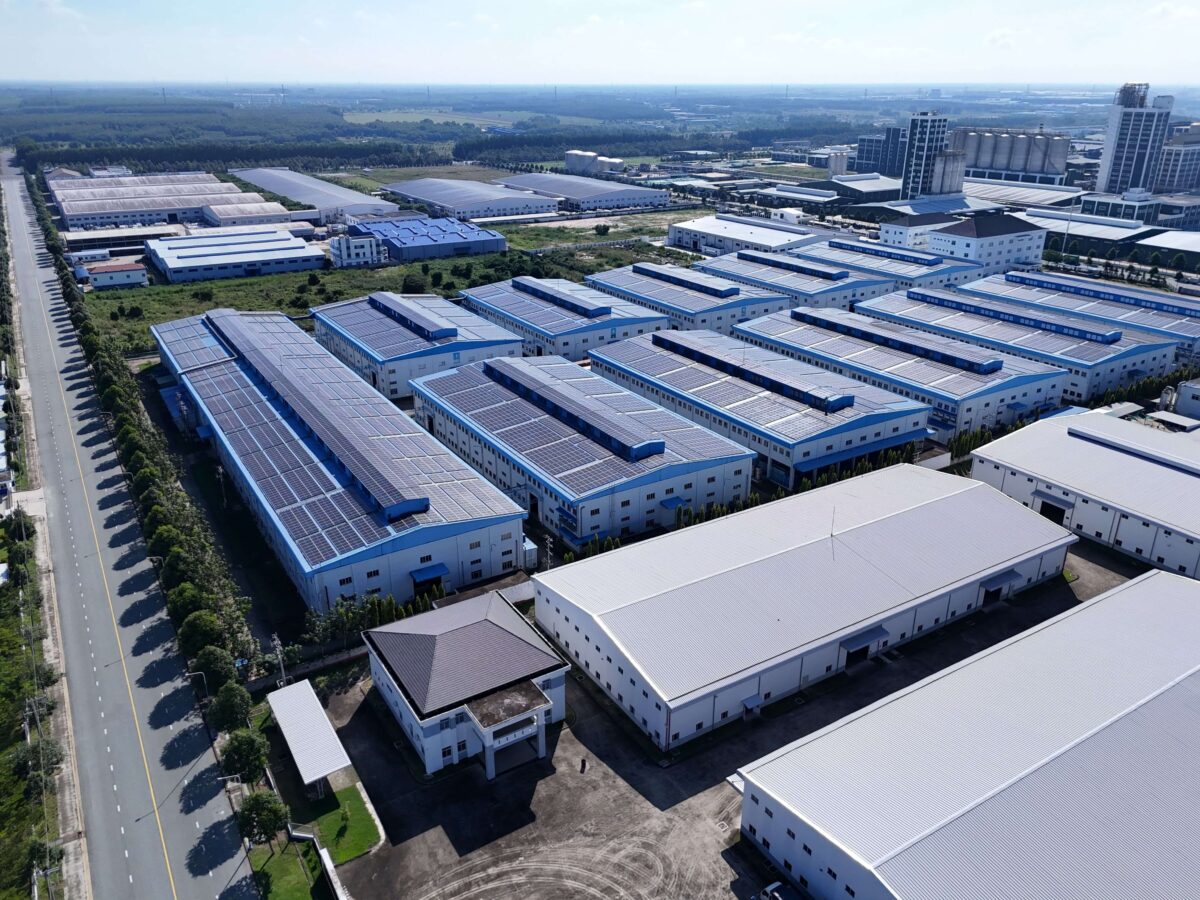
Managing large volumes of end-of-life solar inverters is now a key part of renewable energy waste management. As solar energy systems grow, more electrical gear will need replacement. That creates more waste for businesses, installers, and recycling sites.

Solar inverters change DC power from solar panels into AC power for buildings and grids. They are vital parts of a PV system, but their working life is often shorter than that of the panels they support.

When many inverters reach the end of use, businesses need clear systems for collection, sorting, storage, and recycling. Without a plan, used equipment can pile up, raise handling costs, and add to electronic waste.

Good management lets useful materials be recovered while cutting the environmental impacts tied to poor disposal.

Why End-of-Life Solar Inverter Waste Is Increasing

The growth of solar photovoltaics has raised demand for inverters, cables, and other support gear. These parts face changing heat and electrical loads, which can slowly reduce performance.

The expected life of solar equipment varies. The Australian Government says string inverters usually last 10 to 15 years. Microinverters may last 20 to 25 years. Solar panels often last 20 to 30 years.

This means many inverters need replacement while the linked PV modules still make power. Commercial solar farms and industrial sites may therefore create large amounts of unwanted gear without removing all their solar panels.

System upgrades, electrical faults, physical damage, and changing power needs can also drive inverter replacement.

Environmental Impacts of Large-Scale Solar Inverter Waste

Used solar inverters contain many electrical and electronic parts. These may include copper wire, aluminium heat sinks, steel shells, printed circuit boards, and plastic insulation.

If equipment is handled badly, damaged parts can create safety and environmental risks. Some electronic parts may need special treatment, so it is important to check the waste before processing.

Businesses should also tell general e-waste apart from items that need specialist handling. Some parts may fall under hazardous waste controls based on their makeup, condition, and type.

Sending reusable or recyclable gear straight to landfill also loses materials that could return to supply chains.

Good waste management cuts unnecessary solid waste and supports resource recovery from retired renewable energy gear.

Planning for Large Volumes of End-of-Life Solar Inverters

Managing large amounts of used inverters calls for planning before equipment reaches the end of its active life. Businesses that run commercial solar sites should review equipment age, service records, and replacement plans to estimate future waste.

This data helps firms book the right collection services and set aside enough storage space. It also lets recycling providers plan for bigger loads instead of single units as they arrive.

Central collection can improve efficiency when one group manages several solar sites. Bringing gear together before pickup can reduce extra transport and simplify waste tracking.

Good records should show equipment counts, model numbers, weights, collection dates, and treatment sites. These records give businesses better control over waste streams and help prove responsible handling.

Sorting and Storing Solar Inverters Before Recycling

Sorting is an important step in large-scale solar inverter waste management. Different models use different parts and materials, so separating them before processing can improve recovery.

Where safety and condition allow, working inverters should be checked for repair, refurbishment, or reuse. Gear that still works may have more value, especially if it was replaced during a wider system upgrade.

Units that cannot be reused should be set aside for proper recycling. Damaged cases, exposed wiring, and incomplete electrical gear need careful handling to stop more damage.

Storage areas should be secure, dry, and tidy. Businesses that handle large collections should keep clear inventories and separate reusable gear from items waiting for recycling.

These steps reduce handling problems and help recycling sites choose the best treatment route.

Recovering Valuable Materials Through Solar Inverter Recycling

Solar inverter recycling can recover materials from unwanted electrical gear. Copper is often found in wire, coils, and electrical links, while aluminium may be found in heat sinks and cases. Steel and some plastics can also be recovered with the right process.

Printed circuit boards are especially important because they hold a mix of metals and electronic materials. Specialist recycling sites can process these parts to recover copper and other valuable metals.

It is also important to separate inverter recycling from panel recycling. Solar panels and PV modules have different material mixes and need separate treatment.

For example, some thin-film solar panels use cadmium telluride as a key material. These panels need special recycling methods to recover materials and manage possible hazards. That is not a standard material in every solar inverter.

Separating different types of solar equipment helps stop material mixing and supports better material recovery.

Statistics Highlighting the Future of Solar Waste Management

The growth of solar energy has created a future waste challenge. Research from the International Renewable Energy Agency (IRENA) and the International Energy Agency Photovoltaic Power Systems Programme (IEA-PVPS) highlights the rise in discarded solar panels.

Their 2016 report, End-of-Life Management: Solar Photovoltaic Panels, estimated that global PV panel waste could reach 60 million tonnes under its regular-loss case or 78 million tonnes under its early-loss case by 2050.

The report also said that recovering and returning these materials to the economy could create a material value above US$15 billion by 2050.

These figures apply to solar panels, or PV panels, not solar inverters. Still, they show why recycling infrastructure matters across the wider solar industry.

Inverter replacement creates another waste stream because many string inverters have shorter lives than the solar panels linked to them. The Australian Government gives an average life of 10 to 15 years for string inverters, compared with 20 to 30 years for solar panels.

This gap shows why businesses should plan for inverter replacement and recycling over the full life of a PV system.

Managing Transport and Large-Scale Inverter Collections

Transport planning becomes more important when businesses handle hundreds or thousands of end-of-life solar inverters. Gear may come from several solar farms, commercial buildings, and maintenance contractors, so collection planning is more complex.

Before transport is arranged, businesses should review equipment counts, size, total weight, and condition. Damaged units may need extra packaging or care to prevent more damage.

Combining collections from nearby sites can improve transport efficiency and cut extra trips. It can also make deliveries to specialist recycling sites easier to manage.

Working with experienced electrical waste providers helps make sure collected inverters go to the right reuse, recovery, or recycling route.

UK Regulations for End-of-Life Solar Inverters

In the UK, solar inverters are covered by electrical and electronic equipment law. The Waste Electrical and Electronic Equipment (WEEE) Regulations aim to cut the amount of electronic waste sent to landfill or burning by supporting reuse, recovery, and recycling.

GOV.UK guidance specifically names photovoltaic inverters used in small and medium sites, including microinverters, as covered electrical and electronic equipment.

Businesses should make sure discarded gear is correctly classified and sent through the right waste route. Extra rules may apply depending on whether an organisation is a producer, distributor, commercial user, or waste holder.

The Environment Agency gives guidance on waste duties and rules in England. Organisations should check the rules for their area and work with suitably authorised waste management providers.

Further information is available through the official UK WEEE regulations and guidance.

Improving Solar Inverter Waste Management

A strong waste plan should cover the full life of solar gear. Businesses can improve efficiency by checking inverter condition, recording replacement plans, and arranging regular collections.

Digital inventory systems can help track model numbers, install dates, and replacement reasons. This data supports better forecasting and reduces the risk of unwanted gear piling up in storage areas.

Reuse should also be considered before recycling when equipment still works and suits another use. When reuse is not possible, specialist recycling can recover useful materials and reduce the amount of electronic waste that needs disposal.

Working with skilled recycling providers gives businesses a more organised way to manage large collections and meet waste duties.

Supporting Responsible Solar Inverter Recycling

As solar energy systems keep growing, end-of-life gear must be part of long-term planning. Solar inverters may need replacing before the linked panels, creating a separate and important electronic waste stream.

Good collection, sorting, storage, and recycling help businesses manage large volumes of unwanted gear while recovering copper, aluminium, and other useful materials.

By planning replacements and using suitable recycling facilities, organisations can cut waste, improve resource recovery, and support a more sustainable solar industry.
The Circular Economy and Solar Inverter Waste

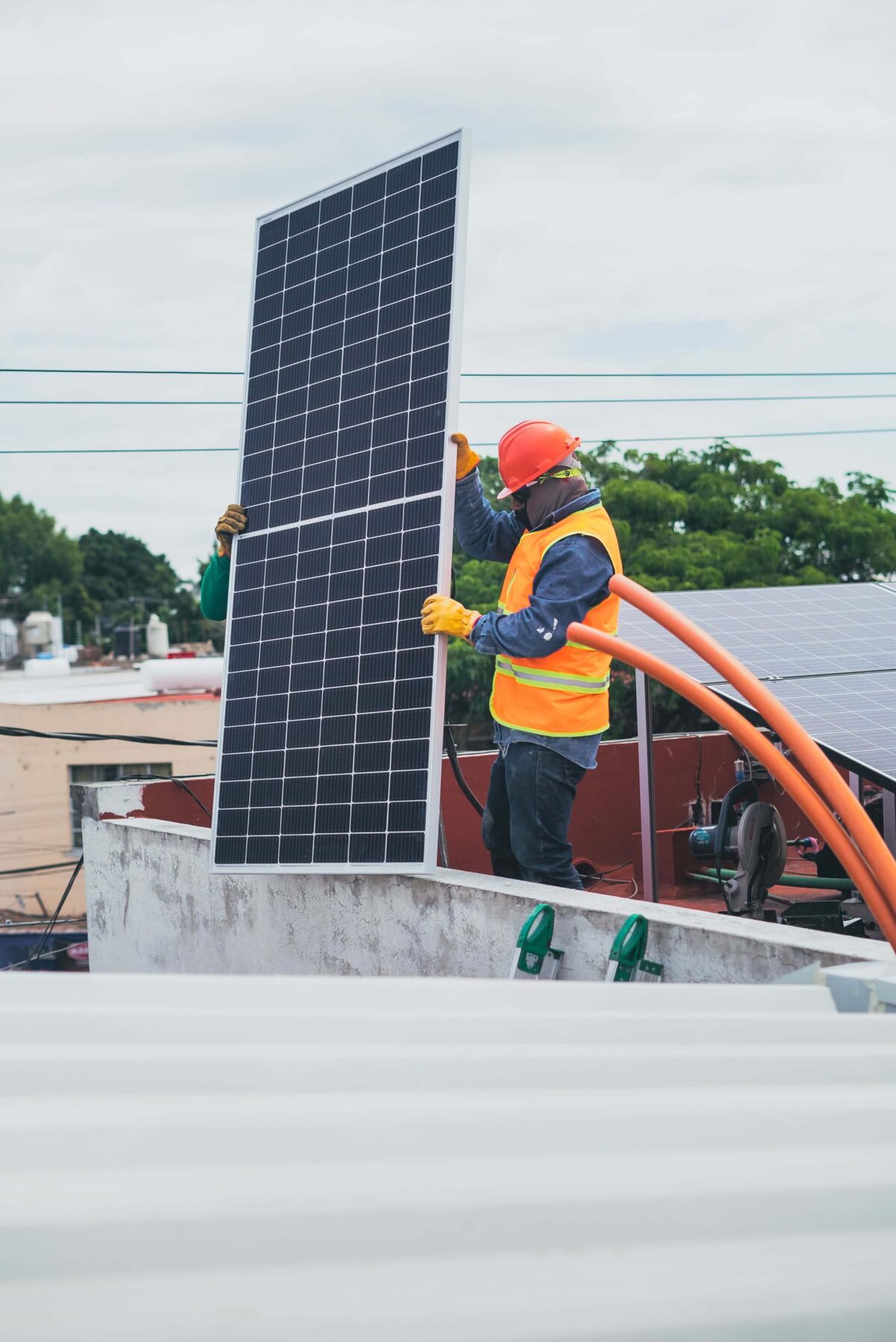
The circular economy helps cut solar inverter waste through repair, reuse, and recycling. Recovering useful materials improves resource use and supports cleaner solar power systems.

Understanding the Circular Economy and Solar Inverter Waste

Solar energy helps the shift to renewable power. But more installations also mean more need for careful equipment care. The circular economy and solar inverter waste are linked because repair, reuse, and recycling can cut waste and save resources.

Solar inverters turn direct current (DC) from solar panels into alternating current (AC) used in homes and businesses. Although essential to solar systems, inverters may need replacing before the panels reach the end of their working lives.

Instead of sending unwanted equipment to disposal, circular economy practices encourage businesses to keep products in use longer and recover useful materials. This helps cut resource use and supports a more sustainable solar industry.

Why Solar Inverter Waste Is Becoming an Important Issue

Solar panels can run for about 20 to 30 years, while standard string inverters often last 10 to 15 years. This gap means many solar systems need inverter replacement while the panels are still working.

As solar capacity grows, more electrical equipment will need maintenance, replacement, or recycling. New tech, damaged parts, and lower performance can also add to solar inverter waste.

The wider electronic waste issue shows why responsible recycling matters. According to the Global E-waste Monitor 2024, the world made about 62 million tonnes of electronic waste in 2022. Only 22.3% was officially collected and recycled in a sound way.

The report also says global electronic waste could reach 82 million tonnes by 2030. These numbers cover all electronic waste, not just solar inverter waste, but they show why good collection and recycling systems matter.

Without proper handling, discarded electrical equipment can waste resources and create more environmental pressure.

Valuable Materials Found in Solar Inverters

Solar inverters contain several materials that can be recovered through suitable recycling processes. Their exact mix depends on the maker, model, and design.

Copper is commonly used in wiring, coils, and transformers because it carries current well. Recovering copper lowers the need for freshly mined resources and gives industry secondary materials.

Aluminium can be found in cases, heat sinks, and structural parts. Recovering it supports businesses that use recycled aluminium to make new products.

Printed circuit boards hold electronic parts and links made from different metals. Depending on their makeup and treatment needs, these boards can supply copper, precious metals and other useful materials.

Steel and plastics are also used in some inverter designs. Separating these materials lets each one enter the right recycling stream.

Recovering these resources supports the circular economy by keeping useful materials in use and reducing reliance on new raw materials.

How Solar Inverter Recycling Supports a Circular Economy

Solar inverter recycling is an important part of responsible equipment care, but recycling should not always be the first choice. A circular approach asks whether equipment can be repaired or reused before it is taken apart for material recovery.

When an inverter develops a fault, a professional review can show whether fixing single parts is practical. Good repairs can extend working life and delay replacement.

If full repair is not safe or cost-effective, some parts may still be reused. This depends on their condition, fit, and testing needs.

Inverters that reach the end of their useful life can go to proper electronic waste treatment sites. These sites use dismantling, sorting, and mechanical processing to separate different material types.

Recovered metals, plastics, and electronic parts can then go into suitable downstream recycling processes. Special treatment is especially important for circuit boards and other complex electronic parts.

This approach cuts waste while helping useful resources stay in the supply chain.

Environmental and Economic Benefits of Material Recovery

Recovering materials from unwanted inverters can bring environmental and economic benefits.

One major benefit is lower demand for new resources. Mining and processing raw materials can take a lot of energy, water, and industrial work. Using recovered metals can cut reliance on primary extraction.

Material recovery also reduces the amount of electrical waste sent for final disposal. This matters because discarded electronic equipment can contain substances that need controlled handling.

There are economic benefits too. Recovered copper, aluminium, and other metals can support industries that make electrical equipment, construction products, and electronic parts.

For businesses managing large solar installations, responsible recycling can improve waste management and support green goals.

However, these benefits depend on good collection, proper processing, and the quality of the recovered materials.

UK Regulations and Responsible Solar Inverter Disposal

In the UK, solar inverters are treated as electrical and electronic equipment under the Waste Electrical and Electronic Equipment (WEEE) regulatory framework.

The UK Government’s guidance on electrical and electronic equipment specifically lists solar inverters, including small and medium systems and micro-inverters.

Businesses that make, import, distribute, or manage electrical equipment should understand their duties under the WEEE rules.

Solar inverter waste should be checked and sent to the right collection and treatment route. Equipment should not be treated as general waste just because it no longer works.

Businesses should also work with suitable waste contractors and keep the right records to support responsible waste care.

Following these rules helps ensure electrical equipment is handled properly and that reuse and recycling chances are not missed.

Building a More Sustainable Solar Industry

The growth of renewable energy should go hand in hand with responsible equipment care. Solar technology supports lower-carbon electricity, but its environmental gains also depend on how equipment is maintained, replaced, and handled at the end of its useful life.

The circular economy gives a practical way to address solar inverter waste through longer product life, repair, reuse, and material recovery.

Manufacturers can help by designing inverters that are easier to repair, take apart, and recycle. Solar installers and system owners can improve equipment care by planning for replacement and choosing the right recycling services.

As the renewable energy sector grows, better solar inverter recycling will become an even more important part of sustainable resource management. Keeping useful materials in use can cut waste, support manufacturing, and help build a more responsible solar industry.

How Old Solar Inverters Can Re-Enter the Recycling Chain

Old solar inverters contain recyclable metals and electronic parts.

Specialist recycling returns these materials to manufacturing and cuts electrical waste.

Old solar inverters can re-enter the recycling chain through responsible collection, dismantling, and material recovery. Solar panels get more attention in renewable energy waste, but inverters also need proper end-of-life care.

A solar inverter changes direct current (DC) electricity from solar panels into alternating current (AC) power for buildings and grids. Over time, these devices can become damaged, outdated, or less efficient.

Instead of sending unwanted equipment to landfill, businesses and solar operators can arrange specialist solar inverter recycling. This helps recover valuable materials and supports better resource use across the renewable energy industry.

Why Old Solar Inverters Become Waste

Solar inverters run constantly while handling electricity from photovoltaic systems. Their parts face heat, electrical load, and outdoor conditions that can slowly affect performance.

Common reasons for replacement include overheating, damaged circuit boards, component failure, and outdated technology. Some older models may also not work with modern solar setups or monitoring systems.

An inverter may need replacement before the solar panels connected to it reach the end of their working life. As solar installations grow, managing these unwanted electrical parts becomes an important part of renewable energy waste management.

What materials can we recover from old solar inverters?

Old solar inverters contain several materials with recycling value. Their makeup depends on the maker, model, and design.

  • Manufacturers commonly use aluminium in inverter housings and heat sinks. These parts protect internal equipment and help manage operating temperatures. Recycled aluminium can be processed and supplied to metal makers.
  • Copper is another important material found in wiring, transformers, and electrical connections. Recycling copper reduces the need for newly mined raw materials and provides secondary supply for electrical manufacturing.
  • Circuit boards contain a mix of metals and other materials. Specialist processors may recover copper, gold, and silver, depending on the board’s design and treatment method.
  • Steel can also be present in structural parts and protective housings. Some plastic materials may be suitable for recycling when their condition and makeup allow proper processing.

Separating these materials helps prevent people from losing useful resources when they discard electrical equipment.

How Old Solar Inverters Re-Enter the Recycling Chain

The recycling process begins when unwanted inverters are identified and collected. Solar installers, maintenance companies, commercial operators, and electrical contractors can all create inverter waste during system upgrades and replacements.

Collection and Responsible Handling

The first step is removing old solar inverters and arranging suitable collection. Equipment must be handled with care because electrical parts can still hold stored energy after disconnection.

Businesses should use proper waste management providers to move unwanted equipment to suitable recycling facilities. Keeping inverters separate from general waste also makes sorting and processing easier.

Inspection and Testing

Collected inverters are inspected to check their condition. Some equipment may still be suitable for repair, refurbishment, or reuse.

Working components should be considered for reuse where suitable. Damaged or unsuitable equipment should go into the correct electrical waste treatment process.

Dismantling and Component Separation

Inverters that cannot be reused are dismantled by trained specialists. Their housings, circuit boards, cables, transformers, and heat sinks are separated.

Different materials need different recycling processes. Aluminium housings can be separated from electronic assemblies, while copper wiring and circuit boards may need extra treatment.

Material Recovery and Processing

Separated materials are sent to suitable recycling operations. Metals are sorted, processed, and prepared for use as secondary raw materials.

Circuit boards need specialist treatment because they contain mixed materials and may include hazardous substances. Controlled processing helps recover valuable metals while lowering environmental risk.

Returning Materials to Manufacturing

Recovered materials can be supplied to manufacturers and industrial users. Recycled copper, aluminium, and steel can support the production of electrical equipment, construction products, and other manufactured goods.

This creates a circular route in which materials from retired solar inverters become useful resources again.

Statistics Highlighting the Importance of Solar Inverter Recycling

The growing volume of electronic waste shows why responsible inverter disposal matters.

  • According to the Global E-waste Monitor 2024, published by ITU and UNITAR, the world generated 62 million tonnes of electronic waste in 2022. Only 22.3% was formally collected and recycled in an environmentally sound way.
  • The report also projects that global electronic waste could reach 82 million tonnes by 2030 if trends continue.
  • It further estimates that discarded electronic equipment contained about 31 million tonnes of metals in 2022. These figures cover electronic waste as a whole rather than solar inverters alone, but they show the material recovery opportunity created by better recycling.
  • The report also estimates that 600,000 tonnes of photovoltaic panel waste were generated globally in 2022, showing the wider need to manage waste from solar energy systems.

Environmental Benefits of Recycling Solar Inverters

Recycling old solar inverters helps save valuable resources and reduce the amount of electrical equipment sent for disposal.

Recovering copper, aluminium, and other metals can reduce reliance on newly mined materials. Mining and refining virgin metals use energy, water, and other natural resources, making secondary material recovery an important part of resource efficiency.

Responsible processing also helps prevent unsuitable disposal of electronic parts. Some materials require controlled treatment to reduce the risk of environmental pollution.

Combining inverter recycling with proper solar panel recycling can support better management of waste from photovoltaic installations. Businesses can also improve how they handle panel waste by looking at the full solar system, not just one part.

Challenges in Solar Inverter Waste Management

Recycling old solar inverters brings several challenges. Different makers use different designs, materials, and electronic layouts, making dismantling and separation more complex.

Some parts contain mixed materials that are hard to recover economically. Circuit boards, for example, need specialist facilities rather than standard metal recycling methods.

Another challenge is limited awareness of inverter disposal. Businesses may understand the value of recycling solar panels but overlook the electrical equipment connected to them.

Improving collection and working with experienced recycling providers can help address these issues.

UK Regulations for Solar Inverter Recycling

In the UK, discarded solar inverters generally fall within the scope of waste electrical and electronic equipment (WEEE) requirements.

Businesses must make sure electrical waste is handled through proper waste management routes and sent to suitable facilities. Depending on the equipment and treatment process, specialist recycling may be needed.

The Environment Agency provides guidance on waste electrical and electronic equipment, including how electrical equipment can be assessed for reuse and when it may qualify for end-of-waste status.

Businesses should also make sure waste is transferred using the correct paperwork and sent to suitably authorised facilities.

Old solar inverters contain recyclable materials that should not be overlooked when managing renewable energy waste. Through responsible collection, inspection, dismantling, and specialist processing, copper, aluminium, and other materials can return to the manufacturing supply chain.

As solar installations continue to expand, effective inverter recycling will become increasingly important. Recovering useful resources and managing electronic waste responsibly supports a more sustainable solar industry.

How to Identify Recyclable Tungsten Waste

Tungsten is a valuable industrial metal used in manufacturing, engineering, mining, and construction. Knowing how to identify recyclable tungsten waste helps businesses spot material that can be reused instead of sent for disposal. Common examples include worn tungsten carbide tools, drilling equipment, machining inserts, production offcuts, and specialist metal parts.

Tungsten products can look like other metals. Their high density, hardness, and industrial use give useful clues, but appearance alone does not prove what they are. Checking product data, material marks, and test results can help businesses identify recyclable tungsten waste more accurately.

By sorting suitable materials and working with specialist recycling companies, manufacturers can improve waste handling and recover valuable raw materials.

Tungsten waste includes worn carbide tools, drilling parts, manufacturing offcuts, and specialist alloys. Product data, material marks, and testing help identify suitable scrap for recycling and tungsten recycling.

Why Is Identifying Recyclable Tungsten Waste Important?

Tungsten is used because it is hard, resists wear, and has a very high melting point. These traits make it useful in jobs where materials must handle heat, friction, and pressure.

However, tools wear out, parts break, and production scrap builds up. Good identification keeps valuable material out of general waste, makes sorting easier, and helps recycling companies judge quality and recovery options.

Tungsten recovery also supports resource efficiency. It reduces the need for new raw materials and helps businesses improve industrial waste management.

What Types of Tungsten Waste Can Be Recycled?

Tungsten waste can come from many jobs and processes. The main forms below often have value in recyclable tungsten waste streams.

Tungsten Carbide Cutting Tools

Tungsten carbide is one of the most common materials found in industrial tungsten scrap. It combines tungsten and carbon to make a very hard material used in demanding work.

Common examples include cutting inserts, drill bits, milling cutters, turning tools, end mills, and carbide saw tips.

These tools can become worn or damaged through repeated use. But losing cutting power does not always mean the material has lost its value.

Used tungsten carbide tools can often be collected and sent through specialist recycling routes.

Mining and Drilling Equipment

Mining, quarrying, and construction industries use tungsten carbide parts because they resist abrasion and wear.

Drilling buttons, rock drilling tips, cutting picks, and wear parts may contain recyclable tungsten carbide.

These parts are often attached to steel bodies or other metal pieces. If it is safe to do so, separating the carbide sections can make later recycling checks easier.

Manufacturing Offcuts and Production Scrap

Manufacturing can create tungsten waste during machining, cutting, grinding, and component making.

Examples include rejected parts, unused stock, production offcuts, and damaged tungsten-bearing parts.

Production scrap is often a good fit for organised collection because some businesses make steady amounts from the same process.

Keeping these materials apart from ordinary steel and mixed metal waste can improve material recovery.

Tungsten Alloys

Tungsten is also mixed with metals such as nickel, iron, and copper to make specialist alloys.

These materials are used in engineering parts, counterweights, radiation shielding, and other jobs that need high density and strength.

Tungsten alloys have different make-ups from pure tungsten and tungsten carbide. Their exact material data should be checked before choosing a recycling route.

Electrical and Heating Components

Tungsten’s high melting point makes it useful in some electrical contacts, specialist electrodes, heating parts, and lamp uses.

Some discarded electrical products may therefore contain tungsten-bearing materials.

However, not every electrical part contains tungsten. Product papers or material testing should be used to confirm it.

How to Identify Recyclable Tungsten Waste

Identifying tungsten takes more than checking the colour or weight of a discarded part. Different industrial metals can look similar, and tungsten products may also have coatings, binders, or other materials.

The following methods can help businesses recognise recyclable tungsten waste and support tungsten waste recycling.

Check Product Specifications and Material Documentation

Product specifications are often the best place to start.

Manufacturers may provide datasheets, drawings, product notes, and material grades. These documents can show whether a part contains tungsten, tungsten carbide, or a tungsten-based alloy.

Look for words such as tungsten, tungsten carbide, cemented carbide, WC-Co, and tungsten-heavy alloy.

WC-Co is a common cemented carbide made from tungsten carbide and cobalt as a binder.

Businesses can also review purchase records and equipment lists to find products that may create recyclable tungsten waste.

Keeping these records close at hand makes it easier to spot materials when tools and parts reach the end of their life.

Examine the Material’s Appearance

Appearance can give a first clue about a material.

Pure tungsten often looks grey-silver, while tungsten carbide is usually grey or dark metal in colour.

But colour is not proof. Steel, stainless steel, and other metals can look alike. Coatings can also change the look of tungsten carbide tools.

Check the item’s purpose, shape, marks, and use as well.

For example, a worn cutting insert may contain tungsten carbide, but its make-up should still be confirmed before it is classed as tungsten scrap.

Check the Weight and Density

Tungsten is a very dense metal. Pure tungsten has a density of about 19.3 grams per cubic centimetre, so it is much heavier than aluminium and many common metals.

This can help point to possible tungsten-containing parts.

A very heavy item for its size may need more checking, especially if it came from cutting or drilling work.

Still, weight alone cannot confirm the exact grade or tungsten content.

Look for Product Markings

Some industrial tungsten products have labels, codes, and grade marks.

These details can help businesses identify the original material and find more data.

Carbide cutting tools, for example, may have product codes that can be checked against maker specs.

Record these details before items are mixed together or labels are removed. Where possible, keep the original papers for recycling checks.

Arrange Professional Material Testing

When papers and visual checks are not enough, material testing gives a more reliable way to identify tungsten.

One common method is X-ray fluorescence (XRF) analysis. This equipment identifies elements by measuring the X-rays given off by a material after X-ray exposure.

XRF can help detect tungsten and other elements in unknown scrap. It is useful when checking scrap or telling tungsten-bearing materials from other metal alloys.

However, results need care. Surface coatings, dirt, sample condition, and equipment limits can affect readings. XRF does not always show the full chemical make-up or material structure.

Specialist laboratories can use extra test methods when more detail is needed.

Check for Dirt and Residue

Tungsten scrap may contain cutting fluids, grease, oils, dirt, and particles from other materials.

Machining swarf, for example, may contain tungsten-bearing particles mixed with lubricants and residue.

Dirt does not always make material unsuitable for tungsten waste recycling. However, it can affect handling, prep, and recovery needs.

Keep waste streams separate and give accurate details about dirt and residue when contacting a recycling company.

Identifying Tungsten Carbide Versus Other Metals

One challenge in tungsten recycling is telling tungsten carbide apart from other hard materials.

Tool steel, high-speed steel, and ceramic materials can also be used in cutting and machining equipment. Their look and use may overlap with tungsten carbide.

Solid Tungsten Scrap

Solid tungsten scrap includes unused parts, rejected products, damaged electrical parts, and specialist industrial materials.

These items may be easier to identify when original specs and product marks are available.

If parts are mixed, they should be checked to confirm their tungsten content and to see whether other materials need to be separated.

Tungsten Carbide Scrap

Tungsten carbide scrap often includes worn cutting inserts, drill bits, milling tools, and industrial wear parts.

These materials are often collected separately because established recovery routes can return suitable carbide scrap to manufacturing.

Keeping known grades apart can help recycling companies judge material quality and choose the right recovery method.

Tungsten Powder and Fine Particles

Some industrial work creates tungsten-containing powders, grinding residue, and fine particles.

These materials may be suitable for recovery, but they need careful handling because airborne dust can create inhalation risks.

Avoid sweeping, blowing, or moving unknown powders with the wrong equipment. Businesses should follow proper workplace safety steps and get specialist advice on storage and collection.

Tungsten Machining Swarf

Machining can create small metal fragments, chips, and swarf that contain tungsten or tungsten carbide.

These residues may be mixed with cutting fluids, lubricants, and particles from other materials.

Finding the source and make-up of the swarf is important before collection. Keeping different materials apart can make assessment and recovery more straightforward.

Tungsten Recycling Statistics and Industry Importance

Tungsten recycling already plays an important role in the world supply of this industrial metal.

Research published by the International Tungsten Industry Association (ITIA) mapped global tungsten material flows for 2016. It estimated that 108,500 tonnes of tungsten content entered mid-stage production, including 37,500 tonnes from new and old scrap. This represented a 35% recycling input rate.

The same assessment estimated that 98,000 tonnes of tungsten were used in end-use products. About 29,000 tonnes of old scrap were created, giving an estimated 30% end-of-life recycling rate.

Research in the International Journal of Refractory Metals and Hard Materials estimated that the global recycling rate for tungsten carbide products was about 46%. Cutting tools had an estimated average recycling rate of 55%.

These figures show why sorting and pre-sorting matter. The research also says that well-organised collection can improve recovery.

A separate European Commission assessment estimated tungsten’s end-of-life recycling input rate in the EU at about 42%. This is a different measure from the global recycling input rate and should not be treated as directly comparable.

The statistics show why identifying recyclable tungsten waste matters. Manufacturing offcuts, worn carbide tools, and other suitable scrap can add to secondary tungsten supply when they are collected and processed correctly.

How to Sort Tungsten Waste for Recycling

Once likely recyclable materials have been found, businesses should sort their scrap into the right waste streams.

Separate known tungsten carbide, pure tungsten, tungsten-heavy alloys, and unknown tungsten-bearing parts wherever practical. Do not place these materials directly into mixed steel or general metal bins.

Use clear labels so different materials do not get mixed. Keep known grades together where possible, and note their source and rough amount.

Some tungsten carbide tools have steel holders, brazed joints, or other attachments. These parts may be separated if it is safe and right to do so.

Store fine powders and machining residue in proper containers. Keep notes on oils, lubricants, and other dirt for the recycler.

If the material is uncertain, get a professional check instead of guessing.

How Is Tungsten Waste Recycled?

The recovery process depends on the material’s make-up, physical condition, and dirt level. Specialist recycling sites use different methods to recover tungsten from suitable scrap.

Direct Recycling

Direct recycling aims to keep tungsten carbide in a form that can be processed and reused with little chemical treatment.

Suitable carbide scrap may be crushed, cleaned, sorted, and prepared before being used in manufacturing.

This can work well for selected tungsten carbide production scrap and end-of-life cutting tools.

Chemical Recycling

Chemical recycling turns tungsten-containing scrap into mid-stage compounds that can be used to make new tungsten products.

Depending on the process, recovered tungsten may be turned into compounds such as APT before more processing.

This route can suit materials that are not right for direct recycling.

Zinc Process Recycling

The zinc process is an established method for recovering suitable cemented tungsten carbide scrap.

It uses zinc to break down the carbide structure and separate the tungsten carbide from its metal binder. The zinc is then removed, leaving material that can be processed into powder for more manufacturing.

The fit of this process depends on the make-up and condition of the scrap.

Common Mistakes When Identifying Tungsten Waste

Wrong identification can make tungsten scrap harder to recover.

One common mistake is assuming that every heavy metal part contains tungsten. Other metals and alloys can also be dense.

Relying only on colour can also lead to bad sorting because tungsten carbide, steel, and other industrial materials may look alike.

Another issue is missing small parts. Cutting inserts, drill tips, and machining residue can still contain recyclable tungsten even when each piece looks small.

Mixing carbide tools with general steel scrap can make separation harder. Businesses should also avoid guessing material grades or ignoring dirt from oils, coatings, and other substances.

A steady checking and sorting process helps prevent these problems and improves the quality of collected scrap.

Health, Safety and Waste Sorting

Tungsten waste identification should always include proper workplace safety and environmental controls.

Fine particles made during grinding, machining, and material processing need care because airborne dust can create inhalation risks. Businesses should follow risk checks, handling steps, and personal protective equipment rules.

Waste sorting is also important. In England, businesses must identify and classify waste before sending it for recycling or disposal. The waste category depends on the material’s make-up, dirt level, and any hazardous traits.

The Environment Agency provides guidance on classifying different types of waste. Its Waste Classification Technical Guidance WM3 explains how to assess waste and decide on the right category.

Businesses should use properly authorised waste carriers and receiving sites, and keep the needed waste transfer or consignment papers.

Improving Tungsten Scrap Identification in Manufacturing

Manufacturers can improve tungsten waste recycling by using steady identification and collection steps.

Start by reviewing the materials used in machining, engineering, maintenance, and production. Find which jobs create tungsten carbide tools, solid tungsten parts, and other tungsten-bearing scrap.

Provide clear collection bins and make sure staff know the difference between tungsten-containing material and ordinary metal waste.

Keep records of material descriptions, rough amounts, sources, and dirt. If records are missing, get suitable testing before mixing unknown scrap with known materials.

Working with a specialist recycling company can also help businesses learn which materials are fit for recovery and how they should be prepared for collection.

Knowing how to identify recyclable tungsten waste helps businesses spot valuable material in worn tools, industrial parts, manufacturing offcuts, and specialist alloys.

Product data, physical clues, and professional testing can help show whether discarded material contains tungsten. Good sorting and specialist tungsten recycling can return valuable material to manufacturing supply chains, cut waste, and support more efficient industrial work.

What Happens to Old Tungsten Carbide Tools?

Old tungsten carbide tools contain valuable tungsten and cobalt. Specialist recycling processes recover these materials for reuse in manufacturing, reducing waste and supporting resource conservation.

What Happens to Old Tungsten Carbide Tools?

What happens to old tungsten carbide tools when they become worn, damaged or unsuitable for industrial use? Although these tools may no longer perform their original function, they still contain valuable metals that can be recovered through specialist recycling processes.

Tungsten carbide tools are commonly used in engineering, manufacturing, construction and mining. They combine tungsten carbide with a metallic binder, usually cobalt, to provide hardness, strength and resistance to wear.

Over time, repeated cutting, drilling and machining can damage their surfaces and reduce their performance. Instead of sending these products to general waste, businesses can arrange tungsten recycling to recover their valuable material content.

Why Do Old Tungsten Carbide Tools Become Waste?

Tungsten carbide tools are designed for demanding working conditions, but they cannot last indefinitely. Regular industrial use gradually affects their performance.

Cutting edges become blunt through repeated contact with hard materials. High operating temperatures can contribute to cracking, while excessive pressure and incorrect handling may cause tools to chip or break.

Some manufacturers also replace cutting equipment when it no longer meets the precision requirements of their production processes.

Once tools become unsuitable for further use, recycling provides an alternative to disposal. Even heavily worn or broken components can contain recoverable tungsten and cobalt.

What Materials Can Be Recovered from Old Tungsten Carbide Tools?

The main materials found in tungsten carbide tools are tungsten and cobalt.

Tungsten provides exceptional hardness and wear resistance. It is particularly useful in cutting equipment, drilling components and industrial machinery that operate under demanding conditions.

Cobalt acts as a binding material, holding tungsten carbide particles together and improving the toughness of the finished product.

Some tools also contain steel bodies, protective coatings and other metal components. These materials may require separate handling before the main carbide content can be recovered.

Identifying the different materials helps recycling facilities select suitable processing methods and improve overall recovery.

How Are Old Tungsten Carbide Tools Recycled?

The recycling process involves several stages, starting with collection and ending with the recovery of materials for future manufacturing.

Collection and Inspection

Worn and unwanted tools are collected from factories, engineering workshops, machine shops, and manufacturing facilities. These include drill bits, milling cutters, turning inserts, and other carbide components.

Recycling specialists inspect the collected materials to identify their composition, condition and suitability for processing.

Sorting and Separation

The tools are sorted according to their material composition. Tungsten carbide scrap must be separated from ordinary steel, aluminium and unrelated metal waste.

Keeping materials separate makes processing easier and helps prevent contamination.

Specialist Material Processing

Suitable scrap is sent for specialist treatment. Two established methods are chemical processing and zinc recycling.

Chemical processing uses controlled treatments to recover tungsten from carbide scrap. The recovered material can then be converted into tungsten compounds and powders for manufacturing.

The zinc process uses molten zinc to separate the cobalt binder from the tungsten carbide structure. After the zinc is removed, the recovered carbide material can be processed into reusable powder.

Recovery and Reuse

Once processing is complete, recovered tungsten can return to manufacturing supply chains. It can be used in new cutting tools, drilling equipment and other industrial components.

This gives valuable materials another useful life rather than allowing them to be lost through disposal.

Statistics Showing the Importance of Tungsten Recycling

Industry research highlights the importance of recovering tungsten from used industrial products.

A 2021 study published in the International Journal of Refractory Metals and Hard Materials estimated that the global recycling rate for tungsten carbide products was approximately 46%.

The research also estimated an average recycling rate of around 55% for tungsten carbide cutting tools. Some manufacturers were achieving rates above 80%, demonstrating the potential for effective collection and recycling systems.

The International Tungsten Industry Association (ITIA) also published global material flow figures based on 2016 data. These showed that 37,500 tonnes of recycled tungsten entered production from a total input of 108,500 tonnes, representing a recycling input rate of approximately 35%.

The same assessment estimated an end-of-life recycling rate of 30% for tungsten.

These figures show how old products and manufacturing scrap can provide an important secondary source of tungsten. They also highlight opportunities to improve collection and recovery.

Sources: International Tungsten Industry Association and Recycling of Tungsten: Current Share, Economic Limitations, Technologies and Future Potential.

Why Is Recycling Old Tungsten Carbide Tools Important?

Recovering tungsten carbide tools provides several benefits for industrial businesses and manufacturing supply chains.

Conserves Valuable Natural Resources

Tungsten is an important industrial metal used in numerous applications. Recovering existing material reduces reliance on newly mined resources and helps maintain available supplies.

Reduces Industrial Waste

Separating worn tools from general waste allows businesses to recover materials that would otherwise be discarded. This supports better waste management and resource efficiency.

Supports Manufacturing Supply Chains

Recycled tungsten provides manufacturers with an additional source of raw materials. Recovered metals can be processed and used to produce new industrial equipment and cutting components.

Creates Scrap Recovery Opportunities

Old tungsten carbide tools can retain considerable material value even when they are no longer suitable for their original purpose. Separating and storing them correctly can help businesses recover value from unwanted equipment.

How Can Businesses Manage Old Tungsten Carbide Tools?

Businesses that regularly use carbide cutting equipment should establish a suitable system for collecting and storing worn tools.

Keeping tungsten carbide scrap separate from ordinary metal waste makes identification and processing easier. Clearly labelled containers also help prevent valuable materials from becoming mixed with unrelated scrap.

Businesses should avoid unnecessary contamination from oils, plastics and other materials. Recording the quantities and types of scrap produced can also help improve waste management practices.

Working with a specialist recycling provider makes it easier to arrange suitable collections and identify the appropriate recovery route. Businesses can also explore tungsten recycling to understand how to collect and recover their unwanted materials.

The Future of Tungsten Carbide Tool Recycling

As manufacturing industries continue to depend on durable cutting and machining equipment, recovering tungsten carbide will remain important.

Improved processing technologies, better material identification and effective collection systems can help increase the amount of tungsten recovered from end-of-life products.

Businesses also play an important role by separating worn tools, storing scrap correctly, and arranging responsible collections.

Old tungsten carbide tools should not automatically be treated as worthless industrial waste. Their recoverable tungsten and cobalt content makes them a valuable resource for supporting manufacturing, reducing waste, and improving material recovery.