Old tungsten carbide tools contain valuable tungsten and cobalt. Specialist recycling processes recover these materials for reuse in manufacturing, reducing waste and supporting resource conservation.
What Happens to Old Tungsten Carbide Tools?
What happens to old tungsten carbide tools when they become worn, damaged or unsuitable for industrial use? Although these tools may no longer perform their original function, they still contain valuable metals that can be recovered through specialist recycling processes.
Tungsten carbide tools are commonly used in engineering, manufacturing, construction and mining. They combine tungsten carbide with a metallic binder, usually cobalt, to provide hardness, strength and resistance to wear.
Over time, repeated cutting, drilling and machining can damage their surfaces and reduce their performance. Instead of sending these products to general waste, businesses can arrange tungsten recycling to recover their valuable material content.
Why Do Old Tungsten Carbide Tools Become Waste?
Tungsten carbide tools are designed for demanding working conditions, but they cannot last indefinitely. Regular industrial use gradually affects their performance.
Cutting edges become blunt through repeated contact with hard materials. High operating temperatures can contribute to cracking, while excessive pressure and incorrect handling may cause tools to chip or break.
Some manufacturers also replace cutting equipment when it no longer meets the precision requirements of their production processes.
Once tools become unsuitable for further use, recycling provides an alternative to disposal. Even heavily worn or broken components can contain recoverable tungsten and cobalt.
What Materials Can Be Recovered from Old Tungsten Carbide Tools?
The main materials found in tungsten carbide tools are tungsten and cobalt.
Tungsten provides exceptional hardness and wear resistance. It is particularly useful in cutting equipment, drilling components and industrial machinery that operate under demanding conditions.
Cobalt acts as a binding material, holding tungsten carbide particles together and improving the toughness of the finished product.
Some tools also contain steel bodies, protective coatings and other metal components. These materials may require separate handling before the main carbide content can be recovered.
Identifying the different materials helps recycling facilities select suitable processing methods and improve overall recovery.
How Are Old Tungsten Carbide Tools Recycled?
The recycling process involves several stages, starting with collection and ending with the recovery of materials for future manufacturing.
Collection and Inspection
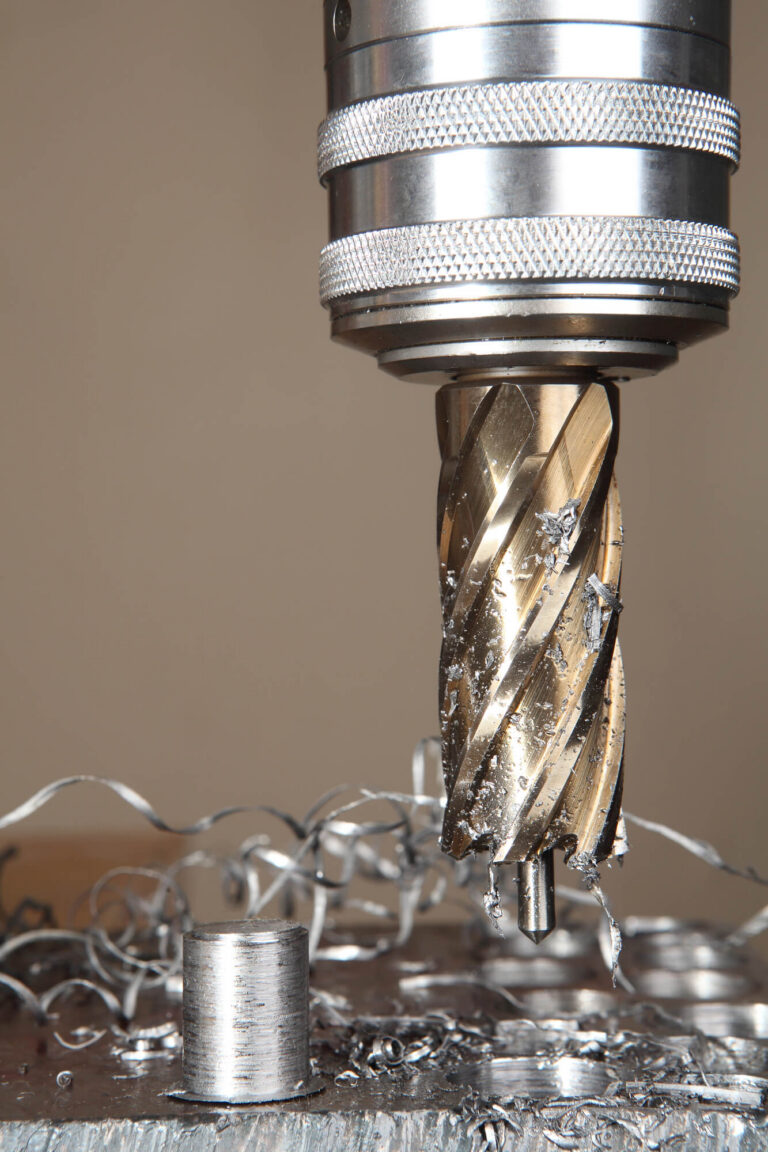
Worn and unwanted tools are collected from factories, engineering workshops, machine shops, and manufacturing facilities. These include drill bits, milling cutters, turning inserts, and other carbide components.
Recycling specialists inspect the collected materials to identify their composition, condition and suitability for processing.
Sorting and Separation
The tools are sorted according to their material composition. Tungsten carbide scrap must be separated from ordinary steel, aluminium and unrelated metal waste.
Keeping materials separate makes processing easier and helps prevent contamination.
Specialist Material Processing
Suitable scrap is sent for specialist treatment. Two established methods are chemical processing and zinc recycling.
Chemical processing uses controlled treatments to recover tungsten from carbide scrap. The recovered material can then be converted into tungsten compounds and powders for manufacturing.
The zinc process uses molten zinc to separate the cobalt binder from the tungsten carbide structure. After the zinc is removed, the recovered carbide material can be processed into reusable powder.
Recovery and Reuse
Once processing is complete, recovered tungsten can return to manufacturing supply chains. It can be used in new cutting tools, drilling equipment and other industrial components.
This gives valuable materials another useful life rather than allowing them to be lost through disposal.
Statistics Showing the Importance of Tungsten Recycling
Industry research highlights the importance of recovering tungsten from used industrial products.
A 2021 study published in the International Journal of Refractory Metals and Hard Materials estimated that the global recycling rate for tungsten carbide products was approximately 46%.
The research also estimated an average recycling rate of around 55% for tungsten carbide cutting tools. Some manufacturers were achieving rates above 80%, demonstrating the potential for effective collection and recycling systems.
The International Tungsten Industry Association (ITIA) also published global material flow figures based on 2016 data. These showed that 37,500 tonnes of recycled tungsten entered production from a total input of 108,500 tonnes, representing a recycling input rate of approximately 35%.
The same assessment estimated an end-of-life recycling rate of 30% for tungsten.
These figures show how old products and manufacturing scrap can provide an important secondary source of tungsten. They also highlight opportunities to improve collection and recovery.
Sources: International Tungsten Industry Association and Recycling of Tungsten: Current Share, Economic Limitations, Technologies and Future Potential.
Why Is Recycling Old Tungsten Carbide Tools Important?
Recovering tungsten carbide tools provides several benefits for industrial businesses and manufacturing supply chains.
Conserves Valuable Natural Resources
Tungsten is an important industrial metal used in numerous applications. Recovering existing material reduces reliance on newly mined resources and helps maintain available supplies.
Reduces Industrial Waste
Separating worn tools from general waste allows businesses to recover materials that would otherwise be discarded. This supports better waste management and resource efficiency.
Supports Manufacturing Supply Chains
Recycled tungsten provides manufacturers with an additional source of raw materials. Recovered metals can be processed and used to produce new industrial equipment and cutting components.
Creates Scrap Recovery Opportunities
Old tungsten carbide tools can retain considerable material value even when they are no longer suitable for their original purpose. Separating and storing them correctly can help businesses recover value from unwanted equipment.
How Can Businesses Manage Old Tungsten Carbide Tools?
Businesses that regularly use carbide cutting equipment should establish a suitable system for collecting and storing worn tools.
Keeping tungsten carbide scrap separate from ordinary metal waste makes identification and processing easier. Clearly labelled containers also help prevent valuable materials from becoming mixed with unrelated scrap.
Businesses should avoid unnecessary contamination from oils, plastics and other materials. Recording the quantities and types of scrap produced can also help improve waste management practices.
Working with a specialist recycling provider makes it easier to arrange suitable collections and identify the appropriate recovery route. Businesses can also explore tungsten recycling to understand how to collect and recover their unwanted materials.
The Future of Tungsten Carbide Tool Recycling
As manufacturing industries continue to depend on durable cutting and machining equipment, recovering tungsten carbide will remain important.
Improved processing technologies, better material identification and effective collection systems can help increase the amount of tungsten recovered from end-of-life products.
Businesses also play an important role by separating worn tools, storing scrap correctly, and arranging responsible collections.
Old tungsten carbide tools should not automatically be treated as worthless industrial waste. Their recoverable tungsten and cobalt content makes them a valuable resource for supporting manufacturing, reducing waste, and improving material recovery.