How Businesses Can Recover Value From Nickel Waste

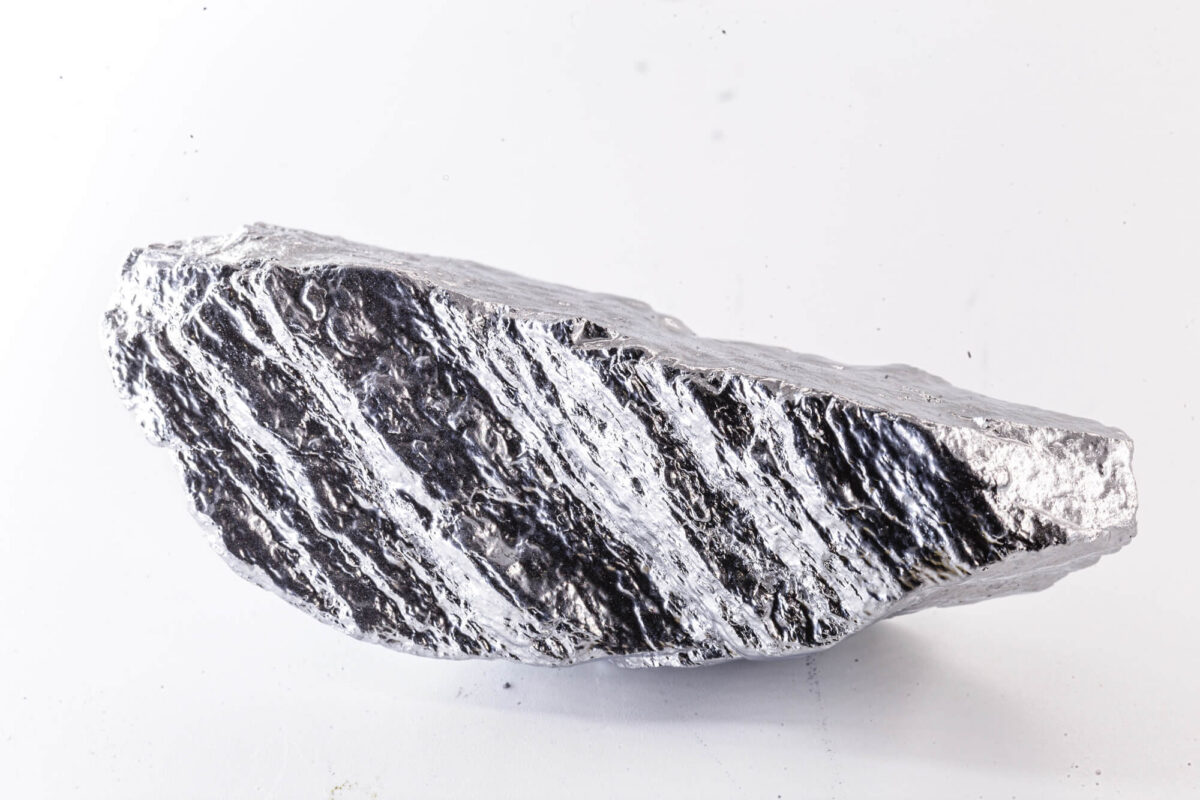
Businesses can recover value from nickel waste by sorting scrap, reducing taint, and working with specialist recyclers. Good nickel recycling can cut disposal costs and support resource efficiency.
Understanding how businesses recover value from nickel waste can help manufacturers cut disposal costs, improve resource efficiency and earn extra income from unwanted materials. Nickel is used in stainless steel, specialist alloys, batteries, engineering parts and industrial equipment. When these materials become surplus, damaged or no longer fit for production, they may still hold useful metal.
Rather than treating nickel waste as a disposal issue, businesses can see it as a secondary resource. Good sorting, separation, and recycling can help manufacturers recover useful material while supporting a more sustainable supply chain.
Why Nickel Waste Has Commercial Value
Nickel is a key industrial metal because it is strong, resists corrosion, and handles high heat. These traits make it useful in manufacturing and engineering.
Businesses create nickel waste through machining, cutting, fabrication, equipment upkeep, and product replacement. Common examples include nickel-alloy offcuts, machining swarf, rejected parts, production scrap and end-of-life equipment.
The value of nickel waste depends on its makeup, nickel content, grade, weight, taint and market price. Keeping these materials apart from general waste makes assessment easier and can improve recovery.
How Businesses Recover Value from Nickel Waste
Manufacturers can use several routes to turn unwanted nickel materials into useful secondary resources.
1. Sell Nickel Scrap to Specialist Recyclers
Selling suitable nickel scrap to specialist metal recyclers is one of the most direct ways to recover cash value. Recyclers assess materials by grade, nickel content, weight, and condition.
Clean, correctly identified scrap is generally easier to assess than mixed or tainted waste. Businesses should give accurate material details and estimated amounts when asking for quotes.
Regular collections can also stop valuable scrap from taking up storage space.
2. Recover Nickel from Manufacturing Offcuts
Cutting, drilling, machining and fabrication can create nickel-bearing offcuts. Although these materials may no longer suit their original use, they can still hold recoverable metal.
Businesses can collect these materials separately instead of putting them in general industrial waste. Keeping similar grades together can make processing and collection more efficient.
This approach helps manufacturers cut material losses and recover value from resources they have already bought.
3. Improve Nickel Swarf Management
Nickel swarf is made up of small metal fragments produced during machining and metalworking. These residues can hold useful nickel, so proper collection matters.
However, machining waste may also carry cutting fluids, lubricants and other residues. Businesses should use suitable collection systems and keep different material grades apart.
Good storage and handling can improve the quality of collected scrap and make it easier for specialist recyclers to assess.
4. Recycle End-of-Life Equipment
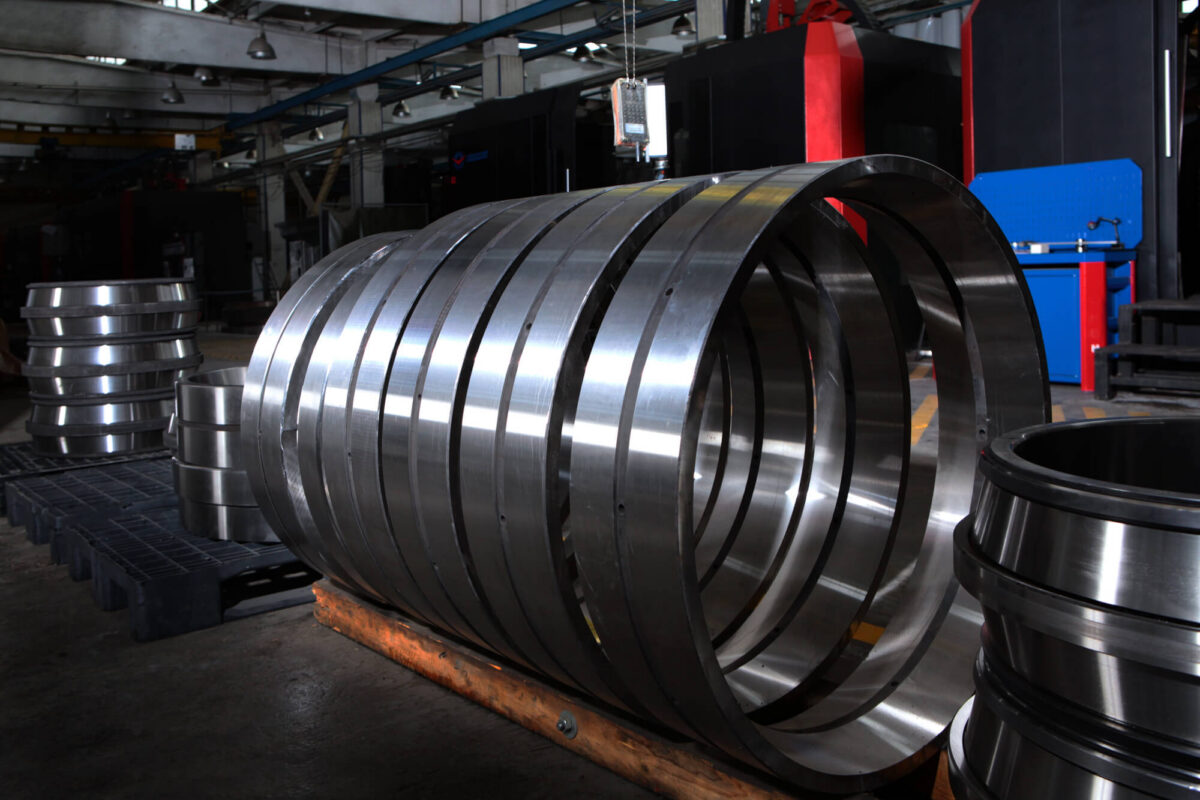
Industrial machines, engineering parts and stainless steel equipment may contain large amounts of nickel. When these items wear out, businesses should check them for material recovery.
Unwanted equipment can be taken apart and sorted so nickel-bearing parts enter the right recycling streams.
This helps prevent useful metals from being lost through needless disposal and creates chances to recover value from spare industrial assets.
Nickel Recycling Statistics and the UK Circular Economy
Nickel recycling already makes an important contribution to global metal supply. According to the International Nickel Study Group, about 4.4–4.6 million tonnes of nickel-bearing scrap are collected and recycled worldwide each year. This scrap contains almost 350,000 tonnes of nickel, or about one-quarter of total annual nickel demand.
Research published in Resources, Conservation and Recycling in April 2025 looked at global nickel flows from 2000 to 2022. It estimated that about 62 million tonnes of nickel were used during this period. Around 22 million tonnes came from recycling, compared with 40 million tonnes from mining.
The OECD also reported that secondary nickel, including scrap used directly in production, supplied about 26% of global nickel demand in 2023.
These figures show why nickel scrap recovery matters. Businesses that sort and recycle nickel-bearing materials can support the Nickel Scrap UK Circular Economy by keeping useful resources in use and helping supply secondary raw materials.
How to Improve the Value of Nickel Waste
The condition of nickel scrap can affect its market value. Materials with too much oil, dirt, moisture, or unrelated metals may need more processing before recycling.
Businesses can improve material control by using clearly labelled storage bins for different scrap grades. Staff should know which materials go in each bin, and regular checks can help spot taint.
For machining work, companies should also manage cutting fluids and other residues properly. Keeping metal waste apart from liquid waste makes handling easier and supports more accurate material checks.
Although these steps cannot promise a higher sale price, they can improve scrap consistency and recovery chances.
Choose the Right Nickel Recycling Partner
Working with an experienced recycling company can help businesses recover value from different types of nickel waste.
A suitable recycling partner should understand different nickel grades, explain collection needs, and provide details about its recovery process. Businesses should also check that their chosen waste contractor has the right permits for the materials and activities involved.
Before arranging a collection, companies should give details about the material type, estimated amount, condition and storage arrangements.
For manufacturers that produce nickel waste often, an ongoing collection plan can simplify waste management and support steady material recovery.
Businesses can also learn more about professional nickel recycling and the recovery of valuable industrial metals.
UK Waste Management Responsibilities
Recovering value from nickel waste also needs responsible waste management. In England and Wales, the Waste (England and Wales) Regulations 2011 set a waste hierarchy that favours prevention, reuse and recycling ahead of other recovery and disposal options.
Businesses must also follow waste duty of care rules. This includes making sure waste is sent to a properly authorised person and keeping the required records.
Some nickel-bearing materials may need more assessment depending on their makeup and taint. Companies should classify their waste correctly before arranging collection or treatment.
Following these rules helps businesses keep compliant waste management practices while recovering valuable materials.
Business Benefits of Nickel Waste Recovery
Recovering nickel waste can bring several commercial and environmental benefits.
Businesses may cut disposal costs by diverting recyclable materials from general waste streams. Selling suitable scrap can also create extra income, depending on its grade, amount and market value.
Recycling supports the supply of secondary raw materials and reduces dependence on newly extracted resources. Better sorting and tracking of waste streams can also help manufacturers spot production losses and improve material efficiency.
These benefits make nickel recycling a practical part of wider resource management and sustainable manufacturing strategies.
Businesses can recover value from nickel waste by sorting scrap, managing taint, collecting manufacturing offcuts and recycling redundant equipment. Working with specialist recyclers helps manufacturers identify suitable recovery routes and handle valuable materials responsibly.
Good nickel recycling can reduce unnecessary disposal, support secondary raw material supplies and help build a more sustainable industrial supply chain.