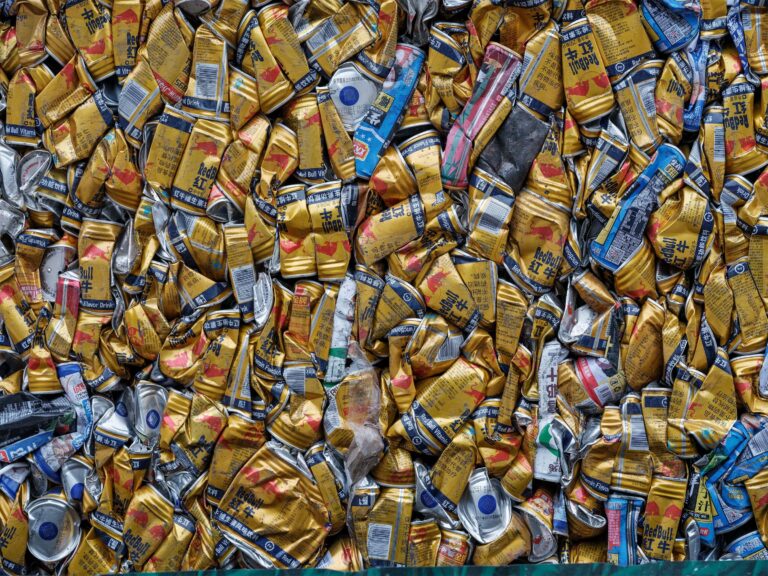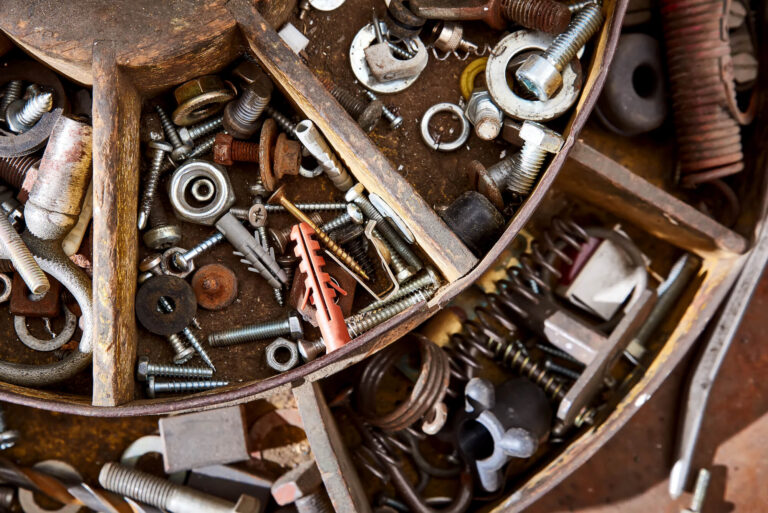
Recovered nickel can be processed and reused in stainless steel, specialist alloys, and battery materials. Recycling helps conserve resources, reduce waste, and support manufacturing supply chains.
Nickel is widely used in stainless steel, specialist alloys, rechargeable batteries and industrial equipment. When these products reach the end of their useful life, or manufacturing processes generate scrap, the material can often be collected and recovered for further use.
Rather than treating nickel waste as a disposal problem, businesses can view it as a valuable source of secondary raw materials. Through suitable processing and quality testing, recovered nickel can re-enter production and contribute to the manufacture of new industrial products.
Where Recovered Nickel Comes From
Nickel recovery begins with identifying materials that contain usable quantities of the metal. These can come from manufacturing operations, industrial machinery, construction waste and products that have reached the end of their service life.
Common sources include stainless steel offcuts, nickel-based alloy components, industrial pipes, tanks, machinery, battery waste and machining residues. Manufacturing businesses also generate nickel-bearing swarf and rejected components during everyday production.
Collecting these materials separately makes recycling easier and helps prevent valuable metals from becoming mixed with general waste. Keeping different grades apart also improves the quality of materials available for recovery.
How Recovered Nickel Is Prepared for Manufacturing
Before recovered nickel can return to manufacturing, it must pass through several processing stages. The methods depend on the original material, its nickel content and the intended application.
Collection and Identification
The process begins with collecting nickel-containing materials from manufacturing facilities, industrial sites and recycling operations. Recyclers identify the scrap and assess its composition to determine the most suitable recovery method.
Correct identification is important because stainless steel, nickel alloys and other mixed metals have different chemical properties.
Sorting and Separation
Collected scrap is separated according to metal type, grade and composition. Recycling facilities may use magnets, sensors and handheld analysers to distinguish different alloys.
Separating nickel-bearing stainless steel from ordinary carbon steel helps prevent contamination and makes the recovered material more suitable for further processing.
Processing and Refining
Once sorted, scrap is prepared through methods such as cutting, shredding and cleaning. Unwanted attachments, coatings and other contaminants may also need to be removed.
Depending on the feedstock, recovered nickel can undergo melting or specialised metallurgical treatment. Hydrometallurgical processes can also extract nickel from certain materials using chemical solutions. These methods produce secondary raw materials for metal producers and manufacturers.
Quality Testing
Recovered materials are tested to establish their chemical composition and suitability for manufacturing. Checks may include nickel concentration, impurities and other alloying elements.
This helps ensure that the recovered material meets the specifications required for its intended application.
How Recovered Nickel Can Return to Manufacturing
After processing and quality checks, recovered nickel can re-enter manufacturing through several routes. Its final destination depends on its grade, purity and physical form.
Stainless Steel Production
Stainless steel manufacturing is one of the main destinations for recovered nickel. Nickel improves corrosion resistance, toughness and other important properties in many stainless steel grades.
Suitable scrap can be melted and incorporated into new steel production. This allows recovered nickel to become part of new sheets, pipes, industrial containers and engineering components.
The International Nickel Study Group estimates that 4.4–4.6 million tonnes of nickel-bearing scrap are collected and recycled annually. This material contains almost 350,000 tonnes of nickel, much of which is used by the stainless steel industry.
Nickel-Based Alloy Manufacturing
Recovered nickel can also support the production of specialist alloys. These materials are used in applications where resistance to heat, corrosion and demanding operating conditions is essential.
Industries such as aerospace, chemical processing, power generation and engineering use nickel-containing alloys in machinery and components.
Where scrap has a suitable composition, it can be returned to alloy production. Careful sorting and testing help manufacturers maintain the required material specifications.
Battery Material Production
Nickel is also an important component in several rechargeable battery chemistries, including nickel-containing lithium-ion batteries.
Manufacturing scrap and suitable end-of-life batteries can be processed to recover nickel and other valuable metals. The recovered materials may then undergo further refining before being supplied to battery material producers.
However, not all recovered battery nickel automatically returns to battery production. Its destination depends on processing quality, chemical specifications, and market demand.
Nickel Recycling Statistics and Manufacturing Demand
Global research demonstrates how recovered nickel already contributes to industrial material supply.
A study published in Resources, Conservation and Recycling in April 2025 examined global nickel flows between 2000 and 2022. Researchers estimated that approximately 62 million tonnes of nickel were consumed during this period. Around 22 million tonnes came from recycling, compared with 40 million tonnes from mining.
The International Energy Agency also reported that nickel recycling from available battery recycling feedstock exceeded 40% in 2023. This included manufacturing scrap and end-of-life batteries.
These figures demonstrate that nickel recycling is already an established source of industrial materials. Improving collection, sorting, and processing can help increase the amount of recovered nickel available to manufacturers.
Benefits of Returning Recovered Nickel to Production
Reintroducing recovered nickel into manufacturing offers several advantages for businesses and the wider materials industry.
One important benefit is reduced demand for newly mined resources. Using secondary nickel provides manufacturers with another source of raw material while making better use of metals that have already been extracted.
It also improves industrial resource efficiency. Nickel-bearing scrap contains valuable material that can be recovered rather than discarded. This helps reduce waste and keeps useful metals in circulation.
Recovered nickel can also support manufacturing supply chains by providing an additional source of material. Although primary production remains important, recycling helps diversify the available supply.
Furthermore, separating nickel-containing materials from general industrial waste can reduce the volume of recyclable metals sent for disposal. This supports a more circular approach to manufacturing.
The environmental benefits depend on collection methods, transport distances, processing technology, and energy sources.
Challenges in Using Recovered Nickel
Despite its benefits, returning recovered nickel to manufacturing involves several challenges.
Material contamination is a major concern. Mixed metals, coatings, oils and unwanted substances can affect the quality of recycled materials. Proper sorting and preparation are therefore essential.
Maintaining consistent chemical composition is another challenge. Manufacturers working with specialist alloys or battery materials often require precise nickel concentrations and strict quality standards.
The availability of suitable scrap can also vary. Nickel-containing products often have long service lives, meaning some materials may remain in use for decades before becoming available for recycling.
Improving collection systems, investing in recycling technology and maintaining reliable relationships between recyclers and manufacturers can help address these issues.
The Future of Recovered Nickel in Manufacturing
Demand for nickel remains important across stainless steel production, engineering, battery manufacturing and other industrial applications.
As recycling technology improves, more opportunities may emerge to recover nickel from manufacturing residues and end-of-life products. Better material identification, advanced separation equipment and improved refining processes can increase the amount of nickel available for reuse.
Manufacturers can contribute by separating nickel-bearing scrap at the source and working with professional recycling facilities. These steps make it easier to identify valuable materials and return them to suitable production processes.
Cooperation between manufacturers, metal processors and recycling businesses will remain important for developing more efficient recovery systems.
Recovered nickel connects recycling with modern manufacturing. Through collection, sorting, processing, refining and quality testing, nickel-bearing scrap can become a valuable secondary raw material for stainless steel, specialist alloys and battery materials.
As industries look for more resource-efficient production methods, nickel recycling offers a practical way to recover valuable metals, reduce waste and support long-term material supply.