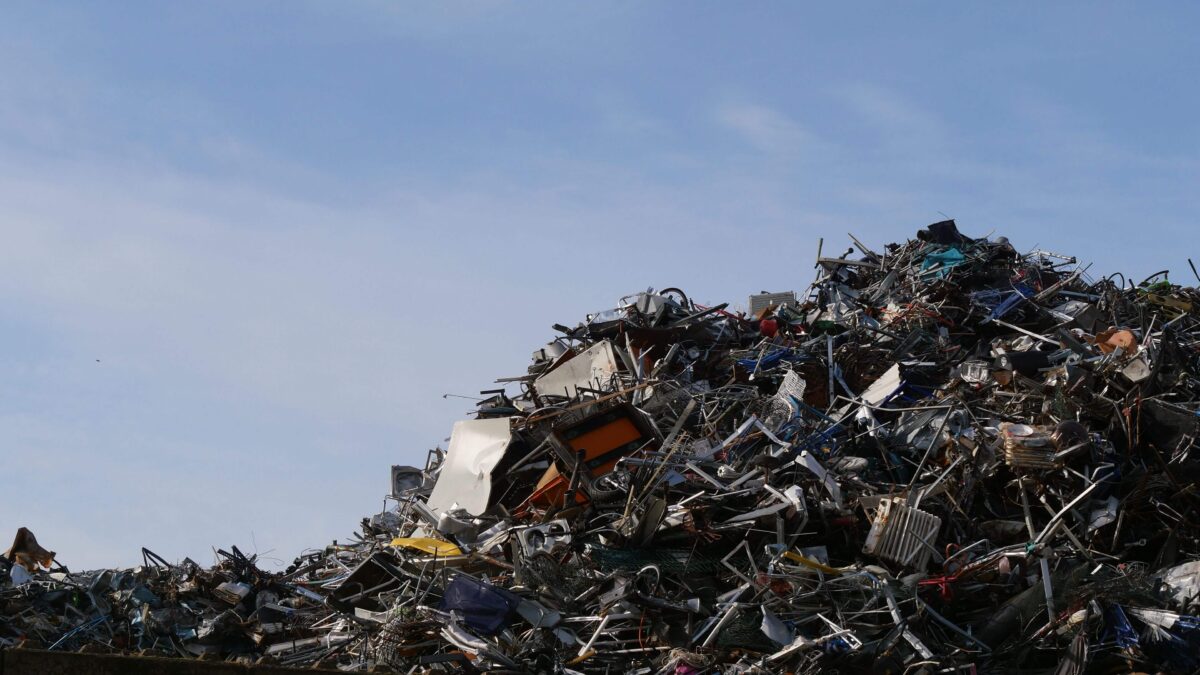
Industrial metal waste comes from manufacturing, construction, engineering, automotive production and machinery maintenance. Recycling recovers valuable metals and reduces waste.
Industrial metal waste is generated across many industries in the UK. Manufacturing facilities, construction sites, engineering workshops and automotive businesses all produce unwanted metal materials during production, repairs and maintenance.
Common examples include steel offcuts, aluminium sheets, copper wiring, metal shavings, damaged machinery parts and unwanted components. Although businesses may consider these materials discarded metal, many still contain valuable resources that can be recovered.
Identifying the most common sources of industrial metal waste helps businesses improve waste management, reduce material losses and increase recycling. It also creates opportunities to recover valuable scrap metals rather than sending reusable materials for disposal.
According to the Department for Environment, Food & Rural Affairs (Defra), England generated approximately 32 million tonnes of commercial and industrial waste in 2024. Manufacturing and other business activities contribute to this waste stream. However, the figure includes different waste materials, not just metals.
Understanding where industrial scraps originate is an important first step towards improving resource efficiency and supporting a circular economy.
- Manufacturing and Metal Production
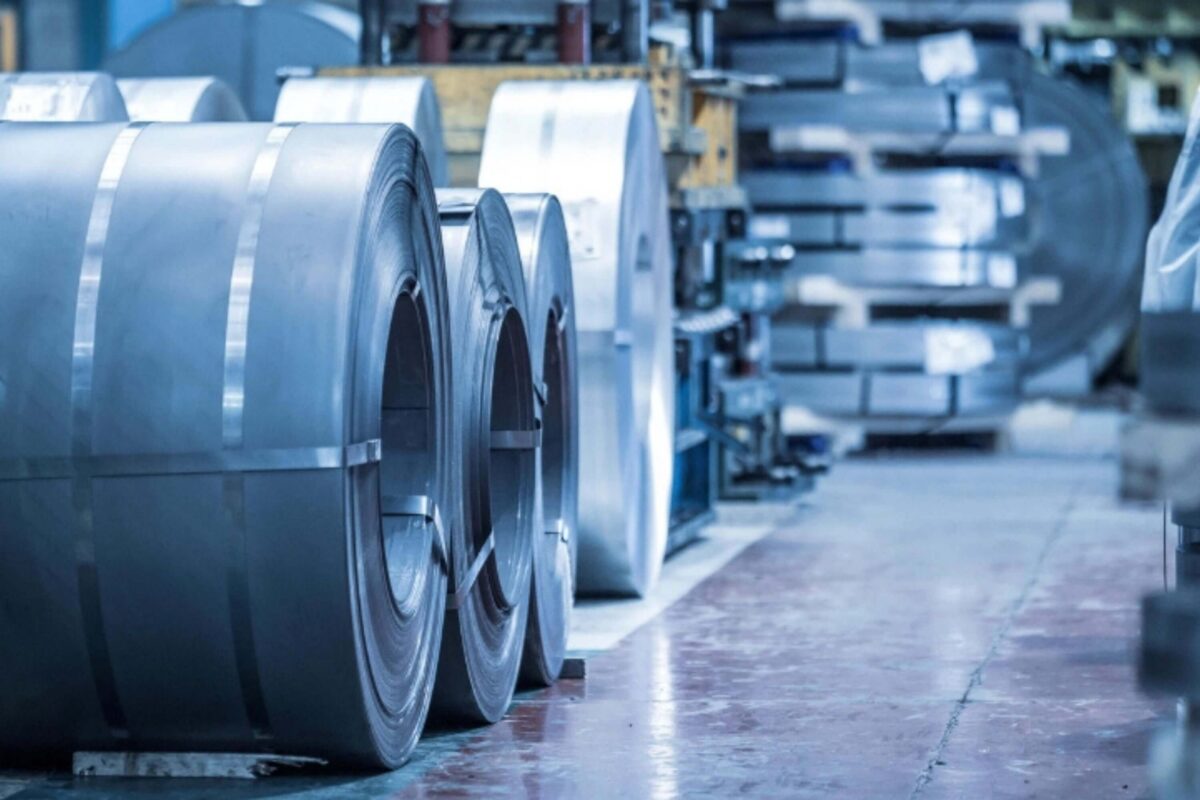
Manufacturing is one of the most common sources of industrial metal waste. Factories process large quantities of raw materials to produce machinery, vehicles, tools, equipment and structural components.
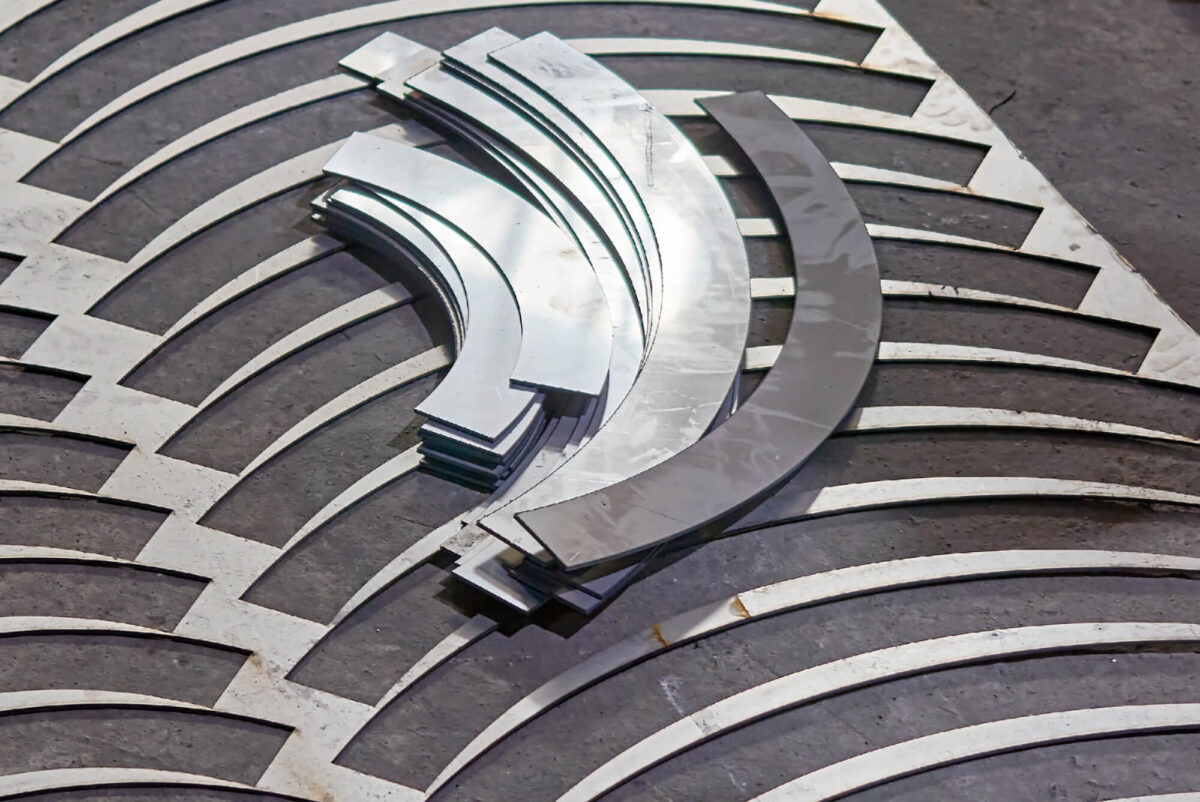
During production, metals like steel, aluminium, copper and stainless steel are cut, shaped, drilled and welded. These processes often leave unwanted materials that cannot be included in the finished product.
Common examples include steel offcuts, aluminium sheets, copper pieces, rejected components and leftover metal sections.
Metal production can also generate waste through casting, forging and rolling. Excess material may need to be removed to achieve the correct dimensions and surface finish. Faulty products and rejected components create additional scrap.
Manufacturing facilities can generate consistent quantities of ferrous scrap and non-ferrous materials because production takes place regularly.
Separating different metal grades allows manufacturers to recover valuable materials more efficiently. It also helps maintain material quality and makes the recycling process easier.
- Metal Fabrication and Engineering Workshops
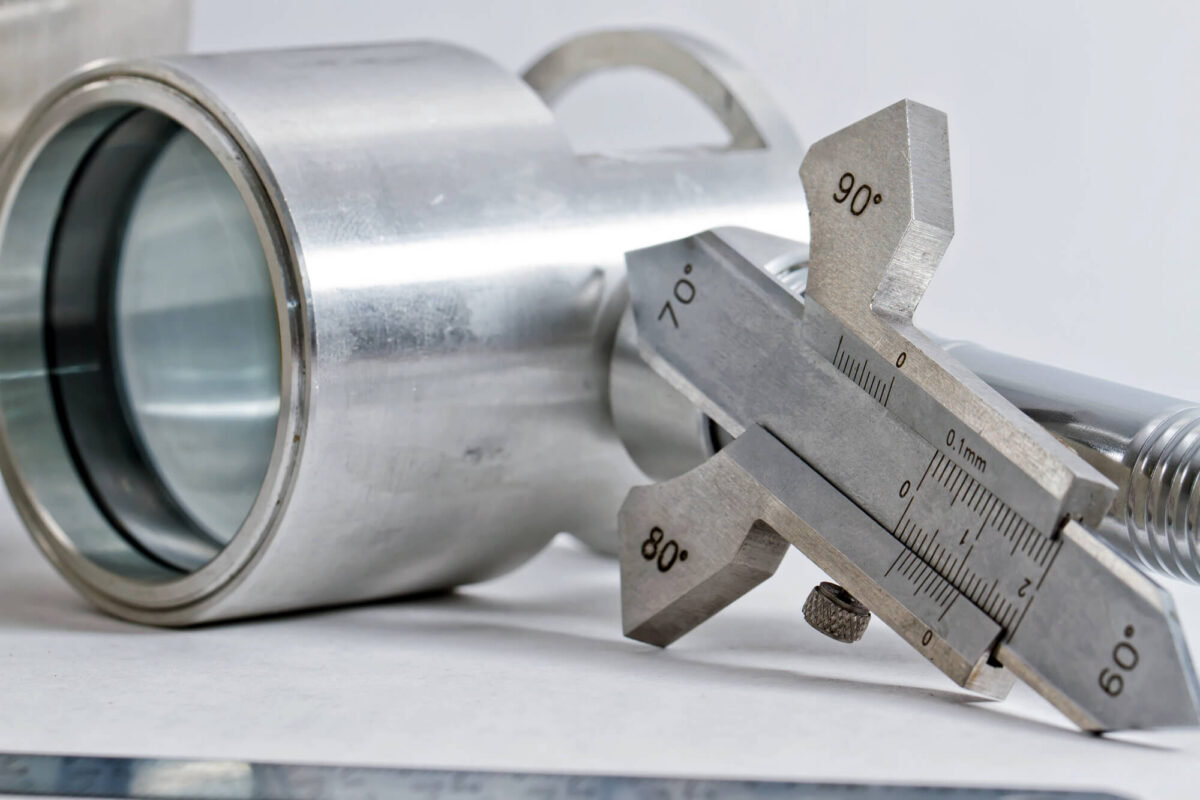
Metal fabrication and engineering workshops produce industrial metal waste through cutting, machining, grinding, drilling and welding.
These processes transform raw materials into finished components used in construction, transport, machinery and industrial equipment.
One common waste material is metal swarf. This consists of small metal fragments produced during machining operations. Depending on the process, swarf can contain steel, aluminium, brass, copper and stainless steel.
Other examples include metal shavings, grinding residues, sheet offcuts, rejected parts and damaged tools.
Computer numerical control (CNC) machining can generate considerable quantities of metal waste, particularly when manufacturing complex components. Cutting away excess material is necessary to achieve the required shape and dimensions.
For example, producing a component from a solid metal block can leave a significant amount of unused material. Although it is no longer suitable for its original purpose, it may still have recycling value.
Businesses should keep different metal grades separate and manage contaminated swarf carefully. Oils, coolants, and other residues can affect how these materials need to be stored and processed.
- Construction and Demolition Projects
Construction and demolition activities are another major source of industrial metal waste.
Metal materials are used throughout commercial buildings, factories, warehouses, infrastructure projects and industrial facilities. When structures are renovated, dismantled or demolished, these materials can become scrap.
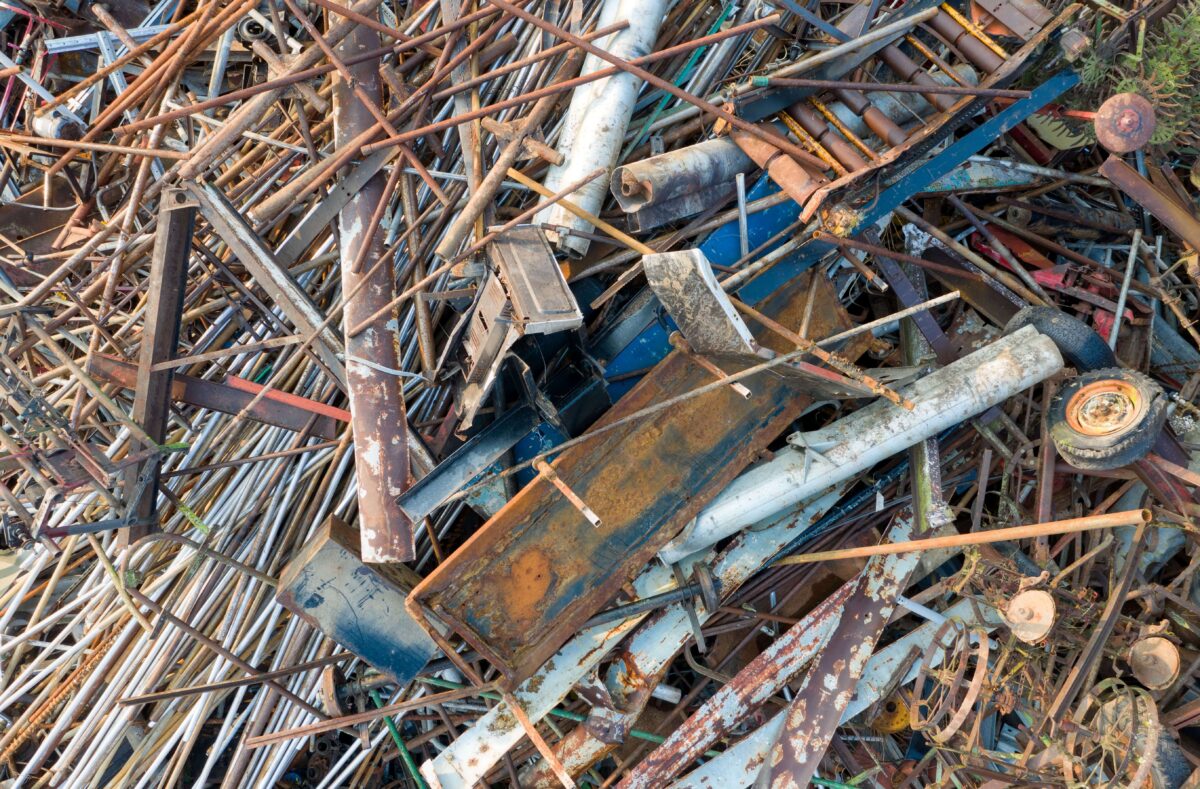
Common examples include structural steel beams, aluminium frames, copper wiring, metal roofing, reinforcement bars, pipes and metal fixtures.
Construction activities also generate waste through inaccurate measurements, cutting errors, damaged materials and changes to project designs. Leftover metal sections may be discarded when they are no longer required.
Demolition projects can produce larger quantities of scrap metal, particularly when removing industrial buildings and steel structures.
Defra reported that England generated an estimated 63.3 million tonnes of non-hazardous construction and demolition waste in 2024. Around 60.3 million tonnes were recovered, representing a provisional recovery rate of 95.3%.
These figures cover a range of construction and demolition materials, not metals alone.
Recovering steel, aluminium and copper from construction projects reduces the demand for newly extracted raw materials. It also returns suitable scrap to the manufacturing supply chain.
- Automotive Manufacturing and Vehicle Maintenance
The automotive industry generates industrial metal waste during vehicle manufacturing, repairs, maintenance and end-of-life vehicle processing.
Cars and commercial vehicles contain numerous metal components. Steel and aluminium are used in body panels, chassis structures, engine components and other vehicle parts.
Manufacturing processes such as stamping, pressing, cutting and welding produce metal offcuts and rejected components.
Vehicle maintenance workshops also generate scrap through replacement and repair work. Damaged exhaust systems, brake discs, engine components, radiators and other metal parts may need to be removed.
End-of-life vehicles create another important source of recoverable materials. Once vehicles reach the end of their useful lives, they can be dismantled to separate reusable components and recyclable metals.
Ferrous metals, including steel and iron, are commonly recovered alongside non-ferrous materials such as aluminium and copper.
Proper separation is important because different metals require different recycling processes. Recovering these materials helps reduce the amount of vehicle-related waste sent for disposal.
- Electrical and Electronic Equipment Manufacturing
Electrical and electronic equipment manufacturing produces different types of industrial metal waste. These industries use metals in motors, transformers, cables, circuit boards, generators and electrical components.
Copper and aluminium are particularly important because of their electrical conductivity. Steel and other metals are also used in equipment casings, supporting structures and mechanical components.
Waste is generated when manufacturers cut cables, assemble electrical products or replace defective components. Surplus wiring, damaged connectors, metal housings and rejected electrical parts can all become industrial scrap.
Electrical maintenance and equipment replacement create additional waste. Businesses regularly remove outdated motors, transformers, generators and other machinery when upgrading their facilities.
Some electrical equipment contains valuable metals that can be recovered through specialist recycling processes. However, electronic components may also contain plastics, insulation and potentially hazardous substances.
Electrical waste should therefore be assessed before processing. Separating recyclable metals from other materials helps improve recovery and ensures that waste is handled appropriately.
- Machinery and Industrial Equipment Maintenance
Industrial machinery is used in manufacturing plants, warehouses, processing facilities and engineering operations. Over time, equipment experiences wear, corrosion and mechanical damage.
When machinery requires maintenance or replacement, businesses often remove metal components that are no longer suitable for use.
Common examples include steel gears, aluminium housings, copper motors, stainless steel pipes, pumps, valves and mechanical fittings.
Regular maintenance can also produce smaller quantities of scrap. Worn bearings, damaged shafts, broken tools and replacement parts may be removed during servicing.
Larger industrial equipment can generate substantial amounts of scrap when it reaches the end of its operational life. Machinery dismantling may release several different metal grades that need to be identified and separated.
Recovering these materials helps businesses reduce waste and return useful metals to the manufacturing supply chain.
For example, copper windings from suitable electric motors can be recovered, while steel frames and aluminium housings can enter their respective recycling streams.
- Foundries and Metal Casting Operations
Foundries and metal casting facilities generate waste during the production of metal components.
Casting involves heating metal until it becomes molten before pouring it into moulds. Once the material cools, the finished component is removed and prepared for further processing.
However, not all metal produced during casting becomes part of the final product.
Excess metal from pouring channels, runners and risers may need to be removed. Defective castings, rejected products and unwanted metal residues can also contribute to industrial scrap.
Common materials include cast iron, steel, aluminium, brass and other metal alloys.
Some clean metal returns can be melted down and reused within the casting operation. This reduces the need for producing new metal from virgin ore and helps limit production losses.
Other scrap may require external processing, particularly when it contains mixed alloys or contaminants.
Foundries can improve material recovery by separating metal grades and monitoring the quality of incoming and outgoing materials.
- Metal Packaging and Container Manufacturing
Metal packaging manufacturers produce waste when forming, cutting and assembling metal containers.
Steel and aluminium are commonly used to manufacture cans, drums, tins, industrial containers and other packaging products.
Production processes can generate sheet offcuts, rejected containers, damaged packaging and metal pieces left over from cutting and shaping operations.
These materials can often be collected and recycled when they are kept separate from unsuitable waste.
Defra’s 2026 waste statistics reported that the UK generated 665,000 tonnes of metal packaging waste in 2025, with 521,000 tonnes recycled. This represented a provisional recycling rate of 78.4%.
These figures include packaging waste from different sources, rather than industrial manufacturing scrap alone.
For manufacturers, separating clean production offcuts from contaminated packaging helps maintain material quality and supports efficient recycling.
- Shipbuilding and Heavy Engineering
Shipbuilding and heavy engineering require large quantities of steel, aluminium and other metals to manufacture and maintain industrial structures.
Shipyards use metal plates, beams, pipes and structural components to build vessels and offshore equipment. Cutting, welding and shaping these materials produces offcuts and unwanted sections.
Repairs and refurbishment also generate scrap when damaged or corroded metal components are replaced.
Heavy engineering projects can produce substantial metal waste because the structures and equipment involved are often large.
Common materials include stainless steel, carbon steel, aluminium, copper and specialist metal alloys.
Some scrap may be suitable for direct reuse, while other materials need sorting and processing before recycling.
Proper identification is particularly important when dealing with specialist alloys, as mixing different grades can reduce the quality and value of recovered materials.
- Industrial Energy and Power Generation
Energy production and power generation facilities are another source of industrial metal waste.
Power stations, renewable energy installations, substations and industrial energy systems contain metal components that require regular inspection and maintenance.
Equipment such as turbines, generators, transformers, electrical cables, support structures and cooling systems contains different recoverable metals.
When equipment becomes damaged, outdated or inefficient, components may be replaced or dismantled.
This creates scrap materials such as copper wiring, steel structures, aluminium components and stainless steel parts.
Renewable energy installations can also generate metal waste during maintenance, refurbishment and equipment replacement. For example, solar installations contain aluminium frames, copper cables and other metal components.
Recovering these materials helps prevent valuable resources from being unnecessarily discarded and supports the wider circular economy.
Common Types of Industrial Metal Waste
Industrial operations generate different metal waste streams depending on the materials they use and the processes involved.
Steel and cast iron are common ferrous metals found in manufacturing, construction, machinery and demolition waste. Stainless steel is frequently recovered from engineering, food processing and industrial equipment.
Aluminium is generated through automotive production, fabrication and packaging. Copper commonly comes from electrical manufacturing, wiring and power generation. Brass is recovered from plumbing, engineering and electrical components.
Other valuable materials include nickel from specialist alloys and machinery, lead from batteries and certain industrial applications, and titanium from aerospace and specialist manufacturing.
These scrap metals have different properties and recycling requirements. Keeping materials separate makes it easier to identify their composition and send them to suitable recycling facilities.
How Much Industrial Waste Is Generated in the UK?
Industrial metal waste forms part of the wider commercial and industrial waste stream. Although official statistics do not provide a single total for all industrial metal waste generated in the UK, recent figures demonstrate the scale of industrial waste production.
Defra’s September 2026 statistics estimate that England generated 32 million tonnes of commercial and industrial waste in 2024. Of this amount, approximately 9.3 million tonnes came from industrial activities and 22.7 million tonnes from commercial activities.
The Environment Agency also reported that regulated industrial sites produced 16.4 million tonnes of waste in 2024. This represented a 16% increase compared with 2023. Around 77% of waste produced by permitted sites was recovered.
These figures cover different reporting categories and should not be added together. They also include materials other than metals.
Nevertheless, they demonstrate why effective industrial waste management and material recovery remain important for UK businesses.
Why Is Recycling Industrial Metal Waste Important?
Recycling industrial metal waste provides environmental and economic benefits for businesses.
Metals such as steel, aluminium, copper and brass can be recovered and processed into materials for new products. This reduces the need to extract natural resources through mining and other resource-intensive activities.
Producing recycled aluminum, for example, generally requires substantially less energy than producing primary aluminium from virgin ore. Industry estimates commonly place the energy saving at around 95%, although actual results depend on processing methods and material quality.
Recycling scrap metal can also reduce the environmental impact associated with mining, raw material extraction and metal production.
For manufacturers, recovering production offcuts and unwanted components creates additional value from materials that would otherwise require disposal.
Another important benefit is conserving energy and reducing waste. Separating recyclable metals from general industrial waste helps businesses improve their waste management practices and support a more resource-efficient production system.
These environmental benefits make metal recycling an important part of the circular economy, where materials remain in use for as long as possible.
How Can Businesses Reduce Industrial Metal Waste?
Businesses can take practical steps to reduce the amount of industrial metal waste they generate.
Improving material planning is a useful starting point. Accurate measurements and production schedules can reduce unnecessary cutting, excess material purchases and manufacturing errors.
Regular machinery maintenance can also prevent avoidable material losses. Equipment that operates correctly is less likely to produce defective components or unnecessary scrap.
Another important step is introducing separate collection systems for different metal grades. Keeping aluminium, copper, brass, stainless steel and steel apart can improve material identification and recycling efficiency.
Businesses should also review their waste storage arrangements. Metal scrap should be stored in suitable containers to prevent contamination and maintain material quality.
Working with specialist metal recyclers can further improve recovery. Experienced recycling companies can help identify different materials, arrange suitable collections and ensure that scrap is directed towards appropriate recycling processes.
Businesses can also explore specialist services such as aluminium recycling, brass recycling and nickel recycling to understand how different materials can be recovered.
Industrial metal waste comes from many different industries, including manufacturing, construction, automotive production, engineering, electrical equipment manufacturing and energy generation.
Common waste streams include metal offcuts, machining swarf, damaged components, pipes, cables, machinery parts and structural steel.
Identifying where these materials originate helps businesses improve production processes, reduce unnecessary waste and recover valuable resources.
By introducing better separation systems and working with specialist metal recycling facilities, businesses can turn unwanted industrial scrap into reusable materials while supporting a more sustainable manufacturing and recycling industry.