Global metals demand comes from building, making goods, power use, and renewable energy. Recycling helps keep supply steady and cuts the need for mining.
How Much Metal Do Countries Produce Worldwide?
Global metal output varies by country and industry. Steel is one of the biggest markets for metals because it is vital for buildings, rail lines, machines, and heavy gear.
According to the World Steel Association, world crude steel output reached about 1,882.6 million metric tons in 2024. China made 1,005.1 million metric tons, and India made 149.6 million metric tons.
More recent World Steel Association figures show global crude steel output at about 1,850.3 million metric tons in 2025. That shows output can change with the economy and factory activity.
Copper and aluminium are also key to global industry. Copper is used in wire, power lines, and electronics because of its conductance. Aluminium is light, so it suits vehicles, aircraft, buildings, and packaging.
Output should not be mixed up with use. Some countries make more metal than they use, while others import it to meet demand.
What Drives Global Demand for Metals?
Several things shape metals demand. Growth, business investment, population growth, and new tech all change how much metal the industry needs.
Construction Sector and Infrastructure
The construction sector uses a lot of metal. Homes, offices, bridges, roads, and rail lines need large amounts of steel, aluminium, and copper.
Growing economies often use more metal as cities grow. Governments also spend on roads, power grids, and water systems.
These projects create long-term demand because materials are needed during building, repair, and upgrades.
Renewable Energy and Electric Vehicles
The move to cleaner energy is changing global metals markets. Solar panels, wind turbines, battery storage, and electric vehicles need different metal mixes.
Copper is especially important for power grids and renewable energy systems. Lithium, nickel, cobalt, and graphite are used in many battery types.
The International Energy Agency (IEA) said lithium demand rose by nearly 30% in 2024. Demand for nickel, cobalt, graphite, and rare earths also rose by about 6-8%.
These gains show how renewable energy and electric vehicles are driving metals demand.
Manufacturing and Data Centers
Factories depend on a steady metal supply to make machines, vehicles, electronics, and parts.
The growth of data centers, telecoms networks, and digital systems is adding demand for copper, aluminium, and specialist metals. These sites need power systems, cooling gear, structural materials, and backup power.
As tech improves, makers need materials with the right heat, electrical, and strength traits. That makes access to suitable raw materials more important.
Which Metals Have the Highest Global Demand?
Some metals play a bigger role in world markets than others.
Steel and iron are vital for buildings, transport, machines, and heavy industry. Aluminium is used in vehicles, aircraft, packaging, and building materials because it is light and does not rust easily.
Copper supports power generation, power lines, telecoms, and electronics. Nickel is used in stainless steel, special alloys, and some rechargeable batteries.
Cobalt matters for some battery types, aircraft parts, and high-performance alloys. Rare earths are used in strong magnets, electronics, renewable energy gear, and special industrial uses.
The importance of each material depends on supply, use, and projected demand. That is why global metal use cannot be measured with just one commodity.
How Do Supply Chains Affect Metal Prices?
Global metal supply chains link miners, processors, makers, distributors, and recycling plants. These firms move raw materials from mine sites to industry.
But metal supply is not spread evenly. Some countries control large shares of mining, refining, and processing for certain metals. That can create dependence on foreign suppliers.
Changes in supply and demand can move metal prices. When use rises faster than output, prices may rise. When supply is high or factory output slows, prices may fall.
Other factors include transport costs, energy prices, trade limits, and politics. Declining ore grades can also make mining harder and raise costs over the long term.
For makers, tracking global metals markets helps with buying, cost control, and steady supply.
Can Metal Recycling Help Meet Global Demand?
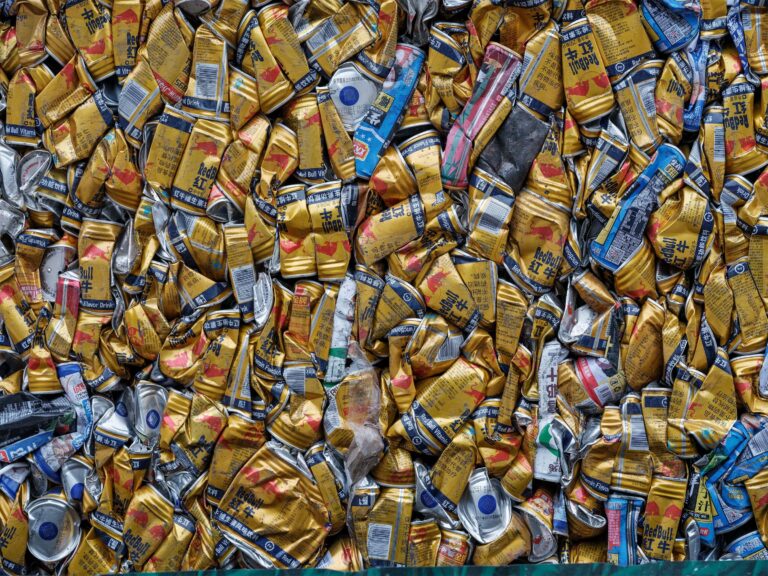
Metal recycling helps meet global needs without relying only on new mining.
Instead of sending valuable metal to landfill, firms can recover metal from waste, old machines, vehicles, and end-of-life equipment. These materials can then be processed and returned to supply chains.
Many metals, including aluminium, copper, steel, brass, and nickel, can be recycled again and again without losing key traits.
Recycling can also cut the energy needed to make metal. According to the International Aluminium Institute, recycling aluminium can save about 95% of the energy needed to make new aluminium.
For example, firms that make copper cables, aluminium offcuts, brass parts, and stainless steel scrap can use professional metal recycling services.
Recovering these materials gives makers secondary raw materials while cutting waste and reducing the need for mining.
What Is the Future of Global Metal Demand?
Future metal needs are likely to stay tied to growth, new tech, and cleaner energy.
According to the IEA’s Global Critical Minerals Outlook 2025, under its Stated Policies Scenario, lithium demand could rise nearly fivefold from 2024 to 2040. Nickel and graphite demand could roughly double, while copper demand is set to rise by about 30%.
These forecasts show how great future demand may be. More electric vehicles, battery storage, and renewable energy projects will need huge amounts of metal.
Steel and aluminium will also stay important for roads, transport, and factories. Even if some markets slow, these metals will still support key parts of the economy.
The International Energy Agency’s figures are measured in million metric tons, or million tons in some market reports, showing the scale of future demand.
Better recycling systems, substitute materials, and higher efficiency will help firms adapt to change.
Global metals demand is shaped by building, making goods, renewable energy, electric vehicles, and technology. As these sectors grow, steady supplies of steel, copper, aluminium, and critical minerals will stay important.
Recycling can help meet future needs by recovering valuable metals, cutting waste, and strengthening supply chains.