How Much Metal Waste Is Generated by Engineering Businesses?

Engineering businesses produce metal waste during machining, fabrication, cutting, and equipment maintenance. The amount depends on output, materials, and how well production runs. Recycling helps recover valuable metals and cut disposal costs.
Engineering businesses generate metal waste through machining, fabrication, cutting, drilling, and manufacturing.
How Much Metal Waste Do Engineering Businesses Generate?
There is no separate UK national figure for engineering metal waste. But UK waste and recycling data show the scale of business waste and why metal recovery matters.
Knowing where metal waste comes from helps manufacturers cut losses, improve production, and recover valuable materials through scrap metal recycling.
According to the Department for Environment, Food and Rural Affairs (Defra), England generated about 32 million tonnes of commercial and industrial waste in 2024. This includes waste from manufacturing, retail, food production, and other business activities.
This figure does not show engineering waste alone. But it gives useful context for the amount of waste from industrial and commercial work.
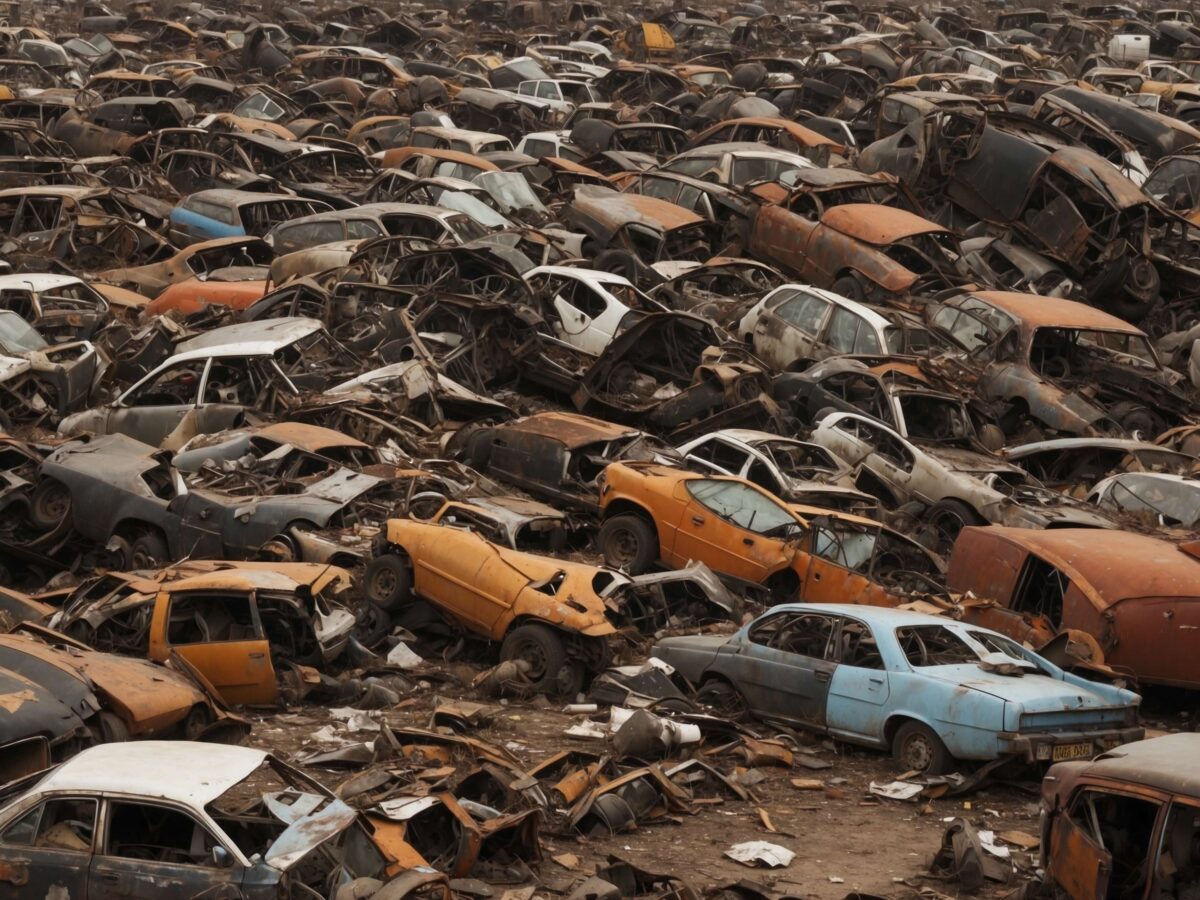
Engineering businesses add to these waste streams through metal offcuts, machining swarf, rejected parts, damaged materials, and unwanted equipment.
The amount varies between businesses. A small precision workshop may produce only modest scrap, while a large plant with several production lines can create a high volume of metal waste each week.
Where Does Metal Waste Come From in Engineering Businesses?
Metal waste is produced at different stages of engineering work. Spotting these sources helps manufacturers understand material loss and improve waste management services.
1. Metal Cutting and Fabrication
Cutting and fabrication are common sources of industrial metal waste. Manufacturers cut sheets, plates, bars, and metal sections to make parts.
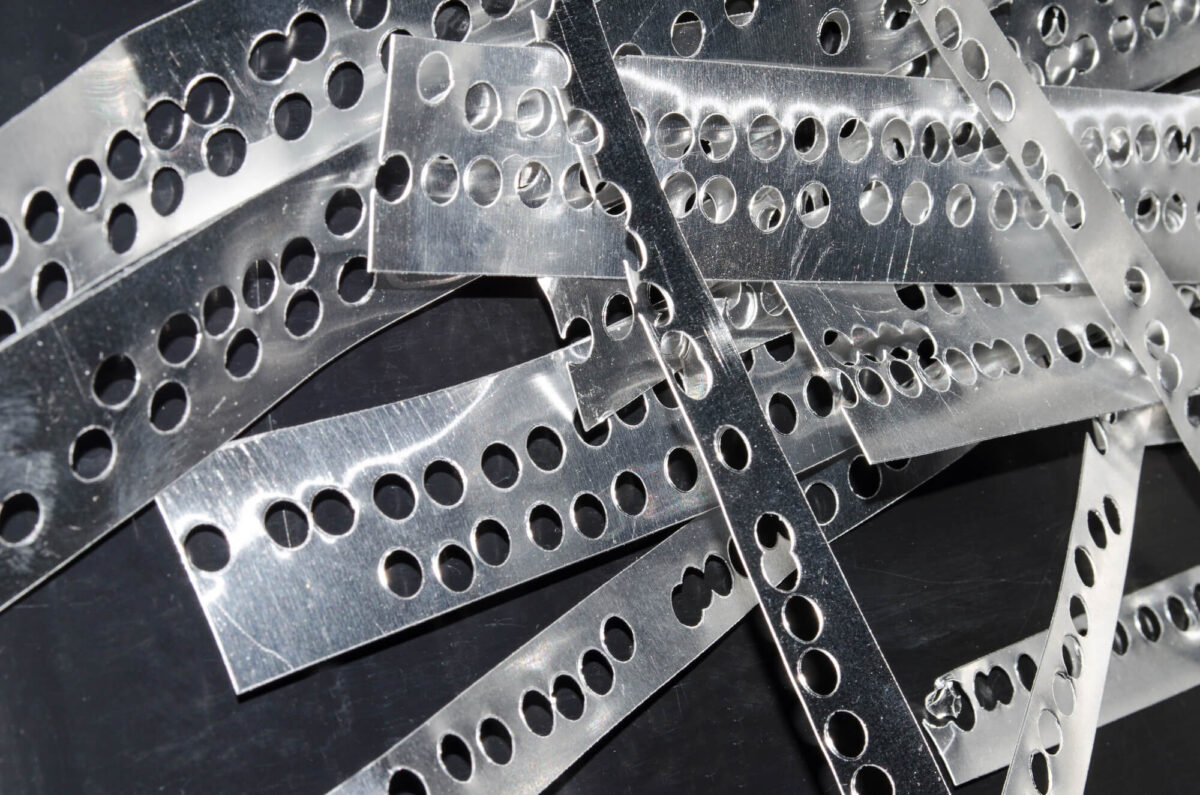
These processes leave unwanted pieces called metal offcuts. They may include stainless steel, aluminium, copper, brass, and carbon steel.
Some offcuts can be reused in later production. But smaller or uneven pieces may become scrap metal. Poor cut layouts and wrong measurements can increase losses.
2. Machining and Metalworking
Machining such as milling, turning, drilling, and grinding removes extra material to make finished parts.
These tasks produce metal swarf, chips, filings, and fine dust. Depending on the machines and materials used, the waste may contain aluminium, steel, brass, or copper.
Businesses running several machines all day can create large amounts of machining waste. Separating different metals keeps recyclable materials clean and helps stop metal mix-ups.
3. Rejected Components and Manufacturing Defects
Not every part meets the required spec. Wrong measurements, surface defects, and production errors can lead to rejected products.
These parts may still hold valuable metals, even if they cannot be used as planned. If repair or rework is not practical, recycling lets manufacturers recover the materials.
Good machine settings and regular quality checks can reduce rejected products and waste.
4. Equipment Maintenance and Replacement
Engineering businesses often replace worn machine parts, tools, fixtures, and industrial equipment. Maintenance work can create extra scrap metal.
Old bearings, metal housings, steel frames, copper wiring, and damaged parts may contain usable materials. Keeping these items apart from general waste makes sorting and recycling easier.
Which Metals Are Commonly Found in Engineering Scrap?
The kinds of metal waste depend on the products made and the materials used.
Steel and stainless steel are common in structural parts, machinery, tools, and industrial equipment. Cutting, drilling, and machining create offcuts, swarf, and unwanted parts.
Aluminium is common in lightweight engineering uses, vehicle parts, and machinery. Sheet cutting, milling, and fabrication create aluminium scrap that can be collected and recycled.
Copper is found in electrical equipment, motors, wiring, and industrial parts. Manufacturing and maintenance can produce copper offcuts and unwanted parts.
Brass is used in fittings, valves, connectors, and precision parts. Turning and machining can produce brass swarf and leftover pieces.
Nickel and titanium are used in special engineering work, including aerospace, chemical processing, and high-performance equipment. These metals may appear in smaller amounts, but their recovery can be very valuable.
What Do UK Metal Recycling Statistics Tell Us?
Although engineering-specific metal waste figures are limited, wider UK waste and recycling data provide useful detail on material recovery.
According to Defra’s 2024 packaging waste figures, the UK generated 682,000 tonnes of metal packaging waste. Of this amount, 536,000 tonnes were recycled, giving a recycling rate of 78.7%.
Steel packaging made up 444,000 tonnes, and 379,000 tonnes were recycled. Aluminium packaging made up another 238,000 tonnes, with 157,000 tonnes recycled.
These figures relate to packaging, not engineering production waste. They should not be used as a direct measure of industrial scrap generation. But they do show the recovery potential of different metals.
For engineering businesses, these statistics show why separating metallic wastes and improving the collection of recyclable materials matters.
Why Should Engineering Businesses Recycle Metal Waste?
Recycling metal waste helps engineering companies recover materials that would otherwise lose value through disposal.
One important benefit is resource conservation. Metals such as copper, aluminium, nickel, and steel can be recycled and used in new manufacturing. This cuts the need to extract and process more raw materials.
Metal recycling can also reduce energy use. According to the International Aluminium Institute, recycling aluminium uses about 95% less energy than making primary aluminium from raw materials.
Another benefit is better waste management. Separating metal offcuts, swarf, and unwanted parts helps businesses handle each waste stream more effectively. Good waste management services can make this easier.
There can also be financial benefits. Clean, well-sorted scrap metals may have value, helping businesses recover some cost from production residues.
How Can Engineering Businesses Reduce Metal Waste?
Reducing metal waste starts with understanding how materials move through production.
Manufacturers can review cutting plans to cut down on offcuts and get more from purchased materials. Accurate measurements, regular equipment maintenance, and quality control can also prevent avoidable errors.
Separating different metals at the point of generation is just as important. Aluminium, copper, brass, and steel should be stored apart where possible to keep material quality high and improve recycling.
Businesses should also check whether suitable offcuts can be reused in other work. Smaller pieces may help with prototypes, small parts, or later orders.
Working with professional metal recycling services can help businesses set up collections and recover useful materials from production waste.
Engineering businesses generate metal waste through fabrication, machining, manufacturing defects, and equipment maintenance. Although the exact amount varies, better production planning, material separation, and scrap metal recycling can reduce waste and recover valuable resources.