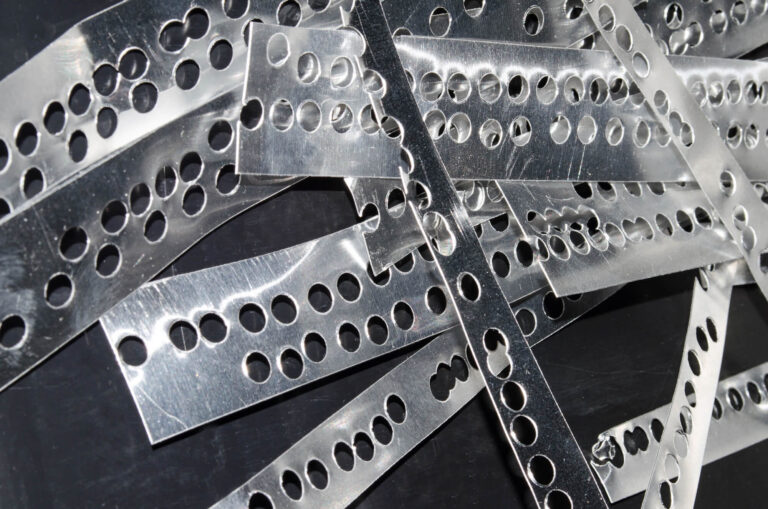
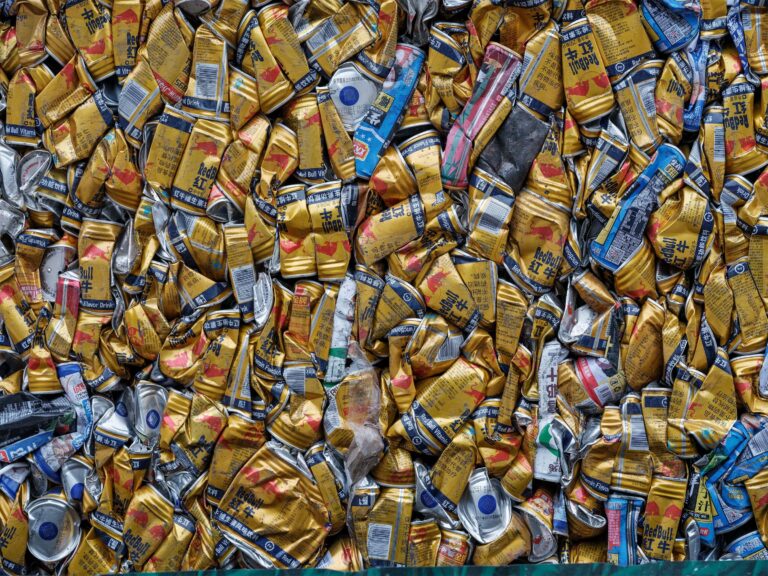
The automotive industry creates scrap metal during automotive production, repairs, and end-of-life vehicle processing. Steel, aluminum, and copper are among the most valuable recycled materials.
The amount of scrap metal is large. Vehicle manufacturing, maintenance, and end-of-life processing create huge amounts of recyclable material each year. Steel, aluminum, copper, and other metals are vital to automotive production, but not all of the material used to make cars ends up in the finished vehicle.
Offcuts, damaged parts, rejected items, and scrapped vehicles all add to automotive waste. No single global figure for automotive scrap exists, but industry data demonstrate the scale of vehicle recycling and the significant value of recovered metal.
The industry creates scrap at different points in a vehicle’s life. Manufacturing plants create metal scraps and waste from machining. Garages and dismantling sites gather damaged parts and old vehicles. This flow of recycled materials also lowers the environmental impact of waste.
- According to Eurostat, about 4.3 million passenger cars, vans, and other light commercial vehicles were scrapped in the European Union in 2023. Their total weight was about 5 million tonnes.
- Eurostat also reported that people reused or recovered 93.7% of end-of-life vehicle materials, while they reused or recycled 88.3%. These figures show how much recycled metal enters the automotive recycling industry.
- In North America, the USGS reported that more than 15 million tonnes of steel from cars are recycled each year, equal to about 12 million cars.
These figures show how vehicle recycling supplies recycled materials. But do not confuse total vehicle weight with the amount of metal that someone actually recovers.
Where Does Automotive Scrap Metal Come From?
Automotive scrap metal mainly comes from vehicle manufacturing, repairs, and end-of-life vehicle processing.
- Vehicle manufacturing: Car production involves cutting, stamping, shaping, welding, and assembling metal parts. These steps create steel and aluminum offcuts, metal shavings, and rejected material. For example, unused steel sheet from door and hood production can be collected and sent to metal recycling facilities.
- End-of-life vehicles: Cars that are damaged, unsafe, or too costly to repair may be sent to approved treatment plants. Workers remove reusable parts before processing the rest of the vehicle to recover useful metals.
- Vehicle repairs and maintenance: Garages and repair shops create scrap when they replace exhaust systems, radiators, engine parts, batteries, and body panels. Sorting these materials helps them enter the right recycling streams.
Which Metals Do We Recover from Automotive Scrap?
Modern vehicles contain several metals with useful recycling value.
- Steel: Manufacturers widely use steel in frames, body panels, suspension systems, and engine parts. As a key ferrous metal, it is an important source of recycled steel for manufacturing sectors.
- Aluminum: Aluminum is found in engine blocks, wheels, transmission housings, and body parts. Its light weight helps improve vehicle efficiency and reduce overall weight.
- Copper: People use copper in wiring, motors, alternators, and electronic systems. It carries electricity well, so recyclers value it. The mix of aluminum, copper, and other non-ferrous materials also creates opportunities for specialist recycling.
- Brass: Brass appears in some connectors, fittings, terminals, and vehicle parts. Its copper and zinc content makes it suitable for metal recovery.
- Lead: Lead is common in older car batteries. These batteries need special handling because lead can harm human health and the environment.
The amount of each metal depends on the vehicle’s age, design, size, and build.
What Happens to Scrap Metal from the Automotive Industry?
Automotive scrap moves through several steps before it becomes reusable raw material.
- Workers collect and sort manufacturing scrap by metal type. They clean end-of-life vehicles first. Someone removes batteries, oils, fuels, and other harmful materials.
- People can take apart and sell reusable parts. The shredders break the rest of the vehicle shell into smaller pieces.
- Magnetic separators remove steel and iron, while other systems recover aluminum, copper, and mixed metal fractions.
- The recovered materials are then prepared for more processing and melting. Manufacturers can use recycled metal to make new vehicle parts, construction products, machinery, and other industrial goods.
This process helps a circular economy. It keeps valuable materials in use and reduces the need for new raw materials.
How Much Automotive Scrap Metal Is Recycled?
Automotive recycling rates differ by country and by material. Still, laws in many places push manufacturers and treatment facilities to recover more material from scrapped vehicles.
- In the UK, end-of-life vehicle regulations require annual targets of 95% recovery and 85% recycling by average vehicle weight. Recovery includes recycling, reuse, and energy recovery, while recycling means turning materials into new products.
- The European Union’s 2023 figures also show how effective vehicle recycling can be, with 88.3% of end-of-life vehicle materials reused or recycled.
These numbers show how recycling helps cut waste and gives the automotive recycling industry valuable secondary materials.
Why Is Automotive Scrap Metal Recycling Important?
Automotive recycling has environmental and economic benefits. Recovering metals cuts the need for virgin raw material and helps limit the environmental impact of primary metal production.
Making recycled steel uses far less energy than making steel from iron ore. The USGS says scrap recycling is an important way to save energy, raw materials, and landfill space.
For manufacturers, recovering production offcuts can cut material losses and improve plant efficiency. Using recycled materials can also be a cost effective way to meet manufacturing needs while reducing reliance on newly mined resources.
As electric vehicles become more common, recovering copper, aluminum, and other metals from motors, wiring, and electrical parts will become even more important.
What Factors Affect the Amount of Automotive Scrap Produced?
Several factors affect how much scrap the automotive industry generates.
- Vehicle production volumes affect the amount of metal processed in manufacturing plants. Cutting methods, material efficiency, and production technology also affect the amount of leftover material.
- Vehicle lifespan affects how many cars enter end-of-life processing. Repair costs, economic conditions, vehicle replacement rates, and changes in automotive design can also affect scrapping volumes.
- The rise of lightweight materials and electric vehicle technology is changing the metals that recycling facilities collect.
The automotive industry generates large amounts of scrap metal through manufacturing, repairs, and end-of-life vehicles. Recycling steel, aluminum, copper, and other materials saves resources, reduces waste, and supports a more sustainable manufacturing sector.