Responsible inverter recycling helps recover valuable materials, reduce electronic waste, and support sustainable solar power.
Solar Inverter Recycling and End-of-Life Management
Solar inverter recycling and end-of-life management involve handling old, damaged or unwanted inverters responsibly. The process includes assessing equipment for reuse, separating recoverable materials, and sending waste to suitable treatment facilities.
Solar inverters convert electricity generated by PV panels into usable power in solar energy systems. Over time, these units may become damaged, inefficient or outdated. When replacement becomes necessary, responsible recycling helps conserve resources and reduce the environmental impact of electrical waste.
Businesses, solar installers and property owners can support better waste management by arranging appropriate collections instead of sending unwanted equipment to landfill.
Why Is Solar Inverter Recycling Important?
Solar inverters contain metals, wiring, circuit boards and other electronic parts. Specialist recycling processes can recover some of these materials for use in manufacturing.
Recyclers may separate copper, aluminium, and steel and direct them towards suitable recycling operations. This material recovery reduces waste and can lower the demand for newly extracted resources.
Incorrect disposal of electrical equipment can also create environmental risks. Responsible handling helps ensure that unwanted parts reach proper treatment facilities.
As renewable energy installations expand, managing equipment at the end of its useful life becomes more important. Solar power offers significant benefits during operation, but responsible waste management is also needed to make the industry greener.
Materials Recovered from Solar Inverters
Solar inverters contain several materials that may be suitable for recovery, depending on their design and condition.
- Copper is commonly used in wiring and electrical parts. You can process recovered copper for use in new electrical products and industrial applications.
- You can find aluminium and steel in housings, heat sinks, and other structural parts. Separating these metals supports resource conservation and reduces the amount of waste requiring disposal.
- Printed circuit boards contain electronic parts and a mixture of metals. Specialist facilities can process suitable boards to recover selected materials.
- Plastic casings and other non-metallic parts may also have recovery options. However, we cannot recycle every component through the same process. The available options depend on the equipment and the capabilities of the treatment facility.
How the Solar Inverter Recycling Process Works
- The process begins with collection and assessment. Businesses should arrange suitable transport and keep unwanted electrical equipment separate from general waste where practical.
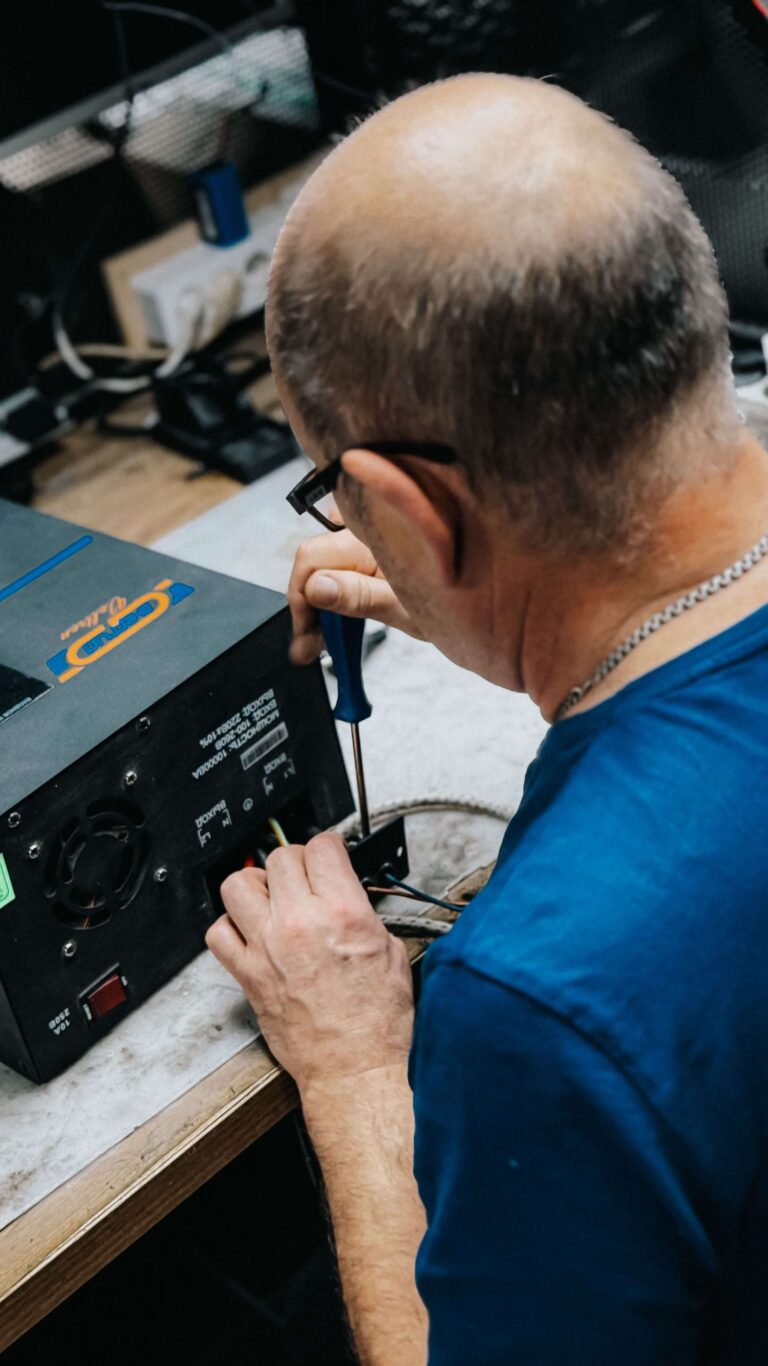
- Technicians then inspect the inverter to determine whether repair or reuse is appropriate. Equipment intended for reuse must be safe, functional and suitable for its intended purpose.
- We direct units that cannot be reused to suitable recycling facilities. Depending on the design, specialists may dismantle the equipment and separate metals, circuit boards and other components.
- They send recoverable materials for further processing, while they manage remaining waste through appropriate treatment or disposal routes. This approach helps recover valuable resources and reduces unnecessary waste.
Managing End-of-Life Solar Inverters Responsibly
Effective end-of-life management starts before an inverter stops working. Regular maintenance and performance monitoring can help solar system owners identify when repair or replacement is necessary.
- When an inverter reaches the end of its useful life, you should consider reusing it where safe and practical. Otherwise, businesses should arrange appropriate recycling and retain relevant waste documentation.
- In England, the Environment Agency guides waste electrical and electronic equipment (WEEE). Businesses should check the applicable requirements for their location because waste regulations can differ across the UK.
- Responsible management also involves choosing suitable waste carriers and treatment facilities. These steps help businesses manage electronic waste correctly and maintain clear records.
The Connection Between Solar Inverter Recycling and PV Waste
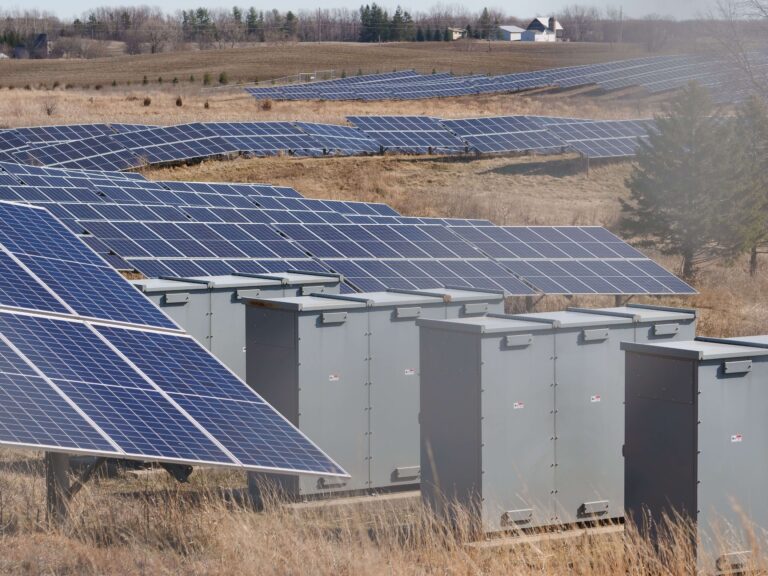
Solar inverters are only one part of a solar installation’s end-of-life waste stream. When upgrading or decommissioning systems, you may also need to manage PV panels, cables, mounting systems, and electrical components carefully.
PV panels and inverters need different recycling methods. However, both add to the larger problem of managing solar equipment waste. PV waste and panel waste need the right handling to avoid extra environmental impact.
Businesses planning to recycle solar panels should consider inverter recycling as part of their overall waste management strategy. Coordinating collections may help simplify logistics and ensure that different materials reach appropriate facilities.
Managing PV waste responsibly supports material recovery and helps reduce the environmental impact of end-of-life renewable energy equipment.
The Role of Businesses in Solar Inverter Recycling
Solar installers, electrical contractors, renewable energy operators and facilities managers can all contribute to responsible recycling.
- Keeping records of replaced equipment helps businesses track waste and show good management practice. Separating inverters from unrelated waste can also make collections and processing more efficient.
- Companies replacing several units should discuss collection requirements with a specialist recycling provider. The provider can explain suitable handling, transport and recovery options for the equipment involved.
- Businesses should also verify that their chosen provider has authorization to handle the relevant waste streams. Proper planning helps reduce disposal risks and supports more responsible resource management.
Environmental Benefits of Responsible Recycling
Solar inverter recycling supports the wider sustainability goals of the renewable energy sector. While solar power generates electricity without direct fuel combustion during operation, its equipment still requires responsible management throughout its life cycle.
Recovering metals and other usable materials helps conserve natural resources. Appropriate recycling processes can also reduce the amount of electrical waste sent for final disposal.
Combining inverter recycling with responsible PV panel management provides a more complete approach to end-of-life solar installations. These measures help businesses reduce waste and support a more resource-efficient solar industry.
Solar inverter recycling and end-of-life management help recover valuable materials, reduce electronic waste, and support responsible renewable energy practices. By assessing equipment for reuse, arranging suitable collections, and choosing appropriate recycling facilities, businesses can manage unwanted inverters more sustainably.