What Happens to Damaged Solar Inverters?

Technicians can often fix damaged solar inverters. They may also reuse working parts or send the unit for recycling. Good maintenance helps recover useful materials and cut electronic waste.

If an inverter stops working, a technician can test it, repair it, or send it to a recycling centre. The best choice depends on the damage, the repair cost, and the state of the electrical parts.

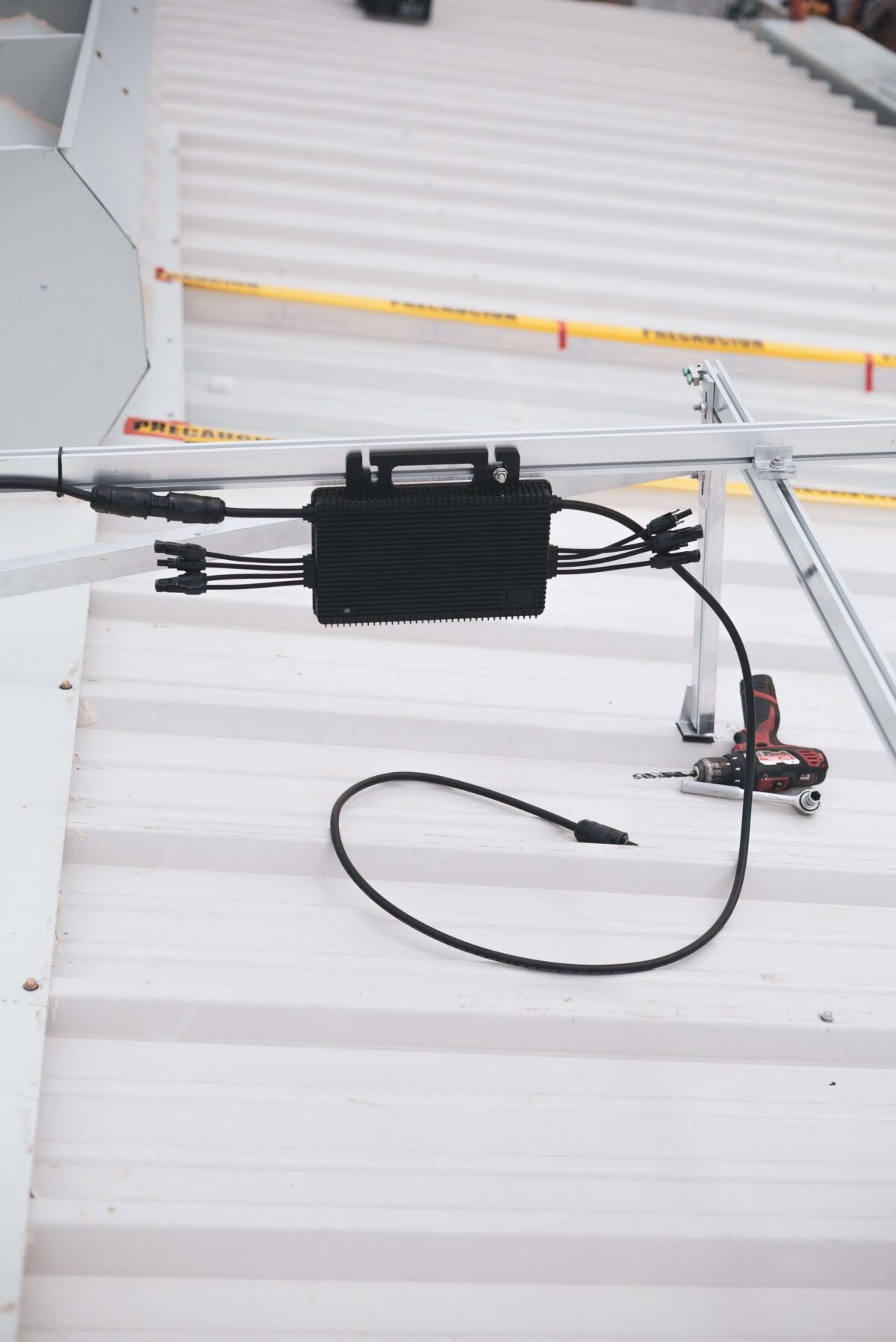
Solar inverters change direct current (DC) from a solar panel into alternating current (AC) for homes and businesses. Without a working inverter, a solar power system may make less electricity or stop delivering useful power.

Instead of throwing away faulty equipment straight away, owners should think about repair and recycling. These steps support better renewable energy management and help recover useful materials.

Why Do Solar Inverters Become Damaged?

Solar inverters can fail because of heat, power surges, moisture, dust, and normal wear. Poor airflow can raise temperatures, and lightning or electrical faults can damage key parts.

Common signs include error messages, sudden shut-downs, strange noises, and lower power output. But these signs do not always mean the inverter needs full replacement.

A trained technician can check the unit, find the fault, and suggest the best next step. Owners should not open damaged inverters themselves, because the inside parts may still hold a dangerous charge.

What Happens to Damaged Solar Inverters?

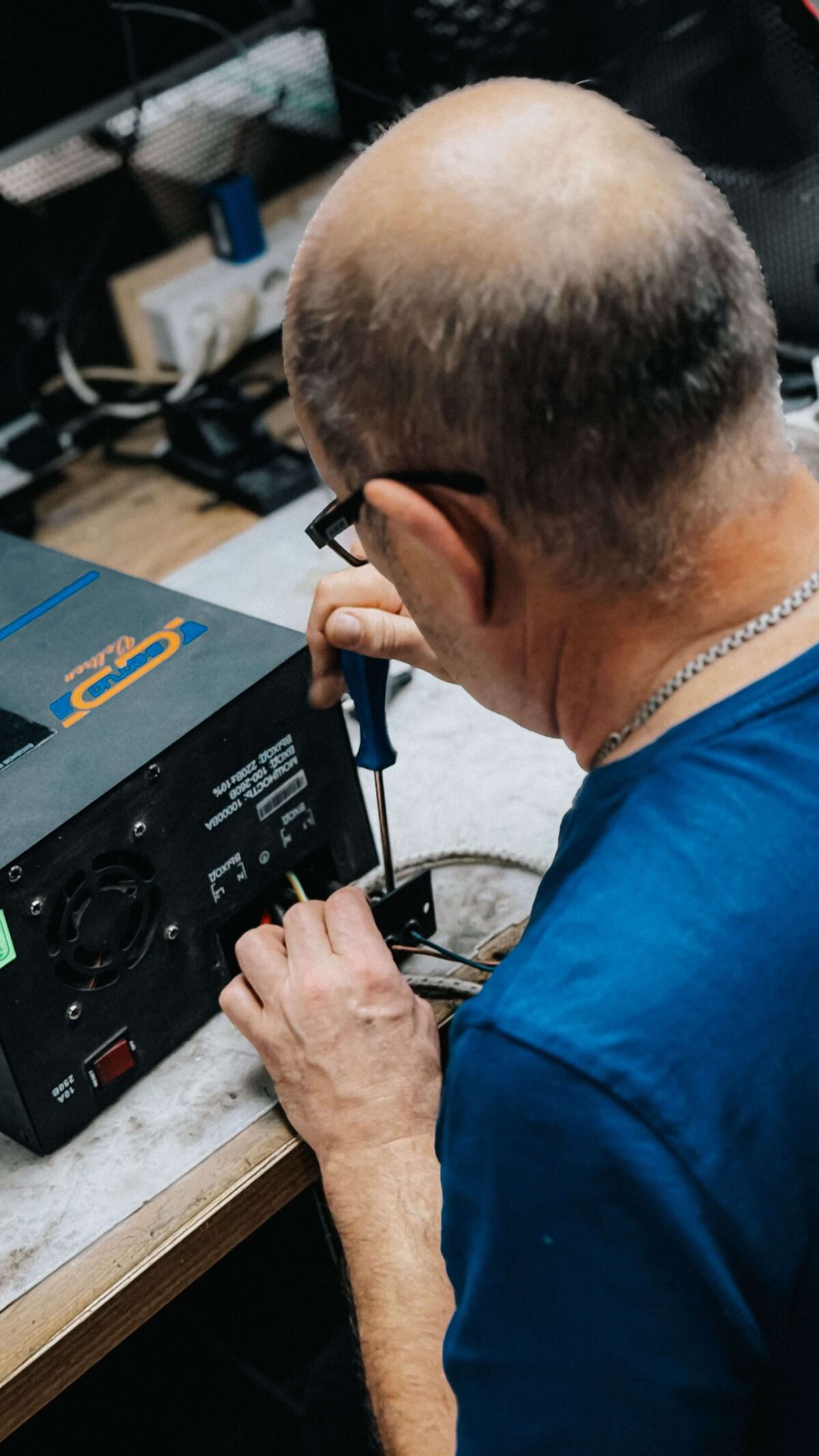
Inspection and Fault Check

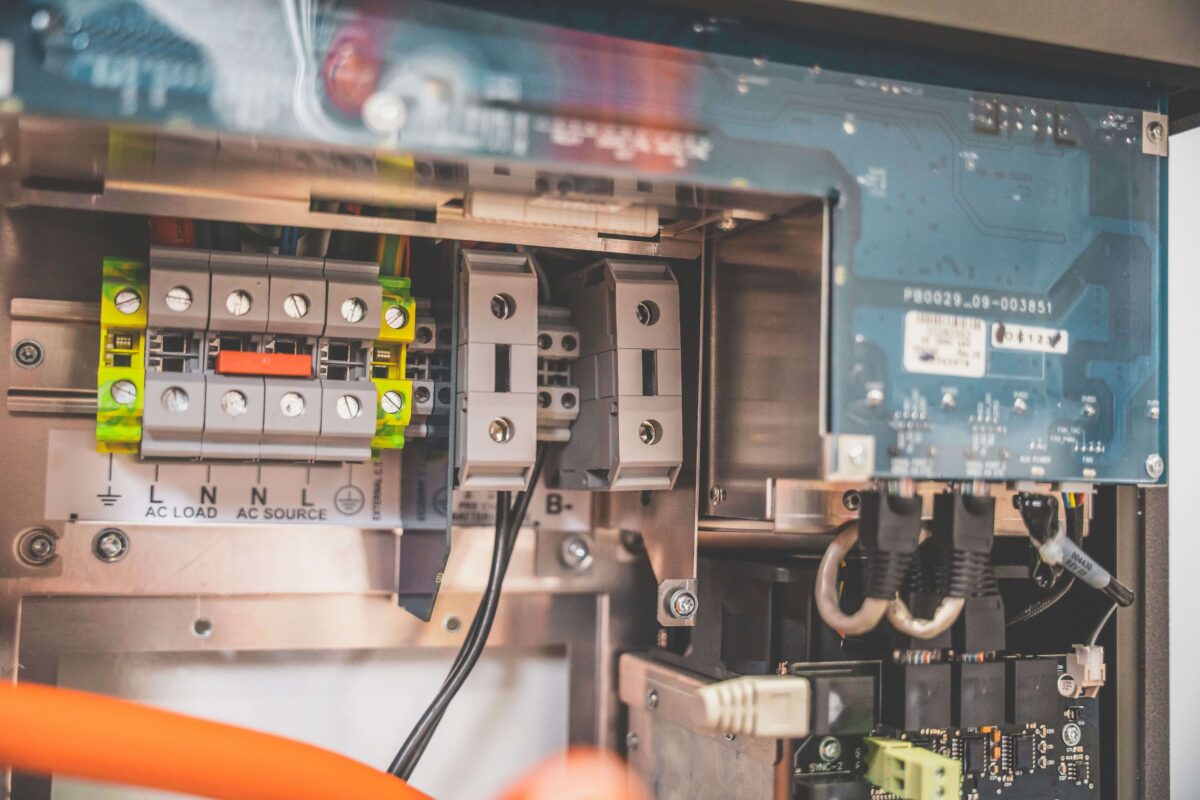
Start by checking the inverter and finding the cause of the fault. Technicians may inspect circuit boards, connectors, cooling fans, and other parts to see whether the unit can be fixed safely.

The check also shows whether repair makes financial sense. A small fault may be easy to fix, while major damage may make replacement the better choice.

Repairing Faulty Inverters

If the damage is minor, replacing one broken part may restore normal operation. Depending on the model, technicians may need to replace connectors, cooling fans, circuit boards, or other parts during repairs.

Repair can extend the inverter’s life and delay the need for new equipment. It can also cut electronic waste and reduce demand for the raw materials used in new products.

But repair is not always the right choice. Spare parts, labour costs, warranty terms, and the unit’s age all affect the decision.

Reusing Parts

If repairing the whole inverter is not practical, some parts may still be safe to reuse. A specialist can remove and test selected parts to see whether they still work well.

Only reuse parts when they pass the right safety and performance checks. Even parts that look fine may hide faults, so a professional check matters.

Saving good parts reduces waste and makes better use of the resources already in the equipment.

How Do We Recycle Damaged Solar Inverters?

If technicians cannot repair or reuse an inverter, specialist recycling is the next option. The equipment can go to a proper waste electrical and electronic equipment (WEEE) site. There, it is dismantled, sorted, and materials are recovered.

Recovering Metals and Parts

Solar inverters contain metals, plastics, and electronic parts. Depending on the design, usable materials may include copper, aluminium, steel, and other metals.

You can recover copper from suitable wiring and parts for further processing. You can also separate and recycle metal cases. Circuit boards need special handling because they contain mixed materials.

The recovery process depends on the inverter design and the site’s tools. Not every part can be recycled in the same way, and some leftovers may need extra treatment.

Sorting E-Waste

Specialist sites take the unit apart and sort it into the right material streams. Controlled processing helps separate metals, plastics, and electronic parts while handling materials that need extra care.

Wrong disposal raises the risk of harm and can stop recyclable materials from reaching the correct recovery process.

For businesses with many damaged units, collection through a waste manager can make handling easier and support compliant disposal.

Why Solar Inverter Recycling Matters

Recycling saves resources by recovering materials for use in new products. It can also cut the amount of electronic waste sent to landfill.

Solar energy helps create cleaner electricity. However, some parts of a solar power system need proper care when they are no longer used. Repair, reuse, and recycling help deal with waste when equipment breaks or becomes outdated.

Recycling also supports better resource use across the renewable energy sector. But the environmental gain depends on proper collection, treatment, and recovery, not just on sending equipment away.

UK Rules for Damaged Solar Inverters

In the UK, discarded solar inverters may fall under WEEE rules. Businesses should arrange the right treatment and use approved or suitably qualified providers where the rules require it.

Handle waste sorting, storage, transport, and records based on the situation and the applicable rules. Rules can differ across the UK, so businesses should check the local guidance.

Look at the official GOV.UK guidance on when electrical and electronic equipment becomes waste for more detail.

The Environment Agency also explains the right steps for WEEE treatment sites, including controls for safe handling.

How to Reduce Solar Inverter Waste

Regular upkeep can help spot faults before they cause major damage. Keeping vents clear, following the maker’s advice, and arranging professional checks can support reliable use.

When an inverter fails, get it checked before replacing it. If repair is not practical, contact a suitable recycling provider for safe collection and treatment.

Businesses should store damaged equipment safely and protect it from more damage while they wait for collection. Separating items for checkup from confirmed waste can also prevent people from throwing away good items needlessly.

Technicians can repair damaged solar inverters, reuse them for parts, or recycle them to recover useful materials. The best choice depends on the unit’s condition, safety, and repair cost.

Good handling cuts electronic waste and supports more sustainable solar energy systems. Professional repair services and proper recycling sites help homes and businesses handle broken equipment safely. This also allows them to use valuable resources more effectively.
How Businesses Can Reduce Solar Equipment Waste

Businesses can cut solar equipment waste through careful buying, regular care, reuse, and responsible recycling. These steps help recover valuable materials, reduce needless disposal, and support renewable energy.

Why Businesses Should Reduce Solar Equipment Waste

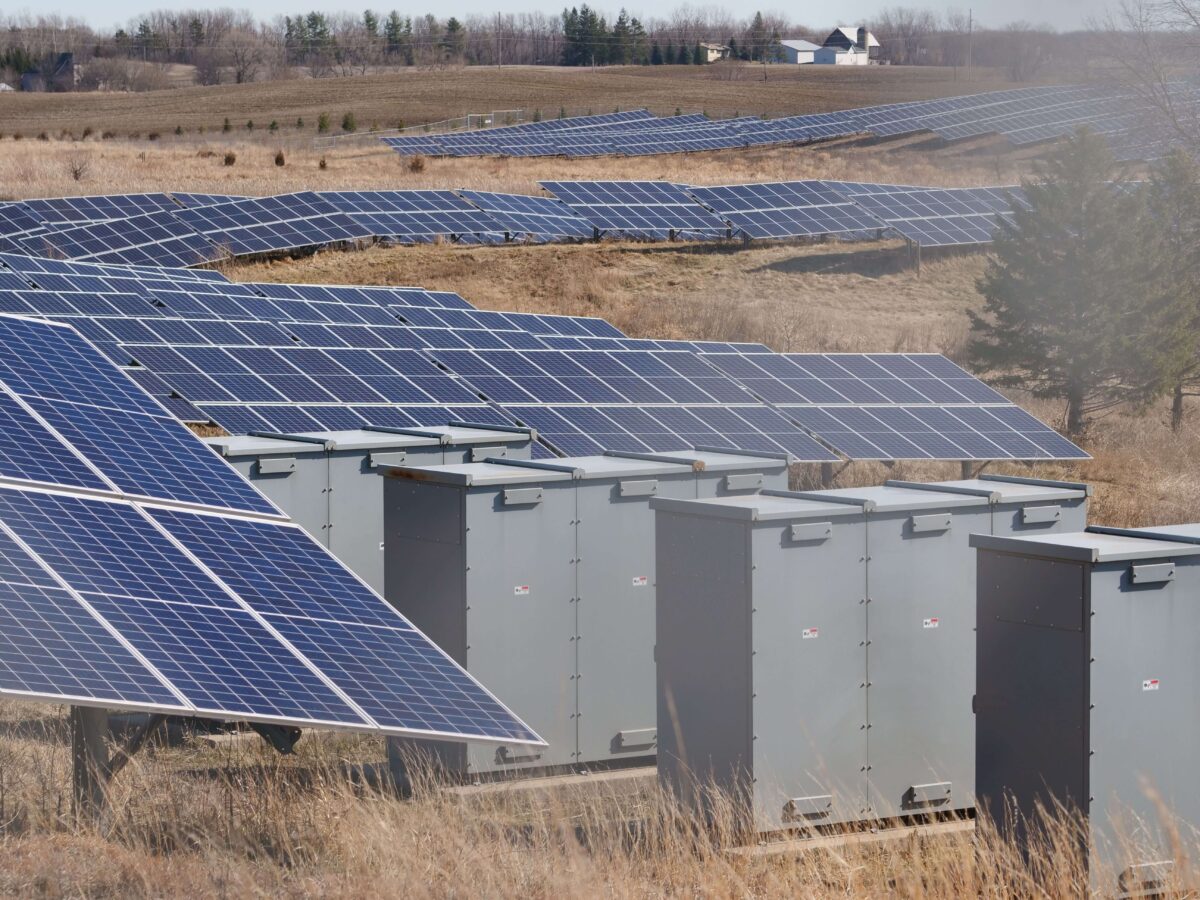
Understanding how businesses can reduce solar equipment waste matters as commercial solar installations grow. Solar panels, inverters, cables, and mounting parts can all create waste during installation, care, and replacement.

Although solar energy helps cut fossil fuel use, solar equipment still needs raw materials, manufacturing, and transport. Throwing away working parts too soon wastes resources and raises the need for replacements.

Businesses can go greener by extending equipment life, avoiding damage, and choosing the right recycling options. These steps can also help control buying costs and improve waste management.

 1. Choose Durable Solar Equipment

Reducing waste starts with buying choices. Businesses should compare product quality, expected life, warranties, repair options, and manufacturer support before buying solar equipment.

Manufacturers and installation contractors can help businesses select parts that fit the system and meet working needs. Good equipment and correct installation can reduce early failures and fewer replacements.

Businesses should also think about spare parts and technical support. Equipment that is easy to repair can stay useful longer, which lowers electrical waste over the system’s life.

2. Maintain Solar Panels and Inverters

Regular care helps stop small faults from becoming costly failures. Businesses should arrange suitable inspections, watch system performance, and fix problems when they appear.

Checks can spot damaged cables, loose connections, corrosion, inverter faults, and mounting issues. Solar panels should be cleaned when needed, following manufacturer guidance and safe work steps.

Watching power output can also show sudden changes that need review. Early action may prevent more damage and extend the life of existing equipment.

3. Repair Equipment Before Replacing It

Faulty equipment does not always need to be thrown away. A qualified technician may be able to repair a solar inverter, replace a damaged part, or bring a system back to safe working order.

Before buying replacement equipment, businesses should compare repair costs, expected remaining life, efficiency, and warranty needs. Repairs work best when they offer a reliable fix without putting safety at risk.

If equipment cannot be repaired at a fair cost, businesses should check whether it can be reused elsewhere or sent for specialist recycling. This approach helps keep usable parts out of the waste stream needlessly.

4. Prevent Waste During Installation

Solar installation projects can create packaging, cable offcuts, extra mounting materials, and damaged parts. Careful planning can cut these materials before work begins.

Businesses should check measurements, confirm equipment needs, and order the right amounts. Contractors should also handle panels and electrical parts carefully to prevent avoidable breakage.

Separating recyclable packaging, metals, and electrical waste makes collection and recovery easier. Businesses should agree on waste handling roles with contractors before installation starts.

Unused materials should be checked for safe storage and future use rather than thrown away automatically. Accurate buying and organised storage can cut waste across more than one project.

5. Reuse Suitable Solar Equipment

Some equipment removed during upgrades may still work. Businesses should check whether suitable panels, inverters, cables, and mounting parts can be reused in another suitable installation.

Reuse can lower demand for new products and make better use of materials already made. However, equipment should be checked for condition and tested electrically before it is installed elsewhere.

Businesses should keep key product information and confirm it fits the intended system. Items that are damaged, unsafe, or not fit for reuse should be sent to the right recycling or treatment route.

For further information, businesses can review solar panel end-of-life management when planning equipment upgrades and replacements.

6. Arrange Responsible Solar Equipment Recycling

When equipment reaches the end of its useful life, recycling can recover valuable materials and reduce disposal. Solar panels contain glass, aluminium, and other materials whose recovery depends on panel design and the available process.

Specialist solar panel recycling facilities can process suitable panels and recover reusable materials. Electrical equipment, including inverters, may contain copper, aluminium, and electronic parts that need proper treatment.

Businesses should choose suitable waste contractors and confirm that the receiving site can accept the specific equipment. Panels and electrical parts should not be broken apart or placed in general waste without checking the rules that apply.

Solar inverter recycling is especially important when businesses replace faulty or old power conversion equipment. Specialist treatment can help recover materials while making sure electronic parts are handled properly.

In England, businesses can consult the GOV.UK guidance on waste electrical and electronic equipment to understand the rules. Requirements may differ elsewhere in the UK.

7. Handle Batteries and Electrical Waste Safely

Solar installations with battery storage need extra care when equipment is damaged or reaches the end of its service life. Batteries can create fire and environmental risks if stored, moved, or handled badly.

Businesses should follow manufacturer instructions and use trained professionals for inspection, removal, and collection. Manage damaged batteries through suitable specialist arrangements rather than mix them with ordinary waste.

Organisations should also check whether discarded parts need hazardous waste status or specific handling steps. Proper waste management helps protect workers, the public, and the environment.

8. Measure and Reduce PV Waste

Businesses can improve their approach by recording the types and amounts of PV waste created during installation, care, and replacement.

Reviewing these records can show repeat equipment failures, too much buying, and reuse opportunities. Organisations can then set realistic targets for cutting waste, extending equipment life, and improving recycling rates.

Procurement teams, maintenance staff, and installation contractors should understand their roles. Regular reviews help businesses find practical improvements and track progress toward greener operations.

Businesses can reduce solar equipment waste by selecting durable products, maintaining existing systems, repairing suitable parts, and choosing reuse. When equipment can no longer serve a useful purpose, responsible recycling helps recover materials and reduce needless disposal.

Putting these steps into buying, installation, and maintenance work supports better resource use and a cleaner renewable energy industry.

Solar Inverter Recycling and End-of-Life Management

Responsible inverter recycling helps recover valuable materials, reduce electronic waste, and support sustainable solar power.

Solar Inverter Recycling and End-of-Life Management

Solar inverter recycling and end-of-life management involve handling old, damaged or unwanted inverters responsibly. The process includes assessing equipment for reuse, separating recoverable materials, and sending waste to suitable treatment facilities.

Solar inverters convert electricity generated by PV panels into usable power in solar energy systems. Over time, these units may become damaged, inefficient or outdated. When replacement becomes necessary, responsible recycling helps conserve resources and reduce the environmental impact of electrical waste.

Businesses, solar installers and property owners can support better waste management by arranging appropriate collections instead of sending unwanted equipment to landfill.

Why Is Solar Inverter Recycling Important?

Solar inverters contain metals, wiring, circuit boards and other electronic parts. Specialist recycling processes can recover some of these materials for use in manufacturing.

Recyclers may separate copper, aluminium, and steel and direct them towards suitable recycling operations. This material recovery reduces waste and can lower the demand for newly extracted resources.

Incorrect disposal of electrical equipment can also create environmental risks. Responsible handling helps ensure that unwanted parts reach proper treatment facilities.

As renewable energy installations expand, managing equipment at the end of its useful life becomes more important. Solar power offers significant benefits during operation, but responsible waste management is also needed to make the industry greener.

Materials Recovered from Solar Inverters

Solar inverters contain several materials that may be suitable for recovery, depending on their design and condition.

  • Copper is commonly used in wiring and electrical parts. You can process recovered copper for use in new electrical products and industrial applications.
  • You can find aluminium and steel in housings, heat sinks, and other structural parts. Separating these metals supports resource conservation and reduces the amount of waste requiring disposal.
  • Printed circuit boards contain electronic parts and a mixture of metals. Specialist facilities can process suitable boards to recover selected materials.
  • Plastic casings and other non-metallic parts may also have recovery options. However, we cannot recycle every component through the same process. The available options depend on the equipment and the capabilities of the treatment facility.

How the Solar Inverter Recycling Process Works

  1. The process begins with collection and assessment. Businesses should arrange suitable transport and keep unwanted electrical equipment separate from general waste where practical.
  2. Technicians then inspect the inverter to determine whether repair or reuse is appropriate. Equipment intended for reuse must be safe, functional and suitable for its intended purpose.
  3. We direct units that cannot be reused to suitable recycling facilities. Depending on the design, specialists may dismantle the equipment and separate metals, circuit boards and other components.
  4. They send recoverable materials for further processing, while they manage remaining waste through appropriate treatment or disposal routes. This approach helps recover valuable resources and reduces unnecessary waste.

Managing End-of-Life Solar Inverters Responsibly

Effective end-of-life management starts before an inverter stops working. Regular maintenance and performance monitoring can help solar system owners identify when repair or replacement is necessary.

  • When an inverter reaches the end of its useful life, you should consider reusing it where safe and practical. Otherwise, businesses should arrange appropriate recycling and retain relevant waste documentation.
  • In England, the Environment Agency guides waste electrical and electronic equipment (WEEE). Businesses should check the applicable requirements for their location because waste regulations can differ across the UK.
  • Responsible management also involves choosing suitable waste carriers and treatment facilities. These steps help businesses manage electronic waste correctly and maintain clear records.

The Connection Between Solar Inverter Recycling and PV Waste

Solar inverters are only one part of a solar installation’s end-of-life waste stream. When upgrading or decommissioning systems, you may also need to manage PV panels, cables, mounting systems, and electrical components carefully.

PV panels and inverters need different recycling methods. However, both add to the larger problem of managing solar equipment waste. PV waste and panel waste need the right handling to avoid extra environmental impact.

Businesses planning to recycle solar panels should consider inverter recycling as part of their overall waste management strategy. Coordinating collections may help simplify logistics and ensure that different materials reach appropriate facilities.

Managing PV waste responsibly supports material recovery and helps reduce the environmental impact of end-of-life renewable energy equipment.

The Role of Businesses in Solar Inverter Recycling

Solar installers, electrical contractors, renewable energy operators and facilities managers can all contribute to responsible recycling.

  • Keeping records of replaced equipment helps businesses track waste and show good management practice. Separating inverters from unrelated waste can also make collections and processing more efficient.
  • Companies replacing several units should discuss collection requirements with a specialist recycling provider. The provider can explain suitable handling, transport and recovery options for the equipment involved.
  • Businesses should also verify that their chosen provider has authorization to handle the relevant waste streams. Proper planning helps reduce disposal risks and supports more responsible resource management.

Environmental Benefits of Responsible Recycling

Solar inverter recycling supports the wider sustainability goals of the renewable energy sector. While solar power generates electricity without direct fuel combustion during operation, its equipment still requires responsible management throughout its life cycle.

Recovering metals and other usable materials helps conserve natural resources. Appropriate recycling processes can also reduce the amount of electrical waste sent for final disposal.

Combining inverter recycling with responsible PV panel management provides a more complete approach to end-of-life solar installations. These measures help businesses reduce waste and support a more resource-efficient solar industry.

Solar inverter recycling and end-of-life management help recover valuable materials, reduce electronic waste, and support responsible renewable energy practices. By assessing equipment for reuse, arranging suitable collections, and choosing appropriate recycling facilities, businesses can manage unwanted inverters more sustainably.

Common Materials Found in Old Solar Inverters

Old solar inverters contain copper, aluminium, steel, plastics, and electronic parts. Recycling can recover useful materials and cut electronic waste.

Common materials found in old solar inverters include copper, aluminium, steel, plastics, wiring, and printed circuit boards. These parts support solar energy systems, but they can become waste when equipment reaches the end of its service life. Recycling helps recover useful resources, cut electronic waste, and support the growth of renewable energy.

Solar inverters turn direct current (DC) from solar panels into alternating current (AC) for buildings and power networks. Their design changes by model, but many contain recyclable materials that a specialist plant can recover.

Knowing what these units contain helps businesses, installers, and property owners make better choices about old equipment.

Copper in Old Solar Inverters

Copper is one of the most valuable materials in old solar inverters. Its good flow of electricity makes it suitable for internal wiring, coils, transformer windings, and electrical connections.

During recycling, copper parts can be removed and processed for reuse in manufacturing. Recovered copper may be used in power cables, motors, wiring systems, and other products.

Copper recycling also cuts demand for newly mined resources. The amount available depends on the inverter’s size, design, and inner parts. Specialist plants separate copper from other materials to improve recovery and maintain good material quality.

Aluminium Housings and Heat Sinks

Aluminium is often used in inverter cases, heat sinks, and structural parts. It is light, tough, and resists corrosion, so it suits electrical gear.

Heat sinks move heat away from sensitive electronic parts during operation. This helps keep performance steady and limits overheating.

When an inverter reaches end of life, suitable aluminium parts can be separated and sent for recycling. Recovered aluminium can be used in building products, vehicle parts, and new electrical equipment.

Recycling aluminium also helps save natural resources and can use much less energy than making new aluminium from raw materials.

Steel and Other Metal Components

Steel may be found in inverter cabinets, mounting brackets, fasteners, and inner supports. These parts add strength and protect the unit from physical damage.

Steel is widely recyclable and can be made into new metal products. Separating it from plastics, wiring, and electronic assemblies helps improve the quality of recovered materials.

Other metals may appear in smaller amounts. For example, tin may be present in solder, while other metals can appear in electronic parts. Their amounts and recovery value depend on the inverter’s design and age.

Good sorting lets recycling plants send each metal stream to the right recovery process instead of sending the whole unit to disposal.

Printed Circuit Boards and Electronic Components

Printed circuit boards (PCBs) are key parts of most modern solar inverters. They hold the electronic parts that control power conversion, monitor performance, and manage electrical functions.

Depending on the model, these boards may contain chips, resistors, capacitors, connectors, and other electronic parts. Small amounts of valuable materials, including gold and silver, may also appear in some parts.

Recovering these materials needs specialist processing because circuit boards mix metals, plastics, and other substances. Proper treatment helps separate useful resources while handling possibly harmful parts.

Circuit boards should not be taken apart or thrown away carelessly. Sending them to a suitable e-waste recycling site supports safer handling and better resource recovery.

Plastics and Insulating Materials

Plastics are used in inverter covers, connector housings, cable insulation, and inner supports. They protect electrical parts, provide insulation, and help stop physical damage.

Different plastic types may be present in the same inverter. Their makeup, additives, and condition affect whether they can be recycled well.

During processing, suitable plastics may be separated from metals and electronic parts. However, mixed or dirty plastics can be harder to recover.

Keeping these materials apart improves sorting and reduces dirt. Where recycling is not practical, the material must be handled through the right waste route.

Wiring, Connectors and Electrical Components

Old solar inverters contain wiring and connectors that carry power between inner parts and external links. Copper is often used for conductors, while plastic-based materials provide insulation.

Connectors can contain metal terminals, protective housings, and other recyclable materials. Separating these parts allows suitable metals to be recovered instead of lost in mixed waste.

Before collection or processing, equipment must be safely cut off from its power source. Installers and waste handlers should follow correct electrical safety steps, especially where batteries or other energy storage systems are involved.

Recovering wiring and connectors helps save valuable materials and supports more careful management of end-of-life energy systems.

Why Recycling Old Solar Inverters Matters

Solar inverters contain materials that can stay useful after the equipment stops working. Recovering copper, aluminium, steel, and suitable electronic parts reduces waste and helps save natural resources.

This matters as renewable energy grows and more solar sites eventually need replacement equipment. Although solar panels and solar cells get much of the focus in recycling, inverters also need proper end-of-life care.

Solar panel materials are different from inverter parts, so they need different recycling methods. An inverter should therefore be assessed separately, not treated like a solar panel.

In the UK, solar inverters may fall under Waste Electrical and Electronic Equipment (WEEE) rules, depending on the situation and the rules that apply. Businesses should check official guidance to understand their duties.

Check out the GOV.UK guidance on waste electrical and electronic equipment for information about the rules.

How Old Solar Inverters Are Recycled

The recycling process starts with collection and assessment. A suitable plant identifies the inverter type, checks its condition, and decides how its parts should be handled.

Where appropriate, trained specialists dismantle the unit and separate easy-to-reach materials, including metal housings, cables, and electronic assemblies. Each material stream goes to a suitable recovery or treatment process.

Copper and aluminium can enter standard metal recycling routes, while circuit boards may need specialist processing to recover valuable metals. Plastics are assessed based on their makeup and the recycling options available.

Not every part can be recycled at a profit, and recovery rates vary by model and process. Businesses replacing several inverters can arrange a managed collection through a suitable waste provider to support careful handling and material recovery.

Common materials found in old solar inverters include copper, aluminium, steel, plastics, wiring, and printed circuit boards. Many of these recyclable materials can be recovered through proper processing.

Responsible inverter recycling helps save valuable materials, cut electronic waste, and support the wider renewable energy industry. Businesses, installers, and property owners can help by arranging proper collection and recycling instead of putting old equipment in general waste.

How Solar Inverter Components Are Recovered

Recovering solar inverter components helps businesses, installers and property owners manage electronic waste responsibly and recover useful materials.

Instead of sending old equipment to landfill, specialist recycling sites dismantle solar inverters, sort the materials and prepare parts for reuse or further processing. The recovery method depends on the inverter’s design, condition and material mix.

The recovery process includes inspection, dismantling, material sorting and specialist processing. These steps help recover metals and electronic materials, cut waste and support better resource use.

Why Solar Inverter Components Need Recovery

Solar inverter components include metal cases, copper wire, circuit boards, plastics, and electrical connectors. Each material needs its own recovery path.

Recovering these materials helps save natural resources and cuts the amount of electrical waste sent for disposal. It also lets useful metals return to manufacturing, so materials are used more efficiently.

For solar installers and commercial solar operators, responsible recycling is a practical way to manage equipment removed during maintenance, repairs, and system upgrades.

How Solar Inverter Components Are Recovered

The recovery process has several stages. It starts with collection and inspection, then moves to dismantling and material sorting. Specialist sites choose the most suitable treatment based on the equipment they receive.

Collection and Inspection

The process starts when old solar inverters are gathered from homes, businesses, solar farms, or electrical contractors. Equipment may need replacement because of faults, damage, lower performance or planned upgrades.

Recycling specialists inspect the equipment to identify its type, condition, and main parts. They may also check whether the unit is suitable for repair or refurbishment before they decide to recycle it.

In the UK, businesses must manage discarded electrical equipment under waste law. The government’s guidance on when electrical equipment becomes waste explains when waste status starts.

Safe Dismantling of Solar Inverters

After inspection, trained staff dismantle the inverter using suitable equipment and safety steps. Electrical equipment must be handled carefully because some parts may still hold stored energy or contain materials that need specialist treatment.

The outer case is removed to reach the inside parts. Wiring, circuit boards, cooling parts and other materials are separated where practical.

This stage makes it easier to identify reusable parts and send different materials into the right recycling streams. The dismantling method depends on the inverter’s build and the equipment available at the recycling site.

Recovering Aluminium and Steel

Many inverter cases and structural parts contain aluminium or steel. These metals can often be separated from electronic parts and sent to suitable metal recycling sites.

Aluminium can be recycled into new products, while recovered steel can return to manufacturing. Recycling these metals can reduce demand for virgin raw materials and cut the impacts linked to extraction and processing.

The amount and type of metal recovered depend on the inverter model. Separating metals from plastics and circuit boards also helps improve the quality of the recovered material.

Recovering Copper from Wiring

Copper is an important material in many solar inverters. It can be found in cables, connections, coils, and transformer windings, depending on the design.

During dismantling, easy-to-reach copper-bearing parts are removed and sorted. Suitable processing separates the metal from insulation and other materials, which allows workers to collect the copper for further treatment.

Recovered copper can be used to make electrical cables, motors and other products. Keeping copper separate from mixed waste helps protect its value and supports efficient recycling.

Processing Printed Circuit Boards

Printed circuit boards control the operation of solar inverters. They contain electronic parts and may include copper and small amounts of precious metals.

These boards need specialist treatment because their material mix is different from metal cases. Depending on the available technology, sites may use mechanical separation and further processing to recover useful metals.

Circuit boards should not be treated as ordinary scrap without proper review. Specialist handling helps manage potentially hazardous substances and ensures that reusable materials are sent to suitable sites.

Separating Plastics and Other Components

Plastics may be found in inverter covers, cable insulation, connectors and internal supports. After dismantling, suitable plastic fractions can be separated by type and condition.

Some plastics may be recyclable where suitable sites and markets exist. Mixed, dirty or hard-to-process materials may need other treatment.

Other parts, including cooling fans, heat sinks and connectors, are checked separately. Their material mix decides whether they can be reused, recycled or sent for further treatment.

Assessing Components for Reuse

Not every part from an old solar inverter needs immediate material recycling. Where suitable, individual parts may be checked for reuse or refurbishment.

However, visual inspection alone cannot show whether an electrical part is safe and reliable. Proper testing and verification are needed before any part is returned to service.

Parts that fail assessment should enter the right recycling or treatment process. This approach supports reuse where practical without risking electrical safety.

What Happens to Recovered Materials?

After sorting, recovered materials are sent to suitable processors. Aluminium, steel and copper can enter established metal recycling supply chains, while circuit boards may need specialist sites to recover their metal content.

Suitable plastics may be processed into raw material for new products. Materials that cannot be recovered safely or at a good cost must be managed through the proper treatment routes.

Recovery rates vary depending on the inverter’s design, material quality, how dirty it is, and available technology. So not every part can be recycled, and the final destination depends on the sites involved.

Environmental Benefits of Solar Inverter Recycling

Recovering solar inverter components helps save resources and cuts the amount of electronic waste that needs disposal. Recycling metals can also reduce some impacts linked to mining and processing virgin materials.

Responsible treatment helps prevent unsuitable electrical waste from entering landfill or illegal disposal routes. It also supports reuse by keeping useful materials in circulation.

Businesses can improve waste management by arranging suitable collections, keeping waste transfer records and choosing qualified recycling providers.

Choosing a Solar Inverter Recycling Service

Businesses replacing multiple inverters should choose a recycling provider with the right permits, clear handling steps and suitable downstream treatment plans.

The UK government’s WEEE reuse and treatment guidance explains the rules for waste electrical and electronic equipment. Businesses should make sure their waste is correctly classified and moved with the right paperwork.

For organizations managing solar installations, combining inverter recovery with solar panel recycling can improve equipment management. This helps manage end-of-life equipment in the solar energy system.

Understanding how solar inverter components are recovered shows why responsible electronic waste management matters. Through inspection, dismantling, separation, and specialist processing, recycling sites can recover valuable metals, check parts for reuse, and manage remaining waste properly.

Choosing a suitable recycling service helps businesses, installers and property owners save resources, cut electronic waste and support more sustainable solar energy systems.

Why Solar Inverters Should Be Recycled

Inverter recycling recovers useful materials, reduces electronic waste, and supports responsible management of solar energy systems. Proper recycling helps businesses and property owners handle end-of-life equipment safely.

A solar inverter converts the direct current generated by solar panels into alternating current suitable for everyday electricity use. However, inverters can eventually fail, become outdated, or reach the end of their working life.

Responsible inverter recycling helps recover valuable materials, reduce the amount of electrical waste sent for disposal, and support more sustainable resource management. Understanding the recycling process allows panel installers, businesses and property owners to make better decisions when replacing damaged or obsolete equipment.

Why Solar Inverters Should Be Recycled

Recovering Valuable Materials

A solar inverter contains metals and electronics that may be suitable for recovery. Depending on its design, the equipment can include copper wiring, aluminium components, steel housings and circuit boards containing various metals.

These valuable materials can be separated at an appropriate recycling facility and directed into suitable material recovery processes. Recovered metals may then be used in manufacturing, reducing the need to obtain all materials from newly extracted resources.

Although not every component can be recovered economically, proper recycling helps retain useful resources within the supply chain instead of losing them through unsuitable disposal.

Reducing Electronic Waste

Unwanted inverters contribute to the wider waste electrical and electronic equipment (WEEE) stream. When electrical equipment is discarded with general waste, recyclable components can be lost, while unsuitable handling may create environmental risks.

A suitable recycling route ensures that equipment is assessed and treated according to its materials and condition. Specialist facilities can separate recoverable components and manage remaining waste appropriately.

Businesses replacing inverters should therefore consider recycling before arranging disposal. This helps reduce avoidable waste and supports more responsible waste management practices.

Supporting Sustainable Solar Energy Systems

Solar panels are designed to generate renewable electricity, but the environmental impact of a solar installation also depends on how its equipment is managed throughout its life.

An inverter may need replacing while the pv panels remain operational. Recycling the old unit allows the wider installation to continue generating electricity without leaving unwanted equipment unmanaged.

Planning for inverter recycling makes end-of-life management part of the solar system lifecycle. It also encourages installers and site owners to consider equipment recovery when planning maintenance, upgrades, and decommissioning.

How Does the Solar Inverter Recycling Process Work?

The recycling process usually starts with an assessment of the inverter’s condition, quantity and potential for reuse. A functional unit may be suitable for repair or refurbishment, provided it meets the relevant safety and performance requirements.

When reuse is not practical, the equipment can be sent to a suitable recycling facility. Trained personnel must handle electrical equipment safely, following appropriate isolation and handling procedures. Unqualified individuals should not dismantle inverters because electrical components can present safety risks.

At the facility, the inverter may be dismantled so that its housing, wiring, circuit boards and other components can be separated. Metals may enter established recovery streams, while electronic components require suitable specialist treatment.

The exact outcome depends on the inverter’s construction, condition and available recycling technology. Some materials may require further processing, and not every component will be recyclable. Nevertheless, specialist treatment can recover useful resources while ensuring remaining waste is managed appropriately.

What About Solar Panel Recycling?

Solar panel recycling is closely connected to the wider management of solar equipment, but panels and inverters are different products. A panel can be recycled through processes designed to handle its glass, metals and other materials, whereas an inverter requires treatment suited to electrical and electronic components.

For example, many PV panels contain an aluminium frame, glass, wiring and semiconductor materials. Specialist facilities may separate these components for recovery, depending on the panel type and available technology.

Panel installers should plan for both panel and inverter waste when maintaining or decommissioning installations. Arranging suitable routes for different solar components helps prevent recyclable equipment from entering the wrong waste stream.

Businesses looking to recycle solar equipment should identify the items they hold and confirm that the chosen provider can handle each type.

UK Rules for Recycling Solar Inverters

Solar inverters fall within the scope of electrical and electronic equipment covered by the UK’s WEEE framework. The precise obligations depend on the organisation’s role and the circumstances in which the equipment becomes waste.

Businesses should check applicable waste classification requirements and use suitable providers for collection and treatment. They should also retain relevant waste transfer or consignment documentation where required.

The official GOV.UK guidance on waste electrical and electronic equipment explains relevant regulatory requirements. The Environment Agency’s WEEE classification guidance provides further information about classifying this type of waste.

Checking the applicable rules before disposal helps organisations manage their responsibilities and choose an appropriate recycling route.

How Businesses Can Arrange Inverter Recycling

Businesses can improve waste management by recording the number and condition of inverters removed during maintenance or replacement work. Keeping basic equipment records helps identify reuse opportunities and plan collections efficiently.

A suitable recycling provider can advise on accepted equipment, collection arrangements and required documentation. Before transferring waste, businesses should verify that the provider and destination facility hold the necessary authorisations.

For larger solar installations, coordinating inverter removal with planned maintenance or system upgrades can reduce disruption. Panel installers and property owners can also establish a clear process for storing, identifying and transferring obsolete equipment.

Where a provider arranges collection, confirm which materials are accepted and how the equipment will be treated. Clear arrangements help ensure that unwanted inverters reach an appropriate facility rather than remaining in storage or entering an unsuitable disposal route.

Solar inverter recycling helps recover valuable materials, reduce electronic waste and support responsible solar energy systems. By choosing appropriate collection and treatment routes, businesses, panel installers and property owners can manage obsolete equipment more effectively.

Planning for proper recycling alongside solar panel recycling supports better resource recovery throughout the lifecycle of a solar installation.