Cobalt waste comes from old electronics, lithium-ion batteries, and industrial equipment. Cobalt recycling can recover metal, cut waste, and support supply chains.
Understanding Cobalt Waste from Electronics and Industrial Equipment
Cobalt waste from electronics and industrial equipment is a useful metal source for makers and businesses.
Makers use cobalt in lithium-ion batteries, consumer electronics, special alloys, and industrial parts. It helps parts stay strong, last longer, and work under heavy use.
When devices and machines reach the end of life, cobalt can still be recovered. But it often ends up mixed with other materials when people throw products away.
If businesses do not sort mixed waste streams, valuable metals can be lost in the general waste stream. Sending these materials to the right recycling site helps recover cobalt and cut waste.
Where Does Cobalt Waste Come From?
Cobalt waste comes from many sectors, including electronics manufacturing, car production, engineering, and industrial processing.
These sectors are a source of cobalt for recycling. The product mix and the materials used decide how much cobalt can be recovered.
Lithium-Ion Batteries and Consumer Electronics
Lithium-ion batteries are a major source of cobalt. Makers use them in smartphones, laptops, tablets, digital cameras, and rechargeable power tools.
Some batteries have high cobalt content, especially lithium cobalt oxide (LCO). These batteries are common in portable consumer electronics because they store a lot of energy and perform well.
Other battery chemistries, including nickel manganese cobalt (NMC) and nickel cobalt aluminium (NCA), also contain cobalt. Some electric vehicles (EVs), rechargeable tools, and energy storage systems use these chemistries.
When people damage, replace, or stop using these products, the batteries can enter the waste stream. Manufacturing scrap, such as rejected battery cells and faulty electrode material, is another source of cobalt for recovery.
Not every lithium-ion battery contains cobalt. Lithium iron phosphate (LFP) batteries use a different cathode and do not contain cobalt in the same way. That is why businesses should check battery types before they choose a recycling route.
Industrial Machinery and Equipment
Industrial use is another source of cobalt-bearing waste. Makers use cobalt in parts that must handle high heat, friction, corrosion, and repeated stress.
Examples include cutting tools, drilling equipment, cemented carbides, high-speed steels, and cobalt-based superalloys. Engineers use these materials in workshops, manufacturing sites, aerospace production, and heavy industry.
When people replace, repair, or take apart machinery, they may set aside cobalt-bearing parts for specialist metal recovery.
Electric Vehicle Batteries and Energy Storage Systems
The growth of electric vehicles and energy storage systems has made cobalt recycling more important.
Some EV batteries contain cobalt with nickel and other materials. The mix depends on the battery chemistry and the maker. As volumes of end-of-life batteries grow, recycling facilities can recover cobalt and other valuable metals.
Stationary energy storage systems may also create cobalt waste in the future. That will depend on the chemistry used.
Why Is Cobalt Used in Electronics and Industrial Applications?
Cobalt is useful because it handles heat, wear, and corrosion well. In rechargeable batteries, it can improve energy density, stability, and overall performance.
In consumer electronics, cobalt-containing batteries give steady power in small products. In electric vehicles, some battery chemistries use cobalt with nickel to meet performance goals.
Cobalt-nickel mixes are important in battery design. Makers can change the mix to fit different needs.
Outside battery production, makers use cobalt in special alloys, cutting tools, and industrial machinery. Its resistance to heat, corrosion, and wear makes it useful for tough jobs.
According to the USGS, manufacturers use cobalt in rechargeable batteries, superalloys, cemented carbides, catalysts, and magnets.
These uses show why cobalt can enter waste streams through everyday electronics and industrial equipment.
Cobalt Waste Statistics and Global Recycling Opportunities
Cobalt recovery is becoming more important as demand grows for batteries, electronics, and specialist industrial materials.
The Cobalt Institute reported that more than 34,000 tonnes of cobalt entered global electronic waste in 2022. That shows how much valuable metal people can lose when they do not collect and recycle old products.
The International Energy Agency (IEA) reported that recyclers processed around 43% of cobalt battery materials for recycling in 2023. This includes scrap from manufacturing and batteries that people can no longer use. It applies to portable electronics, electric vehicles, e-bikes, and storage systems. It does not mean 43% of all cobalt used worldwide.
UK electrical waste data also shows the recovery opportunity. Material Focus reported that collectors gathered about 496,253 tonnes of waste electrical and electronic equipment in 2024. This is up from 473,047 tonnes in 2023.
The Cobalt Institute’s 2024 market report also recorded global cobalt demand of about 222,000 tonnes in 2024. Electric vehicle batteries made up 43% of demand, while portable electronics made up 30%.
These figures show why better collection and recycling systems matter. Not all discarded electrical products have cobalt. However, electronic and industrial waste can still provide useful materials for supply chains.
How Is Cobalt Recovered from Electronic and Industrial Waste?
Recovering cobalt needs the right collection, identification, and processing steps. The exact route depends on the material and its chemistry.
Collection and identification
First, collect cobalt-containing products from makers, engineering sites, electronics suppliers, and industrial businesses.
Identify battery waste, electronic parts, carbide tools, and special alloys before processing. Sorting these materials away from general waste helps prevent pollution and improves recovery.
Businesses should also check whether batteries contain cobalt because different chemistries need different recycling methods.
Sorting and separation
After collection, workers sort the materials by type, condition, and planned process.
Electronic waste may contain plastics, copper, aluminium, circuit boards, and battery parts. Industrial scrap may include cobalt alloys, carbide tools, and other recyclable metals.
Good sorting helps spot cobalt-bearing materials and separate them from other waste.
Mechanical processing
Mechanical processing gets materials ready for metal recovery. Depending on the waste type, this can include taking items apart, cutting, crushing, shredding, and screening.
For battery waste, specialist sites use controlled steps to separate and prepare materials for later treatment. Damaged lithium-ion batteries need extra care because they can create fire and safety risks.
Technicians may need to dismantle or cut industrial parts before they can check and process the metal content.
Cobalt extraction and refining
Specialist metal recovery methods can recover cobalt.
Wet chemical processing uses liquids to dissolve and separate metals from prepared material. Further refining can produce cobalt compounds for manufacturing.
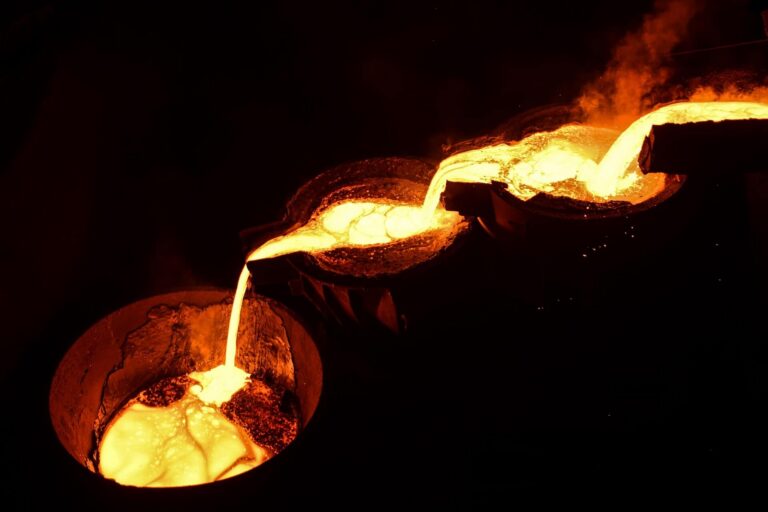
Smelting uses high heat to process suitable waste materials and concentrate valuable metals for more refining.
Some sites use both methods to recover cobalt, nickel, and other battery materials. The best process depends on the input material, impurity levels, and the products needed.
Reuse in manufacturing
Once recovered and refined, cobalt-bearing materials can return to manufacturing supply chains.
Producers can use secondary cobalt for batteries and special alloys. It can also enter other industrial applications, as long as it meets the required material standards.
This reduces the loss of valuable resources and supports a more circular approach to metal production.
Which Industrial Materials Contain Recoverable Cobalt?
Cobalt recovery is not just for discarded batteries. Several industrial materials can contain useful amounts of the metal.
Manufacturers use cobalt-based alloys in turbines, machinery, and parts that need resistance to heat and corrosion. When someone replaces these products, they may find the materials suitable for specialist recycling.
Cemented carbide scrap is another key source. Some cutting and drilling tools contain cobalt as a binder that holds hard carbide particles together. Used machining inserts, worn tools, and industrial offcuts can therefore contain recoverable cobalt and tungsten carbide.
Certain high-speed steels also contain cobalt to improve cutting performance under tough working conditions. When companies replace tools or upgrade equipment, these materials can enter industrial waste streams.
Battery manufacturing scrap is another chance to recover cobalt. Rejected cells, defective electrodes, and unused battery materials can contain cobalt, depending on the chemistry.
The material mix, impurity levels, and processing needs affect how much cobalt recovery occurs. A careful review helps choose the best recycling route.
Why Is Cobalt Recycling Important for Businesses?
Cobalt recycling helps businesses get more value from their waste. It also reduces the amount of valuable metal that people lose when they throw items away.
Recovering cobalt from existing products can reduce reliance on new raw material production. Mining and refining use energy, water, and other resources, so secondary recovery can support more efficient resource use.
It can also support cobalt supply security. Cobalt is an important material for battery makers, electronics producers, and industrial businesses. Recovering it from existing products creates another source of cobalt for future production.
Another benefit is better waste management. Separating cobalt-bearing parts from mixed waste streams helps businesses identify recyclable materials more easily.
For manufacturers, this can improve material tracking, support responsible buying, and create chances to recover value from production scrap.
The International Energy Agency believes recycling is key for better critical mineral supply chains. It also helps reduce pressure on primary resources.
How Businesses Can Manage Cobalt Waste Responsibly
Businesses that generate cobalt-containing waste should set up clear collection, identification, and storage steps.
- Check production waste for batteries, carbide tools, special alloys, and other cobalt-bearing parts.
- Keep these materials separate from mixed waste to make later recovery easier.
- Store and move battery-containing products using suitable safety steps.
- Use waste contractors and recycling sites with the right permissions and skills.
- Keep accurate waste records, including descriptions, quantities, types, and transfer plans.
In the UK, businesses that handle electrical waste must consider the Waste Electrical and Electronic Equipment (WEEE) rules. The UK Government’s WEEE regulations guidance gives information on the collection, treatment, recovery, and recycling of electrical equipment.
Businesses producing cobalt-bearing metal scrap can also explore specialist cobalt recycling to find suitable recovery options for their materials.
The Future of Cobalt Recovery
The importance of cobalt recovery is likely to grow as battery technology, electronics manufacturing, and industrial production develop.
More electronic products, rechargeable power tools, and electric vehicles will eventually reach the end of their useful lives. These products can create larger volumes of end-of-life batteries and other cobalt-bearing materials for specialist recycling.
Battery manufacturing scrap will also stay an important source of secondary cobalt. Better collection and processing systems can help makers recover more material before it enters general waste streams.
However, future scrap supply will depend on battery chemistry, product life, collection rates, and recycling investment. Some makers are also lowering cobalt content or developing other battery chemistries.
Even with these changes, cobalt will still have important industrial applications in special alloys, batteries, and other technologies.
Cobalt waste from electronics and industrial equipment gives businesses a real chance to recover metal. Lithium-ion batteries, consumer electronics, industrial machinery, carbide tools, and special alloys can all contain cobalt that is suitable for recycling.
With the right collection, sorting, processing, and refining, businesses can recover cobalt and other useful metals. They can then return these materials to supply chains.
Better cobalt recycling also supports resource conservation, cuts avoidable waste, and strengthens cobalt supply chains.