Brass waste is separated and recovered through sorting, identification, and processing stages that prepare scrap for reuse. Brass is a non-ferrous metal made mainly from copper and zinc. It is commonly found in plumbing fittings, industrial components, electrical equipment, and manufacturing offcuts. Recovering these materials helps businesses reduce waste, conserve natural resources and support sustainable metal production.
Brass scrap is collected, identified, separated from other metals, cleaned, and processed. The recovered material can then be reused in manufacturing, reducing the demand for newly extracted metals.
Why Is Brass Waste Worth Recovering?
Brass is widely used because of its durability, corrosion resistance, and machinability. However, manufacturing processes and everyday product use generate scrap that can be recovered rather than sent for disposal.
Common sources include old taps, valves, pipe fittings, electrical connectors, brass sheets, machining swarf and industrial components. Manufacturing businesses also produce offcuts and rejected parts containing recoverable brass.
Recovering these materials reduces the need to extract additional copper and zinc. It also keeps valuable metals circulating within manufacturing supply chains.
According to the British Metals Recycling Association (BMRA), the UK metals recycling industry processes approximately 11.6 million tonnes of ferrous and non-ferrous metals every year. The wider industry includes an estimated 2,000 businesses and employs around 15,000 people.
Although these figures cover the wider metals recycling sector rather than brass alone, they demonstrate the importance of metal recovery in the UK.
How Brass Waste Is Separated and Recovered
Brass waste passes through several stages before it becomes suitable for reuse. Each stage helps remove unwanted materials, identify different metal grades, and improve the quality of recovered scrap.
1. Collection and Initial Inspection
The process begins when brass scrap is collected from manufacturing facilities, construction projects, demolition work and commercial premises.
Recycling facilities inspect incoming materials to identify their condition and check for other metals or unwanted substances.
Large brass components, plumbing fittings and production offcuts may be separated from smaller pieces. Items containing plastic, rubber, steel or other attachments are also identified for further processing.
Keeping brass waste separate during collection helps reduce contamination and makes subsequent sorting more efficient.
2. Identifying Brass from Other Metals
Brass can sometimes be confused with copper, bronze and other non-ferrous metals because they have similar colours and appearances.
However, visual inspection alone is not always reliable. Different brass alloys contain varying proportions of copper and zinc, which affect their appearance and properties.
Recycling facilities may use specialist equipment, including X-ray fluorescence (XRF) analysers, to identify the chemical composition of metal scrap.
XRF technology helps operators distinguish between different copper alloys and identify unwanted materials. This is particularly useful when processing mixed metal waste containing several brass grades.
3. Separating Brass from Mixed Scrap
Once the materials have been identified, brass is separated from other metal waste.
Magnetic separators can remove ferrous metals, such as iron and steel, from mixed scrap. Brass is non-ferrous, meaning it is not attracted to conventional magnets.
Other separation techniques may include eddy current separation, density-based sorting and manual inspection.
The equipment used depends on the type, size and condition of the incoming scrap. Larger components may require manual preparation, while smaller mixed materials can be processed using mechanical sorting systems.
Accurate separation is important because contamination can affect the quality and suitability of recovered brass.
4. Sorting Different Brass Grades
Not all brass scrap has the same composition. Some grades contain additional elements, such as lead, tin, or other metals, which influence their properties and potential applications.
For this reason, recycling facilities may separate brass according to its grade, chemical composition and intended recovery route.
Clean brass offcuts, mixed brass scrap, machining swarf and contaminated components may require different handling methods.
Advanced sorting systems, including XRF technology, help distinguish between different copper-rich alloys and brass compositions.
5. Cleaning and Preparing Brass Scrap
After separation, brass scrap may require cleaning to remove unwanted substances.
Oil, grease, plastic attachments, coatings, and other contaminants can reduce the quality of recovered material. Machining swarf may also require additional treatment because it can contain cutting fluids and other residues.
Depending on the material, preparation may involve mechanical cleaning, size reduction, drying, or other suitable processing methods.
The objective is to produce cleaner and more consistent brass scrap for the next stage.
6. Melting and Metal Recovery
Once brass has been properly sorted and prepared, it can be sent to a suitable metal processing facility.
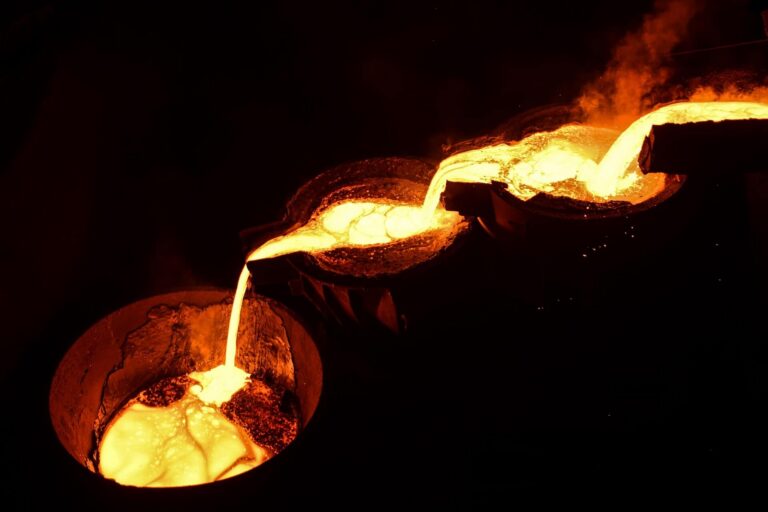
The recovered scrap is melted in industrial furnaces under controlled conditions. During processing, operators monitor the metal composition and remove impurities where necessary.
Additional alloying elements may be introduced to achieve the required specifications for the final product.
The molten brass can then be cast into suitable forms, such as billets and ingots, ready for further manufacturing.
This allows recovered brass to become a secondary raw material rather than being discarded after its original use.
Statistics Highlighting the Importance of Metal Recovery
The scale of metal recycling demonstrates why recovering materials such as brass is important to the UK economy.
The BMRA identifies the UK metals recycling industry as a sector worth approximately £7 billion. Its industry information also reports that around 11.6 million tonnes of ferrous and non-ferrous metals are processed annually.
These figures cover different metals rather than brass specifically, but they highlight the importance of efficient scrap collection, separation and recovery.
According to Defra’s UK Statistics on Waste, England generated approximately 32 million tonnes of commercial and industrial waste in 2024. This includes waste from manufacturing and other business activities.
Better identification and separation can help prevent valuable materials from being lost through inappropriate disposal.
What Happens to Recovered Brass?
After processing, recovered brass can be supplied to manufacturers as a secondary raw material.
It may be used to produce new plumbing fittings, valves, electrical components, engineering parts, and other brass products.
The exact application depends on the recovered material’s composition, quality, and required manufacturing specifications.
Recycling also supports a circular economy by keeping valuable metals in circulation for longer. Instead of relying entirely on newly extracted materials, manufacturers can incorporate suitable recovered brass into their production processes.
Businesses that regularly generate brass offcuts or unwanted components can improve their waste management by arranging appropriate collection and recycling.
Improving Brass Waste Recovery
Effective brass recovery starts with identifying scrap correctly and keeping different materials separate. Businesses should avoid mixing brass with general waste or combining different metal grades unnecessarily.
Working with an experienced metal recycling provider can help ensure that brass waste is assessed, sorted, and directed towards suitable recovery facilities.
For companies producing regular quantities of brass scrap, brass recycling offers a practical way to recover valuable materials and reduce unnecessary disposal.
Separating and recovering brass waste helps conserve natural resources, supports manufacturing supply chains, and makes better use of valuable metals.