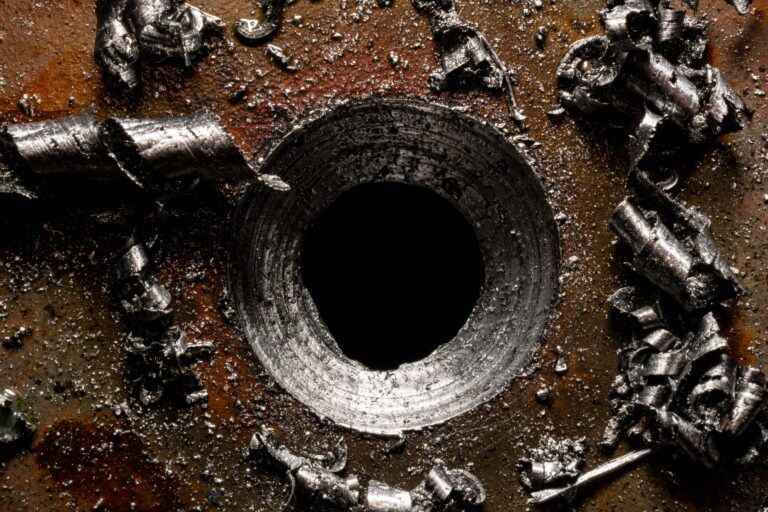
Aluminium offcuts are a useful recyclable material. They can be collected, sorted and sent for metal recycling instead of going to landfill.
Aluminium offcuts are a useful material
Aluminium offcuts are made in many workplaces, including engineering, fabrication, construction, manufacturing and metalworking. They can come from cutting sheets, machining parts, trimming profiles or making finished items.
Even when they look like waste, aluminium is still a valuable metal after it has been cut or shaped. Clean offcuts can often be separated and sent to a suitable metal recycling site, giving the material another route back into manufacturing.
Separating aluminium where it is made can also prevent dirt and reduce the amount of material entering general waste.
Aluminium offcuts can be recycled again and again
One of the main reasons aluminium offcuts should not go to landfill is that aluminium can be recycled many times without losing its basic material properties. Recycling transforms recovered aluminum into a secondary raw material that manufacturers can use.
Recycling aluminium also saves a large amount of energy compared with making primary aluminium from bauxite. The Waste and Resources Action Programme has noted the strong energy gains linked to aluminium recycling.
Keeping aluminium offcuts in the recycling stream can reduce demand for virgin materials and make better use of resources already in use.
Landfill wastes valuable aluminium
When aluminium offcuts go into general waste, they can mix with other materials and be harder to recover. Once suitable metal is thrown away with residual waste, its recycling potential may be reduced or lost.
Landfill is also a poor place for a material with an established recycling route. Environment Agency guidance covers waste type, recovery and landfill requirements in England, including limits on sending some recyclable waste streams to landfill.
For businesses, separating aluminium at the point of disposal is a simple step that supports better waste management and resource recovery.
Aluminium offcuts can have financial value
Aluminium offcuts may have scrap metal value depending on grade, alloy, cleanliness, quantity and current market conditions. Well-sorted material can be easier for recyclers to process, while mixed or dirty aluminium may be worth less.
Businesses should not treat aluminium offcuts as worthless waste. A dedicated container or collection area can help keep the material apart from general waste and other metals.
Metal recycling supports resource efficiency
Recycling aluminium offcuts supports a more circular approach to manufacturing. Instead of taking new resources, making new material and disposing of unused metal, recycling keeps aluminium in use for longer.
This can reduce unnecessary waste while helping businesses make better use of materials already available. Good metal recycling also helps recover resources that might otherwise be lost through disposal.
Responsible aluminium waste management
Businesses should think carefully about their duties when storing, handling and moving aluminium waste. Waste producers and holders need to ensure waste is managed and moved properly.
The Environment Agency provides guidance on waste type, recovery and landfill requirements in England. The Health and Safety Executive also gives advice on the hazards linked to handling and processing scrap metal.
Safe storage and proper handling should therefore be part of a wider workplace waste management system.
How to recycle aluminium offcuts
Start by identifying the aluminium waste produced by your operations. Keep aluminium offcuts separate from other metals and place them in suitable containers. Avoid mixing the material with substances that could make it dirty or make processing harder.
Businesses can then arrange collection through an appropriate metal recycling provider. The recycler can assess the material, identify suitable recovery routes and prepare the aluminium for further processing.
After collection, people can sort, grade, and process aluminum before sending it for remelting. We can then use the recovered metal as a secondary raw material instead of disposing of it as waste.
For businesses looking to manage aluminium waste more efficiently, aluminium recycling provides a practical route for recovering valuable material from everyday manufacturing and fabrication processes.
Aluminium offcuts should not go to landfill because they remain a useful and recyclable material after production. Recycling can conserve resources, reduce unnecessary disposal and support more efficient manufacturing.
For businesses, effective segregation is the starting point. Keeping aluminium offcuts separate, storing them safely, and arranging suitable collection can help turn scrap metal into a useful secondary raw material instead of landfill waste.