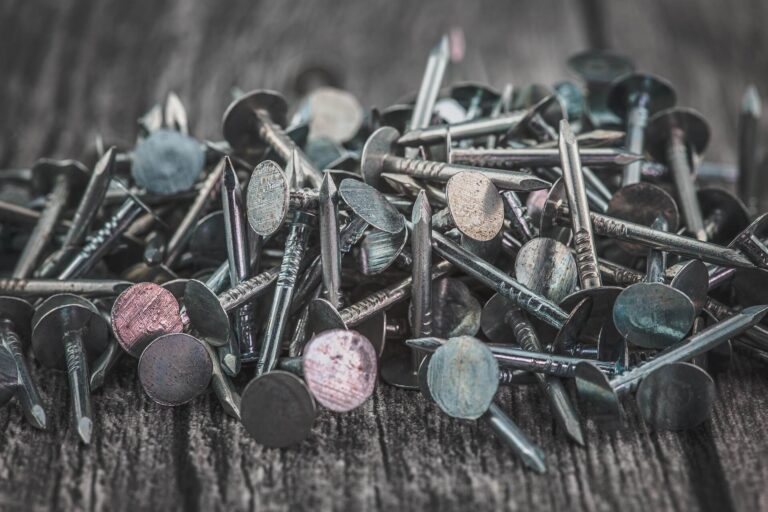
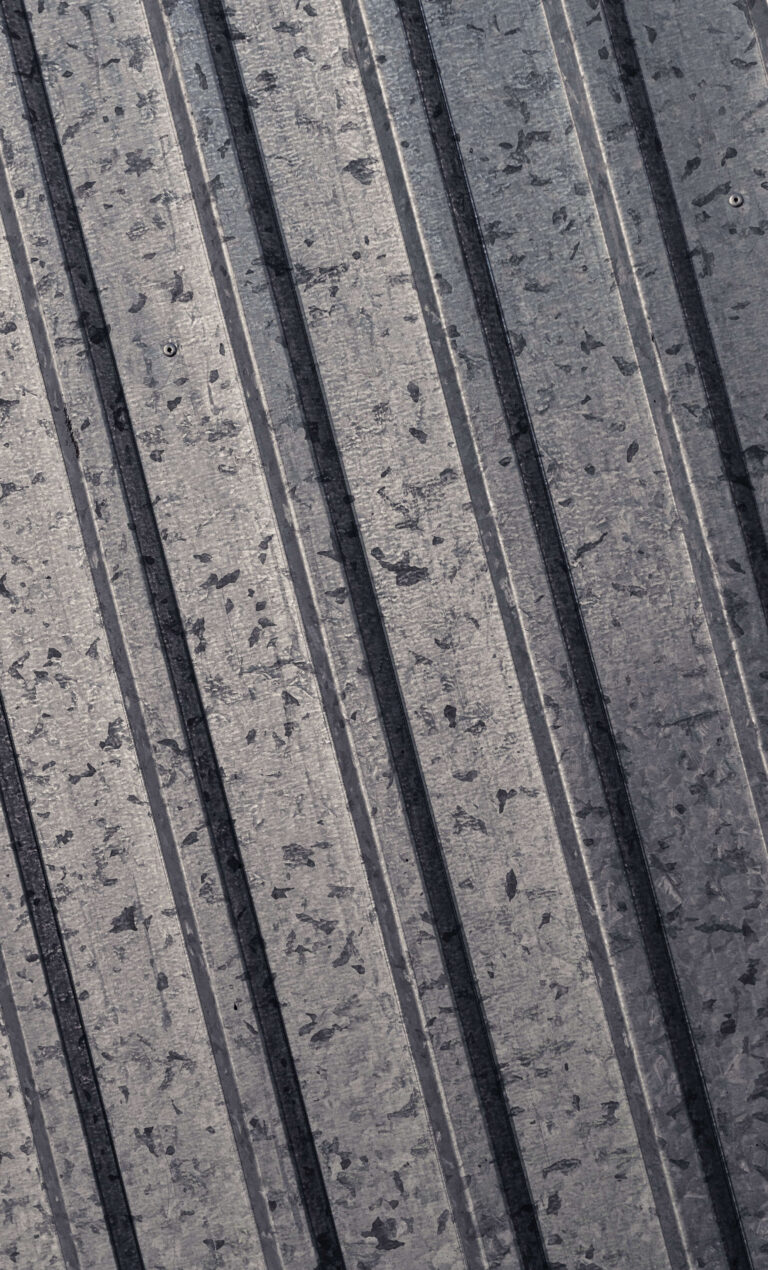
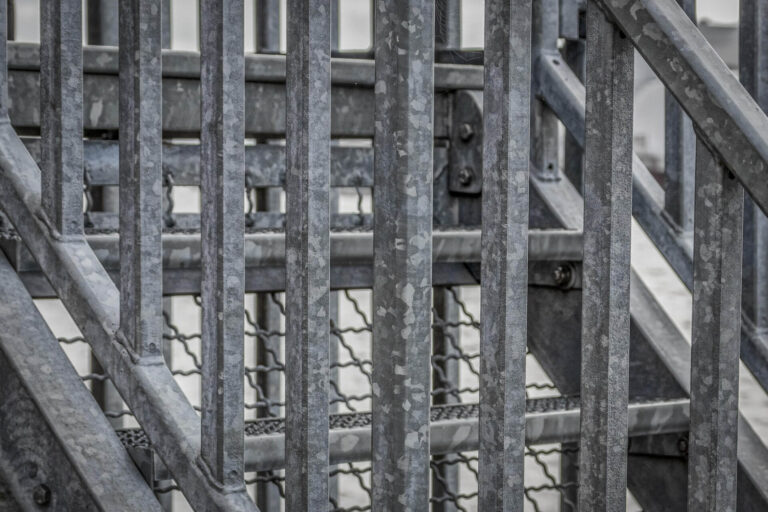
Manufacturing creates zinc scrap through machining, casting, galvanising, and cutting. Recycling suitable waste helps recover metal and reduce losses.
Zinc products are used to make durable parts, protective coatings, and industrial items. But factory work can leave offcuts, rejected parts, and process residues.
Handled well, these materials can become a useful resource. Knowing how zinc scrap forms helps manufacturers spot waste, improve production, and plan zinc recycling. Good recovery can also return suitable material to the supply chain as secondary zinc.
Why Zinc Is Used in Manufacturing
Zinc is valued for its corrosion resistance, durability, and use in manufacturing. It is used in galvanised steel, die-cast parts, fittings, hardware, and many industrial uses.
Manufacturers also use zinc alloys to make parts with specific mechanical and physical traits. These materials are found in cars, building products, electrical gear, and machinery.
Although zinc supports efficient production, it can also create offcuts, machining residue, and defective parts. Waste levels depend on design, machine performance, and the method used.
Seeing these sources helps businesses spot where changes can cut material losses.
How Manufacturing Creates Zinc Scrap
Manufacturing creates zinc scrap at several stages, from cutting raw materials to finishing completed parts. Each process creates a different type of waste that may need separate collection and recycling.
Machining and Cutting Zinc Components
Machining is a common source of zinc scrap. Manufacturers use drills, milling machines, cutting tools, and other equipment to shape metal parts to exact sizes.
These operations remove extra material to make holes, grooves, edges, and finished surfaces. The resulting zinc swarf, chips, turnings, and offcuts can build up through production.
For example, a maker of zinc fittings may machine larger pieces of metal into smaller parts. The finished products keep their intended shape, while the removed material becomes a separate scrap stream.
Accurate cutting, good part design, and regular equipment upkeep can cut waste. Manufacturers should also keep zinc swarf apart from other metals and check whether cutting fluids or other residue affect recovery.
Die Casting and Component Production
Die casting is another key source of zinc scrap. Manufacturers melt zinc or zinc alloys and inject the molten metal into moulds to make parts with exact shapes.
Once the metal cools, the castings are removed and extra material is trimmed away. Runners, gates, and flash can become scrap in this step.
Defective castings may also be rejected because of size errors, surface flaws, or incomplete filling. These rejected zinc products can add to waste if they cannot be repaired or reused.
Businesses can cut scrap by controlling casting temperatures, keeping moulds in good condition, and monitoring quality. Clean production returns may be recovered, depending on their make-up and the ability of the processing site.
Galvanising and Protective Coatings
Galvanising protects steel from corrosion by adding a zinc coating. It is widely used in construction, infrastructure, manufacturing, and industrial equipment.
Zinc-bearing waste can arise during coating work, equipment upkeep, and the processing of galvanised parts. Hot-dip galvanising can create zinc ash and dross, which may contain oxides and other substances rather than clean metal.
Manufacturers may also create scrap when cutting, drilling, or rejecting galvanised steel products. These materials contain both steel and zinc, so they should not always be treated as pure zinc scrap.
Correct identification helps businesses choose the right recovery route. Keeping different materials separate also improves waste handling and lowers the risk of mix-ups.
Stamping, Pressing and Metal Forming
Stamping and pressing shape metal by applying force to sheets, strips, or other prepared materials. These methods are used to make brackets, fittings, covers, and other parts.
When manufacturers cut materials into set shapes, unused sections remain around the finished parts. These scraps may include narrow strips, irregular offcuts, and leftover sheet metal.
Poor cutting layouts and the wrong material size can increase scrap. Manufacturers can improve material use by planning part layouts carefully and choosing sheet sizes that fit the job.
Separating clean zinc offcuts from other metals also makes them easier to identify and send for suitable recycling.
Finishing and Quality Control
Manufacturing continues after a part has been shaped. Products may need deburring, surface finishing, assembly, and inspection before they are ready for use.
These stages can create more zinc scrap. Finishing removes small amounts of material, while checks find parts that do not meet specs.
Rejected products may come from surface flaws, wrong sizes, or damage during production. Where repair or reuse is not a good fit, these items may enter the scrap stream.
Regular checks and equipment upkeep can reduce avoidable defects. Looking into repeat problems also helps manufacturers see where methods need work.
Other Factors That Increase Zinc Scrap Production
Manufacturing processes are not the only cause of zinc scrap. Buying choices, production planning, and machine performance can also affect the amount of waste made.
Excess Raw Materials and Offcuts
Businesses may buy more zinc sheet, billets, or other stock than a run needs. Order changes and weak forecasts can leave unused material or extra stock.
Some materials may still be fit for later use, while others may no longer meet current specs. Checking stock levels and buying needs helps prevent unwanted build-up.
Where extra zinc cannot be reused, businesses should check its condition before collection or recycling.
Equipment Wear and Production Errors
Worn tools, poorly set machines, and uneven process settings can increase losses. These problems may lead to defective parts, repeat machining, and extra finishing work.
Planned upkeep helps find machine problems before they affect larger batches. Recording scrap by process can also show where losses are highest.
Manufacturers can then focus on changes that cut waste and make better use of raw materials.
Changes in Product Specifications
Product designs and customer needs can change during production. New sizes, updated specs, or discontinued products may leave existing material unusable for its original job.
Accurate records help businesses spot surplus parts and unused stock. Better communication between buying, engineering, and production teams can also stop needless orders.
These steps reduce avoidable waste and help manufacturers manage zinc materials more efficiently.
How Businesses Can Reduce Zinc Scrap
Businesses can reduce zinc scrap by finding where losses occur and improving production efficiency. Accurate buying, efficient cutting layouts, and regular upkeep can all help cut waste.
Manufacturers should review machining, casting, and finishing steps to find repeat defects. Fixing the causes of rejected parts can reduce material use and improve quality.
Suitable offcuts and production returns may be reused where technically practical. Material that cannot be reused should be sorted by make-up and condition.
Clear labels and set storage areas help keep zinc scrap separate from other metals or general waste. Zinc swarf, coated steel, and zinc-bearing residues may need different handling.
Businesses should work with a properly authorised waste carrier and a receiving facility able to accept the material. Clear waste notes and records support responsible management.
The GOV.UK waste duty of care guidance explains responsibilities for businesses transferring waste in England and Wales.
What Happens to Zinc Scrap After Collection?
After collection, zinc scrap is checked for its make-up, condition, and fit for recovery. Clean zinc, zinc alloys, galvanised steel, and manufacturing residues may need different processing methods.
Sorting helps identify suitable material and remove unwanted matter. Depending on the scrap type, more preparation may include size reduction, separation, or specialist treatment.
Suitable material can be processed to recover zinc for use as a secondary raw material. This secondary zinc can support the making of new products and reduce reliance on primary metal resources.
However, not every zinc-bearing material can follow the same recycling route. Oils, coatings, oxides, and mixed metal content can affect the treatment needed.
Manufacturers should give clear material details when arranging collection. Talking about make-up and any dirt with a recycling provider helps find the right recovery option.
Why Zinc Recycling Matters
Zinc recycling helps manufacturers recover useful material from production waste. Instead of losing suitable metal through wrong disposal, businesses can return recovered resources to the supply chain.
Using secondary zinc can reduce demand for newly mined raw material. The overall environmental gain depends on the scrap type, processing needs, transport distance, and energy used during recovery.
A well-run recycling system can also improve factory order and make material losses easier to track. Monitoring scrap volumes helps businesses see whether production changes are working.
Recycling works best alongside waste prevention and reuse. By cutting avoidable scrap first and recovering the rest, manufacturers can improve resource efficiency and support more responsible production.
Manufacturing creates zinc scrap through machining, die casting, galvanising, stamping, and finishing. Extra material, defective parts, and process residues can all add to waste.
Businesses can reduce these losses through better planning, equipment upkeep, quality control, and separate scrap collection. Suitable zinc scrap can then be recovered through the right recycling processes.
By knowing where zinc waste comes from, manufacturers can improve material efficiency, recover useful resources, and support more sustainable production.