Many commercial and industrial businesses produce aluminium scrap. They can sort, collect, and recover it instead of sending it to general waste. Recycling aluminium keeps a useful material in use and reduces disposal. It also supports the use of recycled raw materials in new products.
Aluminium is a non-ferrous metal, not a ferrous metal like steel. Keeping aluminium in separate waste streams makes sorting easier and helps protect material quality.
A clear separation system also helps staff spot recyclable metal fast, cuts accidental mixing, and makes regular collections easier for businesses that produce scrap aluminium often.
For businesses, good waste separation starts where the waste is made. A fabrication workshop may create sheet offcuts. An engineering company may produce swarf and machining pieces. Offices, catering firms, and retailers may generate cans, trays, and foil. Spotting these materials early makes scrap metal collection easier.
Why Recycle Aluminium Waste?
Aluminium can be recovered and turned into material for new products. Keeping aluminium apart from other waste streams makes sorting easier and can help protect the quality of the material.
A clear separation system also helps staff spot recyclable metal fast, cuts accidental mixing, and makes regular collections easier for businesses that produce scrap aluminium often.
What Types of Aluminium Waste Can Businesses Recycle?
Scrap Aluminium and Offcuts
Scrap aluminium includes unwanted pieces left after cutting, fabrication, manufacturing, or installation. Sheets, plates, sections, and small offcuts can often be collected as scrap metal if they stay separate from other materials.
Manufacturing firms may make these offcuts during production. Construction and engineering teams may have aluminium sections left after fitting or fabrication. Keeping clean pieces together makes them easier to sort and recover.
Aluminium Cans and Containers
Aluminium cans are a common recyclable waste stream. Businesses in retail, catering, food production, and offices can produce large amounts of cans and containers. Separate collection helps stop aluminium mixing with general waste.
Aluminium trays and containers may also be recyclable, depending on their condition and the rules of the collection service. Food residue, plastic, and other material can affect how these items are handled, so businesses should follow their provider’s guidance.
Aluminium Foil
Clean aluminium foil can be collected for recycling in suitable commercial waste streams. Catering firms, restaurants, food makers, and food service venues may produce foil during food prep and packaging.
Keep used foil away from unsuitable material where possible. Sorting it at source makes recycling easier and cuts soiling.
Aluminium Sheets and Plates
Aluminium sheets and plates are widely used in manufacturing, engineering, construction, and fabrication. Cutting these materials can create valuable scrap aluminium in different sizes and shapes.
Aluminium Profiles and Extrusions
Profiles and extrusions are used in construction, manufacturing, glazing, and engineering. They can include frames, sections, and other shaped aluminium parts.
When these items are no longer needed, they can often enter a dedicated aluminium recycling stream. Removing attached parts where proper can help improve sorting, although businesses should confirm prep needs before processing or taking items apart.
Aluminium Machining Scrap and Swarf
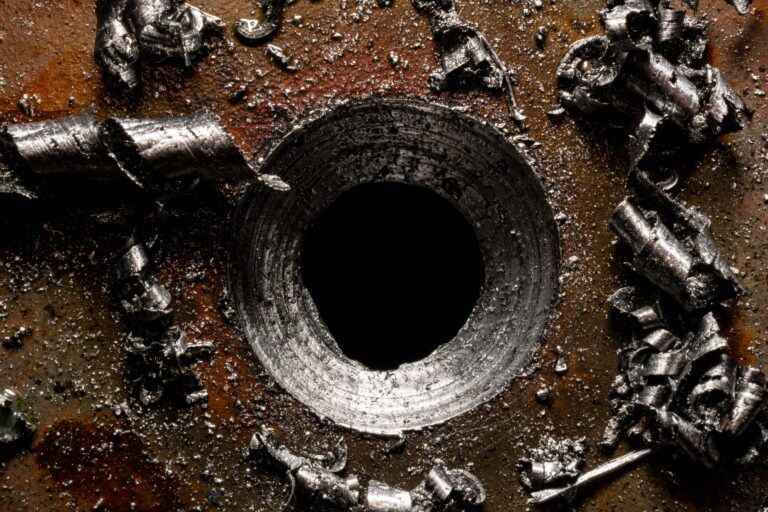
Engineering and manufacturing work can create aluminium chips, turnings, and swarf during machining. These materials can be recyclable, but their condition matters.
Swarf may contain cutting fluids, oils, or other residues. Businesses should tell their recycling provider about any soiling before collection. This lets the provider choose the right handling and recycling route.
Aluminium Cable and Components
Some industrial and electrical work produces aluminium cable, components, and manufacturing offcuts. These items may also include insulation, plastic, or steel, so they should not be treated as clean aluminium straight away.
Giving accurate details about the material helps a recycler decide whether more sorting or processing is needed.
How Should Businesses Prepare Aluminium for Recycling?
Businesses should keep aluminium apart from general waste and other metals wherever practical. Clean material should be stored safely and protected from avoidable soiling.
Different types of aluminium can have different alloys, coatings, or attached parts. The Environment Agency gives guidance on waste sorting and the right waste code before collection. Businesses can use this to support proper waste management and records.
Recycling Aluminium and Recovering Raw Materials
Recycling aluminium lets recovered material return to manufacturing instead of being lost through disposal. This supports wider use of secondary raw materials and cuts the need to rely fully on newly mined resources.
A business that sorts aluminium at source can help create a cleaner recycling stream. This is especially useful where large amounts of scrap are made often.
How Can Businesses Improve Aluminium Recycling?
Businesses can start by finding the places and tasks that create aluminium waste. Put clearly labelled containers near those spots to cut mixing with general waste.
Regular collections can also help businesses manage larger amounts of scrap. Before booking a collection, businesses should confirm the material type, amount, condition, and any soiling with the recycling provider.
Businesses should also use a properly registered waste carrier and keep the required waste records. GOV.UK gives guidance on business waste duties and waste codes.
The main types of aluminium waste businesses can recycle include scrap aluminium, sheets, plates, profiles, extrusions, cans, foil, trays, machining scrap, and swarf. The recycling route depends on the material, alloy, condition, and level of soiling.
Keeping aluminium separate from other waste streams helps businesses recover useful material and supports the continued use of recycled raw materials. With safe storage, sorting, and collection, aluminium waste can stay in the recycling cycle instead of becoming needless disposal waste.