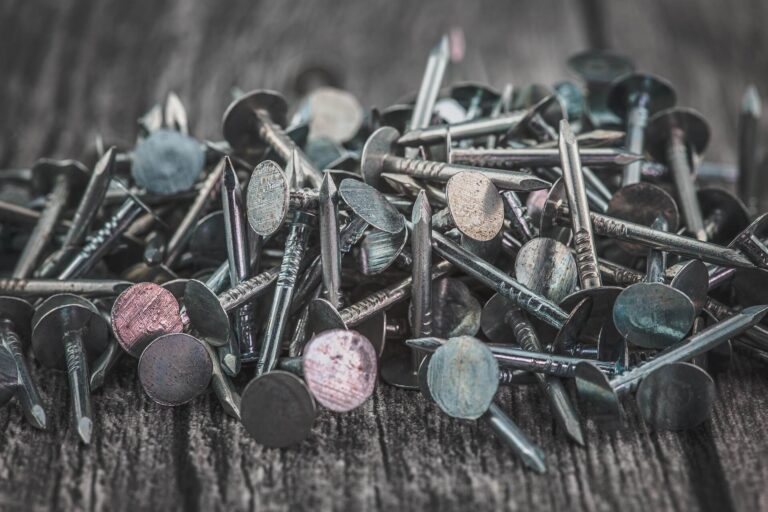
Aluminium waste is created at many stages of manufacturing. It can come from cutting, machining, forming, casting and stock handling. Aluminium waste manufacturing can create clean offcuts, swarf, turnings, casting residue and rejected parts. Knowing where it starts helps companies cut scrap and improve recycling.
Aluminium Offcuts From Manufacturing
Cutting is a common source of aluminium waste. Sheets, plates, bars and profiles are often cut to size. The leftover pieces may be too small, odd shaped or no longer fit the job.
Sawing, CNC cutting, punching and trimming can all make offcuts. Better planning can reduce the amount made, but some scrap is still inevitable.
Keeping clean offcuts apart from general waste makes collection and recycling easier.
Aluminium Swarf and Turnings
Machining also creates aluminium waste. Milling, drilling and turning remove metal from a workpiece to make the right shape or size.
The waste can include swarf, chips, shavings and turnings. Some machining waste may contain cutting fluids, lubricants or other grime, so it should be stored and managed properly.
Separating aluminium swarf from other waste streams helps protect its recycling value and supports better material recovery.
Waste From Aluminium Stamping and Forming
Stamping, pressing and forming make many aluminium parts. These processes can create scrap when extra material is removed from a workpiece.
Trimming around a finished shape can leave strips and small pieces of aluminium. Production errors can also make parts that do not meet the required size or specs.
Careful planning can reduce these losses and increase the amount made into finished products.
Aluminium Casting Residues
Casting is another source of aluminium waste. Foundries may create extra material in runners, gates and other parts of a casting system.
Aluminium dross can also form during melting. Dross contains aluminium and other materials, so it is different from clean scrap. It needs the right handling and processing for its makeup.
Separating casting residues from other waste helps manufacturers find the best recovery route.
Rejected Aluminium Components
Quality control can create aluminium waste when parts fail to meet production needs. Products may be rejected because of wrong size, surface defects, cracks, grime or other faults.
Rejected parts can still hold a lot of aluminium. If they cannot return to production, they may be collected as recyclable metal rather than sent to general waste.
Tracking rejects can also help manufacturers spot repeat problems and cut avoidable losses.
Damaged Aluminium Stock
Aluminium waste can be created before manufacturing even starts. Sheets, profiles, bars and other stock may be damaged during storage, handling or movement around a site.
Poor storage, rough handling and too much stock can raise material losses. Good inventory control can cut waste by keeping materials ordered, stored and used well.
Material that can no longer serve its original use may still have value as recyclable aluminium scrap.
How can we reduce the manufacturing of aluminium waste?
To reduce aluminium waste manufacturing, start by finding where material is lost. Manufacturers can review cutting patterns, machining work, rejected parts and stock levels to find ways to improve.
Modern design and nesting software can help arrange parts more efficiently on sheets and plates. Accurate machine settings can also reduce bad cuts, faulty parts and extra scrap.
Separating different aluminium waste streams matters too. Clean offcuts, swarf, castings and dirty scrap may need different handling. Good segregation helps keep material quality high and supports efficient recycling.
Recycling Aluminium Manufacturing Waste
Aluminium manufacturing waste can often be recovered and used again as material. Suitable scrap can be collected, sorted and processed before being used again in manufacturing.
The UK waste hierarchy places waste prevention above reuse, recycling, recovery and disposal. Manufacturers should look for ways to prevent waste before choosing recycling or disposal.
For suitable scrap, aluminium recycling can send valuable metal back into the supply chain. This reduces the need to treat recyclable aluminium as general waste and supports better resource use.
Why Proper Aluminium Waste Management Matters
Aluminium is a valuable non-ferrous metal, so manufacturers should manage scrap with care. Mixing recyclable aluminium with general waste can make recovery harder and may reduce the quality of what is collected.
A well-organised waste system helps manufacturers find the main sources of scrap, improve material efficiency and keep recycling streams cleaner.
Reducing production waste also supports better resource use by keeping usable aluminium in the production cycle.
Aluminium waste is generated at many stages of manufacturing, including cutting, machining, forming, casting, quality control and storage. Common examples include offcuts, swarf, turnings, casting residues, rejected parts and damaged stock.
Manufacturers can cut waste by improving material planning, controlling production and separating aluminium scrap correctly. When waste cannot be avoided, proper recycling can recover the metal and keep it in use.