Metal can be recycled repeatedly without automatically losing its essential properties. Proper sorting, refining, and quality checks help maintain its strength, purity, and performance.
Does Metal Lose Quality When It Is Recycled?
Does metal lose quality when it is recycled? It is a common question in manufacturing, construction, and the recycling industry. Unlike some other recyclable materials, metals can be melted and reused repeatedly without automatically losing their essential properties. However, the metal quality when recycled depends on how materials are collected, sorted, and processed.
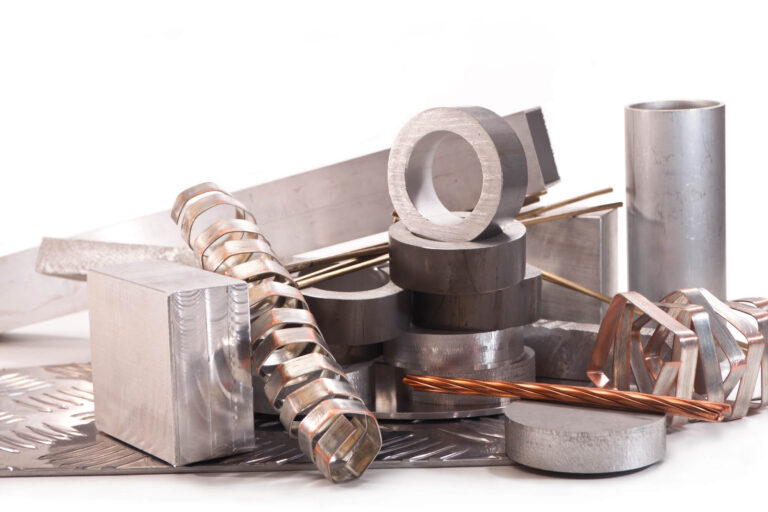
Steel, aluminium and copper can retain their strength, durability and useful characteristics through recycling. The main challenge is preventing contamination and maintaining the correct chemical composition. When recycling facilities use suitable separation and refining techniques, recovered metals can become valuable raw materials for manufacturing new products.
Does Metal Lose Quality When It Is Recycled Repeatedly?
In most cases, metal does not lose its inherent properties simply because it has been recycled. Melting changes its physical form, but it does not automatically destroy the material’s fundamental characteristics.
For example, recycled steel can retain its strength, while recycled aluminium maintains its lightweight and corrosion-resistant properties. These characteristics make metals suitable for repeated use in industrial applications.
According to the World Steel Association, steel can be recycled repeatedly without losing its essential properties. It can also be produced using recycled material through the electric arc furnace process.
However, this does not mean every batch of scrap metal produces material of identical quality. The composition of incoming scrap and the effectiveness of the recycling process influence the final product.
What Affects the Quality of Metal When Recycled?
Although metals are highly recyclable, certain factors can affect metal quality when recycled. These problems usually result from contamination, incorrect sorting, or changes in chemical composition rather than recycling itself.
Contamination from Other Materials
One of the main challenges is contamination. Scrap metal can contain plastic, rubber, paint, dirt, oils, and other unwanted substances.
When these materials enter the recycling process, they can affect processing efficiency and the purity of recovered metal. Some contaminants can also remain in molten material if they are not removed effectively.
Mixing Different Metal Types
Different metals have different chemical compositions and physical properties. Mixing incompatible grades can make it difficult to produce recycled material that meets specific manufacturing requirements.
For example, copper contamination in steel scrap can affect the suitability of recycled steel for certain applications. This is why separating different metal grades is important.
Incorrect Sorting and Separation
Poor sorting can result in different metal grades being mixed together. This reduces the ability of recycling facilities to recover materials at their highest possible quality.
Modern facilities use magnetic separation, eddy current separation and other technologies to identify and separate different materials.
How Different Metals Maintain Their Quality During Recycling
Not all metals behave in exactly the same way during recycling. Their chemical composition, alloying elements and processing requirements determine how they can be recovered and reused.
Steel
Steel is one of the most widely recycled materials. Its fundamental properties can be maintained through repeated recycling when scrap is properly sorted and processed.
Recycled steel is used in construction, vehicles, machinery and manufacturing. Steelmakers can also adjust its composition to produce different grades for specific applications.
Aluminium
Aluminium can be recycled repeatedly without losing its fundamental material properties. However, different aluminium alloys must be managed carefully because their chemical compositions determine their suitability for particular products.
The International Aluminium Institute reports that recycling aluminium saves approximately 95.5% of the energy required for primary production.
Copper
Copper retains its important electrical and thermal conductivity properties when properly recovered and refined. This makes recycled copper suitable for electrical wiring, plumbing, electronics, and industrial equipment.
However, impurities must be controlled to meet the purity levels required for demanding applications.
Brass and Other Alloys
Brass is an alloy primarily made from copper and zinc. Its properties depend on the proportions of these elements.
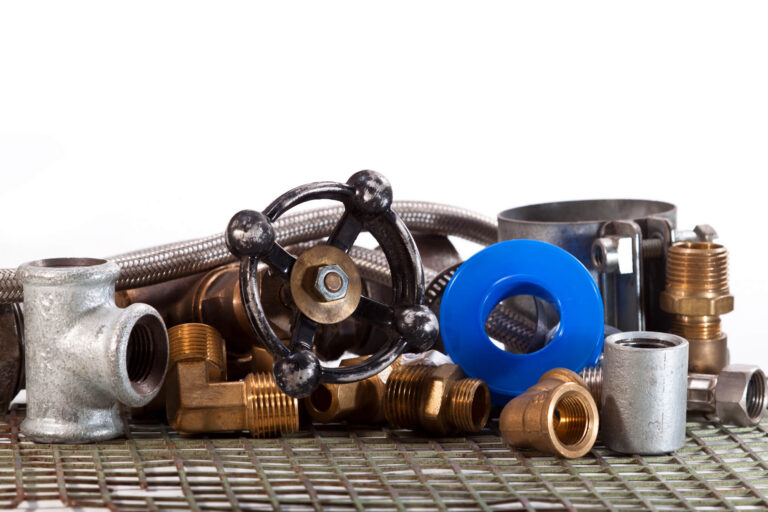
During recycling, different brass grades should be separated to maintain the correct composition. This helps manufacturers produce consistent materials for fittings, components, and industrial applications.
Statistics: Does Metal Recycling Affect Quality?
Statistics demonstrate why metal recycling is valuable for preserving resources and supporting manufacturing.
According to the International Aluminium Institute, recycling aluminium requires approximately 95.5% less energy than producing primary aluminium from raw materials. Its comparison uses 186 gigajoules per tonne for primary production and 8.3 gigajoules per tonne for recycled production.
Steel recycling also operates on a significant global scale. The World Steel Association reported that approximately 680 million tonnes of steel were recycled worldwide in 2021. This avoided more than one billion tonnes of carbon dioxide emissions associated with producing virgin steel.
These figures demonstrate the environmental benefits of recovering metals. However, effective collection, sorting and processing remain essential for maintaining material quality.
How the Metal Recycling Process Protects Quality
Maintaining recycled metal quality requires several important processing stages. Each stage helps remove unwanted materials and ensures that recovered metals meet the requirements of future applications.
Collection and Inspection
The process begins with collecting scrap metal from industrial operations, construction projects, vehicles, and discarded equipment.
Recycling facilities inspect incoming materials to identify different metal types, grades, and potential contaminants. This helps prevent unsuitable materials from entering the same processing stream.
Sorting and Separation
Sorting is essential for maintaining metal quality. Facilities use different technologies to separate ferrous and non-ferrous metals.
Magnetic separators recover iron and steel, while eddy current separators help separate non-ferrous metals such as aluminium from other materials.
Shredding and Preparation
Once sorted, scrap metal may be shredded, cut, or compressed into smaller pieces. This makes materials easier to handle, transport and process.
Removing attached materials and preparing scrap correctly also helps improve the efficiency of the recycling operation.
Melting and Refining
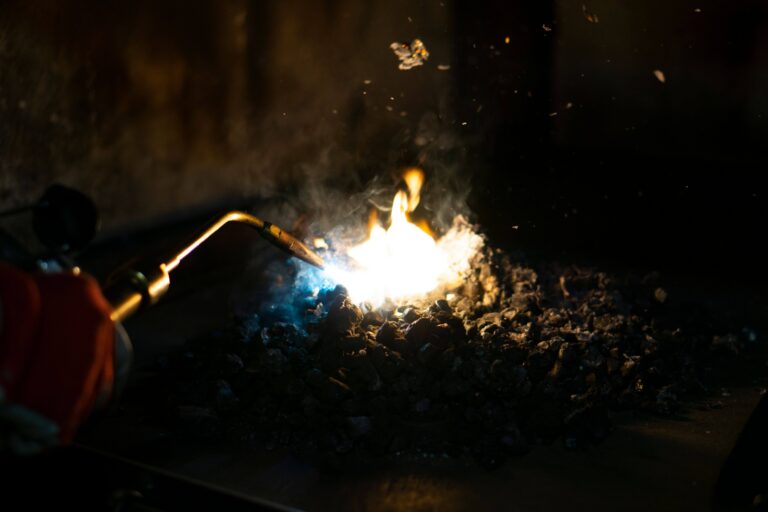
Prepared scrap is melted in specialist furnaces. During this stage, further processing can remove certain impurities and help achieve the required metal composition.
Manufacturers may also introduce specific alloying elements or adjust the chemical composition to meet product specifications.
Quality Testing
Before recycled metal enters manufacturing, it can undergo quality checks. These may include chemical analysis, composition testing and mechanical testing.
These checks help confirm that the recovered material meets the required standards for strength, purity, and performance.
Can Recycled Metal Be as Strong as New Metal?
Yes. Recycled metal can achieve the same required strength and performance as metal produced from primary raw materials.
The important factor is not whether the material has been recycled. Instead, its chemical composition, processing conditions and final quality determine how it performs.
For example, recycled steel can be manufactured into structural components, while recycled aluminium can be used in vehicle parts, construction products and packaging.
However, not every batch of recovered metal is suitable for every application. Some materials may require additional refining or blending with primary metals to meet specific manufacturing standards.
Why Maintaining Recycled Metal Quality Matters
Maintaining material quality is important for manufacturers and the wider recycling industry.
High-quality recycled metals reduce the need for newly extracted raw materials, support resource conservation, and help manufacturers manage production costs.
They also support the circular economy by keeping valuable materials in circulation for longer.
For businesses handling industrial metal waste, choosing an experienced recycling partner can help ensure that valuable materials are recovered responsibly. Effective metal recycling helps keep valuable resources in use and supports more sustainable manufacturing.
Metal does not automatically lose quality when it is recycled. Steel, aluminium, copper and other metals can retain their essential properties through repeated recycling.
However, contamination, incorrect sorting and mixing different metal grades can affect the final material. Effective separation, refining and quality testing help prevent these problems.
With suitable recycling processes, scrap metal remains a valuable resource for manufacturing, construction and other industrial applications.