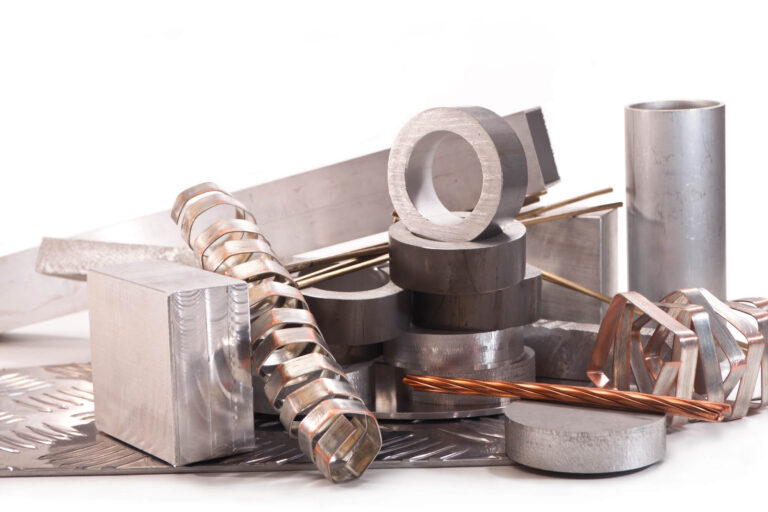
Mixed metal scrap is harder to recycle because different metals, alloys, and contaminants require separate sorting and processing.
Why Is Mixed Metal Scrap More Difficult to Process?
The main reason is that scrap metal often contains different materials with varying physical and chemical properties. Unlike clean, separately collected metals, mixed scrap requires additional sorting, identification, and preparation before it can be recycled.
Recycling metals helps conserve natural resources, reduce waste and lower the demand for newly extracted raw materials. However, the quality of recovered materials depends on how effectively different types of metals are separated.
Contamination, complex alloys, and unwanted components can make the recycling process more expensive and time-consuming. Understanding these challenges helps businesses manage their scrap metal more effectively.
1. Different Types of Metals Require Separate Sorting
One of the biggest challenges with mixed metal scrap is the presence of several metal types in the same load. These may include steel, iron, aluminium, copper, brass and nickel.
Each metal has different melting points, chemical compositions and recycling requirements. For example, ferrous metals contain iron and can generally be separated using magnets. Non-ferrous metals, such as aluminium and copper, require different separation techniques.
Recycling aluminium also involves different processing conditions from those used for steel or copper. When these materials are mixed, recycling facilities must identify and separate them before further treatment.
Incorrect sorting can affect the quality of recovered materials and make them unsuitable for certain manufacturing applications. Separating each metal item at the collection stage helps reduce this problem.
2. Contamination Makes Metal Scrap More Difficult to Process
Mixed scrap metal often contains unwanted materials that must be removed before recycling. These can include plastic, rubber, wood, glass, oil, paint and insulation.
For example, household appliances may contain copper wiring, steel casings, plastic components and electrical insulation. Similarly, car parts can contain aluminium, steel, rubber and other materials.
These additional components make separation more complicated because recycling facilities must remove non-metallic materials before processing the valuable metals.
Oil, coatings and other residues may also require additional cleaning. If contaminants remain, they can affect the quality of recycled materials and increase processing costs.
Some waste streams may also contain hazardous substances. Certain specialist industrial or legacy materials can include radioactive metals, which require specific identification and controlled handling rather than ordinary scrap processing.
Proper inspection and preparation help reduce contamination and improve metal recovery.
3. Identifying Different Metal Alloys Is Difficult
Not all scrap metal consists of pure metals. Many industrial products contain alloys, which combine two or more elements to achieve particular properties.
Stainless steel, for example, can contain iron, chromium and nickel. Brass is primarily made from copper and zinc, while bronze generally contains copper and tin.
Although these materials may look similar, their chemical compositions and recycling requirements differ.
Mixing incompatible alloys can change the composition of a recycled metal batch. This is particularly important when manufacturers require specific grades for their products.
Recycling facilities may use handheld analysers and X-ray fluorescence (XRF) equipment to identify metal compositions. Accurate identification helps prevent valuable alloys from being mixed with unsuitable materials.
4. Separation Requires Specialist Equipment
Processing mixed metal scrap often requires more advanced equipment than handling clean, single-material scrap.
Recycling facilities use several technologies to separate materials. Magnetic separators remove ferrous metals, while eddy current separators help recover non-ferrous metals such as aluminium and copper.
Optical sorting systems, sensors and automated identification equipment can also distinguish between materials with different properties.
The UK Government’s waste treatment guidance recognises magnetic separation, eddy current separation, manual sorting and other technologies as important treatment methods for mixed waste streams.
These systems improve sorting accuracy, but they require investment, maintenance and skilled operation. Smaller facilities may find it more difficult to process complicated scrap loads.
5. Mixed Scrap Can Increase Processing Costs
Another reason mixed metal scrap is difficult to process is the additional cost involved in preparing it for recycling.
When different metals and contaminants arrive together, facilities may need extra labour, sorting equipment, cleaning processes and storage space.
The more complicated the material composition, the longer it can take to separate and prepare the scrap. This can reduce processing efficiency and increase operational expenses.
Businesses selling poorly sorted materials may also receive lower prices because buyers must account for additional processing requirements and potential material losses.
Separating scrap according to metal type before collection can reduce unnecessary handling and improve the value of recovered materials.
6. Metal Recovery Rates Can Be Affected
Mixed metal scrap does not always allow every valuable material to be recovered. Small metal pieces, tightly connected components and complex products can make separation more challenging.
For example, electronic waste may contain small quantities of copper, aluminium, steel and other valuable materials within compact assemblies. Recovering these metals requires careful dismantling and specialised processing.
If metal fragments are too small or mixed with unsuitable materials, conventional equipment may struggle to identify and separate them.
Defra reported that 522,000 tonnes of waste electrical and electronic equipment (WEEE) and other scrap metals were recycled in England in 2024. This represented a 6.2% increase compared with 2023.
Although this figure covers WEEE and other scrap metals rather than mixed metal scrap alone, it demonstrates the scale of material recovery from these waste streams.
7. Different Metals Have Different Recycling Requirements
Each metal has specific processing requirements. Differences in melting temperatures, chemical compositions, and physical characteristics mean materials must be treated appropriately.
For example, aluminium is produced from bauxite ore, while steel production uses iron-bearing raw materials. Recycling these metals requires different preparation and processing methods.
The International Aluminium Institute reports that recycling aluminium requires approximately 95.5% less energy than producing primary aluminium from raw materials. Its comparison uses 186 gigajoules per tonne for primary production and 8.3 gigajoules per tonne for recycled production.
This demonstrates why keeping recyclable materials separate is important. Mixing metals can introduce unwanted elements into the final product and reduce its suitability for manufacturing.
Although many metals can be recycled repeatedly, not every metal item is 100% recyclable in practice. Contamination, material losses and complex product designs can limit recovery. Producing recycled steel and other secondary metals therefore depends on effective sorting and processing.
Effective separation helps preserve material quality, reduce environmental impact and support the circular economy.
How Can Businesses Make Mixed Metal Scrap Easier to Process?
Businesses can reduce processing difficulties by improving how they collect, store, and prepare scrap metal.
Separating aluminium, copper, brass, steel, and other materials at the source is one of the most effective approaches. Keeping different materials in separate containers reduces the need for extensive sorting later.
Removing non-metallic components where practical can also help prevent contamination. Businesses should identify unusual alloys, label storage containers, and avoid mixing clean materials with oily or coated waste.
Working with experienced recycling specialists can provide additional support when handling complicated industrial scrap.
Better preparation helps recycling facilities recover valuable metals, reduce avoidable waste, and process materials more efficiently.
Mixed metal scrap is more difficult to process because it contains different metals, alloys, contaminants, and components that require separate treatment. These challenges can increase operational costs, affect recovery rates, and influence the quality of recycled materials.
However, effective sorting, accurate identification and suitable separation technologies can improve metal recovery. Businesses that organise their scrap before collection can support more efficient recycling and a sustainable circular economy.