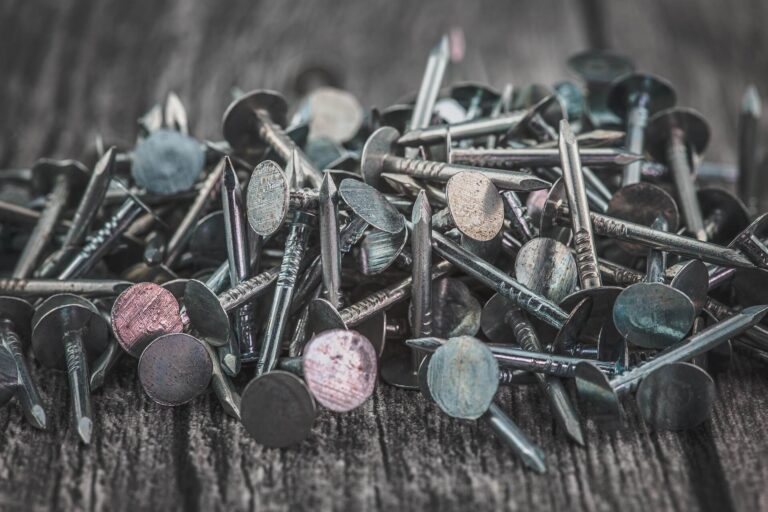
Titanium recovery helps manufacturers reduce scrap, conserve resources, and support sustainable manufacturing through effective titanium recycling.
What Is Titanium Recovery?
The role of titanium recovery is to reclaim valuable metal from manufacturing waste and return suitable material to productive use. Titanium is widely used in aerospace, engineering, medical equipment, and industrial applications because of its strength, low weight, and corrosion resistance.
Manufacturing processes can generate titanium offcuts, swarf, machining waste and rejected components. Instead of sending suitable scrap for disposal, businesses can separate and recover it for recycling.
Titanium recovery helps manufacturers manage resources more efficiently while reducing unnecessary material losses. It also supports a circular economy by keeping valuable metals in circulation.
The Role of Titanium Recovery in Sustainable Manufacturing
Sustainable manufacturing aims to reduce waste, conserve resources and improve production efficiency. Titanium recovery supports these objectives by creating opportunities to reuse metal that would otherwise leave the manufacturing supply chain.
Businesses that machine or fabricate titanium often generate scrap during cutting, shaping and finishing. Separating this material from general waste makes it easier to assess and recycle.
Effective titanium recovery also helps manufacturers understand their waste streams. By monitoring scrap generation and improving material handling, businesses can identify opportunities to reduce waste and make better use of purchased materials.
The environmental benefits depend on the quality of the scrap, the recycling process and the energy required for recovery. However, recycling suitable titanium can reduce reliance on primary material production and support more responsible manufacturing practices.
How Titanium Recycling Reduces Industrial Waste
Titanium recycling turns suitable manufacturing scrap into a potential resource. Offcuts, surplus metal and selected machining waste can often be collected for assessment and processing.
Segregation is an important first step. Keeping titanium separate from other metals helps preserve material identity and reduces the risk of contamination. Different titanium grades and alloys should also be stored separately where necessary.
Clean, correctly identified scrap is generally easier to assess for recovery. Businesses can improve results by using labelled containers, establishing clear handling procedures and arranging regular collections.
Manufacturers should also review production methods to prevent avoidable waste. Better cutting plans, efficient machining and careful stock management can reduce the amount of scrap generated in the first place.
Combining waste prevention with titanium recycling helps businesses improve material efficiency and manage industrial waste more responsibly.
Environmental Benefits of Titanium Recovery
Producing primary titanium involves several processing stages that require energy and resources. Recovering suitable scrap provides another source of metal for manufacturing and may reduce demand for newly produced material.
Titanium recovery can also divert valuable metal from disposal. This supports resource conservation and encourages businesses to consider the entire lifecycle of their materials.
The environmental impact of recycling varies according to the scrap condition, transport requirements, processing method and quality standards for the recovered metal. For this reason, businesses should consider the complete recovery route when assessing sustainability benefits.
Responsible titanium recycling forms part of a wider approach to reducing manufacturing waste. When supported by efficient production and appropriate waste management, it can help companies make progress towards their environmental objectives.
The Economic Value of Titanium Scrap Recovery
Titanium scrap can retain commercial value after its original manufacturing purpose has ended. Its value depends on factors such as grade, quantity, cleanliness, contamination and market conditions.
Separating scrap correctly helps businesses identify material and present it for assessment. This may improve recovery opportunities and reduce unnecessary handling.
A structured recovery process can also help manufacturers monitor material losses and identify inefficient production practices. Reducing avoidable scrap may lower material purchasing requirements and improve overall resource use.
However, financial returns are not guaranteed. Collection, transport, preparation and processing costs can affect the final outcome. Businesses should assess these factors when choosing a suitable titanium recycling route.
Why titanium scrap needs care
A good scrap plan helps firms keep quality high, control waste, and recover useful metal. It also supports metal recycling and more efficient titanium production.
1. Find where titanium scrap comes from
Titanium scrap often comes from milling, turning, drilling, cutting, and finishing.
Unused stock, damaged parts, and offcuts also add to waste.
Regular checks can indicate where material is lost and where cuts can be made more exact.
They can also help with storage and collection plans.
2. Sort titanium alloys by grade
Correct sorting is key to titanium recycling.
Different titanium alloys have different mixes and uses. Mixing them with other metals makes recovery harder.
Keep titanium apart from aluminium, stainless steel, nickel alloys, and general waste.
Where possible, mark each grade titanium lot and keep it in labelled bins.
This matters most for titanium alloy scrap from aerospace work.
Aerospace alloys often have strict specs, so tracking matters all through recovery.
Keeping scrap separate helps recycling services judge whether it is fit for processing and cuts the risk of dirt and mix-ups.
3. Stop dirt and oil during handling
Dirt, oil, cutting fluid, and metal bits can lower the value of titanium scrap.
Keep clean offcuts apart from oily turnings and dirty machining waste.
Use the right bins and clear steps so waste streams do not mix.
Fine titanium swarf and turnings need extra care because their form can raise handling and fire risks.
Follow site risk checks and get specialist advice on safe storage.
Do not assume all titanium waste can be handled in the same way.
4. Use safe storage and collection
Good storage makes titanium scrap easier to manage and collect.
Set aside storage areas to stop mix-ups, and use clear labels so staff can find material fast.
Choose bins that fit the size, state, and form of the scrap.
Large offcuts, solid parts, and fine turnings may need different handling.
Check storage areas often for damaged bins, full containers, and wrongly sorted material.
Train staff in safe handling and manual handling.
Before collection, send the recycling provider the scrap type, amount, grade, and condition.
This helps them plan safe handling and transport.
5. Keep waste records
Good records help firms track scrap and improve production plans.
Record the amount, type, and source of titanium waste to spot weak points and cut losses.
Keep waste transfer papers up to date and check the rules for your area.
In England, waste producers must follow the waste duty of care when they move controlled waste.
The GOV.UK waste duty of care guidance explains these duties.
Clear records also support accountability and help firms review their recycling plans over time.
6. Choose the right recycling service
The right recycling service helps firms recover value in a safe and lawful way.
Before collection, check that the provider can handle the exact titanium scrap and its state.
Give them the grade, amount, and any dirt or oil on the material.
Also check waste carrier registrations and site permits.
Depending on the load, the recycling process may include inspection, sorting, prep, and specialist recovery.
Some advanced recycling steps need clean, well-sorted scrap.
Recovered titanium can then return to manufacturing if it meets the right specs.
Companies using aerospace alloys or other industrial materials must carefully track grades and material identity.
7. Cut titanium waste at the source
Recycling is important, but it is even better to avoid scrap in the first place.
Review production methods to improve material use.
Better cut plans can reduce offcuts.
Better machining settings can reduce rejected parts.
Stronger stock control can stop unused titanium from becoming surplus.
Where it is allowed, we can use clean offcuts again in production.
But firms must check specs, tracking, and quality rules before reuse.
Regular talks with production teams can help spot avoidable waste and simple fixes.
These changes can cut raw material demand and improve manufacturing efficiency.
The Benefits of Responsible Titanium Scrap Management
Good titanium scrap management helps firms organise waste, protect material quality, and recover valuable resources.
Proper sorting can make titanium recycling more efficient.
Good records also support better buying and production choices.
Titanium recycling helps the circular economy by sending suitable material back into manufacturing instead of relying only on new metal.
As demand for titanium rises, careful scrap control becomes more important.
Because demanding industrial applications use titanium, it is important to keep its identity and quality intact.
Clear handling steps help firms manage scrap well while using resources wisely.
Engineering companies can handle titanium scrap by identifying waste sources, sorting grades, preventing contamination, storing safely, and selecting proper recycling services.
Good records and waste cuts at the source can improve material use and support a more sustainable manufacturing process.
Titanium Recovery and the Circular Economy
A circular economy aims to keep resources in use for longer and reduce reliance on virgin materials. Titanium recovery contributes to this approach by returning suitable scrap to the recycling supply chain.
Recovered titanium may be processed into material for new manufacturing applications when it meets the required composition and quality standards. This can help preserve valuable resources and reduce unnecessary waste.
Maintaining accurate records and separating different grades are essential for effective recovery. Mixing incompatible materials can complicate processing and limit potential uses.
Manufacturers can support a circular economy by working with suitable recycling providers and reviewing how materials move through their operations. These practices help retain value and encourage more efficient use of industrial resources.
Best Practices for Managing Titanium Waste
Businesses should identify the production activities that generate titanium scrap and establish appropriate collection and storage procedures. Separate containers help prevent contamination and make material easier to identify.
Scrap should be assessed according to its grade, condition, and intended recovery route. Machining swarf may require additional handling because of oils, coolants or other contaminants. Businesses should follow appropriate workplace procedures and the receiving facility’s requirements.
Companies should also work with competent waste management providers and maintain the required documentation. The GOV.UK waste classification guidance helps businesses identify and classify waste correctly.
The UK waste hierarchy guidance explains how waste prevention, reuse and recycling fit into responsible waste management.
Regular reviews of scrap quantities, recovery rates and handling costs can help manufacturers identify improvements and strengthen their resource management practices.
The Future of Titanium Recovery
As manufacturers focus on resource efficiency, titanium recovery remains an important part of sustainable manufacturing. Better material identification, sorting, and recycling technologies may improve the recovery of suitable titanium scrap.
Businesses can support progress by improving segregation, tracking material flows, and working with appropriate recycling specialists. These steps can help create more reliable routes for recovered metals.
The long-term objective is not simply to recycle more titanium. It is to prevent unnecessary waste, retain material value, and improve the efficiency of manufacturing operations.
The role of titanium recovery in sustainable manufacturing is to conserve resources, reduce scrap and return suitable metal to productive use. Effective segregation, responsible waste management, and appropriate recycling routes help manufacturers improve material efficiency.
By integrating titanium recycling into their waste management procedures, businesses can support a more circular and resource-efficient manufacturing industry.
Businesses seeking information about suitable recovery options can visit the titanium recycling service page for further details.