Global metal production uses billions of tonnes of material each year. This article looks at output by metal type. Steel has the largest production volume. Aluminium, copper, nickel, zinc, and precious metals also support key industries. Recycling helps supply usable metal around the world.
How much metal do countries produce worldwide each year?
The answer depends on the metal and on what is being measured. It may mean mined ore, refined metal, or finished goods. Even so, current data show the scale of metal production and its role in modern economies.
Steel is the largest metal industry by volume. In 2025, world crude steel output reached about 1.85 billion tonnes. Aluminium and copper also added millions of tonnes to global supply chains.
According to World Steel, global crude steel production reached about 1,849 million tonnes in 2025. The International Aluminium Institute reported about 74 million tonnes of primary aluminium. The International Copper Study Group (ICSG) recorded copper mine output of about 23.2 million tonnes.
These figures show the scale of industrial metal production. They also show why careful resource use, efficient manufacturing, and metal recycling matter.
Understanding Global Metal Production
Global metal production includes mining ore, processing raw material, refining metal, and making useful products.
Mining is usually the first step. Miners take ore from the ground and send it to processing plants, where useful material is separated from waste rock.
The material may then be smelted, refined, or treated in other ways before it is used in manufacturing.
Not every statistic measures the same thing. Iron ore figures show the weight of ore dug up, while crude steel figures show the steel made by industry. In the same way, primary aluminium comes from mined resources, while secondary aluminium comes from recycled material.
This difference matters when you compare global production. If you add mining, refining, and manufacturing data together, you can count the same material more than once.
No single agreed figure exists for all metal production worldwide each year. Output is usually measured by metal type and by process.
How much steel do countries produce worldwide each year?
Steel is the most widely produced metal by volume. It is vital for construction, transport, infrastructure, and manufacturing.
China remained the world’s largest steel producer in 2025, making about 960.8 million tonnes. India ranked second with about 164.9 million tonnes. The United States made about 82 million tonnes, and Japan made 80.7 million tonnes, according to World Steel.
These figures show how concentrated global steel output is among a small group of major producers.
Builders use steel in buildings, bridges, rail networks, vehicles, machinery, and industrial equipment. Its strength, durability, and easy reuse make it one of the most important materials in the global economy.
How much aluminium do countries produce worldwide each year?
Aluminium is another major industrial metal. People value it for its light weight, corrosion resistance, and flexibility.
Worldwide primary aluminium output reached about 74 million tonnes in 2025, up from about 72.6 million tonnes in 2024. That was an increase of about 2% in one year, according to the International Aluminium Institute.
China is the leading aluminium producer, with about 44.3 million tonnes of global output in 2025. Other major producers include India, Russia, Canada, and the United Arab Emirates, according to the International Aluminium Institute.
Aluminium production starts with bauxite mining. The ore is turned into alumina, and then into aluminium in an energy-heavy smelting process.
Manufacturers use it in vehicles, aircraft, construction, packaging, electrical equipment, and renewable energy infrastructure.
One key feature of aluminium is that it can be recycled many times without losing its main properties. Recycling aluminium can save about 95% of the energy needed to make primary aluminium.
This makes aluminium recovery important for better resource use and lower environmental impact. Manufacturers can also recover valuable material from offcuts, used parts, and other suitable scrap.
How much copper do countries produce worldwide each year?
Copper is a key metal for power systems, construction, telecoms, and modern manufacturing.
Global copper output reached about 23.2 million tonnes in 2025, according to the International Copper Study Group (ICSG). Refined copper output was higher, at about 28.7 million tonnes in the same year.
The gap matters. Refined copper includes metal recovered from recycled material, as well as copper made from newly mined ore.
Chile is the top country for copper mining. Other major producers include the Democratic Republic of Congo and Peru.
Copper demand is closely tied to power generation, power distribution, and technology growth. Electrical wiring, transformers, electric motors, renewable energy systems, and electric vehicles all need copper.
As countries expand electricity networks and invest in renewable energy, copper remains an important material for industrial growth.
Recycling is another key source of copper. Manufacturers can process and reuse recovered material, which reduces the need to extract more resources.
Other Important Metals Produced Around the World
Steel, aluminium, and copper make up most industrial output, but many other metals also matter to global manufacturing.
- Iron is especially important because it is the main part of steel. In 2025, experts estimated worldwide usable iron ore output at about 2.6 billion tonnes. But this figure refers to mined ore, not finished iron.
- Nickel is another key industrial metal. People use it in stainless steel, specialist alloys, batteries, and chemical work. Its corrosion resistance and ability to handle high heat make it useful in demanding factories.
- Zinc is mainly used to protect steel from corrosion through galvanising. It also has uses in construction, vehicle manufacturing, and metal alloy production.
- Lead is closely linked with lead-acid batteries, while cobalt is used in special alloys, rechargeable batteries, and industrial work.
- Titanium is known for its strength-to-weight ratio and corrosion resistance. It is especially important in aerospace, medical equipment, chemical processing, and high-performance engineering.
These materials are part of a wider group often called base metals. They support construction, engineering, and manufacturing, even though their output is much smaller than steel.
Global Production of Gold, Silver and Other Precious Metals
Not all metal industries produce large volumes. Precious metals such as gold and silver follow a different pattern and are usually measured in tonnes, not billions of tonnes.
People value gold for financial use, jewellery, electronics, and some industrial uses. Silver is also important in jewellery, electrical parts, solar panels, and other technologies.
Unlike bulk base metals, precious metals have lower production volume but higher value per unit of weight.
Mining activity, ore quality, investor demand, and the supply of deposits that can be mined at a profit all affect output. Recycling also adds to the supply of gold and silver, especially from jewellery, electronic waste, and industrial parts.
Comparing precious metals with steel or aluminium therefore needs both production volume and material value.
Which Countries Produce the Most Metal?
Different regions produce metal, and some countries focus on certain materials.
- China matters most because of its large manufacturing sector, industrial base, and broad metal processing capacity. It leads global steel and primary aluminium output and is also a major copper refining country.
- India has become another major producer. Its growing infrastructure, construction industry, and manufacturing sector are increasing demand for steel and other industrial metals.
- Australia is important in the supply of mineral resources. It is one of the world’s leading producers of iron ore and bauxite, which feed metal processing industries worldwide.
- Chile is a key player in copper production. The Democratic Republic of Congo is also an important source of copper and cobalt.
These countries show how global supply chains depend on international trade. One country may mine raw materials, another may refine them, and manufacturers may then use them to make products elsewhere.
The spread of metal resources can make global supply chains weak. Changes in trade rules, transport costs, energy prices, and political conditions can affect them.
What Factors Influence Worldwide Metal Production?
Several economic, industrial, and environmental factors shape the amount of metal produced each year.
- Industrial demand is one of the biggest drivers. When construction, vehicle manufacturing, infrastructure, and engineering grow, demand for steel, aluminium, copper, and other metals usually rises.
- Access to natural resources also affects output. Countries with large mineral reserves and strong mining systems can support large-scale extraction. But opening new mines takes money, permits, and the right technology.
- Energy costs matter a lot in metal production. Smelting and refining can use large amounts of electricity and fuel. Higher energy prices can raise costs and change production plans.
- Technology can improve efficiency. Modern equipment, automation, and better extraction methods can help manufacturers use resources better.
- Environmental rules also shape the industry. Mining and metal processing companies face growing pressure to manage waste, cut emissions, and improve environmental performance.
Together, these factors determine how much metal manufacturers can produce and supply each year.
How Does Metal Recycling Affect Global Production?
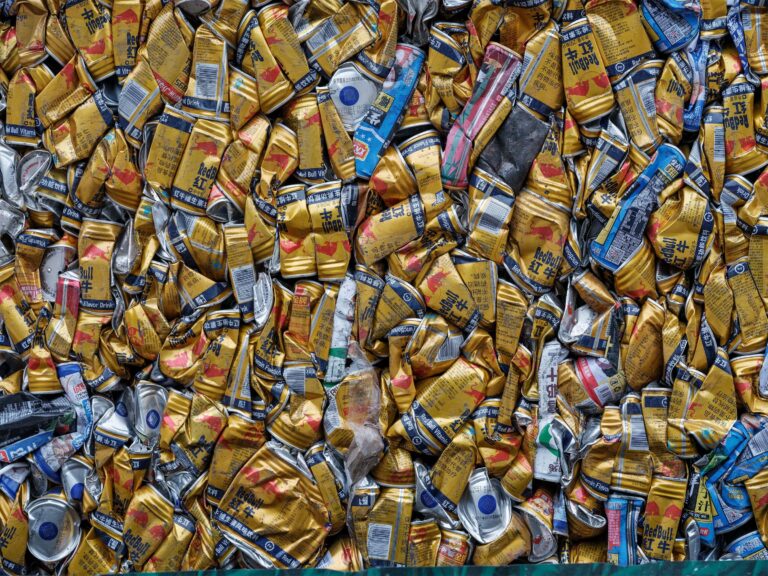
Metal recycling plays an important role in the global supply of industrial materials. Instead of relying only on newly mined resources, manufacturers can recover metals from discarded products, industrial waste, and manufacturing offcuts.
You can collect, sort, and process steel, aluminium, copper, brass, nickel, and other metals for reuse.
According to the Bureau of International Recycling, global steelmakers use about 630 million tonnes of recycled steel each year. This shows the large role of secondary material in the steel industry.
Recycling can cut demand for mining and lower the energy needed to produce some metals.
For example, making aluminium from recovered scrap uses far less energy than making primary aluminium from bauxite. Copper recycling is also an important source of material for electrical and industrial use.
Metal recovery is especially valuable for businesses that create manufacturing waste. Machining operations, engineering workshops, fabrication facilities, and industrial plants may produce large amounts of reusable metal offcuts and scrap.
Recovering these materials helps businesses put valuable resources back into the supply chain. This is better than sending waste for disposal.
Businesses looking to recover value from industrial metal waste can explore specialist metal recycling services.
Why Global Metal Production Matters for the Future
Worldwide metal production will stay closely tied to population growth, industrial development, infrastructure investment, and technological progress.
Growth in renewable energy, electric vehicles, power grids, and modern manufacturing will continue to shape demand for different metals.
But higher output also creates challenges. Mining needs land, energy, and natural resources, while processing can produce emissions and industrial waste.
Improving recycling rates offers one way to address these challenges. Recovering metals from existing products and industrial waste can help preserve natural resources and support a more circular economy.
Businesses can help by sorting metal waste correctly, improving material handling, and working with suitable recycling specialists.
As demand for metals continues, efficient recovery and responsible resource management will become more important for reliable industrial supply chains.
Global metal production uses billions of tonnes of material each year, although output varies a lot by metal. In 2025, the world made about 1.85 billion tonnes of crude steel. It also produced 74 million tonnes of primary aluminium and 23.2 million tonnes of mined copper.
These figures show the importance of metals to modern industry. As demand continues, recycling and responsible resource management will play a bigger role in supporting manufacturing and conserving valuable materials.