Steel, aluminium, copper, and other valuable materials can be recovered from industrial scrap, construction waste, electrical equipment, and discarded products.
Many metals can be recycled again and again without losing their key properties. Recovering metal waste cuts the need for mined raw materials, reduces energy use, and lowers landfill waste. Still, some material is lost during collection, sorting, and processing, so recovery rates vary by site.
What Percentage of Metal Waste Can Be Recovered?
There is no single recovery rate for all metals. Steel and aluminium have strong recycling systems. Copper, brass, lead, and other non ferrous metals can also be recovered with the right processing methods.
The list below shows the general recovery potential of common recycled metals.
Metal Types and Their Recovery Potential
Steel: High recovery potential through recycling processes that are already in place.
Aluminium: High recovery potential through fast sorting and remelting.
Copper: High recovery potential, especially when the scrap is clean.
Brass: High recovery potential, depending on the alloy mix.
Lead: High recovery potential through controlled specialist recycling.
Zinc: Can be recovered with suitable processing methods.
These notes show general recovery potential, not fixed recovery rates. The actual amount recovered depends on scrap quality. It also depends on impurities, processing losses, and available recycling facilities.
Metal Waste Recovery Statistics in the UK
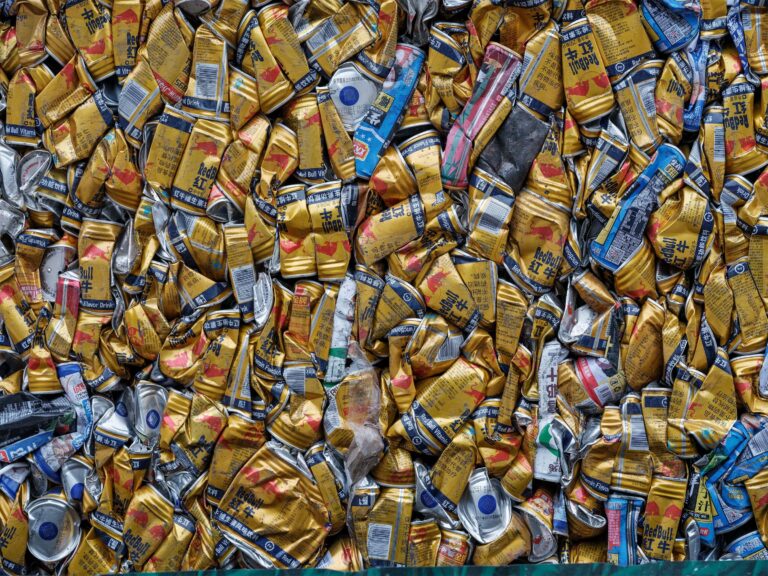
UK recycling data shows the recovery potential of different metal materials. According to Defra, the UK recycled 536,000 tonnes of metal packaging in 2024, out of 682,000 tonnes generated. That gave a recycling rate of 78.7%.
Metal Packaging Recycling Statistics
The figures for each material were:
Steel Packaging
Waste generated: 444,000 tonnes
Amount recycled: 379,000 tonnes
Recycling rate: 85.5%
Aluminium Packaging
Waste generated: 238,000 tonnes
Amount recycled: 157,000 tonnes
Recycling rate: 65.9%
Total Metal Packaging
Waste generated: 682,000 tonnes
Amount recycled: 536,000 tonnes
Recycling rate: 78.7%
These figures show that steel packaging had a higher recycling rate than aluminium packaging. However, they cover packaging waste, not all industrial and commercial metal waste.
According to the International Aluminium Institute, recycling saves about 95% of the energy used to make primary aluminium. This shows the benefit of recycled aluminium instead of relying only on newly mined resources.
Which Metals Can Be Recovered Through Recycling?
Different types of metal offer strong recovery options.
Steel and iron: Steel is widely recovered from vehicles, machinery, construction materials, and industrial equipment. Recycled steel can be melted and made into new products without losing its key properties.
Aluminium: Aluminium is collected from packaging, vehicle parts, window frames, and factory offcuts. Recycling aluminium cuts energy use and supports the production of new recycled material.
Copper: Copper wire, electrical cables, plumbing systems, and motors are important sources of recycled copper. Its electrical conductance makes it useful for new electrical parts.
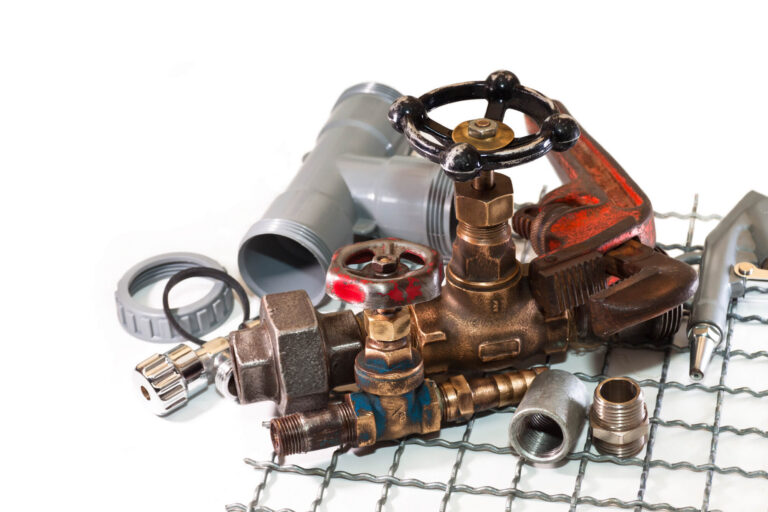
Brass: Brass contains copper and zinc and can be recovered from plumbing fixtures, industrial fittings, valves, and machinery parts.
Lead and specialist metals: Lead, nickel, cobalt, titanium, and zinc can also be recovered through suitable recycling processes. Some materials need specialist treatment because of their chemical makeup or possible environmental risk.
What Factors Affect Metal Waste Recovery?
The amount of metal recovered depends on several factors.
Impurities are one of the main problems because oil, paint, plastic, chemicals, and other unwanted material can affect scrap quality. Some impure materials may need extra treatment, while certain substances must be handled separately as hazardous waste.
Sorting is just as important. Separating different types of metal helps recycling sites identify materials correctly and improve process speed. Mixing ferrous and non ferrous metals can make separation harder.
The condition and mix of scrap metal also affect recovery. Clean, well-sorted material is usually easier to process than mixed scrap with several alloys and unwanted parts.
Modern recycling equipment, such as magnetic separators, shredders, and sorting systems, helps sites recover valuable material. Market demand also affects what gets collected and processed, because higher-value metals can give a stronger reward for recycling.
How Does the Metal Recovery Process Work?
Metal recovery uses several steps to prepare old material for reuse.
Collection:
Scrap metal is collected from factories, construction sites, demolition projects, vehicles, and business premises.
Sorting:
Materials are split into groups, including ferrous and non-ferrous metals. Magnetic separation helps identify iron and steel, while other tools sort aluminium, copper, and other materials.
Processing:
Collected scrap is cleaned, cut, or shredded to prepare it for more treatment. Removing unwanted material improves the quality of the recovered metal.
Melting and refining:
Suitable scrap is melted in specialist furnaces. More refining removes impurities and helps reach the needed material mix.
Manufacturing:
Recovered metal is used to make new products, including vehicle parts, electrical equipment, machinery, and construction materials.
Each stage determines how much usable material one can obtain from a tonne of metal. Efficient recycling processes help cut losses and improve total recovery rates.
Why Is Recycling Metal Important?
Recycling metal saves natural resources by reducing the need to mine and process virgin raw materials. It also reduces energy use and manufacturing emissions.
The benefits go beyond environmental protection. Recovering valuable scrap metal can bring extra income for businesses, cut disposal costs, and support manufacturing supply chains.
For example, recycled steel can be used in construction and car making, while recycled aluminium supports packaging, transport, and engineering. Copper recovery also helps supply material for electrical wiring and infrastructure.
The better businesses separate and recover metal waste, the more they can support a circular economy.
How Can Businesses Improve Metal Recovery?
Businesses can improve recovery rates by using better waste sorting systems and keeping different metals apart. Regular waste checks can spot valuable material that might otherwise be mixed with general waste.
Working with an experienced recycling company also helps businesses arrange suitable collections and choose the right processing options. Specialist recycling plans are especially useful for industrial offcuts, machinery, electrical parts, and mixed metal waste.
For businesses handling valuable material, professional metal recycling services can help recover reusable resources and reduce unnecessary disposal.
A large share of metal waste can be recovered, but actual rates depend on material quality, impurities, and recycling facilities. UK data shows that 78.7% of metal packaging was recycled in 2024. Better sorting, collection, and processing can help businesses recover more valuable metals, save resources, and cut waste.