Magnesium waste from engineering and manufacturing is created during machining, fabrication, casting, and component production. Magnesium is widely used because it is light, strong for its weight, and good for parts that need exact sizes. But these processes can also create offcuts, swarf, rejects, turnings, and other metal residues that businesses must manage well.
Although magnesium is a useful industrial material, some waste is missed when companies plan metal recycling. Different grades, alloy mixes, and physical forms need the right handling and sorting before the material can be recovered. Poor storage and mixing magnesium scrap with other metals can also cut recovery value.
Recovering magnesium waste helps manufacturers and engineering firms keep value in the supply chain. It can cut the need for new metal, support more efficient production, and help companies manage industrial waste well.
This guide looks at where magnesium waste comes from, which materials can be recovered, how recycling works, and why careful magnesium waste management matters to modern industry.
Magnesium waste comes from machining, casting, and fabrication. Offcuts, swarf, runners, and rejected components can often be recovered through specialist recycling, helping businesses save resources and cut waste.
What Is Magnesium Waste from Engineering and Manufacturing?
Magnesium waste refers to unwanted magnesium metal and magnesium alloy materials made during industrial production, engineering work, and component manufacturing.
It can appear in several forms depending on the process. A machining company might make fine magnesium swarf, while a die casting plant could generate runners, gates, and rejected castings. Fabrication businesses may also make offcuts and unused sections when cutting metal to size.
Unlike general mixed metal waste, magnesium scrap needs special care because of its physical properties. Magnesium is a light metal that can react in some conditions, especially as fine particles or powder. Its handling and storage needs can differ from those of heavier metals.
Magnesium waste is not always unsuitable for recycling. Much of the material made during production can be recovered when it is identified, separated, and processed correctly.
The main challenge is keeping the material in good condition from the production line to the recycler. Businesses that know their waste streams can make better choices about sorting, storage, and recovery.
Why Magnesium Is Used in Engineering and Manufacturing
Magnesium is valued across several industrial sectors because it combines low density with useful mechanical properties. Its alloys can be designed for jobs where lower weight matters without losing the strength and performance needed in the finished part.
One main advantage is its low density. Magnesium is lighter than aluminium and much lighter than steel, so it can improve product performance where weight matters.
Magnesium alloys are used in automotive components, aerospace equipment, electronic housings, machinery, industrial tools, and specialist engineering products. Many plants produce magnesium parts for cars, aircraft, electronics, and machines.
These alloys can be made using die casting, permanent mould casting, extrusion, and machining. These methods let manufacturers produce complex shapes and accurate components.
The properties of magnesium can be changed with alloying elements. Aluminium, zinc, and manganese are among the elements used in certain magnesium alloys to shape strength, corrosion resistance, and manufacturing performance. Some magnesium alloys are corrosion resistant, while others favor strength, castability, or use in certain operating conditions.
However, making magnesium products requires careful material planning. Cutting, shaping, and casting all create extra metal. When businesses produce magnesium parts in large volumes, even small scraps can add up.
This makes magnesium waste recovery important for companies that regularly use the metal.
Main Sources of Magnesium Waste From Engineering and Manufacturing
Magnesium waste can come from different stages of production. Identifying these sources helps businesses see how much reusable material they create and where they can improve.
Magnesium Machining and CNC Operations
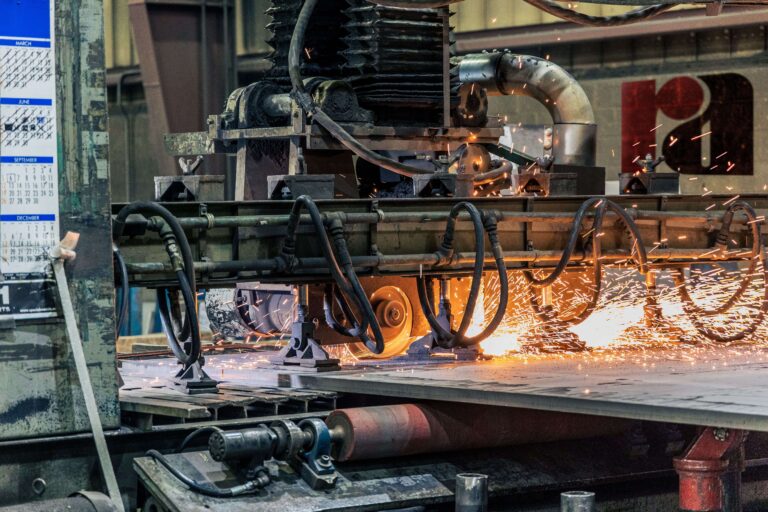
Machining is a common source of magnesium scrap in engineering shops. CNC milling, drilling, turning, and other precision work remove extra metal to make parts with exact sizes.
The removed material can include turnings, chips, and swarf. These residues may be made constantly during production, especially when manufacturers work with large magnesium billets or cast components.
The amount of waste depends on the part design, machining needs, and how much material is removed. A complex part cut from a solid block can create more scrap than a near-net-shape casting. Fine chips and dry swarf also need more care than larger solid pieces.
Coolants, oils, and other machining fluids can affect scrap quality, so businesses should keep waste streams separate and use suitable collection and storage methods.
Magnesium Die Casting Waste
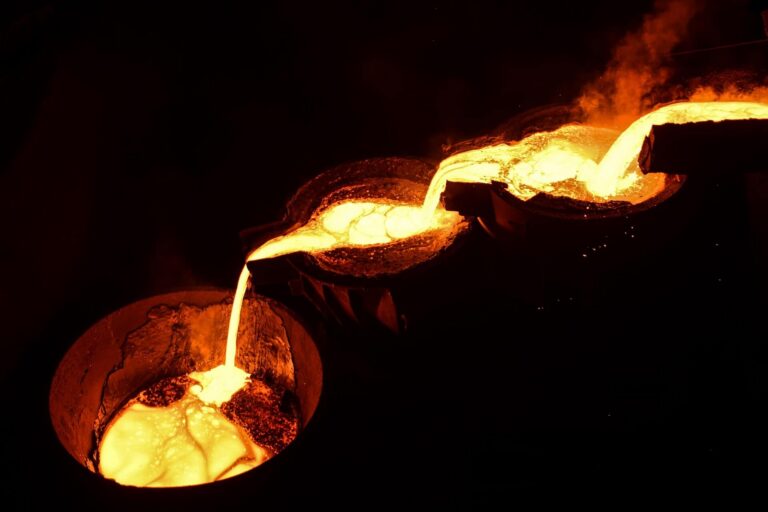
Die casting is one of the main sources of magnesium alloy manufacturing scrap. The process injects molten magnesium alloy into a mould under pressure and is used for complex parts with consistent sizes and finishes.
Some metal stays in runners, gates, and other parts of the casting system, and these sections are often removed after the part is made. Additional scrap can come from rejected castings, extra material, and production changes.
Die casting businesses can make a lot of reusable magnesium because they handle molten metal again and again. Depending on the system, process scrap may return to melting or go to a specialist recycler. The International Magnesium Association says closed-loop recycling of process scrap can cut demand for primary material by up to 50%.
Metal Fabrication and Cutting
Fabrication companies may use magnesium sheets, plates, bars, and other alloy forms to make specialist industrial parts. Cutting and shaping can create sheet offcuts, unused sections, cutting residues, and extra material.
The amount of waste depends on the part design and how well the material is used. Some offcuts are too small for the original job but still have value as recyclable metal. Keeping clean magnesium offcuts separate from other metal waste makes it easier to identify the metal and arrange recovery.
Rejected Magnesium Components
Not every magnesium part meets the required standard. Products may be rejected because of dimensional errors, surface defects, casting flaws, or other quality issues. These rejects can still be useful scrap even when the metal itself is fine for recovery.
Where the material makeup is known and the scrap is clean, rejected parts may be suitable for remelting and reuse. Businesses should separate clean rejects from parts that have coatings, adhesives, chemicals, or mixed materials.
Engineering Prototypes and Product Development
Engineering firms often make prototypes before full-scale production. These early parts let designers test size, performance, material properties, and assembly needs.
Prototypes are not always kept after testing. Some are changed, taken apart, or rejected when the design changes. Magnesium prototypes can therefore create small but useful amounts of scrap. Even if one project does not make much waste, repeated development work can build up over time.
Maintenance and Equipment Replacement
Magnesium waste can also come from repair and replacement work. Damaged housings, old parts, and unused magnesium alloy components may be removed during maintenance.
You can reuse some items, while others may suit metal recovery. Businesses should check whether parts contain only magnesium alloy or also include steel fixings, plastic inserts, or electrical parts. Removing or identifying those extra materials can improve recyclable metal quality.
Statistics on Magnesium Production, Scrap and Recycling
Magnesium recycling is an important part of industrial resource management. Production figures and recycling data show why manufacturers should pay attention to the metal generated by their operations.
The following statistics give useful insight into global magnesium production, industrial scrap recovery, and the value of recycling.
Global Magnesium Production
According to the USGS Mineral Commodity Summaries 2026, estimated global primary magnesium production reached about 1.1 million metric tonnes in 2025, compared with 1.08 million tonnes in 2024. China remained the largest producer, with about 950,000 tonnes of primary magnesium in 2025, or around 86% of global output.
These figures show how important magnesium is in global supply chains and how concentrated primary production remains.
Magnesium Production and Supply Statistics
Measure | Reported figure |
|---|---|
Global primary magnesium production, 2024 | 1.08 million tonnes |
Global primary magnesium production, 2025 | 1.10 million tonnes |
China’s primary magnesium production, 2025 | 950,000 tonnes |
China’s share of global production, 2025 | Approximately 86% |
China’s estimated smelter capacity, 2025 | 1.48 million tonnes |
Global estimated smelter capacity, 2025 | 1.80 million tonnes |
Source: US Geological Survey, Mineral Commodity Summaries 2026. Figures are estimates and rounded.
The figures show that magnesium remains an important industrial material traded around the world. They also show why suitable manufacturing scrap should be recovered.
Statistics on Recycled Magnesium
The USGS reported that about 113,000 tonnes of secondary magnesium were recovered from old and new scrap in the United States in 2024.
This included about 27,000 tonnes from old scrap and 86,000 tonnes from new scrap.
Aluminium-base alloys made up around half of the recovered secondary magnesium, while magnesium-based castings, ingots, and other materials made up the rest. New scrap is made during production, while old scrap comes from products that have reached the end of their useful life. Both streams can support material recovery.
Energy Savings From Magnesium Recycling
Recycling magnesium alloys can also lower the energy needed to get usable metal.
The International Magnesium Association says recycling magnesium alloys uses about 5% of the energy needed to make primary magnesium alloys. This helps explain why manufacturing scrap is worth recovering. The need for primary magnesium can be greatly reduced when scrap is kept in the right recovery route.
But the real savings depend on scrap quality, collection, processing, and transport.
What the Statistics Mean for Manufacturers
These figures give three clear points. First, magnesium production is concentrated in a limited number of countries, so efficient material use and secondary recovery matter for businesses worried about supply security. Second, new manufacturing scrap is already an important source of recovered magnesium. Third, recycling can lower the energy linked to primary production when the material is sorted and recovered well.
For engineering firms, the best starting point is to find where magnesium scrap is made and decide what can be recovered.
Types of Magnesium Scrap That Can Be Recovered
Not all magnesium waste has the same makeup or recovery value. The physical form, alloy grade, taint level, and previous use all affect how the material is processed.
Understanding these main types helps manufacturers sort scrap better.
Magnesium Alloy Offcuts
Offcuts are unused sections left after sheets, plates, bars, or other metal products have been cut to size.
These pieces are often among the easiest types of magnesium manufacturing waste to identify because they keep their original solid form.
Where the alloy makeup is known and the material is clean, offcuts can be collected for specialist recycling.
Magnesium Turnings and Swarf
Turnings and swarf are made during machining work.
They can contain useful amounts of magnesium, but their small size and larger surface area need extra care.
Fine particles may create a greater fire risk than larger pieces of solid metal. Machining residues can also contain cutting fluids, oils, and other taints.
These materials should be checked before collection and sent through the right recovery route.
Die Casting Runners and Gates
Runners and gates are sections of metal left behind after the casting process.
They are commonly separated from finished parts and can be a recoverable magnesium stream.
Where the alloy grade is known and the material has not become tainted, these residues may be suitable for remelting.
Rejected Magnesium Castings
Rejected castings are parts that fail quality checks or do not meet manufacturing needs.
Although they cannot always be used in their original job, the metal may still be suitable for recycling.
Separating rejected castings by alloy grade can help keep material quality steady during recovery.
Magnesium Sheet and Plate Scrap
Engineering and fabrication firms may produce unused sheet and plate sections during cutting and part making.
These materials can often be collected separately and checked for recycling.
Larger pieces are usually easier to identify and handle than fine machining residues, although their makeup and condition still need review.
Magnesium Alloy Components
Old or damaged magnesium components may also give recyclable material.
Examples include certain machine housings, automotive parts, equipment casings, and specialist engineering components.
However, parts with mixed materials may need dismantling before the magnesium can be recovered.
How Magnesium Waste Is Recycled
Magnesium recycling involves several stages designed to recover usable metal while keeping safety and quality under control.
The exact process depends on the type of scrap, its makeup, and the recycler’s equipment.
Collection and Identification
The first step is collecting magnesium waste from production. Businesses should identify the material before it enters a wider scrap stream. This means checking whether the waste is magnesium metal, a magnesium alloy, or a mixed material.
Where records are available, alloy notes, supplier details, and production documents can help confirm the makeup. Accurate identification reduces the risk of mismatched materials entering the same recycling stream.
Segregation of Magnesium Scrap
Once identified, magnesium scrap should be separated from other metals and waste. Different magnesium alloys can contain different amounts of aluminium, zinc, manganese, and other elements.
Mixing mismatched grades can affect the quality of recovered metal. Businesses should also separate clean solid scrap from fine swarf, tainted residues, and other materials that need special handling.
A clear collection system makes it easier for recyclers to assess and process the waste.
Inspection and Material Assessment
Before processing, scrap is inspected to check its condition and recovery value.
The assessment may look at alloy makeup, moisture, dirt, oil or coolant, particle size, coatings, attachments, mixed materials, and fire or handling risk.
This step shows whether the material can be recycled at once or needs extra prep. Some scrap is ready for remelting, while other material may need specialist treatment or another recovery route.
Preparation and Processing
Depending on the material, prep may include sorting, removing unwanted attachments, and taking off suitable dirt.
Some scrap may also need size reduction before it can go into recycling.
Magnesium should not be treated like ordinary mixed metal waste. Mechanical processing of magnesium scrap needs suitable equipment, trained staff, and controls made for its fire risk. The method must match the material’s physical condition and the facility’s work methods.
Melting and Refining
Suitable magnesium scrap can be melted in controlled operations.
The recycler uses proper equipment and methods to melt the metal while managing oxidation, impurities, and possible reactions.
Depending on the material and intended use, refining can include flux treatment, settling, or controlled gas treatment. The International Magnesium Association lists flux refining, fluxless melting and settling, and fluxless melting with gas sparging as methods used to make recycled magnesium ingots.
The aim is to recover magnesium that meets the needed quality for further industrial use.
Testing and Quality Control
After processing, the recovered material may be tested for chemistry and quality.
The recycler checks whether the metal meets the needed makeup and performance standards.
This matters most when the recovered magnesium will be used in engineering parts or manufacturing jobs that need steady material properties. If the material does not meet the original standard, it may be sent to another suitable use, based on its quality.
Returning Recovered Magnesium to Industry
The last step is supplying recovered magnesium in a form that can be used in production. This may be ingots or other secondary magnesium products.
Manufacturers can then use the recovered material in suitable production processes, cutting the need for an equal amount of new metal and keeping value in use.
Why Magnesium Waste Should Be Separated From Other Metals
Separating magnesium waste from other industrial scrap is key to good recovery. Although many businesses collect several metal types together, magnesium needs more exact identification and handling.
One reason is alloy makeup. Magnesium alloys are made for specific performance needs. Mixing mismatched grades without proper review can make it hard to produce a steady recycled material.
Another reason is taint. Magnesium swarf with oils, coolant, or other substances may need different processing from clean solid offcuts. Physical form also matters, because large pieces, turnings, chips, and fine powders do not need the same handling.
Segregation brings clear benefits. It makes the magnesium waste stream easier to see, lowers the chance of mismatched materials being mixed, and helps recyclers assess scrap more accurately. It can also help businesses track how much magnesium they make and spot chances to reduce waste.
For firms that regularly machine or cast magnesium alloys, dedicated collection can make a big difference to waste management.
Safety Considerations When Handling Magnesium Manufacturing Waste
Magnesium needs careful handling because its properties can create fire risks under some conditions.
Solid components are not the same as fine particles. Small chips, turnings, and powders can ignite more easily, especially near an ignition source.
Fire Risks Associated With Magnesium Swarf
Fine magnesium swarf and machining residues can be a fire hazard if not handled correctly.
Magnesium particles have a large surface area compared with solid pieces, which can raise their fire risk and make some scrap more likely to ignite.
Water should not be assumed to be a suitable fire extinguisher for magnesium fires. Magnesium can react with water under some conditions and release flammable hydrogen gas.
Engineering firms should use proper fire safety steps and equipment made for magnesium-related risks. Employees should also be trained to know the difference between solid magnesium scrap and fine machining residues.
Correct Storage of Magnesium Scrap
Storage should match the material’s condition and risk level. Businesses should set aside storage areas and follow specialist guidance for magnesium waste.
Important points include keeping different scrap types separate, avoiding dirt and moisture where needed, controlling ignition sources, and using containers that suit the material.
Fine magnesium residues should not go into ordinary mixed-metal skips without checking if that is safe. Storage should also let workers see what is in each container and know the handling precautions.
Safe Collection and Transportation
Magnesium waste should be checked before collection or transport. The correct arrangement depends on its makeup, condition, and type. Fine, reactive, or tainted materials may need specialist packaging, records, and transport controls.
Businesses should tell their waste contractor the key details before collection.
This helps make sure the material is handled properly from the plant to the recycling facility.
Environmental Benefits of Recycling Magnesium Waste
Recovering magnesium from engineering and manufacturing operations brings several environmental gains.
These are especially relevant to businesses that use large amounts of magnesium alloys in regular production.
Reducing Demand for Primary Magnesium
Primary magnesium production means extracting and processing magnesium-bearing resources to make new metal.
This takes energy and industrial processing. Recovering suitable manufacturing scrap creates another source of magnesium for secondary production.
This cuts the need for new material and helps use existing resources better. The USGS estimated global primary magnesium production at about 1.1 million tonnes in 2025, showing the scale of the industry.
Lowering Energy Requirements
Energy use is a key part of metal production.
The International Magnesium Association says recycling magnesium alloys uses about 5% of the energy needed for primary magnesium alloy production.
This makes secondary recovery an important way to improve resource efficiency. But the overall environmental gain depends on the recycling method, transport distance, scrap quality, and processing needs.
Supporting Resource Conservation
Magnesium is used in many industrial products, including vehicles, machinery, and electronic parts.
Recovering manufacturing scrap keeps this material in the industrial supply chain.
Instead of sending unwanted production residues to disposal, businesses can arrange for suitable material to be processed into secondary metal. This supports better resource use and reduces the amount of recoverable material lost through poor waste management.
Reducing Industrial Waste
Manufacturing can create a lot of unwanted material.
If magnesium scrap is mixed with general waste, its specialist recovery value may be lost.
Separating and collecting recyclable magnesium helps businesses divert suitable material away from disposal. It also supports more accurate waste reports and gives manufacturers a clearer view of production waste.
Financial Benefits of Recovering Magnesium Scrap
Magnesium waste recovery can bring money benefits as well as environmental gains.
The actual value depends on alloy grade, quantity, cleanliness, market conditions, and processing needs.
Recovering Value From Manufacturing Offcuts
Offcuts and unused magnesium sections may still have material value even when they are no longer needed for production.
Businesses that collect these materials separately can have them assessed by a suitable metal recycler.
The return depends on the quality and amount of scrap. Clean, identified magnesium alloys may offer better recovery value than mixed or tainted residues.
Improving Material Efficiency
Reducing waste helps companies get more value from purchased material.
A business that often machines magnesium parts can check how much metal goes into production and how much is wasted.
This can show chances to improve cutting patterns, part design, and machining methods. Recycling does not remove waste, but it can recover value from material that cannot be avoided.
Reducing Waste Disposal Costs
Businesses that send recyclable magnesium to general waste may miss recovery value. Separating suitable scrap and arranging specialist collection can create a better waste route.
Recycling is not always cheaper, though. Collection, sorting, processing, and transport costs should be weighed against any scrap value. The best arrangement depends on the company’s production volume and the type of magnesium it makes.
Challenges Businesses Face When Recycling Magnesium Waste
Despite the benefits, magnesium recovery has some practical challenges.
Knowing these issues helps businesses set up realistic recycling plans.
Different Alloy Compositions
Magnesium alloys contain different mixes of metals to deliver certain mechanical and manufacturing results. Some alloys contain aluminium and zinc, while others use manganese or other elements.
If different grades are mixed without identification, the recovered material may not meet the needed standard. Businesses should keep alloy information and separate scrap by known makeup.
Taint From Manufacturing Processes
Magnesium scrap can be tainted during machining, fabrication, and other work. Cutting fluids, lubricants, coatings, and foreign metal parts can affect recovery value.
Tainted scrap may need extra treatment, which can add time and cost. Keeping waste streams apart from the start can help prevent needless taint.
Handling Fine Metal Residues
Fine magnesium particles need more care than larger solid scrap. They can create extra fire and storage risk, so ordinary waste collection may not be suitable.
Manufacturers should get advice from safety experts and specialist recyclers before setting up collection for these materials.
Limited Awareness of Recovery Options
Some businesses do not realise their magnesium production residues can be recycled. As a result, useful material can be mixed with general metal waste or sent for disposal.
Better staff awareness and a review of waste arrangements can help find more chances to recover magnesium.
How Engineering and Manufacturing Businesses Can Improve Magnesium Waste Management
An effective magnesium waste plan should cover the full production process, from buying material to final scrap collection.
Businesses do not need major changes right away. Reviewing current processes can help find practical improvements.
Audit Magnesium Waste Streams
Start by finding where magnesium waste is made across the business.
Review machining, casting, fabrication, maintenance, and inspection areas.
Record the scrap types and estimate the amounts made over a set period. This gives a baseline for tracking improvement and shows which activities make the most waste.
Introduce Separate Collection Systems
Use clearly marked collection systems for different magnesium scrap types.
Clean offcuts should be kept apart from machining residues and tainted materials.
The collection system must also reflect the fire risk of each form. Employees should know which bins to use and what must not be mixed.
Improve Material Identification
Keep records of the magnesium alloy grades used in production.
Where possible, link scrap points to production records so the waste makeup can be checked.
This makes it easier for recyclers to assess the material and choose the right recovery route.
Reduce Avoidable Manufacturing Scrap
Recycling is useful, but preventing waste is also important.
Manufacturers can review cutting layouts, machining programs, and production specs to reduce extra material removal.
Better part design and smarter production planning can also cut the amount of magnesium that becomes scrap. For example, arranging parts better on a magnesium sheet can leave less unused material.
Work With Specialist Metal Recycling Providers
Businesses that make magnesium waste should work with recyclers who understand its properties and handling needs.
A suitable provider can assess the scrap, discuss sorting, and decide whether the material is fit for recovery.
Companies should give accurate details about the waste, including alloy grade, physical form, and possible taint. This helps set up a collection and recycling plan that fits the material being made.
Monitor Recycling Performance
Tracking magnesium waste helps businesses judge how well their recycling plan works.
Useful measures include the amount of magnesium bought, the amount of scrap made, the amount sent for recovery, and the amount reused in-house.
Regular reviews can show changes in production efficiency and point to new recovery chances.
UK Waste Regulations and Magnesium Scrap
Businesses in the UK must manage magnesium waste under the waste law and rules that apply where they operate.
Waste type is an important part of this process. A business should check the right type before arranging collection, treatment, or disposal.
The Environment Agency and the Department for Environment, Food and Rural Affairs provide guidance on waste type checks and on hazardous waste in England.
Magnesium waste also has a specific entry in international waste shipment classes. Entry AA190 covers magnesium waste and scrap that is flammable, pyrophoric, or gives off dangerous amounts of flammable gas when it touches water. This shows why the material’s condition must be checked rather than assuming all magnesium scrap is the same.
Businesses should not automatically mark every magnesium offcut or component as hazardous just because of the metal name. The label must consider the real waste, its makeup, and the risks it presents.
For additional guidance, businesses can use the following official resources:
Hazardous waste responsibilities: https://www.gov.uk/dispose-hazardous-waste
Waste type guidance: https://www.gov.uk/guidance/waste-classification-technical-guidance
Combined waste list: https://www.gov.uk/government/publications/waste-shipments-regulation-wsr-consolidated-waste-list/consolidated-waste-list
Requirements differ across England, Scotland, Wales, and Northern Ireland. Businesses should check the rules that apply in their area and seek specialist advice where needed.
The Future of Magnesium Waste Recovery in Manufacturing
The demand for light materials continues to shape engineering and manufacturing.
Industries such as automotive production, aerospace, electronics, and machinery use magnesium alloys where weight cuts and good component performance matter.
As manufacturing methods improve, businesses will keep looking for ways to use materials better.
Better scrap sorting, better alloy ID, and more effective recycling tools can support this goal.
Closed-loop recycling is especially relevant to magnesium die casting. Instead of letting suitable production residues leave the supply chain, businesses can recover them and return them to the right production process.
The International Magnesium Association says closed-loop recovery can cut demand for primary magnesium by up to 50%. That shows how much waste control can help.
Future gains may also come from better production tracking and more accurate material records.
Manufacturers who know their waste streams will be better placed to find reusable material, improve resource efficiency, and build cleaner production practices.