What Happens to Solar Inverters at End of Life?
Solar inverters convert electricity from solar panels into usable power. At the end of their working life, they may be repaired, reused, or recycled. This helps recover useful materials and cut electronic waste.
This guide on solar inverters end of life helps businesses handle old equipment in a safe way. Solar inverters are key parts of a solar system. They turn direct current (DC) from solar panels into alternating current (AC) for daily use.
Although solar panels can last for decades, inverters may need replacing sooner. Their lifespan depends on the equipment type, operating conditions, maintenance, and proper installation.
When an inverter stops working, you do not always need to throw it away at once. A trained technician can check whether repair or refurbishment is possible. If the unit cannot be used safely, it should go through the right waste electrical and electronic equipment (WEEE) route.
Why Do Solar Inverters Reach the End of Their Life?
Solar inverters run all the time. They manage electricity conversion and check the performance of a solar energy system. Over time, heat, moisture, power surges, and normal wear can damage internal parts.
Common faults include failed capacitors, damaged circuit boards, cooling problems, and failed electrical connections. Poor airflow or bad installation can also cause early breakdown.
String inverters manage power from several solar panels or connected panel strings. They are common in homes and commercial sites. Their performance can fall as parts age. Microinverters sit at individual panels, so they have different designs and maintenance needs.
Sometimes replacement is needed because newer equipment offers better monitoring, better battery storage support, or other gains. Even then, an inverter should be checked before a final decision.
Can Old Solar Inverters Be Repaired or Reused?
Repair can extend the life of a solar inverter when the fault is small and spare parts are available. A trained technician may replace damaged parts, fix a circuit board, or solve cooling issues.
The decision should weigh repair cost, electrical safety, reliability, and part availability. If repair is too costly or the unit stays faulty, replacement may be the better choice.
Technicians can also refurbish some working inverters for reuse. Before an inverter is sold again or fitted elsewhere, it should pass safety and performance tests. Its electrical specs must match the planned solar system.
Reuse is not right for every unit. Severely damaged or outdated equipment may be better for specialist recycling, where usable materials are separated for later processing.
How Does Solar Inverter Recycling Work?
When solar inverters reach the end of their useful life and cannot be reused, recycling helps recover materials and reduce waste. The process depends on the inverter design and the recycling site’s capability.
Collection and Assessment
First, the equipment is collected and checked. A trained professional should disconnect and remove the inverter safely. Businesses should arrange collection with a reliable waste management provider. They should also confirm that the site can handle the equipment.
Dismantling and Separation
The inverter is taken apart so its main parts can be separated. These may include the outer case, cables, circuit boards, connectors, and cooling parts.
Separating materials helps recyclers send each item to the right recovery process. Specialist handling is important for complex electronic parts that cannot be treated like normal metal waste.
Material Recovery
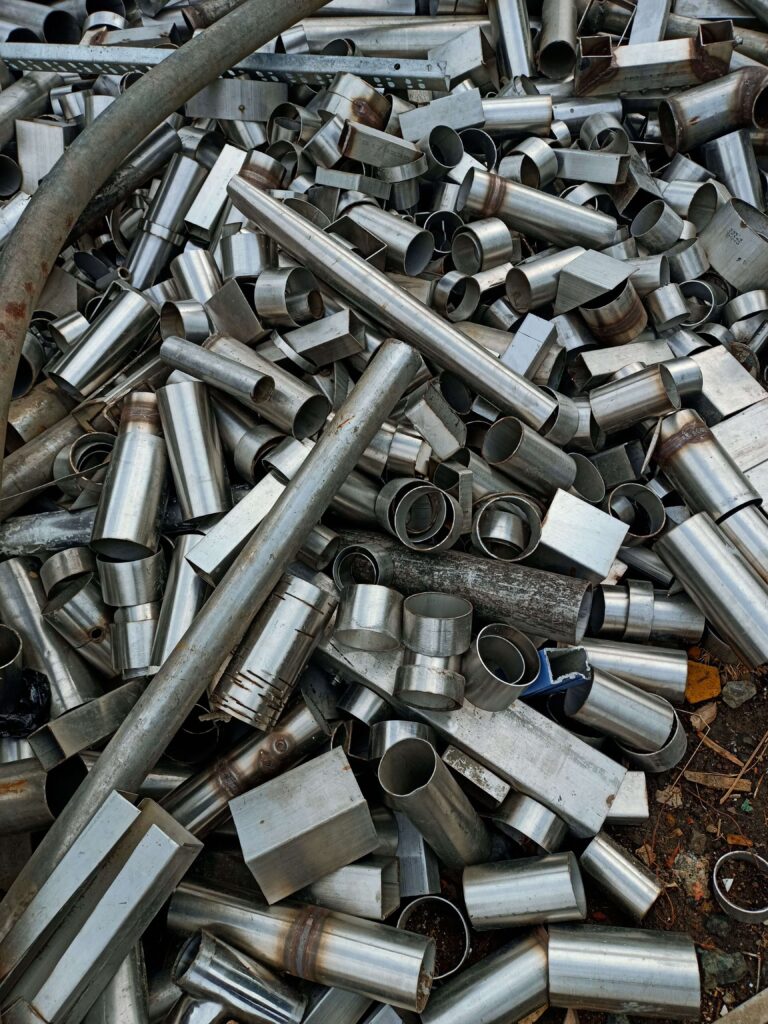
Recycling sites may recover aluminium, steel, and copper from suitable parts. Circuit boards can contain valuable metals, but recovery needs specialist treatment.
The recovered materials can be processed for new products. The amount recovered depends on the inverter design, material mix, and available technology.
Treatment of Remaining Waste
Not every part can be recycled at a profit. Mixed plastics, dirty materials, and other hard-to-process parts may need extra treatment or a different disposal route.
Responsible recycling aims to maximise material recovery while keeping the remaining waste safe.
What Materials Can We Recover from Solar Inverters?
Solar inverters contain several materials that may suit recycling. Manufacturers often use aluminium and steel in metal cases, and copper in wiring and electrical connections.
Circuit boards contain a mix of metals and other materials. Some specialist processes can recover valuable metals from these parts. Plastics may also be found in housings, insulation, and connectors, although recycling success depends on their mix and condition.
Recovering these resources reduces demand for new raw materials and supports a circular economy. However, solar inverters differ from solar panels in how they are built, so each type of equipment needs the right recycling process.
Environmental Benefits of Recycling Solar Inverters
Responsible solar inverter recycling helps prevent useful materials from being wasted. Recovering metals reduces reliance on newly extracted resources and supports more efficient supply chains.
It also helps reduce electronic waste that people might otherwise send to the wrong disposal route. Businesses that run commercial solar panels can improve waste management by planning for equipment replacement and arranging recycling before failures happen.
Solar energy cuts greenhouse gas emissions when it replaces fossil-fuel electricity. Managing old equipment responsibly helps deal with the waste created across the life cycle of a solar system.
UK Regulations for End-of-Life Solar Inverters
In the UK, discarded solar inverters may fall under the waste electrical and electronic equipment rules. The rules depend on the equipment, its status, and the way it becomes waste.
Businesses can use the official GOV.UK guidance on when electrical and electronic equipment becomes waste to understand the difference between true reuse and waste treatment.
The UK WEEE regulations guidance gives more detail on the duties involved. Businesses should check the rules that apply in their part of the UK and use the right waste management route.
Keeping collection and treatment records can help show responsible waste handling and support compliance with the rules.
How Businesses Can Manage Solar Inverters at End of Life
Businesses can manage old equipment better by monitoring inverter performance, arranging regular checks, and planning replacement schedules.
Before replacing an inverter, they should decide whether repair or safe reuse is possible. When equipment becomes waste, a suitable provider should collect it and send it to the right treatment site.
Keeping an inventory of inverter models, quantities, and install dates can help commercial solar operators plan future collections. Working with a specialist recycling provider can also improve tracking and help recover valuable materials.
At the end of their life, people may repair, reuse, or recycle solar inverters, depending on their condition. Responsible management helps recover useful materials, reduce electronic waste, and support sustainable solar energy.
By planning replacements and choosing appropriate recycling routes, businesses can manage old equipment more effectively and support a more circular solar industry.