What Happens to Solar Inverters at End of Life?

What Happens to Solar Inverters at End of Life?

Solar inverters convert electricity from solar panels into usable power. At the end of their working life, they may be repaired, reused, or recycled. This helps recover useful materials and cut electronic waste.

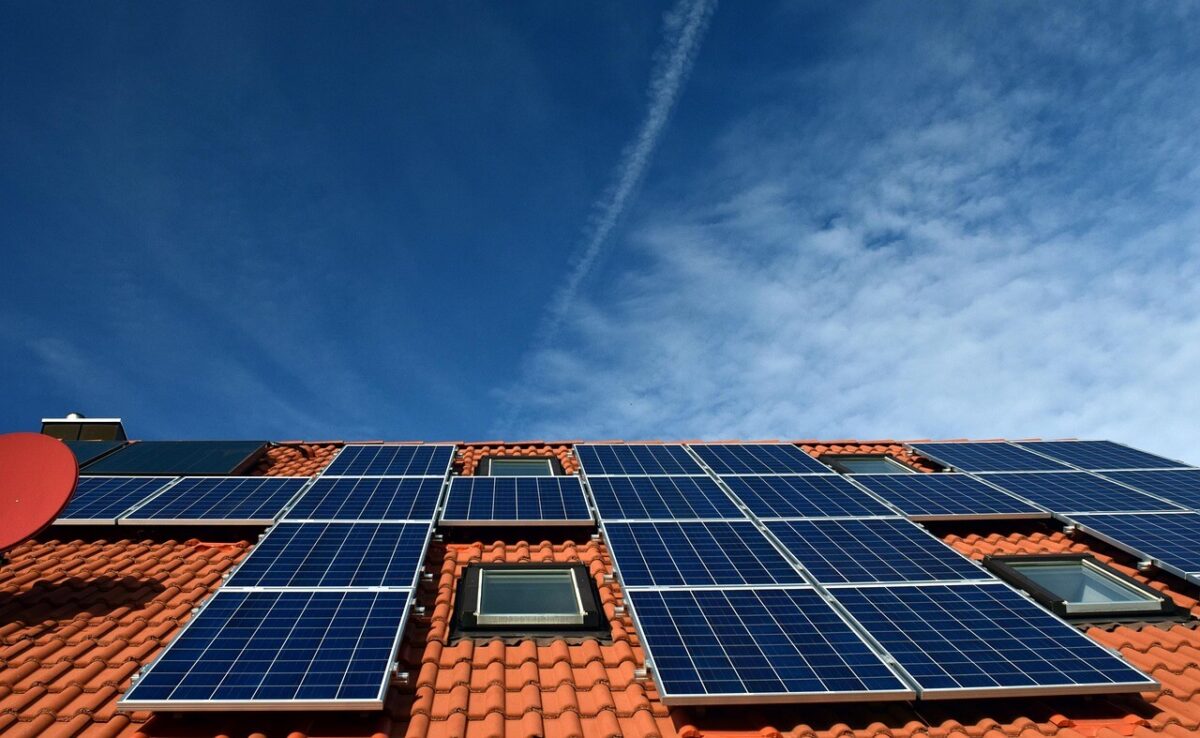
This guide on solar inverters end of life helps businesses handle old equipment in a safe way. Solar inverters are key parts of a solar system. They turn direct current (DC) from solar panels into alternating current (AC) for daily use.

Although solar panels can last for decades, inverters may need replacing sooner. Their lifespan depends on the equipment type, operating conditions, maintenance, and proper installation.

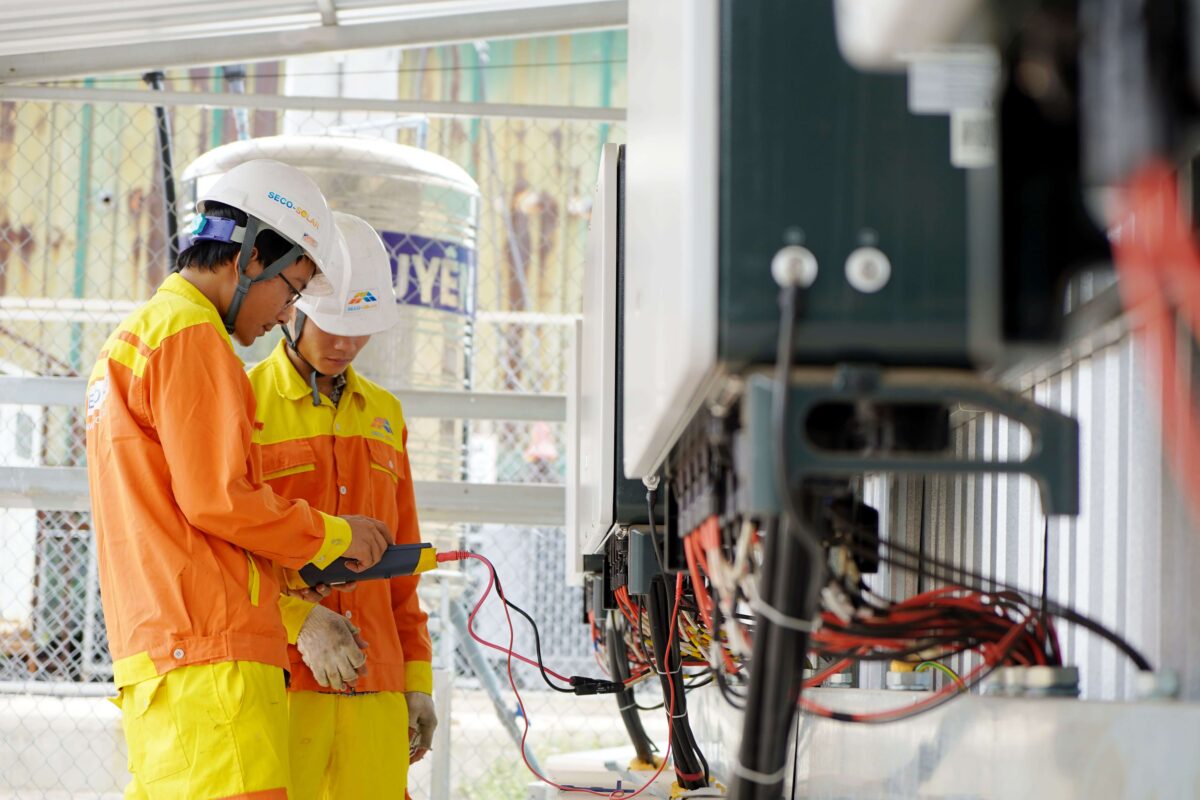
When an inverter stops working, you do not always need to throw it away at once. A trained technician can check whether repair or refurbishment is possible. If the unit cannot be used safely, it should go through the right waste electrical and electronic equipment (WEEE) route.

Why Do Solar Inverters Reach the End of Their Life?

Solar inverters run all the time. They manage electricity conversion and check the performance of a solar energy system. Over time, heat, moisture, power surges, and normal wear can damage internal parts.

Common faults include failed capacitors, damaged circuit boards, cooling problems, and failed electrical connections. Poor airflow or bad installation can also cause early breakdown.

String inverters manage power from several solar panels or connected panel strings. They are common in homes and commercial sites. Their performance can fall as parts age. Microinverters sit at individual panels, so they have different designs and maintenance needs.

Sometimes replacement is needed because newer equipment offers better monitoring, better battery storage support, or other gains. Even then, an inverter should be checked before a final decision.

Can Old Solar Inverters Be Repaired or Reused?

Repair can extend the life of a solar inverter when the fault is small and spare parts are available. A trained technician may replace damaged parts, fix a circuit board, or solve cooling issues.

The decision should weigh repair cost, electrical safety, reliability, and part availability. If repair is too costly or the unit stays faulty, replacement may be the better choice.

Technicians can also refurbish some working inverters for reuse. Before an inverter is sold again or fitted elsewhere, it should pass safety and performance tests. Its electrical specs must match the planned solar system.

Reuse is not right for every unit. Severely damaged or outdated equipment may be better for specialist recycling, where usable materials are separated for later processing.

How Does Solar Inverter Recycling Work?

When solar inverters reach the end of their useful life and cannot be reused, recycling helps recover materials and reduce waste. The process depends on the inverter design and the recycling site’s capability.

Collection and Assessment

First, the equipment is collected and checked. A trained professional should disconnect and remove the inverter safely. Businesses should arrange collection with a reliable waste management provider. They should also confirm that the site can handle the equipment.

Dismantling and Separation

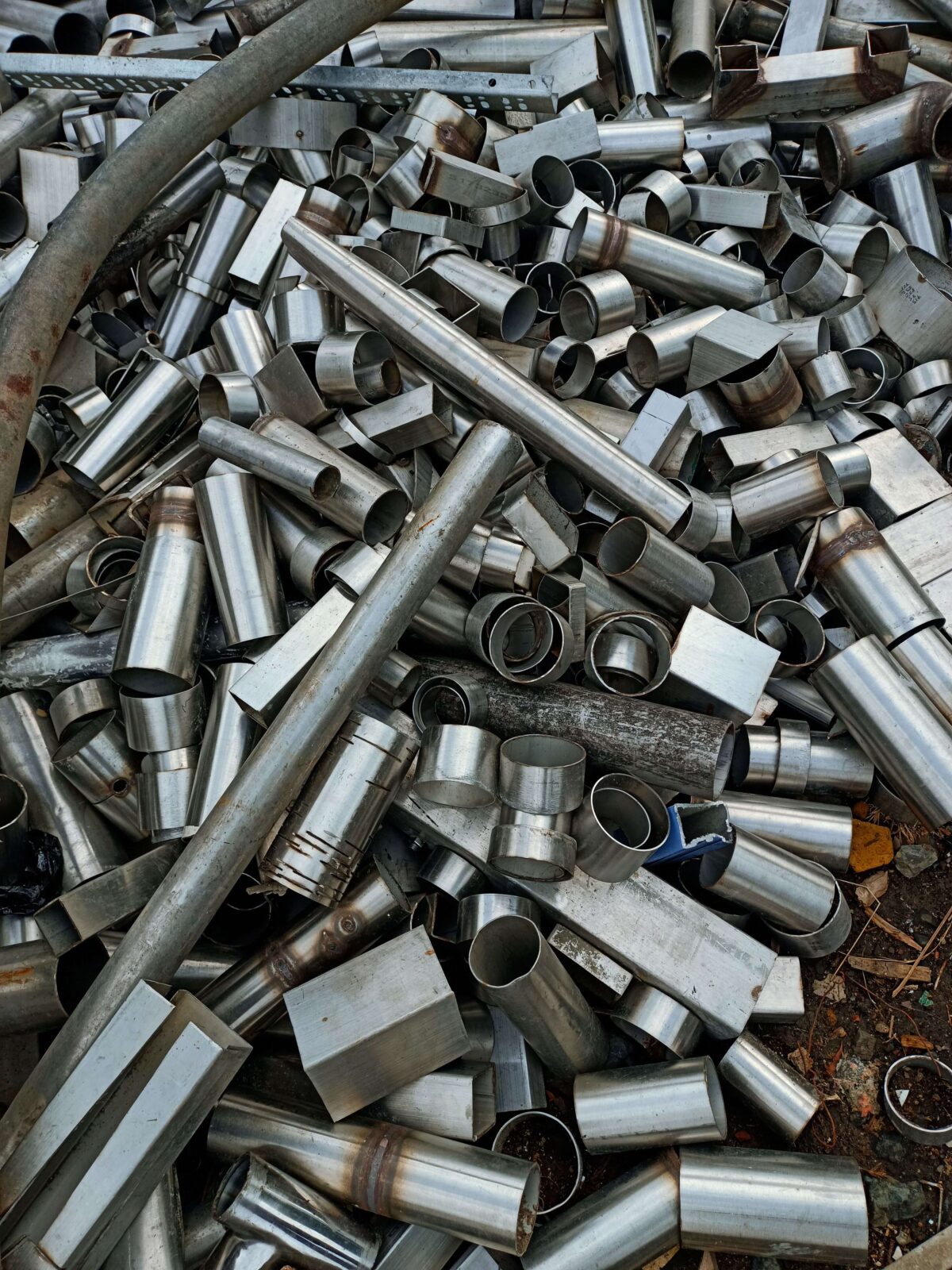
The inverter is taken apart so its main parts can be separated. These may include the outer case, cables, circuit boards, connectors, and cooling parts.

Separating materials helps recyclers send each item to the right recovery process. Specialist handling is important for complex electronic parts that cannot be treated like normal metal waste.

Material Recovery

Recycling sites may recover aluminium, steel, and copper from suitable parts. Circuit boards can contain valuable metals, but recovery needs specialist treatment.

The recovered materials can be processed for new products. The amount recovered depends on the inverter design, material mix, and available technology.

Treatment of Remaining Waste

Not every part can be recycled at a profit. Mixed plastics, dirty materials, and other hard-to-process parts may need extra treatment or a different disposal route.

Responsible recycling aims to maximise material recovery while keeping the remaining waste safe.

What Materials Can We Recover from Solar Inverters?

Solar inverters contain several materials that may suit recycling. Manufacturers often use aluminium and steel in metal cases, and copper in wiring and electrical connections.

Circuit boards contain a mix of metals and other materials. Some specialist processes can recover valuable metals from these parts. Plastics may also be found in housings, insulation, and connectors, although recycling success depends on their mix and condition.

Recovering these resources reduces demand for new raw materials and supports a circular economy. However, solar inverters differ from solar panels in how they are built, so each type of equipment needs the right recycling process.

Environmental Benefits of Recycling Solar Inverters

Responsible solar inverter recycling helps prevent useful materials from being wasted. Recovering metals reduces reliance on newly extracted resources and supports more efficient supply chains.

It also helps reduce electronic waste that people might otherwise send to the wrong disposal route. Businesses that run commercial solar panels can improve waste management by planning for equipment replacement and arranging recycling before failures happen.

Solar energy cuts greenhouse gas emissions when it replaces fossil-fuel electricity. Managing old equipment responsibly helps deal with the waste created across the life cycle of a solar system.

UK Regulations for End-of-Life Solar Inverters

In the UK, discarded solar inverters may fall under the waste electrical and electronic equipment rules. The rules depend on the equipment, its status, and the way it becomes waste.

Businesses can use the official GOV.UK guidance on when electrical and electronic equipment becomes waste to understand the difference between true reuse and waste treatment.

The UK WEEE regulations guidance gives more detail on the duties involved. Businesses should check the rules that apply in their part of the UK and use the right waste management route.

Keeping collection and treatment records can help show responsible waste handling and support compliance with the rules.

How Businesses Can Manage Solar Inverters at End of Life

Businesses can manage old equipment better by monitoring inverter performance, arranging regular checks, and planning replacement schedules.

Before replacing an inverter, they should decide whether repair or safe reuse is possible. When equipment becomes waste, a suitable provider should collect it and send it to the right treatment site.

Keeping an inventory of inverter models, quantities, and install dates can help commercial solar operators plan future collections. Working with a specialist recycling provider can also improve tracking and help recover valuable materials.

At the end of their life, people may repair, reuse, or recycle solar inverters, depending on their condition. Responsible management helps recover useful materials, reduce electronic waste, and support sustainable solar energy.

By planning replacements and choosing appropriate recycling routes, businesses can manage old equipment more effectively and support a more circular solar industry.

What Metals Can Be Recovered From Old Solar Inverters?

Metals Can Be Recovered From Old Solar Inverters

Old solar inverters contain recoverable metals, including copper, aluminium, steel, and small amounts of precious metals. Responsible recycling helps conserve resources and reduce electronic waste.

The metals recovered from old solar inverters can provide valuable resources for manufacturing and reduce the amount of electronic waste sent for disposal. Solar inverters convert electricity generated by solar panels into a form suitable for use in homes and businesses. When an inverter reaches the end of its working life, its internal components may still contain reusable materials.

Rather than treating faulty equipment as worthless, specialist recyclers can separate suitable metals and send them for further processing. The materials recovered depend on the inverter’s design, age and condition.

What Metals Can Be Recovered from Old Solar Inverters?

Solar inverters contain different metals used in electrical connections, protective casings and internal components. The quantities vary between models, so not every inverter contains the same recoverable materials.

Copper

Copper is one of the main metals recovered from old solar inverters. It is widely used in wiring, transformers, coils and electrical connections because it conducts electricity efficiently.

During recycling, copper-bearing components are separated from other materials. The recovered metal can then be processed for use in electrical wiring, motors and industrial equipment.

Copper can be recycled repeatedly without losing its essential properties. Recovering it from discarded inverters helps conserve natural resources and reduces the need for newly mined copper.

Aluminium

Aluminium is commonly used in inverter casings, heat sinks and structural components. Its lightweight properties and ability to transfer heat make it suitable for protecting electrical equipment and managing operating temperatures.

Although an inverter is separate from a solar panel’s aluminium frame, both products can contain recoverable aluminium. The frame supports the panel, while the inverter’s aluminium components help protect and cool its electronics.

Recyclers separate aluminium parts before sending them for reprocessing. Recovered aluminium can be used in new industrial products, equipment housings and other manufactured components.

Steel and Iron

Steel and iron may be present in mounting brackets, fasteners, transformer cores and internal supports. These metals provide strength and help components maintain their structure.

Magnetic separation can help recycling facilities identify and separate many ferrous materials from non-ferrous metals. The recovered steel and iron can then enter established metal recycling processes.

Recycling these materials reduces the need for virgin metal production and keeps useful resources in circulation.

Silver and Gold

Silver and gold may occur in small quantities in printed circuit boards, electrical contacts and selected electronic components. Silver conducts electricity effectively, while gold resists corrosion and is useful in certain connectors.

Recovering these precious metals usually requires specialist electronic waste processing. They cannot normally be collected simply by removing the inverter’s outer casing.

The amount recovered depends on the inverter’s design and component composition. Their presence does not guarantee a high resale value for every discarded unit.

Tin and Nickel

Tin is commonly used in solder that joins electronic components to circuit boards. Nickel may be present in plated connectors and other specialised electrical parts.

These metals can potentially be recovered through suitable electronic waste treatment. However, their recovery depends on the material concentrations, processing methods and economic viability of the recycling operation.

Specialist facilities assess these components to determine the most appropriate recovery route.

How Are Metals Recovered from Old Solar Inverters?

The recycling process begins with an assessment of the inverter. If the equipment can be safely repaired or reused, extending its working life may be preferable to recovering its materials immediately.

Equipment that cannot be reused is made safe before dismantling. This step is essential because capacitors can retain an electrical charge after the inverter has been disconnected.

Trained personnel then separate components such as copper wiring, aluminium casings, steel parts and circuit boards. Materials are sorted according to their composition and suitability for further treatment.

Mechanical separation and specialist refining may be used to recover metals from complex electronic components. Circuit boards often require more advanced processing than larger metal parts.

Other materials, including plastics, are assessed for suitable recycling or treatment routes. The aim is to recover as much usable material as practical while managing the remaining waste responsibly.

How Do Solar Inverters Differ from Solar Panels?

Solar panels and solar inverters work together, but they contain different components and require different recycling methods.

Solar panels may contain glass, silicon, aluminium frames, copper connections and other materials. Their junction box contains electrical connections that link the panel’s internal circuitry to its output cables.

Inverters, by comparison, contain circuit boards, transformers, wiring, cooling components and protective casings. Their metal composition reflects the electrical equipment needed to convert and manage power.

Understanding these differences helps businesses arrange the correct recycling route for each type of solar equipment. Combining all components without suitable sorting may make material recovery more difficult.

Why Is Solar Inverter Recycling Important?

Recycling old solar inverters helps reduce electronic waste and supports more efficient use of natural resources. Recovering copper, aluminium and steel can reduce reliance on newly extracted materials.

It also supports the circular economy by returning useful metals to manufacturing instead of allowing them to become waste. This is particularly important as solar installations age and electrical equipment requires replacement.

For businesses, responsible recycling can improve waste management practices and demonstrate a commitment to resource recovery. However, the environmental benefits depend on appropriate collection, separation and processing.

Managing Old Solar Inverters in the UK

Businesses should arrange suitable collection and treatment when solar inverters become damaged, obsolete or unsuitable for further use. Depending on the circumstances, discarded inverters may fall under UK waste electrical and electronic equipment (WEEE) requirements.

The GOV.UK guidance on WEEE reuse and treatment explains relevant requirements for managing electrical equipment. Businesses can also consult the WEEE waste classification guidance to understand how waste should be classified.

Before arranging collection, identify the equipment type, quantity and condition. Use a suitable recycling provider and avoid dismantling electrical components without the necessary training and safety procedures.

For businesses managing wider solar equipment waste, solar panel recycling technologies provide further information about recovering materials from end-of-life solar products.

The metals recovered from old solar inverters can include copper, aluminium, steel, iron, silver, gold, tin and nickel. The quantities depend on the inverter’s construction and internal components.

Responsible recycling helps recover valuable materials, reduce electronic waste, and conserve natural resources. Choosing appropriate treatment routes allows businesses to manage obsolete inverters safely while supporting the reuse of metals in new products.

Common Sources of Tungsten Waste in Industry

Tungsten waste comes from machining, tool making, mining gear, and factory work. Sorting tungsten scrap and other scrap materials helps businesses improve waste management and recover useful material.

Common sources of tungsten waste in industry include worn cutting tools, making scrap, grinding residue, mining gear, and rejected parts. Tungsten is strong and hard, but industrial work still creates waste that contains this metal.

Tungsten is used in hard jobs because it can handle high heat and resist wear. Tungsten carbide is key in engineering, where cutting tools and wear-resistant parts must work under load. Other uses include special alloys, electrical contacts, and high-heat equipment.

When these products are damaged or reach the end of use, they may still contain material that can be recovered. Making processes also create scrap when parts fail checks or when extra material is removed during machining.

Knowing where tungsten waste starts helps businesses find usable material, improve waste management, and cut losses. Good sorting also helps recycling facilities assess the material and choose the right recovery method.

Metal Cutting and Machining Operations

Metal cutting and machining are major sources of tungsten-bearing waste. Engineering shops use tungsten carbide tools to cut, drill, mill, and shape metals such as steel, stainless steel, and cast iron.

These tools wear down from friction, heat, and repeated use. When they lose accuracy or break, businesses remove them and replace them.

Common examples include carbide inserts, milling cutters, drill bits, turning tools, reamers, and solid carbide end mills. Some tools are thrown away because their cutting edges wear out. Others break during hard jobs.

Many carbide tools contain tungsten carbide and a cobalt binder. The remaining material may still be useful for recovery, even if the tool can no longer do its original job.

Businesses should keep worn carbide tools separate from normal steel scrap. This makes identification easier and keeps valuable material from mixing with other metals.

A separate collection system also helps workshops track how much tungsten scrap they make over time. These records can show ways to cut tool damage, improve maintenance, and recover more material.

Tungsten Carbide Manufacturing Scrap

Making tungsten carbide products creates waste at several steps. Makers use tungsten-bearing raw materials and powders to produce parts for engineering, mining, construction, and other industrial uses.

During production, some parts fail inspection because of size errors, cracks, or uneven material. Others are damaged during handling or rejected before the finished stage.

This waste may include unfinished carbide inserts, faulty parts, unused blanks, and production offcuts. Depending on the process, it can also include tungsten powders and other residues.

Manufacturing scrap is often easier to identify than mixed waste from different sources. However, its fit for recycling depends on its make-up, dirt, and physical form.

Keeping rejected products and clean offcuts separate can improve recovery. Makers should avoid mixing carbide scrap with plastics, general rubbish, oily residues, or unrelated metal waste.

Production teams can also cut waste by improving quality checks, handling methods, and machining accuracy. These steps help prevent avoidable losses and make the remaining scrap easier to manage.

Grinding, Honing and Polishing Residues

Grinding and finishing work can create tungsten waste that is not visible as solid scrap. When workers sharpen cutting tools or finish carbide parts, small particles are removed from the surface.

These jobs can create grinding sludge, fine particles, dust, and residues collected by filter systems. Depending on the process, the material may contain tungsten carbide, cobalt, abrasive particles, machining oils, and cooling fluids.

Having tungsten in the material does not mean every residue can go through a standard metal collection service. Dirt and uneven material can affect the recovery options.

For example, clean carbide particles may need different treatment from sludge that contains oil, water, and abrasive compounds. Recycling facilities may need details about the process or a sample to assess the material.

Businesses should store grinding residues apart from clean carbide tools and other scrap materials. Suitable containers, clear labels, and controlled handling can reduce dirt and improve tracking.

Fine dust also needs proper workplace controls. Businesses should use suitable extraction, cleaning methods, and protective equipment based on the risks tied to the material.

Mining and Quarrying Equipment

Mining and quarrying work relies on strong tools to break, drill, and cut hard rock. Tungsten carbide is used in selected drilling parts, cutting picks, and wear-resistant pieces because it can handle hard conditions.

Over time, contact with abrasive material causes cutting edges and working surfaces to wear. Equipment may also suffer impact damage or mechanical failure, so operators replace worn parts.

Discarded drill bits, carbide tips, and other clear parts can become sources of tungsten-bearing scrap. Similar waste may arise during tunnelling, road building, and special excavation work.

The amount of usable tungsten depends on the design of each part. Some tools have carbide sections fixed to steel bodies, while others use several materials that need to be separated.

Businesses should identify tungsten-bearing parts before mixing them with general equipment waste. Where practical, removable carbide sections can be collected apart and checked for recovery.

Clear identification helps recycling providers determine the material make-up and recommend the right processing route. It can also help businesses see how equipment replacement affects their wider industrial waste stream.

Tool Manufacturing and Refurbishment

Tool makers generate tungsten waste while making, finishing, and testing precise parts. Refurbishment firms can create similar waste when worn carbide sections are taken out of tools and replaced.

Common materials include rejected tool blanks, damaged inserts, machining offcuts, and parts that fail quality checks. Product development and testing can also create scrap when prototypes no longer meet technical needs.

The amount of waste depends on product design, the making process, and quality standards. Firms making complex tools may create different scrap types from those making simple carbide inserts.

Separating these materials helps prevent dirt and makes it easier to judge their recycling potential. Solid carbide parts should not automatically be mixed with carbide-tipped tools, powders, or residues because their make-up and processing needs may differ.

Businesses can improve material recovery by placing labelled containers near production areas and recording the types of scrap collected. Staff should know which materials belong in each container and how to report unfamiliar items.

Regular reviews can also show repeated making defects, extra offcuts, and other avoidable waste sources.

Automotive and Aerospace Manufacturing

Automotive and aerospace makers use special cutting tools to produce precise parts. These tools may contain tungsten carbide because it offers the hardness and wear resistance needed for hard machining work.

Manufacturing work can create worn inserts, damaged drills, rejected tools, and carbide offcuts. Tool refurbishment and replacement programs create more chances to collect tungsten-bearing materials.

Aerospace machining often involves complex parts and strong alloys, so suitable cutting tools matter for keeping accuracy. Automotive production also relies on tooling for engine parts, transmission parts, and other engineered products.

However, it is important to tell apart tungsten used in making equipment and tungsten found in finished products. A factory may create a large amount of carbide tooling scrap without making the same amount of tungsten-bearing waste from completed parts.

Some discarded items contain several metals or other materials that make recovery harder. Businesses should use technical specs and supplier information to find the make-up wherever possible.

Separating clear carbide tools from mixed workshop waste helps keep their value and supports better recycling.

Oil, Gas and Energy Industries

The oil, gas, and energy sectors use special equipment made to handle pressure, friction, heat, and wear. Tungsten carbide may be used in selected drilling tools, wear-resistant parts, and other equipment in hard settings.

These parts can become worn or damaged during use. Maintenance teams may then replace them, creating scrap that could contain usable tungsten.

Other energy uses place tungsten in selected electrical and high-heat parts. Waste can arise when these parts are replaced, removed from machines, or rejected during making.

Not every discarded part from an energy site contains tungsten. Businesses should check equipment specs and material records rather than assume that all special parts contain recoverable metal.

Used equipment may also carry oils, lubricants, or process residues. These substances can affect storage, handling, and recycling options, so dirty parts should be checked before collection.

Separating clear tungsten-bearing parts from general maintenance waste makes it easier to choose the right recovery route.

Tungsten Alloys and Specialist Metal Products

Tungsten waste also comes from making and maintaining special metal products. Pure tungsten and tungsten-containing alloys are used where high density, heat resistance, or other specific material traits are needed.

Possible waste sources include metal offcuts, rejected parts, machining residues, and unused production material. Tungsten heavy alloys may be used in selected counterweights, radiation shielding, and special engineering uses.

Other uses include electrical contacts, heating elements, and parts made for high-heat settings. Making, repair, and replacement work can all create scrap from these products.

The material’s make-up matters when choosing a recycling method. Pure tungsten, tungsten heavy alloys, and tungsten carbide have different properties and should not automatically be treated as the same.

Businesses should keep known material types separate and use technical documents to support identification. This information helps recycling providers assess the scrap and decide whether direct recovery or another process is best.

Chemical Processing and Industrial Residues

Some industrial processes produce tungsten-bearing waste as chemical compounds, powders, or residues rather than solid metal parts.

Tungsten-containing materials are used in selected chemical products, catalysts, and special manufacturing uses. Production may create rejected batches, spent materials, and residues that contain tungsten along with other substances.

These waste streams can be harder to assess than clean carbide tools. Their make-up, dirt, and physical properties affect how the tungsten can be recovered.

Some residues may need sampling, lab analysis, or special treatment before a suitable recycling route can be chosen. Businesses should not assume that powders and chemical residues can be accepted through normal scrap collection.

Keeping clear records of the process that made the material helps show its likely make-up. Proper sorting and handling are also vital when the waste contains substances that need extra controls.

Electrical Equipment and End-of-Life Components

Some electrical and electronic products contain tungsten in special contacts and other parts. Industrial equipment may therefore create tungsten-bearing waste when parts are replaced or machines reach the end of service.

The amount of tungsten varies by product and design. Some parts may contain clear material that can be separated, while others contain small amounts in complex assemblies.

Dismantling and sorting may be needed before the scrap can be checked. Businesses should review equipment documents and supplier specs when identifying possible usable material.

Electrical waste should not automatically be mixed with clean tungsten scrap. Different materials may need different collection, treatment, and recycling steps.

A specialist check can help show whether recovering the tungsten is practical and a good fit for the amount available.

Why Tungsten Waste Identification Matters

Recognising common sources of tungsten waste in industry helps businesses make better choices about collection and recovery. Tungsten is an important industrial raw material, and suitable scrap can help supply makers with material for more processing.

The demand for tungsten is shaped by industrial production, special engineering uses, and the need for materials that perform in hard conditions. Recovering usable tungsten can help widen supply and reduce the need to rely only on newly mined resources.

The recycling industry uses different methods based on the material. Some clean carbide scrap may be a good fit for direct recycling, while other waste needs chemical or metal treatment.

Correct sorting improves material identification and helps reduce dirt. It also allows businesses to record the types and amounts of scrap made by different activities.

Not every tungsten-bearing waste stream has the same recovery potential. Make-up, dirt, amount, and processing cost all affect the options. Assessment is therefore important before businesses decide how to handle a particular material.

Improving Tungsten Waste Management

Good waste management starts with knowing where tungsten-bearing materials arise. Production managers and maintenance teams can review machining, grinding, tool replacement, and refurbishment work to find repeat waste streams.

Separate, clearly labelled containers should be provided for clear carbide tools, solid tungsten scrap, and other known material types. Powders, sludge, and dirty residues should be stored apart from clean solid scrap.

Staff should get clear instructions on identifying materials, preventing dirt, and reporting unfamiliar items. Where make-up is uncertain, businesses should ask for advice rather than mixing the material with a known scrap grade.

Storage should prevent unnecessary dirt and keep dust or residues under control. Records of material descriptions, amounts, and sources can also help with collection planning.

In the UK, waste producers must sort waste according to its properties and make-up. The Environment Agency and Department for Environment, Food and Rural Affairs provide guidance on classifying different types of waste.

Once the material has been identified and properly sorted, businesses can discuss collection and processing options with a suitable recycling provider.

How Recycling Recovers Tungsten Scrap

The recycling of tungsten can recover valuable material from suitable industrial scrap and return it to manufacturing supply chains. The right method depends on the material’s make-up, condition, and end use.

Some clean tungsten carbide scrap can go through direct recycling methods. Other materials may need chemical treatment or other metal methods to recover tungsten and, where fitting, other valuable parts.

Tungsten powders, solid carbide tools, and dirty grinding residues may need different routes. Clear identification helps show which process is right and whether extra treatment is needed.

Businesses that often create tungsten scrap can review their waste streams and separate materials with recovery value. Providing clear descriptions and any make-up information helps recycling providers assess the material more quickly.

For businesses handling suitable tungsten-bearing materials, a dedicated tungsten recycling service can help set up the right collection and recovery route. Confirm accepted material types, collection needs, and minimum amounts before arranging a collection.

Common sources of tungsten waste in industry include worn cutting tools, carbide making scrap, carbide-makinggrinding residues, mining gear, special alloys, and end-of-life parts. These materials arise across engineering, manufacturing, energy, and other industrial sectors.

Identifying and separating suitable scrap helps businesses improve waste management, reduce dirt, and assess recovery chances. With proper handling and specialist processing, tungsten-bearing waste can become a useful secondary raw material rather than being lost in mixed waste.

Why Businesses Should Recover Tungsten Scrap

Tungsten is a valuable metal used in cutting tools, machinery and specialist alloys. When these products reach the end of their useful life, their material may still have considerable value.

Recovering tungsten scrap allows businesses to reclaim useful resources, reduce waste and support a more efficient industrial supply chain. Instead of disposing of worn tools and production offcuts, companies can explore recycling options that return valuable materials to industrial applications.

Recovering tungsten scrap helps businesses reclaim material value, reduce waste, and conserve resources. Proper sorting and specialist recycling can return tungsten to the supply chain.

What Is Tungsten Scrap?

Tungsten scrap includes unwanted materials containing tungsten or tungsten carbide. Common examples include used cutting inserts, carbide drill bits, milling tools, machining offcuts and worn industrial components.

Manufacturing and engineering businesses often generate this material during routine production, maintenance and tool replacement. Some operations also produce tungsten-bearing powders and grinding residues.

The material’s composition, condition and contamination level affect its recovery options. Separating tungsten-bearing scrap from general waste makes identification easier and helps specialist recyclers assess its suitability.

Why Businesses Should Recover Tungsten Scrap

Recover Value From Tungsten Carbide Scrap

One important reason to recover tungsten scrap is its potential financial value. Tungsten carbide scrap can contain valuable materials that specialist recyclers process for reuse in manufacturing.

The value depends on factors such as tungsten content, material grade, quantity, contamination and market conditions. Clean, correctly identified scrap may be easier to assess than mixed or contaminated materials.

Businesses can improve their recovery opportunities by collecting suitable scrap separately and keeping basic records of its type and source. A specialist recycler can then explain its acceptance criteria and any applicable commercial terms.

Reduce Industrial Waste

Used tools and machining offcuts can accumulate quickly in busy workshops. When businesses mix these materials with general waste, they may lose opportunities to recover valuable resources.

A dedicated collection system helps prevent this problem. Staff can place used carbide drill bits, cutting inserts and suitable metal offcuts in clearly labelled containers.

Good segregation makes waste handling more organised and helps businesses direct recyclable materials towards appropriate recovery routes. It also supports better control over the waste generated during production.

Conserve Valuable Resources

Tungsten is used in demanding industrial applications because of its hardness, durability and high melting point. Recovering existing tungsten can provide a secondary source of material for manufacturing.

Recycling tungsten does not eliminate the need for mining. However, it helps keep useful resources in circulation and reduces the amount of recoverable material lost through disposal.

Businesses that separate tungsten-bearing scrap can contribute to more efficient resource use. This is particularly relevant to manufacturers that regularly replace tooling or generate metal waste.

Support More Sustainable Manufacturing

Recovering tungsten scrap can form part of a wider sustainability strategy. It encourages businesses to consider what happens to materials after their original purpose has ended.

The environmental benefits depend on the material, transport requirements and recycling process used. Businesses should therefore assess recovery options rather than assume every route delivers identical savings.

Combining recycling with waste prevention, careful purchasing and efficient production can help organisations make better use of materials and reduce avoidable losses.

Improve Waste Management

A structured tungsten collection system gives businesses greater control over their waste streams. Staff can identify scrap sources, monitor quantities and arrange collections according to operational needs.

These records can help managers identify material losses and review production efficiency. Businesses should also check the waste management requirements that apply to their location and activities.

In England, the waste hierarchy prioritises prevention, preparation for reuse and recycling ahead of disposal. Suitable tungsten scrap should be assessed within this wider approach to responsible waste management.

How Does the Tungsten Recycling Process Work?

The recycling process begins with identifying materials that contain tungsten or tungsten carbide. Businesses should review their used tools, offcuts and manufacturing residues to determine which items may be suitable for recovery.

The next step is segregation. Keeping different materials separate can help recyclers identify their composition and assess the most appropriate treatment route. Businesses should also avoid mixing clean scrap with unrelated metals, oils or other contaminants.

Once collected, the scrap is assessed by a specialist recycler. Depending on its composition and condition, the material may undergo mechanical processing or chemical treatment to recover tungsten-bearing products.

Carbide recycling can involve different methods, including processes that recover tungsten carbide powder or produce intermediate materials for further refining. The appropriate method depends on the scrap grade and the intended recovered product.

Safe storage is also important. Sharp cutting tools require careful handling, while fine powders and grinding residues may need additional controls. Businesses should follow suitable handling procedures and confirm acceptance requirements before arranging collection.

Which Businesses Can Benefit From Carbide Recycling?

Engineering workshops, precision manufacturers, toolmakers and machining companies may generate tungsten-bearing scrap during daily operations. Aerospace and automotive suppliers may also produce suitable materials through component manufacturing and tooling activities.

Businesses that regularly replace carbide cutting tools can collect worn inserts, end mills and carbide drill bits for assessment. Manufacturing facilities may also recover suitable offcuts and other tungsten-bearing production waste.

The most practical approach depends on the quantity, grade and condition of the material. A specialist assessment can help businesses determine whether separate storage and collection arrangements are worthwhile.

Choose the Right Tungsten Recycling Partner

Choosing a suitable recycling partner helps businesses manage scrap more effectively. Companies should confirm which materials the recycler accepts, how the scrap is assessed and what collection arrangements are available.

It is also useful to ask how material grades and contamination affect acceptance. Clear communication can prevent unsuitable waste from entering the wrong stream and help businesses understand the recovery options available.

Businesses can explore tungsten recycling services to understand suitable recovery options for tungsten-bearing industrial materials.

Make Better Use of Tungsten Scrap

Recovering tungsten scrap helps businesses reclaim valuable materials, reduce avoidable waste and support a more efficient supply chain. Effective segregation, safe storage and accurate material identification make recovery easier to manage.

By working with a suitable recycling partner, businesses can direct eligible scrap towards appropriate recovery processes instead of automatically sending it for disposal. This helps keep valuable resources in circulation and supports more responsible industrial waste management.

Tungsten Waste From Engineering: What Can Be Recovered?

Tungsten waste from engineering can contain recoverable tungsten, tungsten carbide and other valuable metals. Proper sorting helps businesses prepare scrap for specialist recycling.

Tungsten waste from engineering can be a valuable resource for manufacturers, machining companies and precision engineering businesses. Worn cutting tools, rejected components and production residues may still contain materials suitable for recovery.

Tungsten is widely used in engineering because of its hardness, density and resistance to wear and high temperatures. Tungsten carbide is particularly important in cutting tools, drilling equipment and industrial components.

However, manufacturing and machining processes generate scrap that may lose its original purpose without losing its material value. Separating this waste from general metal scrap can help businesses identify suitable recycling opportunities.

Understanding what can be recovered makes it easier to manage engineering waste, conserve resources and improve material efficiency.

Where Does Tungsten Waste from Engineering Come From?

Engineering businesses generate tungsten-bearing waste at different stages of production. The material type, composition, and condition determine which recycling methods may be suitable.

Worn Tungsten Carbide Cutting Tools

Cutting tools are a common source of tungsten carbide scrap. They machine metals and other hard materials, but repeated use eventually causes wear, chipping, or damage.

Examples include carbide inserts, milling cutters, drill bits and end mills. Although these tools may no longer perform effectively, they can still contain recoverable tungsten carbide.

Keeping worn tools separate from ordinary steel scrap makes identification and recycling easier. Specialist recyclers can assess their composition and determine the most suitable recovery route.

Carbide Inserts and Industrial Components

Carbide inserts are widely used in precision engineering because they offer hardness and wear resistance. Businesses generate scrap inserts during tool changes, maintenance and quality checks.

Other potential sources include industrial dies, wear plates, nozzles and specialised machine components.

The recovery potential depends on the tungsten content, binder metals, coatings and attached materials. Clean, identifiable components are generally easier to assess than mixed or contaminated scrap.

Machining Residues and Grinding Sludge

Machining and grinding operations can produce fine particles, metal turnings, powders and sludge containing tungsten-bearing material.

These residues may contain recoverable tungsten carbide or tungsten metal. However, they can also contain oils, coolants, moisture and particles from other materials.

Their composition should be assessed before selecting a recycling method. Fine residues also require suitable containment and handling to prevent dust exposure and environmental contamination.

Manufacturing Offcuts and Rejected Parts

Engineering manufacturers may generate tungsten-bearing offcuts, rejected components and unused production materials. These arise when parts fail quality checks, production specifications change or excess material remains after manufacturing.

Where the composition is known and contamination is limited, these materials may offer useful recycling opportunities.

Separating production scrap where it is generated helps preserve its identity and reduces the risk of valuable material being mixed with unsuitable waste.

What Can Be Recovered From Tungsten Engineering Waste?

The main recovery opportunities depend on whether the scrap contains tungsten metal, tungsten carbide or a mixture of materials.

Recovered Tungsten

Tungsten is often the principal material of interest in engineering scrap. Suitable waste can be processed to recover tungsten for further industrial use.

Depending on the recycling method, recovered tungsten may be converted into intermediate products or tungsten metal powder. These materials can then enter manufacturing processes for new tungsten-based products.

The final outcome depends on the composition of the incoming scrap, the treatment method and the quality requirements of the intended application.

Recycling tungsten helps retain a valuable industrial resource within the supply chain and reduces reliance on newly mined raw materials.

Tungsten Carbide Powder

Tungsten carbide is essential in engineering applications that require hardness and wear resistance. It is used in cutting tools, drilling equipment and industrial components.

Some suitable carbide scrap can be processed into powder for manufacturing new cemented carbide products. This can allow recovered material to return to similar applications.

Direct recycling may be appropriate when the scrap is clean, identifiable and compatible with the required product specifications.

Mixed or contaminated materials may need a different treatment route. The recycler must assess the material before deciding whether direct reuse or further processing is practical.

Cobalt and Other Metals

Many tungsten carbide tools contain cobalt as a binder. Cobalt holds the carbide particles together and contributes to the finished tool’s properties.

Suitable recycling processes may recover cobalt alongside tungsten-bearing materials. Some specialised scrap may also contain nickel, tantalum or niobium.

Not every component contains these metals. Their presence depends on the original composition, so material identification is important before estimating recovery value.

Recovering additional metals can improve resource efficiency, although the financial benefit depends on the material content, processing costs and market conditions.

Tungsten-Bearing Alloys

Some engineering applications use tungsten in heavy alloys and specialised metal components. These materials may be designed for high density, strength or particular operating conditions.

Suitable alloy scrap may be recycled through an appropriate metal recovery route. However, its composition must be controlled to prevent incompatible grades from being mixed.

Businesses should keep identifiable tungsten-bearing alloys separate from ordinary steel, aluminium and unrelated metal waste wherever practical.

How Does Recycling Tungsten Waste Work?

The most suitable recycling method depends on the scrap type, purity and intended recovery product. Direct recycling and chemical processing are two important approaches.

Direct Recycling

Direct recycling aims to preserve the useful composition of suitable tungsten carbide scrap. Rather than breaking the material down completely into its chemical constituents, the process prepares it for reuse in an appropriate form.

This method may suit clean carbide scrap with a known composition. It can reduce the need for extensive chemical treatment, although the environmental and energy benefits depend on the process used.

Not all materials are suitable. Contamination, mixed grades and differences in composition can limit direct recycling options.

Chemical Recycling

Chemical recycling breaks down tungsten-bearing scrap and recovers tungsten through chemical treatment and purification.

The recovered material may be converted into high-purity intermediates and processed into tungsten metal or tungsten carbide products. Other metals may also be recovered, depending on the process and the composition of the scrap.

This approach can accommodate certain materials that are unsuitable for direct recycling. However, it requires appropriate facilities, process controls and the responsible management of chemicals and by-products.

Research into tungsten recycling technologies examines the recovery methods available and the economic factors affecting their suitability.

Sorting, Testing and Preparation

Before processing begins, scrap may require visual inspection, separation and composition testing.

Tools may need to be separated from steel holders. Grinding residues may require assessment for oils, coolants and other contaminants.

Good preparation helps the recycler choose an appropriate treatment method and reduces the risk of valuable material being lost through unsuitable processing.

Why Is Tungsten Scrap Segregation Important?

Separating tungsten waste at the source helps preserve its recovery value.

When carbide tools, metal alloys and machining residues are mixed with general workshop waste, identifying their composition becomes more difficult. Contamination can also increase sorting requirements and restrict recycling options.

Engineering businesses can introduce clearly labelled containers for clean carbide tools, alloy scrap and machining residues. The categories should be agreed with the chosen recycling provider because acceptance requirements vary.

Staff should avoid mixing tungsten-bearing scrap with ordinary steel unless the receiving facility confirms that the material can be managed appropriately.

Effective segregation supports material identification, improves waste records and helps businesses understand which resources leave their sites.

Environmental and Business Benefits of Recycling Tungsten

Better Resource Recovery

Recovering tungsten from suitable scrap reduces the amount of useful material lost through disposal. Recycled material can replace some virgin raw materials used in manufacturing.

This is particularly relevant to tungsten carbide tools, which may retain considerable material value after they reach the end of their working life.

Reduced Waste Disposal

Separating recyclable tungsten scrap from general waste can direct suitable materials towards recovery.

The environmental benefits depend on transport, energy consumption, processing methods, and the amount of material successfully recovered. Even so, identifying recyclable waste is an important step towards better resource management.

Improved Waste Management

A clear recycling system helps businesses monitor the types and quantities of waste generated by their operations. These records can support waste audits, purchasing decisions and sustainability reporting.

They can also help identify recurring sources of scrap and opportunities to reduce material losses during production.

Potential Financial Returns

Tungsten-bearing scrap may have commercial value because it contains materials that can be recovered for industrial use.

Its value depends on tungsten content, grade, purity, quantity, contamination and market conditions. Clean, separated scrap is generally easier to assess than unidentified mixed waste.

Businesses should request a specialist assessment rather than assume every tungsten-bearing item will achieve the same price.

Managing Tungsten Waste in the UK

UK engineering businesses should ensure that tungsten waste is correctly described, stored and transferred to an appropriate waste management provider.

In England, businesses must follow applicable waste classification and duty of care requirements. Whether a waste stream is hazardous depends on its composition and relevant hazardous properties, not simply on the presence of tungsten.

Requirements may differ across England, Scotland, Wales and Northern Ireland, so businesses should check the rules that apply to their location.

The GOV.UK hazardous waste guidance explains responsibilities for businesses handling hazardous waste. The waste duty of care code of practice provides guidance on waste handling, transfer and record keeping.

Businesses should confirm that their chosen waste carrier and receiving facility are appropriately authorised to handle the relevant waste stream.

How Can Engineering Businesses Improve Tungsten Recovery?

Start by identifying which operations generate tungsten scrap. Review tool changes, machining activities, grinding processes, and rejected components to understand where recoverable materials arise.

Next, separate different scrap types at the source. Keep clean carbide tools apart from mixed metals, and store fine residues in suitable containers to limit contamination.

Maintain records of waste quantities and material types. These records can help identify recurring waste streams and support discussions with recycling providers.

Finally, choose a specialist recycler that can explain its acceptance criteria, collection arrangements and recovery options. Confirm which materials it accepts, how they should be prepared and what happens after collection.

For businesses seeking a dedicated service, tungsten recycling provides further information about collecting and recovering tungsten-bearing scrap from UK businesses.

How Tungsten Carbide Tools Can Be Recycled

Collected tungsten scrap is sorted, tested, and processed so useful material can be recovered for new parts. The route depends on its mix, condition, and grade.

It is checked and prepared before expert recycling. Used cutting tools, worn parts, and factory waste can still hold useful tungsten after first use.

People value tungsten for its hardness, weight, and wear resistance. These traits make it useful in engineering, mining, and industry. Instead of sending good scrap to disposal, firms can recover it as a secondary raw material.

The exact route depends on the scrap type, its mix, and the quality needed for the next use.

Collecting Tungsten Scrap from Businesses

The recycling process starts when companies collect tungsten-bearing scrap from plants, workshops, tool makers, and other firms.

Common material includes worn tungsten carbide tools, drill bits, cutting inserts, machining residue, and parts made from tungsten alloys. Some firms also make scrap tungsten carbide during machining, grinding, and tool work.

These loads can have different mix and dirt levels. Clean, solid tools may be easier to process than fine waste with oil or other dirt.

Keeping tungsten scrap apart from general waste helps protect its value and makes later recycling steps more efficient. Firms should label the material clearly and store it in the right way before pickup.

Sorting and Testing the Material

After collection, recyclers check and sort the scrap by type, mix, and state. This step helps them choose the best recovery route.

For example, tungsten carbide tools often contain tungsten carbide and cobalt as a binder. Other products may contain other metals or more complex composite materials.

Recyclers may use product data, ID marks, and lab tests to see what the material contains. They also check for dirt that could hurt processing or the quality of the recovered product.

Tungsten purity matters, although the level needed depends on the end use. Good ID prevents mixed loads from blending and supports better material recovery.

Preparing Scrap Tungsten Carbide for Processing

Once checked, the scrap may need cleaning, separation, or size cuts before recycling. The prep needed depends on its shape and the plant’s method.

You may need to cut large parts into smaller pieces, while you may only need to wash clean solid scrap to remove oil, grease, or other dirt. Fine powders and grinding waste need safe bins to control dust and stop loss.

Keeping like grades together helps make even batches. That can improve process control and make the final material fit for future making.

Not every load needs the same work. Clean, well-sorted scrap may need little prep. Mixed or dirty loads may need more work.

How Recycling Tungsten Recovers Valuable Materials

The main recovery stage uses a method that fits the scrap mix and the planned reuse. Two main routes are direct recycling and chemical processing.

  • Direct recycling can work for clean tungsten carbide scrap. It turns the material into a reusable form while keeping much of its current mix. This can cut the need to turn the scrap into separate chemical compounds.

  • Chemical recycling is another choice, especially for mixed or dirty material. It transforms tungsten into compounds that manufacturers can purify and use to create new tungsten-based products.

Depending on the scrap input and process, we can also recover other useful metals, including cobalt. These metals can be key parts of tungsten carbide and other industrial materials.

Expert recyclers choose the best route based on grade, process needs, and the specs of the final output. The aim is to recover useful resources while using energy, chemicals, and process waste in a safe way.

Turning Recovered Tungsten into Raw Material

After processing, recovered tungsten may become powders, chemical compounds, or other forms for industry. The final product depends on the route and the customer’s needs.

Makers can use recycled tungsten to make new cutting tools, wear-resistant parts, drilling gear, and other specialist products. Where suitable, recovered cobalt and other metals can also return to supply chains.

Recyclers must ensure that recycled material meets the needed specs before they can use it in a new product. Makers need the right mix, steady quality, and performance to do the job.

Quality checks show if recovered tungsten is fit for its planned use. The aim is not just to take out metal. To make a usable raw material that can replace some mined feed.

Quality Control and Reuse in Manufacturing

Before makers check the traits of the recovered material against the right specs, they may evaluate it. Tests can cover chemical mix, purity, particle size, and other traits, based on the material and use.

Once accepted, the material can go to makers or other processors. Some recycling routes need more refining before recovered tungsten is ready to use.

This step closes the loop by moving material from used products back into industry. Scrap that once formed part of worn tungsten carbide tools can become a resource for new parts.

Why Tungsten Scrap Recycling Matters

Recycling tungsten saves useful resources and cuts the need for newly mined feed. Recovering used tungsten also helps use metals better in supply chains.

The process creates value from worn tools and industrial waste that people might otherwise throw away. Keeping useful scrap out of general waste lets firms hold material that may still have market value.

Recycling can also cut waste and support careful use of resources. But the green benefit depends on the method, energy use, transport, and handling of process waste.

Some industrial products contain composite materials that join tungsten carbide with binders or other parts. Experts review the materials to decide how to process them and which parts to recover.

How Businesses Can Prepare Tungsten Scrap for Collection

Firms can help by keeping tungsten-bearing scrap apart from mixed metal waste. Naming the material from product labels or supplier specs can help recyclers pick the right route.

Keep scrap in good bins and protect it from extra dirt. Fine powders and machining waste may need different handling than solid cutting tools. Firms should talk to their recycler before pickup.

Clear details on the amount, state, and type of scrap also help the recycling company judge the load. Firms should check that their waste contractor has the right registrations, permits, or exemptions for the work it does.

See specialist tungsten recycling services for support. What happens to tungsten scrap after collection depends on its mix, state, and grade. After sorting and checking, we prepare suitable material for recycling. It goes through direct or chemical recycling to recover useful tungsten and other metals when possible.

The recovered material can become raw material for new cutting tools and industrial parts. By sorting scrap properly and organizing expert collection, companies can save resources, reduce waste, and support better production.