Titanium scrap is sorted, prepared, and processed for material recovery. Suitable metal returns to manufacturing, reducing waste and supporting resource efficiency.
What happens to titanium scrap after collection?
The recycling process involves inspection, sorting, preparation, and material recovery. These stages help turn unwanted metal into a valuable resource for manufacturing.
Titanium is widely used in aerospace, engineering, medical devices, and industrial equipment. Its strength, low weight, and corrosion resistance make it useful in demanding applications. However, manufacturing titanium components also creates waste, including machining swarf, metal turnings and titanium offcuts.
Through professional titanium recycling, businesses can recover suitable materials instead of sending valuable scrap for disposal. Understanding the process helps manufacturers manage waste streams more effectively and support a circular economy.
1. Scrap Collection and Transportation
Scrap collection is the first stage of the recycling process. Businesses may generate titanium waste during machining, cutting, fabrication, maintenance, and component replacement.
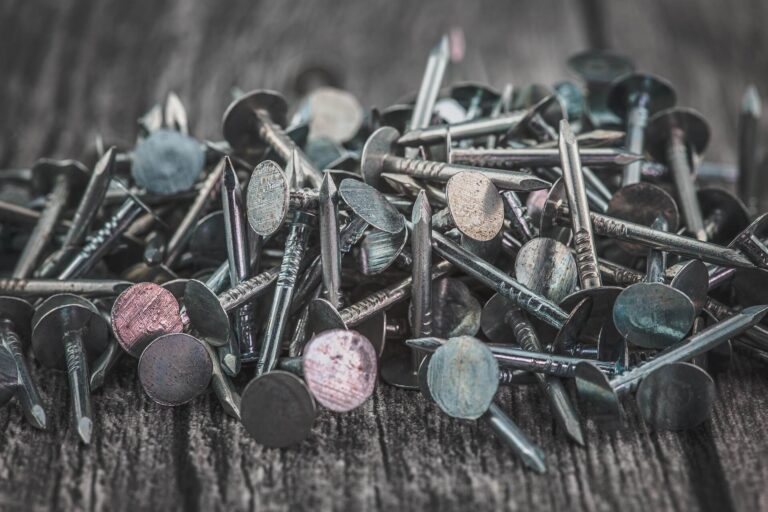
Common materials include titanium offcuts, sheet remnants, rejected components, metal turnings and machining swarf. The quantity, grade and condition of the scrap determine how it should be stored and transported.
Before collection, businesses should separate titanium from other metals and general waste wherever possible. Keeping materials identifiable helps prevent contamination and makes sorting easier at the recycling facility.
Suitable containers should be used to store the scrap safely. Fine swarf and turnings require particular attention because their physical form and possible contamination can affect handling requirements.
A specialist recycling service can help businesses arrange collection based on the type, quantity and condition of their titanium scrap.
2. Inspection and Sorting by Grade
After collection, the titanium scrap is inspected and sorted according to its composition, condition, and potential for reuse.
Different titanium materials have different chemical compositions. Commercially pure titanium, for example, differs from titanium alloys designed for demanding industrial applications.
Grade 5 titanium, also known as Ti-6Al-4V, contains aluminium and vanadium. Mixing this grade with other titanium materials can affect the composition and quality of the recovered metal.
Recyclers may use material markings, supplier records, and specialist testing equipment to identify the grade. Where the composition is uncertain, further checks may be necessary before processing.
Once identified, the scrap is separated into suitable categories. Clean titanium offcuts may be handled differently from mixed components or contaminated swarf.
Accurate sorting helps maintain material quality and improves the chances of recovering titanium for suitable manufacturing applications.
3. Removing Contamination
The next stage involves checking whether the scrap contains substances that could affect material recovery.
Machining swarf and metal turnings may contain oils, lubricants, cutting fluids or residues from manufacturing. Some titanium components may also have coatings, attached fasteners or parts made from other metals.
Depending on the material, recyclers may need to separate unwanted components or arrange appropriate cleaning and treatment before further processing.
Contamination matters because unwanted substances can affect the recovered metal’s quality. Certain residues may also introduce additional handling and safety requirements.
Businesses can help by keeping clean titanium scrap separate from mixed waste at the point of production. Clear labels and suitable storage arrangements also make it easier to identify the material.
Fine titanium waste requires particular care. Businesses should follow relevant safety procedures and their recycling provider’s instructions rather than attempting unsuitable cleaning methods.
4. Preparing Titanium Scrap for Recycling
Once the scrap has been inspected and sorted, it is prepared for the next stage of the recycling process.
Preparation may include cutting larger pieces into manageable sizes, removing unsuitable attachments and separating material according to its condition. These steps help make handling and processing more efficient.
The method depends on the type of scrap. Large titanium components may need size reduction, while clean offcuts may require relatively little preparation.
Swarf and turnings often need different handling from solid metal pieces because they have a greater surface area and may retain machining fluids.
The recycling facility also checks whether the material meets the requirements of its intended recovery route. Scrap that contains excessive contamination or has an uncertain composition may need further treatment.
Effective preparation helps protect material quality and supports efficient titanium recycling.
5. Melting and Material Recovery
At a specialist recovery facility, suitable titanium scrap may be melted and processed into reusable metal. Not every collection or sorting facility performs this stage itself; some send prepared material to specialist processors.
Titanium requires controlled processing because it reacts readily with oxygen and certain other elements at high temperatures. Depending on the grade and intended application, recovery may involve vacuum melting or processing under a controlled inert atmosphere.
The selected method depends on the scrap’s composition, condition, and required quality. Operators must manage the metal’s chemistry to help ensure that the recovered material meets the appropriate specification.
Some scrap may require additional refining or alloy adjustments. Mixed or contaminated material can need more extensive preparation before it becomes suitable for recovery.
Clean, correctly identified titanium scrap can simplify processing because its composition is easier to establish. This makes effective sorting and contamination control important throughout the recycling process.
Material recovery allows suitable titanium to re-enter the supply chain rather than being lost through disposal.
6. Quality Testing and Inspection
Recovered titanium must be checked before it can be used in manufacturing. Quality testing helps establish whether the material meets the requirements of its intended application.
Depending on the specification, testing may examine chemical composition, mechanical properties and traceability. Manufacturers may also require documentation confirming the material’s grade and compliance with relevant standards.
Applications such as aerospace equipment and medical devices can have strict material requirements. Recycled titanium is not automatically suitable for every application; its use depends on the recovery process, test results, and the manufacturer’s approval requirements.
Once the recovered metal meets the necessary specification, it can be prepared for further processing. This may involve producing ingots, billets or other forms used to manufacture new products.
Reliable quality control helps ensure that recycled titanium materials are suitable for their intended purpose.
7. Returning Recycled Titanium to Manufacturing
After passing the necessary checks, recovered titanium can return to the manufacturing supply chain.
Depending on its grade and quality, recycled metal may be used to produce industrial equipment, engineering products and selected titanium components. Potential applications include aerospace parts, automotive components and specialist machinery.
The final use depends on the material’s composition and the requirements of the end user. High-performance applications may require strict testing, traceability and approval before recycled material can be accepted.
Recycling helps retain valuable titanium within the supply chain. Instead of treating manufacturing leftovers as waste, businesses can recover material that may support future production.
This approach improves resource efficiency and supports a circular economy. It can also reduce dependence on virgin titanium, although the overall environmental benefits depend on the recovery method and processing requirements.
Why Is Titanium Recycling Important?
Titanium recycling helps businesses recover valuable metal from manufacturing waste streams. When suitable scrap is collected and processed correctly, it can offer several benefits.
Resource conservation is one important advantage. Recovering titanium reduces the amount of usable metal lost through disposal and can lower demand for newly produced material.
Recycling can also reduce energy requirements compared with some primary production routes. The actual savings depend on the material’s condition, the technology used and the specification of the recovered product.
There may also be commercial benefits. Clean, separated titanium scrap can have a market value based on its grade, quantity, condition and prevailing demand. Keeping different grades separate can help preserve this value.
For manufacturers, an organised recycling arrangement provides a practical way to manage titanium offcuts, machining waste and unwanted components. It supports more efficient resource use while helping businesses meet their waste management responsibilities.
How Businesses Can Prepare Titanium Scrap for Collection
Businesses can improve recycling outcomes by separating titanium scrap from other materials as soon as it is generated. Where the grade is known, different titanium materials should be stored separately to reduce the risk of mixing.
Scrap should be kept in suitable containers and protected from avoidable contamination. Fine turnings and swarf must be managed according to appropriate safety controls.
Providing accurate information about the material also helps. Businesses should tell their recycling provider about the known grade, quantity, physical form and any oils, coatings or attached components.
It is equally important to use an appropriately authorised waste contractor and confirm the destination of the material. Businesses in England and Wales should follow applicable waste duty of care requirements and maintain the necessary transfer documentation.
Businesses can improve resource efficiency by arranging suitable recycling services for titanium scrap, including offcuts, swarf and other industrial metal waste.
What happens to titanium scrap after collection depends on its grade, condition, and intended use. Through inspection, sorting, preparation, material recovery, and quality testing, suitable scrap can return to manufacturing.
By separating titanium waste and arranging professional collection, businesses can recover valuable materials, reduce avoidable disposal, and support more efficient resource management.