Businesses can recycle suitable tungsten carbide tools, cutting tools, machining swarf, tungsten powders, metal offcuts and industrial components. Sorting scrap by material type helps improve recovery, cut waste and support a circular economy.
Knowing what types of tungsten waste businesses can recycle helps manufacturers recover valuable materials, cut disposal costs and improve resource efficiency. Engineers and metalworkers widely use tungsten in various industrial applications because of its strength, durability, and high density.
Although tungsten products are designed to last, manufacturing work still creates offcuts, worn tools and process residues. Specialist recycling processes can recover tungsten from suitable waste and return it to manufacturing supply chains instead of landfill.
What Types of Tungsten Waste Can Businesses Recycle?
Businesses produce different types of tungsten waste depending on their equipment, production methods, and industrial needs. The best recycling route depends on the material’s composition, condition, and impurities.
Tungsten Carbide Tools
Tungsten carbide tools are common in precision engineering and metalworking. Cutting tools, drill bits, milling cutters, turning inserts and wear-resistant parts can contain valuable tungsten carbide.
Over time, these carbide tools can become blunt, damaged, or no longer fit for accurate production. Rather than throwing them away, businesses can separate worn tools for specialist assessment.
Recycling tungsten carbide helps recover material for new tools and components. Keeping carbide scrap separate from ordinary steel also makes identification and processing easier.
Tungsten Carbide Offcuts and Scrap
Manufacturers often create tungsten carbide scrap when making precision parts, tooling and engineering components. This waste can include unused blanks, rejected products, broken parts, and clean manufacturing offcuts.
Clean, easy-to-identify scrap may suit direct recycling or other recovery methods. However, mixed grades and dirty materials may need more sorting before processing.
Businesses should keep different carbide grades separate where possible. Sharing details about the original material helps recyclers choose the best recycling processes.
Tungsten Machining Swarf and Turnings
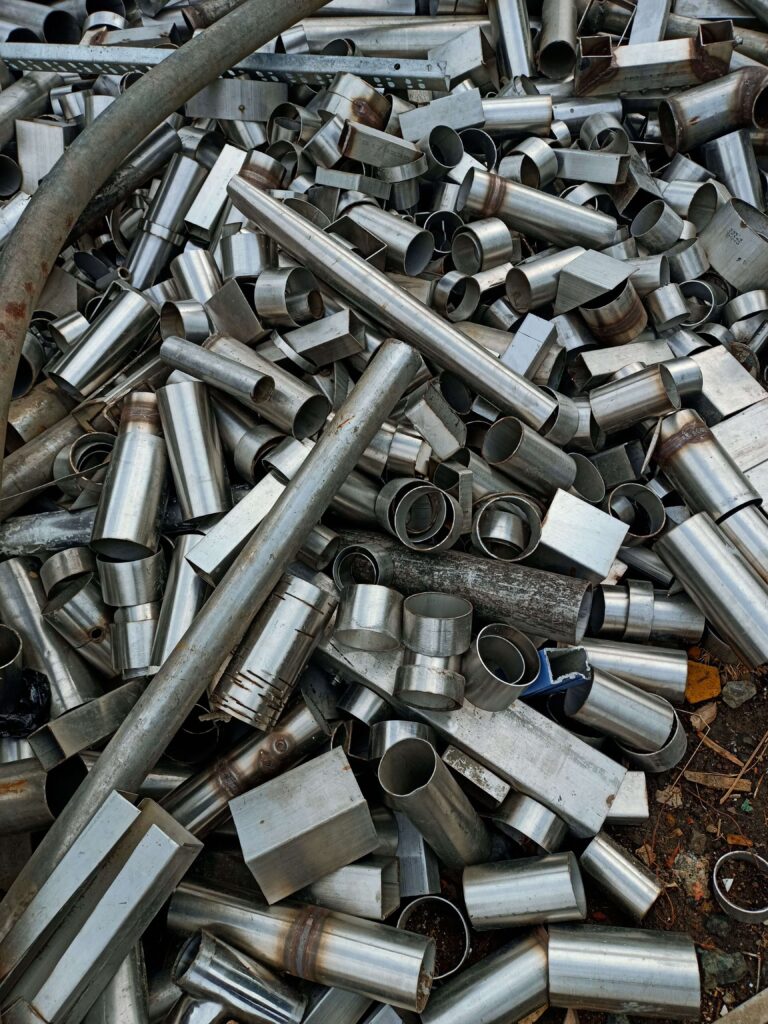
Machining work can produce tungsten-bearing swarf, turnings and metal residues. These materials arise during cutting, drilling, grinding and shaping.
Swarf can contain usable tungsten, but its condition affects recycling suitability. Cutting fluids, oils and mixed metals may make processing harder and may need extra treatment.
Businesses should collect machining residues in suitable containers and avoid mixing them with general waste. Fine particles should be handled carefully to reduce dust exposure and material loss.
Tungsten Powders and Grinding Residues
Some manufacturing processes create tungsten powders, grinding dust and sludge that contain tungsten or tungsten carbide. These residues may arise during tool production, component finishing and precision grinding.
Tungsten powders can be valuable, but their composition and physical state must be checked before recovery. Grinding residues may also contain other metals, abrasives or process chemicals.
Businesses should not assume that every powder or sludge suits standard scrap recycling. A specialist recycler can assess the material and advise on safe handling and suitable recovery options.
Tungsten Metal Offcuts
Businesses that work with tungsten metal may produce surplus rods, sheets, bars and fabrication offcuts. These materials can arise when components are cut, machined, or made to specific sizes.
Clean tungsten offcuts may suit reuse or metal recovery. Keeping them separate from mixed-metal waste helps protect material quality and supports more efficient recycling.
Manufacturers should also separate pure tungsten from tungsten alloys because each one may need a different process.
Tungsten Alloys and Industrial Components
Tungsten alloys are used in industrial applications that need strength, durability or high density. Certain electrical contacts, specialist electrodes, heating parts and wear-resistant components may contain tungsten or tungsten alloys.
When these products become damaged or obsolete, they may offer material recovery options. However, tungsten content varies, and some products contain nickel, iron, copper or other metals.
Some components also combine tungsten with ceramics, plastics or other materials. This composite material design can make separation more complex, so recyclers may need more information before they accept the waste.
How Does Recycling Tungsten Waste Work?
The recycling process begins with checking the material and its composition, condition, and impurities. The recycler then decides whether direct recycling, chemical recovery, or another suitable method is best.
You can process clean tungsten carbide scrap for reuse in new carbide products. Other tungsten-bearing materials may need treatment to recover tungsten in a form that suits further manufacturing.
The right method depends on the waste stream and the quality of recovered material needed. Sorting materials before collection can make assessment easier and improve recovery results.
Why Should Businesses Recycle Tungsten?
Recycling tungsten can help businesses recover valuable resources, cut avoidable waste, and improve material efficiency. Because tungsten is used in specialist manufacturing, recovering suitable scrap can support supply chains that rely on this important industrial metal.
Recycling also supports a circular economy by keeping materials in use for longer. Instead of treating worn tools and manufacturing residues as unwanted waste, businesses can check whether these materials have a practical recovery route.
Reducing unnecessary disposal can help limit the environmental impact linked to waste management and the demand for newly mined raw materials. However, the overall benefit depends on the material, transport needs, and recycling method used.
The financial return varies by tungsten content, scrap quality, quantity, and market conditions. Businesses should ask for an assessment rather than assume every tungsten-bearing material has the same value.
Preparing Tungsten Waste for Recycling
Good preparation starts with sorting tungsten waste at the point where it is made. Keep carbide tools, metal offcuts, machining residues, powders and alloy scrap in suitable, clearly labelled containers.
Record the material’s source and keep any available specs or safety information. Tell the recycler about oils, chemicals, mixed metals or other dirt before collection.
Regulatory compliance is also important. UK businesses must sort their waste correctly and follow the rules for storage, transfer and recovery. Waste sorting depends on the material’s composition and properties.
Consult the official GOV.UK waste classification guidance to understand your duties and decide whether specialist advice is needed.
Choosing Tungsten Recycling Services
A suitable recycling provider can assess the types of tungsten waste your business produces and explain the recovery options available. Ask about material acceptance criteria, collection arrangements and any prep needed.
Businesses can review specialist tungsten recycling services to explore suitable options for eligible scrap. Where the waste is mainly carbide tooling or production residues, tungsten carbide recycling may be relevant.
Giving accurate details about material type, quantity, and impurities helps the recycler assess the waste before collection. This supports safe handling and more efficient resource recovery.
Businesses can recycle suitable tungsten carbide tools, machining swarf, tungsten powders, metal offcuts, alloys and industrial components. Sorting these materials and using the right recycling services can help recover valuable tungsten, cut waste, and support a more environmentally friendly approach to manufacturing.