What Percentage of Metal Waste Can Be Recovered?

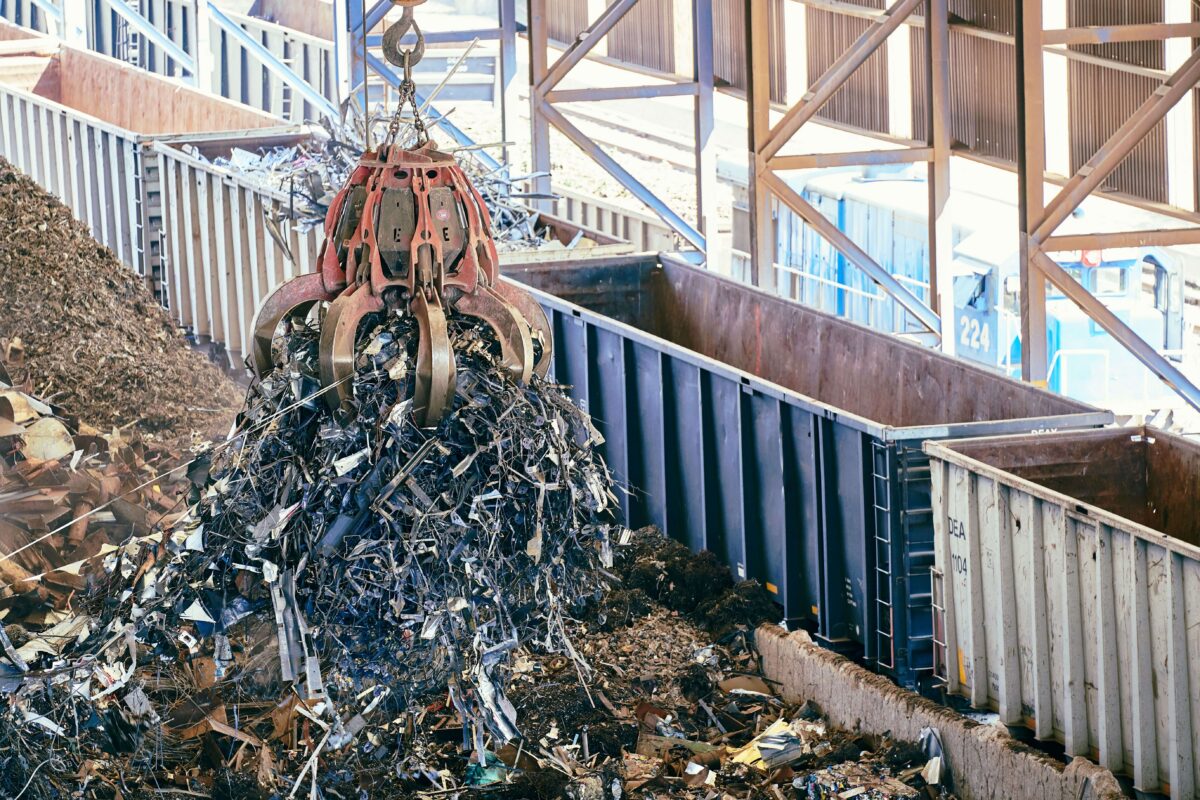
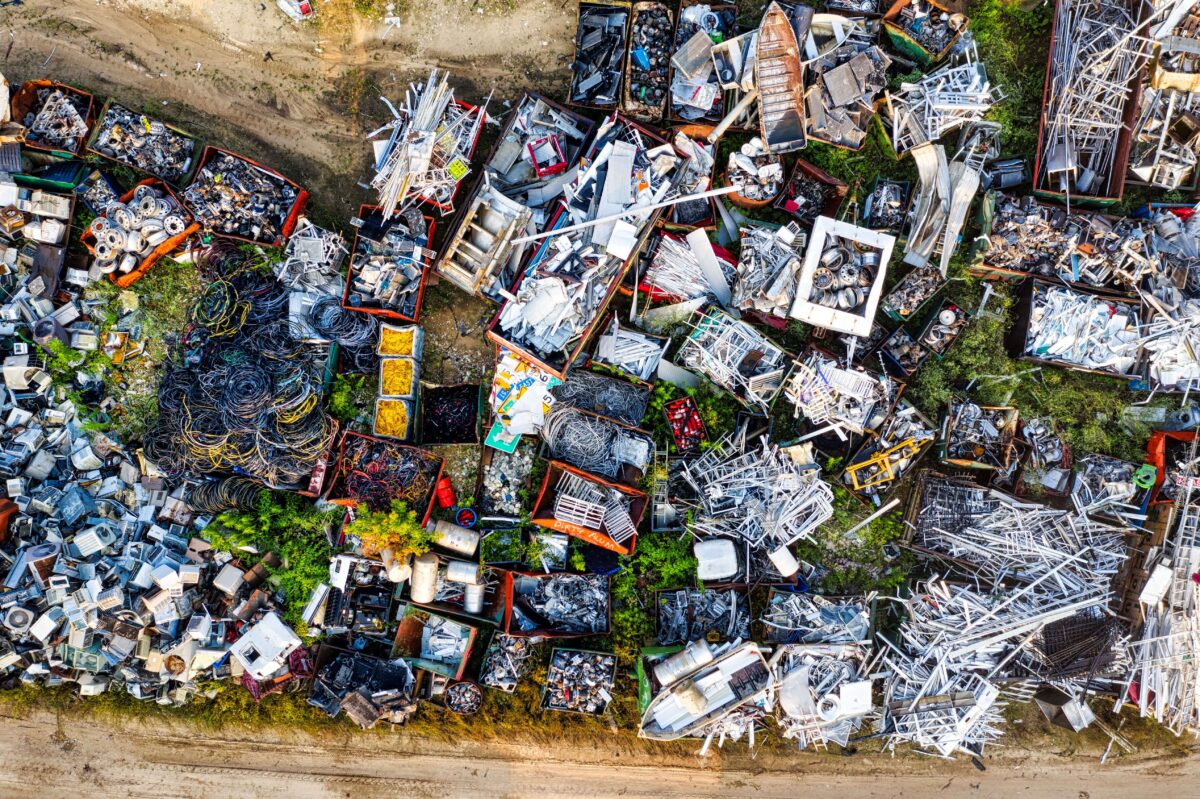
Steel, aluminium, copper, and other valuable materials can be recovered from industrial scrap, construction waste, electrical equipment, and discarded products.

Many metals can be recycled again and again without losing their key properties. Recovering metal waste cuts the need for mined raw materials, reduces energy use, and lowers landfill waste. Still, some material is lost during collection, sorting, and processing, so recovery rates vary by site.

What Percentage of Metal Waste Can Be Recovered?

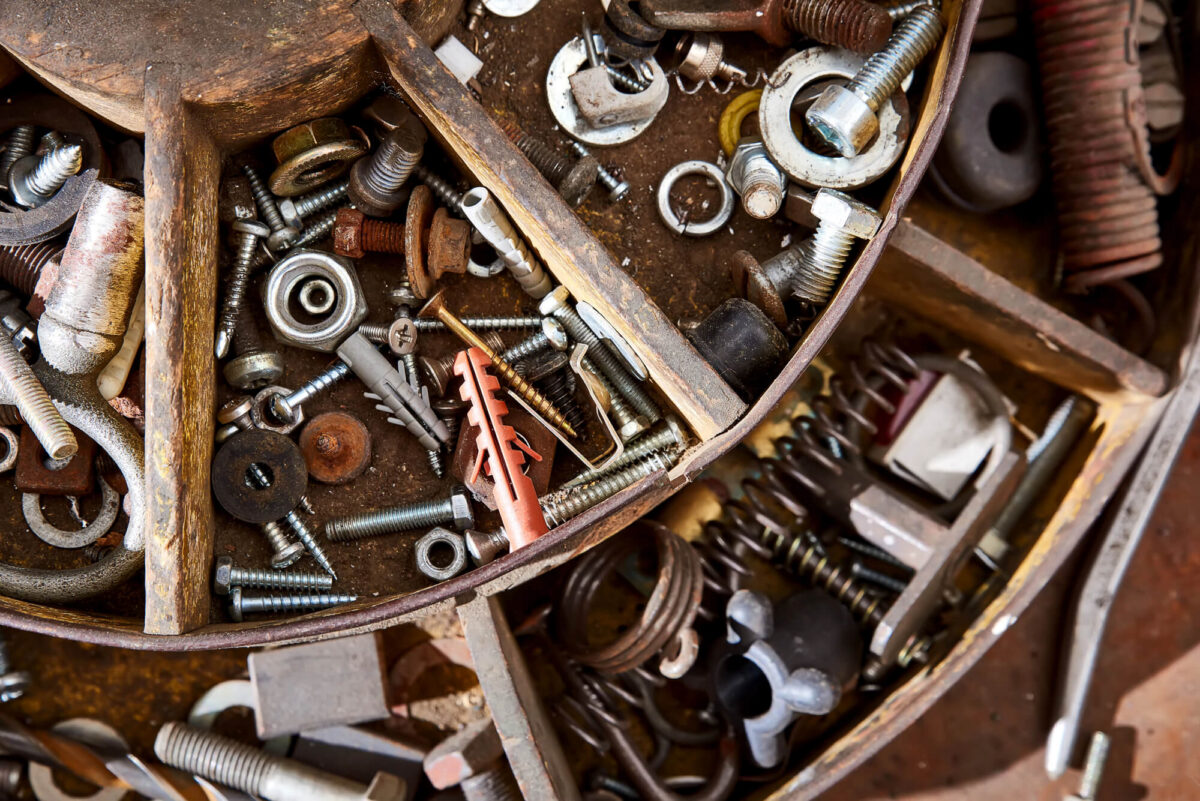
There is no single recovery rate for all metals. Steel and aluminium have strong recycling systems. Copper, brass, lead, and other non ferrous metals can also be recovered with the right processing methods.

The list below shows the general recovery potential of common recycled metals.

Metal Types and Their Recovery Potential

Steel: High recovery potential through recycling processes that are already in place.

Aluminium: High recovery potential through fast sorting and remelting.

Copper: High recovery potential, especially when the scrap is clean.

Brass: High recovery potential, depending on the alloy mix.

Lead: High recovery potential through controlled specialist recycling.

Zinc: Can be recovered with suitable processing methods.

These notes show general recovery potential, not fixed recovery rates. The actual amount recovered depends on scrap quality. It also depends on impurities, processing losses, and available recycling facilities.

Metal Waste Recovery Statistics in the UK

UK recycling data shows the recovery potential of different metal materials. According to Defra, the UK recycled 536,000 tonnes of metal packaging in 2024, out of 682,000 tonnes generated. That gave a recycling rate of 78.7%.

Metal Packaging Recycling Statistics

The figures for each material were:

Steel Packaging

Waste generated: 444,000 tonnes

Amount recycled: 379,000 tonnes

Recycling rate: 85.5%

Aluminium Packaging

Waste generated: 238,000 tonnes

Amount recycled: 157,000 tonnes

Recycling rate: 65.9%

Total Metal Packaging

Waste generated: 682,000 tonnes

Amount recycled: 536,000 tonnes

Recycling rate: 78.7%

These figures show that steel packaging had a higher recycling rate than aluminium packaging. However, they cover packaging waste, not all industrial and commercial metal waste.

According to the International Aluminium Institute, recycling saves about 95% of the energy used to make primary aluminium. This shows the benefit of recycled aluminium instead of relying only on newly mined resources.

Which Metals Can Be Recovered Through Recycling?

Different types of metal offer strong recovery options.

Steel and iron: Steel is widely recovered from vehicles, machinery, construction materials, and industrial equipment. Recycled steel can be melted and made into new products without losing its key properties.

Aluminium: Aluminium is collected from packaging, vehicle parts, window frames, and factory offcuts. Recycling aluminium cuts energy use and supports the production of new recycled material.

Copper: Copper wire, electrical cables, plumbing systems, and motors are important sources of recycled copper. Its electrical conductance makes it useful for new electrical parts.

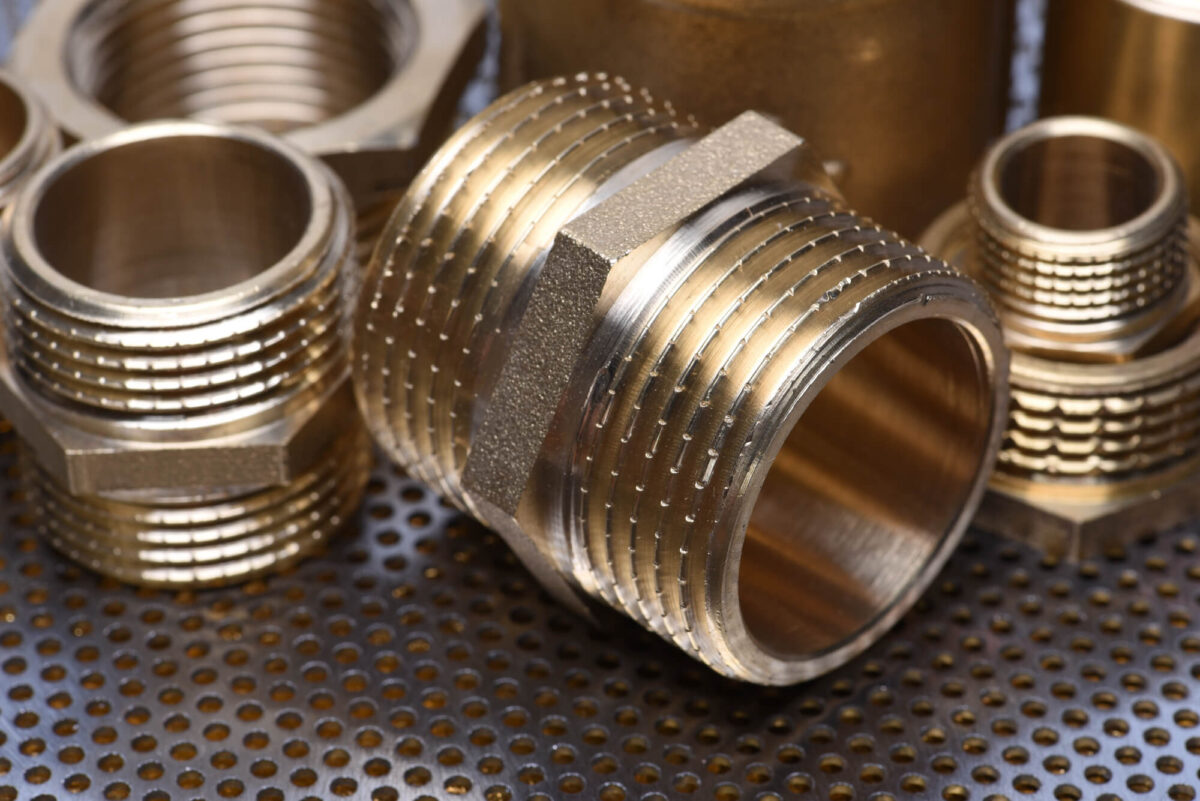
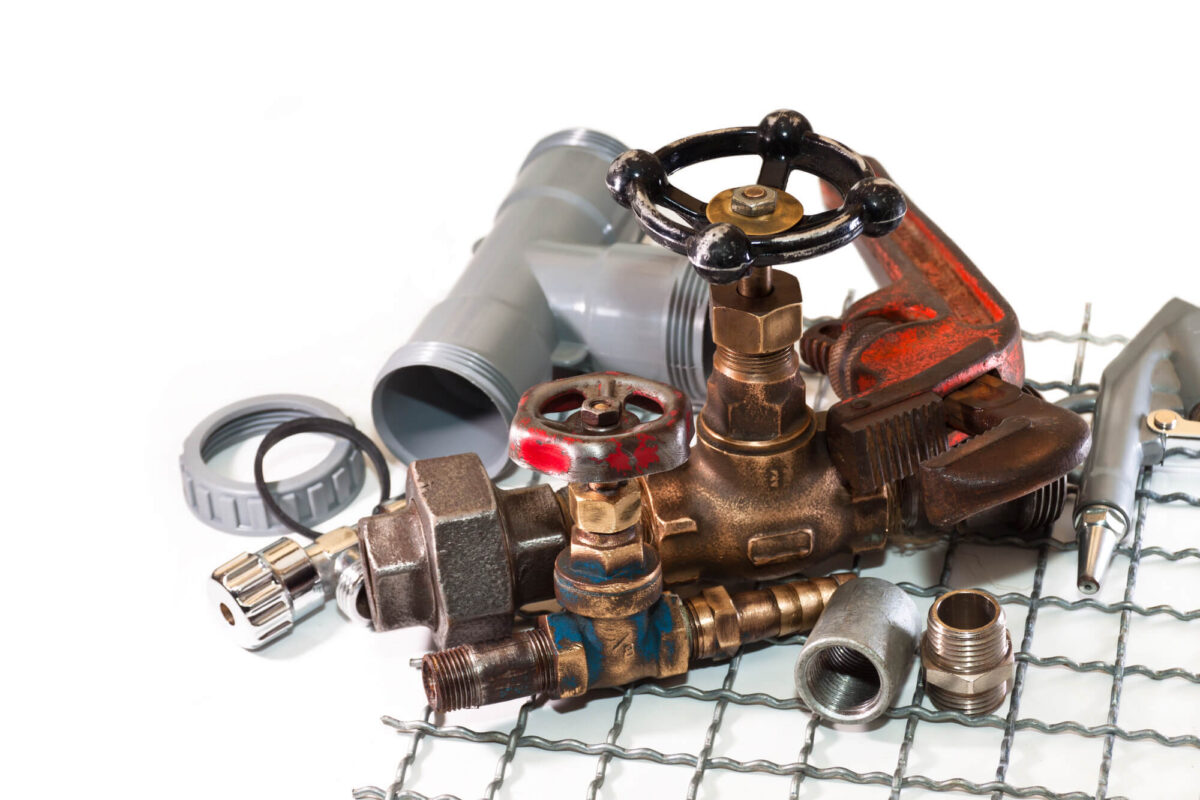
Brass: Brass contains copper and zinc and can be recovered from plumbing fixtures, industrial fittings, valves, and machinery parts.

Lead and specialist metals: Lead, nickel, cobalt, titanium, and zinc can also be recovered through suitable recycling processes. Some materials need specialist treatment because of their chemical makeup or possible environmental risk.

What Factors Affect Metal Waste Recovery?

The amount of metal recovered depends on several factors.

Impurities are one of the main problems because oil, paint, plastic, chemicals, and other unwanted material can affect scrap quality. Some impure materials may need extra treatment, while certain substances must be handled separately as hazardous waste.

Sorting is just as important. Separating different types of metal helps recycling sites identify materials correctly and improve process speed. Mixing ferrous and non ferrous metals can make separation harder.

The condition and mix of scrap metal also affect recovery. Clean, well-sorted material is usually easier to process than mixed scrap with several alloys and unwanted parts.

Modern recycling equipment, such as magnetic separators, shredders, and sorting systems, helps sites recover valuable material. Market demand also affects what gets collected and processed, because higher-value metals can give a stronger reward for recycling.

How Does the Metal Recovery Process Work?

Metal recovery uses several steps to prepare old material for reuse.

Collection:

Scrap metal is collected from factories, construction sites, demolition projects, vehicles, and business premises.

Sorting:

Materials are split into groups, including ferrous and non-ferrous metals. Magnetic separation helps identify iron and steel, while other tools sort aluminium, copper, and other materials.

Processing:

Collected scrap is cleaned, cut, or shredded to prepare it for more treatment. Removing unwanted material improves the quality of the recovered metal.

Melting and refining:

Suitable scrap is melted in specialist furnaces. More refining removes impurities and helps reach the needed material mix.

Manufacturing:

Recovered metal is used to make new products, including vehicle parts, electrical equipment, machinery, and construction materials.

Each stage determines how much usable material one can obtain from a tonne of metal. Efficient recycling processes help cut losses and improve total recovery rates.

Why Is Recycling Metal Important?

Recycling metal saves natural resources by reducing the need to mine and process virgin raw materials. It also reduces energy use and manufacturing emissions.

The benefits go beyond environmental protection. Recovering valuable scrap metal can bring extra income for businesses, cut disposal costs, and support manufacturing supply chains.

For example, recycled steel can be used in construction and car making, while recycled aluminium supports packaging, transport, and engineering. Copper recovery also helps supply material for electrical wiring and infrastructure.

The better businesses separate and recover metal waste, the more they can support a circular economy.

How Can Businesses Improve Metal Recovery?

Businesses can improve recovery rates by using better waste sorting systems and keeping different metals apart. Regular waste checks can spot valuable material that might otherwise be mixed with general waste.

Working with an experienced recycling company also helps businesses arrange suitable collections and choose the right processing options. Specialist recycling plans are especially useful for industrial offcuts, machinery, electrical parts, and mixed metal waste.

For businesses handling valuable material, professional metal recycling services can help recover reusable resources and reduce unnecessary disposal.

A large share of metal waste can be recovered, but actual rates depend on material quality, impurities, and recycling facilities. UK data shows that 78.7% of metal packaging was recycled in 2024. Better sorting, collection, and processing can help businesses recover more valuable metals, save resources, and cut waste.
What Is the Difference Between Ferrous and Non-Ferrous Scrap?

Ferrous scrap contains iron and is usually magnetic, while non-ferrous scrap does not have iron as its main metal and has different recycling traits.

Knowing the difference between ferrous and non ferrous metals helps businesses sort, reuse and recycle metal waste. Both groups are used in construction, manufacturing, vehicle production and industry. But their makeup, physical traits and recycling needs differ.

Ferrous metals contain iron. Most are magnetic and work well for jobs that need strength and durability.

Non-ferrous metals, including aluminium, copper and brass, are usually non-magnetic. They often provide better rust resistance and carry current well.

Knowing how ferrous and non-ferrous metals differ helps businesses improve scrap metal recycling, sort materials correctly and get more value from industrial waste.

What Is Ferrous Scrap Metal?

Ferrous scrap metal includes discarded material whose main part is iron. These metals are common in construction, engineering, vehicle production and industrial equipment because they are strong and durable.

Steel and cast iron are two common examples. They can come from old vehicles, machinery, structural parts, pipes, home appliances and manufacturing offcuts.

Most ferrous metals are magnetic, so magnets help identify and sort them at recycling plants. However, some stainless steel grades have weak magnetic traits or are not magnetic, so other checks may be needed.

Ferrous scrap is sorted into grades by makeup, thickness, condition and quality. Good sorting helps recycling plants prepare material for reuse in steel production and other manufacturing work.

Common Examples of Ferrous Metals

Steel is one of the most widely recycled ferrous materials. It is recovered from construction beams, vehicle parts, machinery, tools and industrial equipment.

Cast iron is another common material found in engine blocks, radiators, pipes and heavy machinery. Its higher carbon content gives it different traits from normal steel.

Stainless steel contains iron, chromium and, in some grades, other alloying elements such as nickel. It is widely used in kitchen equipment, industrial machines, food processing equipment and construction because of its corrosion resistance.

These materials can be processed and melted down to make new metal products. That lowers demand for newly mined raw materials.

What Is Non-Ferrous Scrap Metal?

Non-ferrous scrap metal is made from materials whose main part is not iron. Unlike most ferrous metals, these materials are usually non-magnetic and often resist corrosion well.

Common examples include aluminium, copper, brass, zinc, lead, nickel and titanium.

People use non-ferrous metals in electrical systems, plumbing, transport, construction, electronics, and manufacturing. Their traits make them useful where good current flow, lower weight and resistance to damage matter.

For example, copper is widely used in electrical wiring because it carries current well. Aluminium is popular in transport and construction because it is light and corrosion-resistant.

Non-ferrous scrap can also bring higher prices than ordinary steel scrap, although value depends on metal type, grade, purity, quantity and market demand.

Common Examples of Non-Ferrous Metals

Aluminium is recovered from vehicle parts, window frames, building materials, drink cans and industrial waste. Its light weight makes it useful in many industries.

Copper is commonly found in copper wire, electrical cables, plumbing pipes, motors and electronic equipment. Its ability to carry current makes it important for electrical systems and renewable energy.

Brass is an alloy of copper and zinc. It is often recovered from plumbing fittings, valves, decorative products and industrial parts.

Lead is found in some batteries, roofing materials and industrial uses. It needs careful handling because it can be hazardous.

Nickel is used in stainless steel production, batteries and specialist industrial equipment. Recovering nickel-bearing scrap helps put valuable materials back into manufacturing supply chains.

Zinc is commonly used in galvanised steel, die-cast parts and construction products. Recycling zinc lowers demand for new resources.

Ferrous vs Non-Ferrous Scrap: What Are the Main Differences?

Although both ferrous and non-ferrous metals can be recycled, several traits set them apart.

1. Metal Composition

The main difference is their makeup. Ferrous metals contain iron as their main part, while non-ferrous metals do not.

This affects their strength, weight, rust resistance, and how they are used in different manufacturing jobs.

2. Magnetic Properties

Most ferrous metals are magnetic because they contain iron. Magnets are often used to separate steel and iron from mixed scrap materials.

Non-ferrous metals, including aluminium, copper and brass, are usually non-magnetic. Recycling plants use other sorting methods to recover them.

3. Corrosion Resistance

Ferrous metals such as plain carbon steel and cast iron can rust when exposed to moisture and oxygen. Coatings, galvanising and alloying can improve this.

Non-ferrous metals usually resist corrosion better. Aluminium forms a protective oxide layer, while copper slowly forms a surface patina.

4. Weight and Strength

Ferrous metals are often chosen for jobs that need strength, durability and support. Steel is widely used in buildings, bridges, machinery and vehicle production.

Many non-ferrous metals are lighter. Aluminium, for example, is used in aircraft, transport and vehicle production because it helps cut overall weight.

5. Scrap Metal Value

Non-ferrous scrap metals often fetch higher prices per tonne than ordinary ferrous scrap. Copper, brass and some aluminium grades can be especially valuable because of their industrial uses and market demand.

However, not every non-ferrous metal is worth more. Scrap metal prices depend on material quality, grade, impurities, quantity, processing costs, and market conditions.

UK Scrap Metal Recycling Statistics

The UK metals recycling industry plays a key role in recovering useful materials. It also supplies manufacturers with secondary raw materials.

According to the British Metals Recycling Association (BMRA), the wider UK metals recycling industry includes about 2,000 businesses and employs around 15,000 people.

The industry trades and processes about 11.6 million tonnes of ferrous and non-ferrous metals each year, including steel, aluminium and copper. The sector is also estimated to be worth £7 billion.

UK Government packaging statistics give more proof of the value of metal recovery. In 2024, about 682,000 tonnes of metal packaging waste were produced, and 536,000 tonnes were recycled.

Steel packaging reached an 85.5% recycling rate, compared with 65.9% for aluminium packaging. These figures show how different metal materials support the UK’s recycling industry.

How Are Ferrous and Non-Ferrous Metals Recycled?

Although both types of scrap metal can be recycled, their recovery uses different sorting and processing steps.

Ferrous scrap is collected from industrial sites, construction sites, vehicles and manufacturing work. At recycling plants, magnets and other separators help remove iron and steel from mixed waste.

The recovered material is inspected, graded and processed. Depending on size and condition, it may be cut, shredded or compressed before it goes to steel makers and foundries.

Non-ferrous scrap needs other separation methods because standard magnetic equipment cannot usually recover these materials. Recycling plants may use eddy current separators, density-based separation, specialist sorting tools and manual checks.

After separation, workers clean and prepare non-ferrous metals for further processing. They can then be melted, refined and turned into secondary raw materials for manufacturing.

Both processes reduce the amount of metal waste sent to disposal while supporting the use of valuable resources.

Why Is Separating Ferrous and Non-Ferrous Scrap Important?

Correctly separating ferrous and non-ferrous scrap is key to better recycling efficiency and material quality.

When different metals are mixed, extra sorting and processing may be needed. Impurities can also reduce the quality of recovered material and limit its fit for certain manufacturing uses.

For businesses that produce large amounts of metal waste, good separation can reduce handling costs, improve recovery rates and make scrap easier to sell.

It also helps recycling plants identify metal grades more accurately. This matters for copper, brass and aluminium, where makeup and purity can affect market value.

Separating scrap correctly supports the circular economy by letting recovered metals return to manufacturing instead of relying fully on newly mined resources.

Can Ferrous and Non-Ferrous Metals Both Be Recycled?

Yes. Both ferrous and non-ferrous metals can be recycled and used again in new manufacturing work.

Steel and iron can be melted and made into new construction materials, car parts and industrial goods. Aluminium, copper, brass and other non-ferrous metals can also be recovered and turned into materials for electrical gear, transport, engineering and construction.

One key benefit of metal recycling is that metals can be recycled many times without losing their basic material traits, as long as they are collected and processed well.

This makes scrap metal an important secondary raw material for manufacturers that want to rely less on virgin resources.

Businesses can improve recycling results by working with appropriate metal recycling specialists who understand different material grades and recovery needs.

The main difference between ferrous and non-ferrous scrap is iron content. Ferrous metals contain iron and are usually magnetic, while non-ferrous metals do not contain iron as their main part and are usually non-magnetic.

Both groups play important roles in manufacturing, construction and industrial uses. Understanding their traits and recycling needs helps businesses identify materials, improve waste sorting and recover more value from recyclable metals.

What Factors Determine the Price of Scrap Metal?

The most valuable scrap metals are copper, brass, aluminium, lead, stainless steel, nickel, and precious metals. Their value depends on purity, condition, grade, and market demand. Scrap metal buyers and metal recycling companies also check how clean a load is and how easy it is to process.

Scrap metal recycling lets businesses recover these materials instead of sending them for disposal. Many common products, including electrical wiring, plumbing fixtures, construction materials, and kitchen appliances, contain metals that people can reuse.

These recycled metals support manufacturing and reduce the need for new ore.

Knowing which scrap metals are valuable can help businesses find recyclable materials. This can improve waste separation and recover more value from unwanted metal.

1. Copper: One of the Most Valuable Scrap Metals

Copper is one of the most valuable common metals in a scrap yard. People use it in electrical wiring, plumbing systems, motors, generators, and renewable energy equipment because it carries current well.

Clean copper pipes, stripped wires, and clean copper parts usually get a better scrap metal price than mixed or insulated materials. Grade, thickness, and condition still affect the offer from a scrap yard.

Demand for copper stays strong because of electric vehicles, power networks, construction, and renewable energy projects. These industries need copper for electrical links and key equipment.

Separating copper from other scrap metals helps keep its quality high and makes recycling easier.

2. Brass: Valuable Because of Its Copper and Zinc Content

Brass is an alloy made mainly from copper and zinc. People often find it in plumbing fixtures, taps, valves, electrical fittings, musical instruments, and decorative products.

Its copper content helps raise its scrap metal value. Clean brass is useful in metal recycling, while separated fittings and manufacturing offcuts are usually more desirable than mixed materials with plastic, steel, or other impurities.

Different brass grades have different mixes, which can change their market value. Businesses that create brass machining waste can improve recovery by keeping it apart from other metal waste.

3. Aluminium: Valuable for Its Recycling Potential

Aluminium is a common metal that can be recycled. You can find it in window frames, vehicle parts, kitchen appliances, beverage cans, machinery, and construction materials.

Although aluminium often has a lower scrap price per tonne than copper, its recycling benefits make it important for businesses. The International Aluminium Institute says recycling aluminium can save about 95.5% of the energy needed for primary aluminium production.

UK packaging statistics also show why aluminium recovery matters. According to Defra, 157,000 tonnes of aluminium packaging were recycled in 2024, for a recycling rate of 65.9%.

Aluminium scrap prices depend on the alloy, thickness, cleanliness, and form. Clean aluminium extrusions and separated production offcuts are often more desirable than mixed or dirty materials.

4. Lead: A Useful Metal from Batteries and Roofing

Lead is a dense metal recovered from vehicle batteries, roofing materials, cable sheathing, and industrial equipment. Its corrosion resistance makes it useful in some construction and industrial jobs.

Lead-acid batteries are an important source of recyclable lead. Specialist facilities can recover lead-bearing materials and turn them into new products, including replacement batteries.

However, lead can harm human health. It must be handled, stored, and processed with care, using proper waste management and specialist recycling facilities.

The value of lead scrap depends on purity, condition, material type, and current market demand.

5. Stainless Steel: Valuable for Its Alloy Content

Manufacturers use stainless steel in food processing equipment, commercial kitchens, construction, manufacturing machinery, and medical equipment. Its corrosion resistance comes from chromium, while some grades also contain nickel.

Nickel and chromium can affect scrap value. People often recover 304 and 316 grades because of their useful alloy mix.

Separating stainless steel from ordinary steel scrap is important when preparing materials for recycling. Different grades can bring different prices, so correct identification helps avoid lost value.

6. Steel Scrap and Iron: High-Volume Scrap Materials

Steel scrap and iron are among the most commonly recovered metals. You can find them in vehicles, machinery, construction materials, household appliances, and industrial structures.

Steel scrap often sells for less per tonne than copper and brass. However, its large recovery volumes make it important for the scrap metal industry.

People can process and reuse steel in construction, vehicle manufacturing, and industrial production. Magnetic separation also makes many ferrous metals easier to identify and recover.

Defra reported that the UK recycled 379,000 tonnes of steel packaging in 2024, for an 85.5% recycling rate.

7. Specialist Metals: Nickel, Zinc, and Precious Metals

Some specialist metals can achieve higher prices than common scrap materials, depending on their make-up and market conditions.

Manufacturers use nickel in stainless steel production, specialist alloys, and battery manufacturing. People commonly recover zinc from galvanised steel, roofing materials, and industrial parts.

You can also recover precious metals, including gold, silver, platinum, and palladium, from electronic equipment, catalytic converters, and specialist industrial parts. Their high market value makes recovery worthwhile, even in small amounts.

However, specialist metal recycling often needs careful identification, separation, and processing. Their value depends on metal concentration, recovery costs, and demand.

What Factors Affect Scrap Metal Prices?

Several factors influence scrap metal prices, not just the type of material that sellers offer.

  • Metal grade and purity matter because clean, correctly identified materials are usually more desirable than mixed or dirty scrap.
  • Market demand also affects metal prices. Manufacturing, construction, renewable energy, and automotive industries all influence demand for copper, aluminium, nickel, and steel.
  • Quantity and preparation can also make a difference. Larger, well-sorted loads may be more attractive to recycling facilities because they are easier to process.
  • Impurities and processing costs can reduce scrap value. Materials with insulation, plastic, oil, or unwanted metals may need extra treatment.
  • Local metal market prices can vary between recycling facilities because of transport costs, regional demand, and buying policies. Checking current prices before arranging a collection can help businesses make better decisions.

Why Is Scrap Metal Recycling Important?

Recovering valuable scrap metals helps conserve natural resources and reduces the need for primary metal production. It also supports manufacturing by providing other sources of raw materials.

The environmental benefits are especially important for aluminium. Recycling this material uses much less energy than producing primary aluminium from bauxite.

The UK also recovers large amounts of metal packaging. Defra reported that recyclers processed 536,000 tonnes of metal packaging in 2024. This amount is 78.7% of the total packaging waste. This total is based on its updated method.

For businesses, separating metal waste can improve waste management, support recycling targets, and create chances to recover material value. Working with the right recycling partner also ensures that someone handles metals well and returns them to use.

These recycled metals support industry, cut waste, and improve the use of raw materials.

Copper and brass are often the most valuable common scrap metals. Aluminium, lead, stainless steel, and specialist metals also have good recovery potential.

The actual scrap metal value depends on purity, grade, quantity, and market demand. Correct identification and separation can help businesses improve recovery and get more from unwanted materials.

What Are the Most Valuable Types of Scrap Metal?

The most valuable scrap metals include copper, brass, aluminium, lead, stainless steel, nickel, and precious metals. Their value depends on purity, condition, grade, and market demand. Some materials get a higher price because they contain useful elements or are in strong demand in manufacturing.

Scrap metal recycling allows businesses to recover these materials instead of sending unwanted items for disposal. From electrical wiring and plumbing fixtures to construction materials and kitchen appliances, many common products contain metals that can be reused.

Understanding which scrap metals are most valuable can help businesses identify recyclable materials, improve waste separation, and recover more value from unwanted metal.

1. Copper: One of the Most Valuable Scrap Metals

Copper is one of the most valuable common metals in a scrap yard. It is widely used in electrical wiring, plumbing systems, motors, generators, and renewable energy equipment because it carries current well.

Clean copper pipes, stripped wires, and clean copper parts can get a higher price than mixed or insulated materials. However, the grade, thickness, and condition still affect the offer from a scrap yard.

Demand for copper stays strong because of electric vehicles, power networks, construction, and renewable energy projects. These industries need copper for electrical links and key equipment.

Separating copper from other scrap metals helps keep its quality high and makes recycling easier.

2. Brass: Valuable Because of Its Copper and Zinc Content

Brass is an alloy made mainly from copper and zinc. People commonly find it in plumbing fixtures, taps, valves, electrical fittings, musical instruments, and decorative products.

Its copper content helps raise its scrap value, making clean brass useful in metals recycling. Separated brass fittings and manufacturing offcuts are usually more desirable than mixed materials with plastic, steel, or other impurities.

Different brass grades have different makeups, which can change their market value. Businesses that create brass machining waste can improve recovery by keeping it apart from other metal waste.

3. Aluminium: Valuable for Its Recycling Potential

Aluminium is a widely recycled non-ferrous metal found in window frames, vehicle components, kitchen appliances, beverage cans, machinery, and construction materials.

Although aluminium often has a lower scrap value per tonne than copper, its recycling benefits make it commercially important. The International Aluminium Institute reports that recycling aluminium can save about 95.5% of the energy needed for primary aluminium production.

UK packaging statistics also show why aluminium recovery matters. According to Defra, 157,000 tonnes of aluminium packaging were recycled in 2024, representing a recycling rate of 65.9%.

Aluminium scrap prices depend on the alloy, thickness, cleanliness, and form. Clean aluminium extrusions and separated production offcuts are often more desirable than mixed or impure materials.

4. Lead: A Useful Metal from Batteries and Roofing

Lead is a dense metal recovered from vehicle batteries, roofing materials, cable sheathing, and industrial equipment. Its corrosion resistance makes it useful in some construction and industrial jobs.

Lead-acid batteries are an important source of recyclable lead. Specialist facilities can recover lead-bearing materials and turn them into new products, including replacement batteries.

However, lead can harm human health. It must be handled, stored, and processed with care, using proper waste management and specialist recycling facilities.

The value of lead scrap depends on purity, condition, material type, and current market demand.

5. Stainless Steel: Valuable for Its Alloy Content

Stainless steel is used in food processing equipment, commercial kitchens, construction, manufacturing machinery, and medical equipment. Its corrosion resistance comes from chromium, while some grades also contain nickel.

Nickel and chromium can influence scrap value. For example, 304 and 316 grades are often recovered because of their useful alloy mix.

Separating stainless steel from ordinary steel scrap is important when preparing materials for recycling. Different grades can bring different prices, so correct identification helps avoid lost value.

6. Steel Scrap and Iron: High-Volume Scrap Materials

Steel scrap and iron are among the most commonly recovered metals. They are found in vehicles, machinery, construction materials, household appliances, and industrial structures.

Although steel scrap usually brings a lower price per tonne than copper and brass, large recovery volumes make it important to the recycling industry.

Steel can be processed and reused in construction, vehicle manufacturing, and industrial production. Magnetic separation also makes many ferrous metals easier to identify and recover.

Defra reported that the UK recycled 379,000 tonnes of steel packaging in 2024, representing an 85.5% recycling rate.

7. Specialist Metals: Nickel, Zinc, and Precious Metals

Some specialist metals can achieve higher prices than common scrap materials, depending on their make-up and market conditions.

Nickel is used in stainless steel production, specialist alloys, and battery manufacturing. Zinc is commonly recovered from galvanised steel, roofing materials, and industrial parts.

Precious metals, including gold, silver, platinum, and palladium, can also be recovered from electronic equipment, catalytic converters, and specialist industrial parts. Their high market value makes recovery worthwhile, even in small amounts.

However, specialist metal recycling often needs advanced identification, separation, and processing methods. Their value depends on metal concentration, recovery costs, and demand.

What Factors Affect Scrap Metal Prices?

Scrap metal prices are shaped by several factors, not just the type of material being sold.

Metal grade and purity matter because clean, correctly identified materials are usually more desirable than mixed or dirty scrap.

Market demand also affects prices. Manufacturing, construction, renewable energy, and automotive industries all influence demand for copper, aluminium, nickel, and steel.

Quantity and preparation can also make a difference. Larger, well-sorted loads may be more attractive to recycling facilities because they are easier to process.

Impurities and processing costs can reduce scrap value. Materials with insulation, plastic, oil, or unwanted metals may need extra treatment.

Local scrap metal prices can also vary between recycling facilities because of transport costs, regional demand, and buying policies. Checking current prices before arranging a collection can help businesses make better decisions.

Why Is Scrap Metal Recycling Important?

Recovering valuable scrap metals helps conserve natural resources and reduces the need for primary metal production. It also supports manufacturing by providing other sources of raw materials.

The environmental benefits are especially important for aluminium. Recycling this material uses much less energy than producing primary aluminium from bauxite.

The UK also recovers large amounts of metal packaging. Defra reported that 536,000 tonnes of metal packaging were recycled in 2024, representing 78.7% of the reported total packaging waste under its updated method.

For businesses, separating metal waste can improve waste management, support recycling targets, and create chances to recover material value. Working with the right recycling partner also helps make sure that metals are handled well and returned to use.

Copper and brass are usually among the most valuable common scrap metals, while aluminium, lead, stainless steel, and specialist metals also offer strong recovery chances.

The actual value depends on purity, grade, quantity, and market demand. Correct identification and separation can help businesses improve recovery and make better use of unwanted materials.

Which Metals Have the Highest Global Recycling Rates?

Metals are essential raw materials for modern industry. They support construction, transport, electronics, and manufacturing

Gold, platinum, palladium, nickel, silver, copper, and aluminium are among the most successfully recovered metals worldwide. Their recycling performance depends on their value, availability, product design, and the effectiveness of collection systems. Understanding these differences helps businesses reduce waste, conserve raw materials and support a more sustainable approach to metal recycling.

Gold, platinum and palladium have high recycling rates because of their value. Steel, aluminium, copper and nickel also benefit from established recovery systems and strong industrial demand.

How Are Global Metal Recycling Rates Measured?

Global recycling rates measure how much discarded metal is recovered and returned to production. However, different measurements are used to assess recycling performance.

The end-of-life recycling rate measures the proportion of metal in discarded products that is actually recycled. Collection rates measure how much waste is gathered for processing, while recycled content describes the proportion of secondary material used in manufacturing new products.

These measurements are not interchangeable. Some collected materials are lost during sorting, separation, and processing before they can become usable secondary metals.

According to the International Energy Agency (IEA), metal recycling performance varies considerably depending on collection systems, market demand, and available processing technologies.

Which Metals Have the Highest Global Recycling Rates?

Gold

Gold has one of the highest global end-of-life recycling rates, estimated at approximately 85% in the IEA’s 2021 data. Its high market value makes recovery financially attractive, even when it is present in relatively small quantities.

Gold is commonly recovered from jewellery, electronic equipment, dental materials and investment products. Specialist recycling facilities use controlled processes to separate gold from other materials, particularly in electronic waste.

Recovering gold reduces the need for additional mining and helps retain valuable resources within manufacturing supply chains.

Platinum and Palladium

Platinum and palladium have estimated end-of-life recycling rates of approximately 60%. Both metals are valuable because of their industrial applications and limited natural availability.

They are widely used in catalytic converters, chemical processing equipment, electronics and specialist manufacturing. Their value encourages businesses to collect and process discarded components rather than dispose of them as general waste.

Recycling these metals also helps reduce reliance on newly extracted raw materials.

Nickel

Nickel has an estimated global recycling rate of approximately 60% in the IEA’s selected-metal dataset. It is an important material in stainless steel, industrial equipment, metal alloys and rechargeable batteries.

Its durability and ability to retain useful properties during recycling make it suitable for repeated industrial use.

However, recovering nickel from batteries requires specialist processing because battery components contain several different materials. Effective separation is necessary to produce secondary nickel suitable for manufacturing.

Silver

Silver has an estimated end-of-life recycling rate of approximately 49%. Its electrical conductivity, durability and industrial usefulness make it an important material across several sectors.

It is used in jewellery, electrical contacts, electronic equipment, solar technologies and specialist manufacturing applications.

Although silver has considerable recovery potential, recycling small quantities from complex products can be difficult. Better collection and processing systems can help prevent valuable silver from being lost in general waste.

Copper

Copper has an estimated global end-of-life recycling rate of approximately 45%. It is widely used in electrical wiring, plumbing, construction, industrial machinery and renewable energy equipment.

One of copper’s biggest advantages is that it can be recycled repeatedly without losing its essential properties.

Recovering copper from cables, motors, electrical equipment and manufacturing offcuts helps reduce demand for newly mined resources. Businesses can improve recovery by separating copper scrap from other metals and keeping materials uncontaminated.

Aluminium

Aluminium has an estimated end-of-life recycling rate of approximately 42% in the IEA’s 2021 selected-metal dataset.

It is commonly used in transport, construction, packaging, electrical equipment and manufacturing. Its lightweight properties and corrosion resistance make it valuable across many industries.

Aluminium recycling also offers substantial energy savings. The International Aluminium Institute estimates that recycling aluminium requires around 5% of the energy needed to produce primary aluminium from bauxite.

However, recycling rates differ between product categories. Beverage cans, construction materials and industrial aluminium scrap have different collection and recovery systems.

Steel and Other Industrial Metals

Steel is another important material in global metal recycling. The OECD’s 2019 estimates placed the end-of-life recycling rate for ferrous metals at approximately 70%.

Steel is widely used in construction, automotive manufacturing, machinery and infrastructure. Its established scrap markets and large-scale collection systems support recovery across different industries.

Other recyclable metals include chromium, zinc, cobalt, magnesium and tungsten. Their recycling performance varies according to product applications, metal concentration and the availability of specialist recovery facilities.

Why Do Some Metals Have Higher Recycling Rates?

Several factors influence why certain metals are recycled more successfully than others.

Economic value is one of the biggest influences. Gold, platinum and palladium attract higher recovery investment because their market prices can justify specialist collection and processing.

Product design also matters. Metals used in large components, machinery and industrial equipment are often easier to identify and separate than small quantities contained within complex electronic products.

Established recycling infrastructure is another important factor. Steel, aluminium and copper benefit from developed collection networks, recognised scrap grades and consistent demand from manufacturers.

In contrast, some critical metals are difficult to recover because they are used in small quantities, combined with other materials or incorporated into products with long service lives.

How Businesses Can Improve Metal Recovery

Businesses can improve metal recycling by separating different materials before they enter general waste streams. Keeping aluminium, copper, nickel, brass and other metal grades separate can help maintain scrap quality and improve processing efficiency.

Proper storage also reduces contamination from plastics, oils and other unwanted materials. Clear labelling and accurate waste records make it easier to identify materials and arrange suitable recovery services.

Industrial businesses generating regular metal offcuts, machinery waste and redundant equipment can benefit from working with specialist recycling providers.

For example, dedicated aluminium recycling services help businesses recover valuable aluminium scrap and return suitable material to the manufacturing supply chain.

The Importance of Global Metal Recycling

Metal recycling plays an important role in conserving natural resources and reducing dependence on primary extraction. Recovering existing materials can reduce the environmental impact associated with mining, refining, and transporting newly produced metals.

The IEA’s 2026 Global Critical Minerals Outlook highlights the growing importance of recycling for future material supply. Under its current-policy scenario, average recycling rates across key energy minerals could increase from around 10% today to nearly 20% by 2040.

This demonstrates the importance of investing in collection systems, recovery technologies and better product design.

Gold, platinum, palladium, nickel, silver and copper are among the metals with the highest established global end-of-life recycling rates. Steel and aluminium also have important roles because of their widespread industrial applications and developed recovery markets.

Improving metal recycling requires effective collection, careful separation and access to suitable processing facilities. By recovering more valuable materials, businesses can reduce waste, conserve raw materials and support a more sustainable global manufacturing industry.

Which Metals Are Produced in the Largest Quantities?

Metals are essential raw materials for modern industry. They support construction, transport, electronics, manufacturing and renewable energy. Some metals are produced on a far larger scale than others because they are easier to mine, useful in many industries and in high demand.

Iron, aluminium, copper, zinc, manganese and chromium are among the main materials in world metal output. Their volumes reflect the needs of infrastructure, manufacturing and engineering.

According to the USGS, global mineral data for 2025 shows the huge scale of raw material extraction. Iron ore output alone reached about 2.6 billion tonnes, while bauxite output reached around 440 million tonnes.

Knowing which metals are produced in the largest quantities helps show how industry depends on natural resources. It also shows why recycling matters for steady supply.

These are bulk industrial metals, not precious metals.

The Most Produced Metals Worldwide

Output varies widely. Iron-based materials lead industrial production, while aluminium and copper are also produced in large volumes.

It is important to separate mined ores from refined metals. Bauxite is the main ore for aluminium, while iron ore is processed into iron and steel. These are not the same measure.

1. Iron and Steel

Iron is the base of the global steel industry and is used in construction, cars, engineering and infrastructure.

Iron ore is mined in huge amounts before it is turned into iron and then steel. Steel is an alloy, not a pure metal, but it is still counted in large-scale metal output because it is so important.

According to the World Steel Association, worldwide crude steel production reached about 1.85 billion tonnes in 2025. China remained the largest producer, with about 961 million tonnes.

Steel is widely used in buildings, bridges, rail lines, machinery, vehicles and industrial equipment. Its strength and durability make it one of the most useful materials in the global economy.

2. Aluminium

Aluminium is another major world material. It is light, resists rust and can be recycled, which makes it valuable across many industries.

Aluminum constituted a major share of non-ferrous output in 2025. The main raw material for aluminium production is bauxite. USGS estimates put global bauxite mine production at about 440 million tonnes.

Aluminium is used in aircraft, vehicles, packaging, electrical gear, building materials and renewable energy systems. Makers often choose it when they need lower weight without losing strength.

Aluminium recycling also has major environmental benefits. According to the International Aluminium Institute, recycling aluminium uses about 95% less energy than making primary aluminium from raw materials.

3. Copper

Copper is one of the most used industrial metals because it carries electricity and heat well.

Global copper mine production reached about 23 million tonnes in 2025, according to USGS-based mineral data.

Its uses include electrical wiring, power generation, telecoms, plumbing, electric vehicles and renewable energy systems.

Copper demand is especially strong as countries expand power grids and clean energy systems. Solar panels, wind turbines, charging stations and battery gear all need copper.

Because copper keeps much of its value after use, recovering it from cables, industrial equipment and manufacturing waste is part of the resource supply chain.

4. Zinc

Zinc is another important industrial metal, with global mine production estimated at about 13 million tonnes in 2025.

Its main use is to galvanise steel and iron so they resist corrosion. This makes zinc important in construction, cars, infrastructure and engineering.

Zinc is also used in batteries, die-casting alloys, roofing and many industrial products. Its protective role helps steel structures last longer and reduces the need for replacement.

Recycling zinc from galvanised steel, manufacturing scrap and other waste gives manufacturers another source of material.

5. Manganese

Manganese is an essential industrial metal, especially in steel production. It improves steel’s strength, hardness and durability while helping remove impurities during production.

World manganese ore production was about 20 million tonnes in 2025, according to USGS-based figures.

The steel production sector accounts for a large share of manganese use. It is also used in some battery technologies, chemical manufacturing and specialist metal alloys.

As global infrastructure and manufacturing grow, manganese remains an important raw material for steel production and industrial growth.

6. Chromium

Chromium is best known for its role in stainless steel. It improves corrosion resistance and helps materials stand up to hard industrial use.

Global production of chromium ores and concentrates was about 51 million tonnes in 2025.

Its main uses include stainless steel manufacturing, metal plating, specialist alloys and industrial equipment. Chromium is especially important in sectors that need materials to resist moisture, chemicals and high temperatures.

Recovering chromium-bearing scrap can help reduce the need for more raw material extraction.

7. Lead

Lead is another long-used industrial metal, with global mine production estimated at about 4.5 million tonnes in 2025.

Its main use is in lead-acid battery manufacturing. These batteries are widely used in vehicles, backup power systems, industrial equipment and energy storage.

Lead is also used in radiation shielding and some special industrial products.

Lead has an established recycling network. Used lead-acid batteries can be collected, processed and recycled to recover lead for new products. Proper handling is essential because lead is hazardous to people and the environment.

8. Nickel

Nickel is an important metal used in stainless steel, specialist alloys, plating and battery manufacturing.

Global nickel mine production reached about 3.9 million tonnes in 2025, according to USGS-based production statistics.

Its resistance to corrosion and ability to handle high heat make nickel valuable in tough industrial settings. It is also used in some electric vehicle battery chemistries, although not all battery types need nickel.

As demand for stainless steel, electric vehicles and energy storage grows, nickel remains important in global manufacturing supply chains.

Global Metal Production Statistics for 2025

The following figures show the different scales of global mineral and metal output.

Iron ore: Approximately 2.6 billion tonnes.

Bauxite (aluminium ore): Approximately 440 million tonnes.

Chromium ores and concentrates: Approximately 51 million tonnes.

Manganese ore: Approximately 20 million tonnes.

Zinc: Approximately 13 million tonnes.

Lead: Approximately 4.5 million tonnes.

Nickel: Approximately 3.9 million tonnes.

Copper: Approximately 23 million tonnes.

Source: USGS, Mineral Commodity Summaries 2026. Figures are approximate 2025 estimates.

These figures show why iron ore and bauxite hold such large positions in global extraction. They also show how bulk metals are produced on a much larger scale than precious metals. The output of each metal depends on its use, processing needs and industrial demand.

Which Countries Produce the Most Metals?

Metal production is concentrated in countries with large mineral reserves, long-running mines and big processing plants.

China is especially important in global manufacturing and metal processing. It was the world’s largest crude steel producer in 2025, with about 961 million tonnes.

Other major producers include India, Australia, Chile, Indonesia, Brazil and the Democratic Republic of Congo. Their output varies by metal.

For example, Chile and the Democratic Republic of Congo are major copper producers, while Australia and Brazil have large iron ore industries. Indonesia has also become a major nickel supplier.

The regional spread of production affects trade, raw material prices and the availability of metals for manufacturers.

Why Is Global Metal Production Increasing?

Global metal output is shaped by population growth, industrial growth, new technology and investment in infrastructure.

Construction remains a major source of demand for iron, steel, aluminium and copper. Growing cities need buildings, transport networks, power systems and industrial sites, all of which use large amounts of raw material.

The shift to renewable energy is also raising demand. Solar panels, wind turbines, electric vehicles and power grids need copper, aluminium, nickel and steel.

Data centres and telecoms infrastructure are creating more demand for electrical parts, cables and specialist metals.

However, higher output also brings challenges. Mining uses energy, water and land, while mineral processing can create emissions and industrial waste. This makes efficient resource use and material recovery even more important.

Why Metal Recycling Matters for Global Supply

Making metals from newly mined raw materials takes a lot of energy and natural resources. Recycling offers another path by recovering usable materials from used products, industrial equipment and manufacturing waste.

Metals such as aluminium, copper, steel, brass, lead and nickel can be recovered and sent back into manufacturing supply chains.

For example, recycled copper can become new electrical products, while recovered aluminium can be used in packaging, vehicle parts and construction materials.

Metal recycling also cuts the amount of industrial waste sent to disposal and reduces dependence on newly mined resources. For manufacturers, recovered metals support resource efficiency and better material supply.

As global demand keeps growing, recycling will remain a key part of a more sustainable metals industry.

Businesses that generate metal offcuts, old machinery and industrial scrap can support this process by making sure suitable materials are collected, sorted and sent to the right recycling plants.

Iron-based materials dominate industrial production, with steel production reaching about 1.85 billion tonnes in 2025. Aluminium, copper, zinc, manganese, chromium, lead and nickel also play major roles in manufacturing and infrastructure.

These materials support key industries, including construction, transport, engineering, electronics and renewable energy.

As demand for raw materials continues, recovering valuable metals from industrial waste and end-of-life products will be more important for manufacturing and for easing pressure on natural resources.