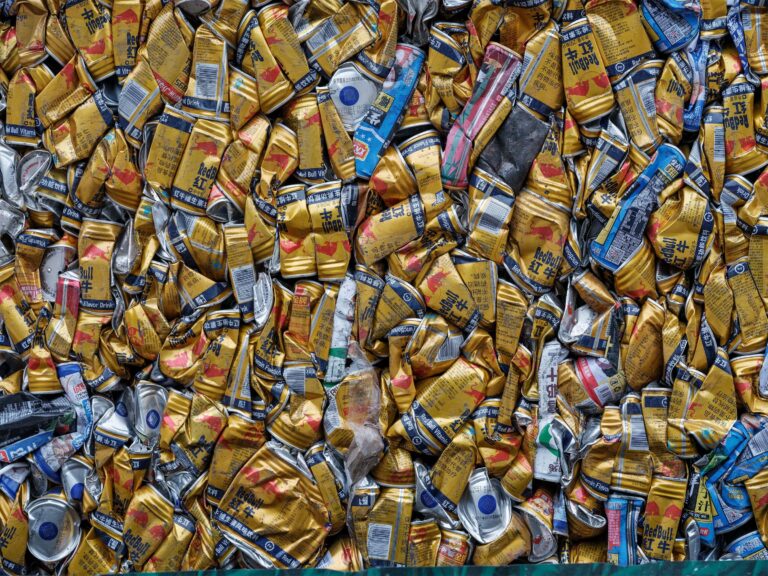
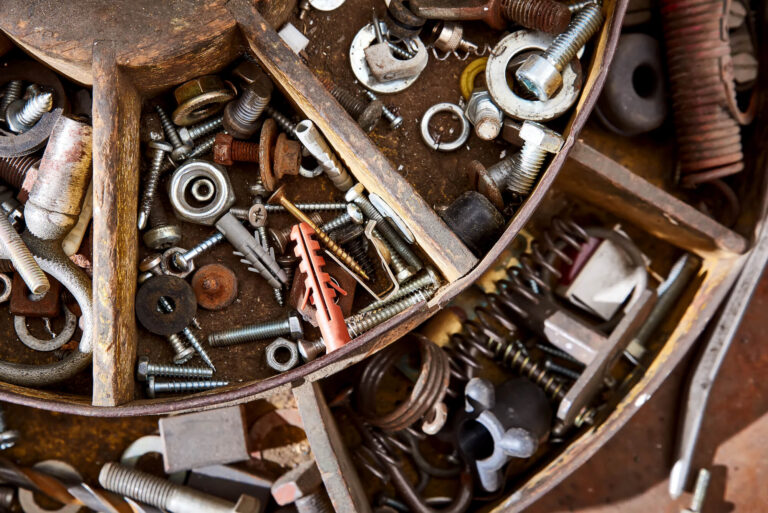
Construction, manufacturing, automotive, engineering, electronics, energy and mining generate significant metal waste. Recycling helps recover valuable materials and reduce resource consumption.
Which Industries Produce the Most Metal Waste?
Metal waste is generated across numerous industries, particularly those involved in manufacturing, construction, vehicle production and heavy engineering. Understanding which industries produce the most metal waste helps businesses identify recyclable materials, reduce disposal costs and improve resource efficiency.
Steel, aluminium, copper, brass and nickel are among the metals commonly found in industrial waste streams. These materials are produced through manufacturing offcuts, machinery replacement, construction projects and the disposal of outdated equipment.
Much of this waste can be recovered through the recycling process rather than being discarded. Identifying where metal waste originates allows businesses to improve collection, sorting and recycling practices.
1. Construction and Demolition Industry
Construction and demolition are major sources of waste in the UK. Building projects, infrastructure development, renovations and demolition activities generate substantial quantities of materials, including different types of metal.
Steel is widely used in structural frameworks, reinforcing bars, roofing systems and support structures. Aluminium is common in window frames, doors, roofing panels and building facades. Copper is also found in electrical wiring, plumbing and heating installations.
Metal waste develops when materials are cut to size, damaged, replaced or removed during demolition. Leftover steel sections, aluminium profiles, copper pipes and metal fittings can all become valuable recyclable materials.
According to the Department for Environment, Food and Rural Affairs (Defra), England generated approximately 63.3 million tonnes of non-hazardous construction and demolition waste in 2024. Around 60.3 million tonnes were recovered, representing a recovery rate of 95.3%.
Although these figures cover all construction and demolition waste rather than metal alone, they demonstrate the significant waste management activity within this industry.
Separating scrap metal from other construction materials helps businesses improve recovery rates and reduce unnecessary disposal.
2. Manufacturing and Metal Processing Industry
Manufacturing is another major source of industrial metal waste. Factories use large quantities of raw materials to produce machinery, vehicles, appliances, industrial components and construction products.
Metal waste commonly develops during cutting, stamping, drilling, milling, turning and welding. These activities produce offcuts, metal shavings, swarf, defective components and rejected products.
Steel and aluminium are frequently generated in manufacturing facilities. Other valuable materials include brass, copper, nickel, titanium and magnesium.
For example, engineering companies producing metal components may generate substantial quantities of steel offcuts and machining waste. Aluminium manufacturers can also produce leftover sheet material, extrusion offcuts and aluminium dross.
These materials can often be recovered when collected and separated correctly. Businesses can improve material efficiency by reducing production errors, maintaining equipment and introducing suitable scrap collection systems.
Defra estimates that England’s commercial and industrial sectors generated approximately 32 million tonnes of waste in 2024. This includes manufacturing, industrial processes and commercial activities, rather than metal waste alone.
Recovering manufacturing scrap helps businesses reduce material losses while supplying reusable metals to the wider recycling industry.
3. Automotive and Transport Industry
The automotive and transport industries produce metal waste throughout vehicle manufacturing, maintenance, repair and end-of-life processing.
Cars, vans, lorries, buses and other vehicles contain several recyclable metals. Steel is widely used in vehicle bodies, chassis and structural components, while aluminium is found in engine parts, wheels and lightweight body panels.
Copper is present in wiring systems, electric motors and electrical components. Lead can also be found in conventional vehicle batteries.
During vehicle manufacturing, metal offcuts and defective components are generated through stamping, cutting and assembly. Repair garages produce additional scrap when replacing damaged body panels, exhaust systems, brake components and other metal parts.
End-of-life vehicles provide another important source of scrap metal. Once reusable components have been removed, vehicle shells can be processed to recover ferrous and non-ferrous metals.
Electric vehicles also create additional recovery opportunities because their motors, wiring, and battery systems contain valuable materials. These components require appropriate handling and specialist recycling methods.
Separating different metal types helps improve recovery quality and reduces contamination during processing.
4 . Engineering and Heavy Equipment Industry
Engineering companies and heavy equipment manufacturers rely on metals to produce industrial machinery, tools, pumps, engines and mechanical components.
These operations generate metal waste through fabrication, machining, maintenance and equipment replacement.
Steel is commonly used for machine frames, industrial structures and heavy-duty components. Stainless steel is also important in equipment requiring corrosion resistance. Copper, brass, nickel alloys and titanium are used in specialised applications.
Machining operations produce metal swarf, turnings and filings. Although these materials may appear to have limited practical value, they can be recycled when collected and handled correctly.
Heavy machinery maintenance also generates discarded metal components, including worn gears, damaged shafts, metal housings and replacement parts.
Separating machining waste according to its metal composition is particularly important. Mixing different alloys can reduce scrap quality and make the recycling process more complicated.
Businesses can improve recovery by introducing designated scrap collection areas and arranging suitable collection services for their industrial metal waste.
5. Electrical and Electronics Industry
The electrical and electronics industry generates metal waste through the production, repair, and disposal of electronic equipment.
Computers, telecommunications equipment, household appliances, circuit boards, cables and industrial control systems contain several types of metal.
Copper is widely used in electrical wiring, cables and motors because of its conductivity. Aluminium is found in casings, heat sinks and electrical components. Gold, silver and palladium may also be present in certain electronic components.
Manufacturing processes can generate rejected circuit boards, cable offcuts, metal connectors and defective electrical components. At the end of their useful life, electronic products become waste electrical and electronic equipment (WEEE).
Recovering metals from WEEE requires appropriate treatment because electronic products can contain hazardous substances alongside valuable materials.
Businesses should use suitable WEEE collection and recycling services rather than mixing electronic waste with general scrap metal.
Responsible recovery helps conserve valuable resources, reduces unnecessary disposal and supports the reuse of recyclable materials.
6. Energy and Renewable Energy Industry
The energy industry uses substantial quantities of metal to manufacture, install and maintain power generation equipment and supporting infrastructure.
Traditional power stations, electricity networks, wind turbines and solar installations all contain recyclable metals.
Copper is used in electrical cables, transformers, generators and motors. Steel provides structural strength in towers, support systems and industrial equipment. Aluminium is commonly used in power transmission infrastructure.
Renewable energy installations also create future metal recovery opportunities. Wind turbines contain steel structures, copper wiring and other metal components. Solar energy systems include aluminium frames, copper cables and electrical connections.
Metal waste develops during equipment manufacturing, installation, maintenance and replacement. Damaged cables, dismantled electrical components, structural offcuts and outdated equipment can all contribute to industrial scrap.
As renewable energy infrastructure expands, effective end-of-life management will become increasingly important for recovering materials and supporting resource efficiency.
7. Mining and Mineral Processing Industry
Mining and mineral processing operations use substantial quantities of metal equipment to extract, transport and process natural resources.
Excavators, crushers, conveyor systems, drilling equipment and processing machinery contain steel, iron, copper and specialised metal alloys.
Metal waste develops when equipment becomes damaged, worn or unsuitable for continued operation. Replacement parts, discarded machinery, steel components and damaged processing equipment can become valuable sources of scrap.
Mining operations may also generate metal-bearing residues during mineral processing. However, these materials differ from conventional clean scrap and may require specialist treatment to recover their metal content safely.
Equipment maintenance and planned replacement programmes can help mining companies identify recyclable materials before they enter general waste streams.
How Can Industries Reduce Metal Waste?
Businesses can reduce metal waste by improving how they purchase, use, store and process materials.
Better production planning helps manufacturers minimise unnecessary offcuts and rejected components. Accurate cutting measurements and efficient machining techniques can also reduce material losses.
Separating scrap according to metal type is another important step. Keeping aluminium, copper, brass, stainless steel and ferrous metals apart makes recycling more efficient and helps maintain material quality.
Regular equipment maintenance can prevent premature replacement and reduce the amount of discarded machinery. Where suitable, businesses can also reuse components and return manufacturing scrap to the production supply chain.
Working with a specialist metal recycler provides access to appropriate collection, sorting and recovery services. Businesses handling different materials can explore aluminium recycling, copper and brass recovery and other specialist metal recycling options.
Why Is Industrial Metal Recycling Important?
Industrial metal recycling reduces the demand for newly extracted raw materials and helps conserve natural resources.
Producing metals from recycled materials can require considerably less energy than manufacturing them from primary ores. For example, recycling aluminium can save approximately 95% of the energy required for primary aluminium production.
Recycling also reduces the amount of recoverable metal sent for disposal. This supports resource efficiency, improves waste management and contributes to a more sustainable manufacturing supply chain.
For businesses, recovering scrap metal can provide additional financial value while improving environmental performance.
Construction, manufacturing, automotive, engineering, electronics, energy and mining are important sources of industrial metal waste. Each sector produces different types of scrap through manufacturing, maintenance, installation, demolition and equipment replacement.
Identifying these waste streams is the first step towards improving metal recovery. By separating materials, reducing production losses and working with specialist recyclers, businesses can turn unwanted metal into valuable secondary resources and support a more sustainable circular economy.