Recovering brass offcuts helps businesses reduce waste, recover valuable materials, lower disposal costs, and support sustainable manufacturing.
Why Businesses Should Recover Brass Offcuts
Manufacturing businesses regularly generate brass offcuts through cutting, machining, drilling, and fabrication. Although these leftover pieces may no longer be suitable for their original purpose, they still contain valuable metallic materials that can be recovered through recycling.
Instead of sending these materials for disposal, businesses can collect, sort and recycle brass scrap to recover valuable resources. This approach reduces material waste, supports more efficient production, and creates opportunities to recover financial value.
Understanding why businesses should recover brass offcuts can help manufacturers improve their waste management processes while making better use of the materials they purchase.
What Are Brass Offcuts?
Brass offcuts are leftover pieces of metal produced during manufacturing and engineering activities. They commonly come from machining, cutting, stamping and shaping brass components.
Brass is an alloy mainly consisting of copper and zinc. Different types of brass have different compositions, depending on their intended applications. Manufacturers use this material because it is durable, corrosion-resistant and relatively easy to machine.
Common examples include leftover brass fittings, electrical connectors, plumbing components, industrial valves and decorative hardware.
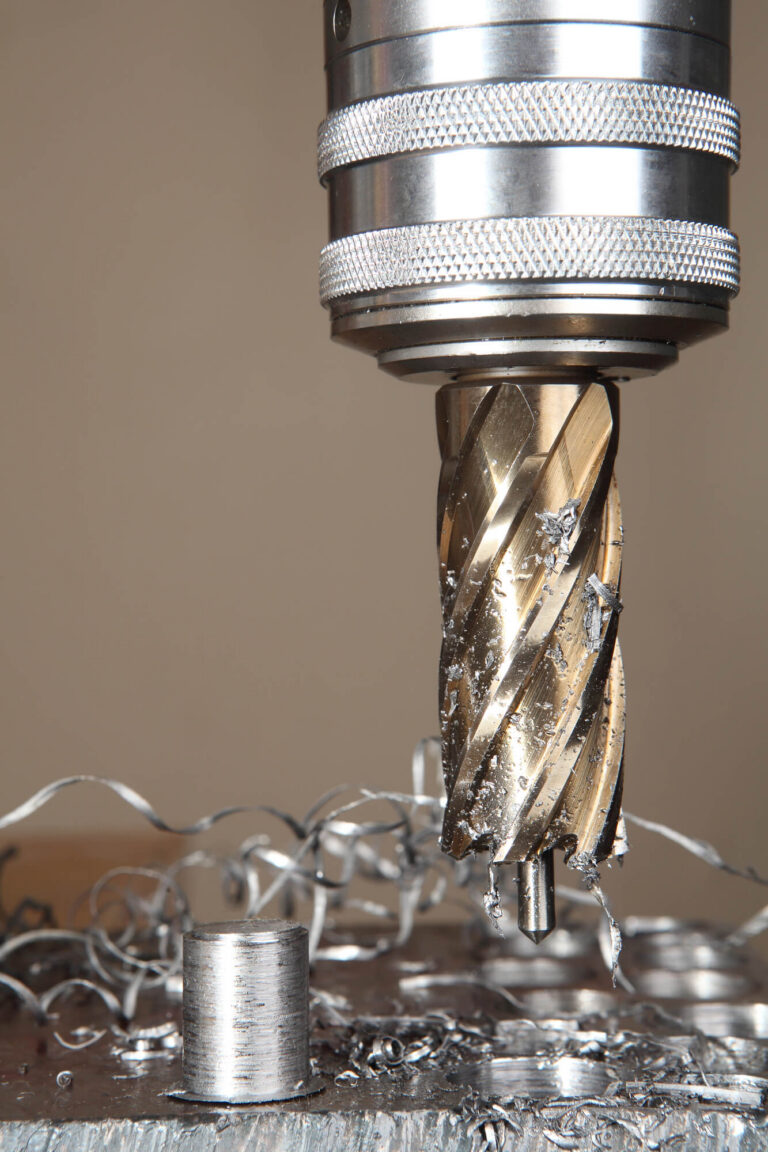
Machining operations can also produce brass turnings, which are small curled pieces created when material is removed from a workpiece.
Although these materials vary in size and shape, they can still be valuable when collected correctly. Their recovery depends on the material type, condition, composition, and level of contamination.
Why Businesses Should Recover Brass Offcuts
Recovering leftover brass offers several advantages for manufacturers. Rather than treating unwanted metal as general waste, companies can introduce a structured material recovery process.
1. Reduce Manufacturing Waste
Manufacturing processes often produce leftover metallic materials that cannot be used in their original form. Without suitable waste management procedures, these materials can become mixed with general waste or other scrap metals.
Separating brass from other materials makes recovery easier and prevents valuable resources from being unnecessarily discarded.
Businesses should provide designated containers for brass offcuts and ensure employees understand how to use them. Keeping brass separate from ferrous metals, such as steel and iron, helps maintain material quality.
This simple approach can reduce waste sent for disposal and improve the organisation of manufacturing facilities.
2. Recover Financial Value From Brass Scrap
Brass scrap contains copper and zinc, which are valuable industrial materials. This means leftover brass can retain financial value even when it is no longer suitable for manufacturing its original product.
Businesses can arrange collections through a professional scrap metal recycler, allowing suitable materials to enter the recycling process.
The value of recovered brass depends on its grade, weight, cleanliness, and current market conditions. Keeping different types of brass separate can also make it easier to assess the material accurately.
For manufacturers generating brass waste regularly, scrap recycling provides an opportunity to recover value from materials that might otherwise be discarded.
3. Reduce Demand for Newly Extracted Metals
Recycling brass helps reduce the need for newly extracted raw materials. Since brass contains copper and zinc, recovering existing scrap allows these metals to re-enter the manufacturing supply chain.
According to the International Copper Association, approximately 32% of global copper demand has been met through recycled sources over the past decade covered by its industry research.
This demonstrates the important role that recovered materials play in supporting metal supply chains.
When businesses recycle brass, they contribute to this wider recovery process. Instead of relying entirely on newly extracted resources, manufacturers can make better use of existing materials.
4. Support Energy Savings and Environmental Benefits
Extracting and processing virgin metals requires energy, machinery and natural resources. Mining activities can also affect surrounding environments through land disturbance and resource consumption.
The International Copper Association reports that copper recycling requires approximately 85% less energy than primary copper production.
Although this figure relates specifically to copper, it highlights the potential environmental benefits of recovering copper-containing materials.
Since brass contains copper, recovering suitable brass scrap can contribute to more efficient resource use and reduce the demand for primary metal production.
5. Improve Manufacturing Efficiency
A structured brass recovery system can help businesses understand how much leftover material their production activities generate.
By monitoring the quantity of brass offcuts collected, manufacturers can identify processes that produce excessive waste. This information can support improvements in cutting methods, material purchasing and production planning.
Companies can also assess whether certain components can be redesigned to minimise unnecessary material losses.
Better scrap management therefore supports both environmental objectives and operational efficiency.
How Businesses Can Improve Brass Offcut Recovery
Establishing an effective recovery system does not require major changes to existing manufacturing operations. Simple improvements to collection, storage, and sorting can make a difference.
Keep Brass Separate from Other Scrap Metals
Businesses should use clearly labelled containers for different metal types. Separating brass from aluminium, steel and other materials helps prevent contamination.
Where possible, different brass grades should also be kept apart. This makes identification easier and supports more accurate material assessment.
Store Brass Offcuts Correctly
Clean and properly stored materials are generally easier to process and recover. Businesses should avoid mixing brass with excessive oil, plastic, rubber or other unwanted substances.
Brass turnings should also be collected in suitable containers to prevent unnecessary mixing with other workshop waste.
Monitor Recovered Materials
Recording the amount of scrap produced each week or month helps businesses measure their recovery performance.
Manufacturers can compare collected quantities against production volumes to identify opportunities to reduce waste and improve material efficiency.
Work With a Professional Recycling Company
Working with an experienced recycling partner can help businesses establish a suitable collection process.
A professional recycler can assess different brass grades, organise collections and ensure recovered materials enter appropriate recycling channels.
Businesses producing regular quantities of brass scrap can also arrange scheduled collections to maintain an organised storage area.
The Importance of Brass Recovery in the UK Metal Recycling Industry
The UK has an established metal recycling industry that supports manufacturing and resource recovery.
According to the British Metals Recycling Association (BMRA), the wider UK metals recycling industry is worth approximately £7 billion and comprises around 2,000 businesses employing approximately 15,000 people.
The BMRA also reports that the industry processes approximately 11.6 million tonnes of ferrous and non-ferrous metals annually.
These figures cover the wider metal recycling sector rather than brass alone. However, they demonstrate the established infrastructure available to businesses looking to recover different metallic materials.
Brass is classified as a non-ferrous metal because it does not contain iron as its main component. Its recovery therefore forms part of the wider non-ferrous scrap recycling industry.
By improving collection and sorting practices, manufacturers can help keep valuable brass materials within productive supply chains.
Why Brass Offcut Recovery Matters for Long-Term Sustainability
Sustainable manufacturing involves reducing unnecessary waste and making better use of available resources.
Recovering brass offcuts supports this approach by allowing leftover materials to be processed and reused instead of being discarded. It also helps businesses improve resource efficiency and demonstrate more responsible waste management.
As manufacturing companies look for ways to improve their environmental performance, material recovery can become an important part of their operations.
Treating brass offcuts as a recoverable resource rather than unwanted waste creates opportunities to improve both financial and environmental performance.
Recovering brass offcuts helps businesses reduce manufacturing waste, recover financial value and support more sustainable resource management.
By keeping brass separate, monitoring scrap production and working with a professional recycling company, manufacturers can improve their recovery processes and make better use of valuable metals.
Making brass recovery part of everyday operations is a practical step towards more efficient manufacturing and responsible material management.