Metal production turns raw materials into finished products. It includes extraction, metal processing, refining, shaping, manufacturing, and recycling.
These stages show how raw materials become useful products for construction, transport, engineering, and other industries. The process also helps turn ore into finished metal parts.
Metal manufacturing uses many types of metals, including steel, aluminium, copper, and nickel. Each one needs the right treatment to reach the needed strength, quality, and performance.
Understanding the metal production process helps businesses cut waste, manage resources, and improve efficiency.
1. Exploration and Identification of Mineral Deposits
The first step is to find a useful mineral deposit. Geologists examine rock surveys, rock samples, and underground conditions to locate valuable resources.
Exploration may include drilling, ground surveys, and lab tests. These steps show the amount and quality of the minerals.
Before mining starts, companies review costs, environmental limits, and legal rules. This helps them decide if the deposit can be developed safely and at a good price.
2. Mining and Extraction of Raw Materials
Once a deposit is confirmed, mining can begin. The extraction method depends on the depth and location of the ore.
Open-pit mining removes material from large surface pits. Underground mining uses tunnels and shafts to reach deeper ore.
The extracted ore contains useful minerals mixed with waste rock. It must go through more metal processing before factories can use it.
Mining also creates waste rock and other residue. Careful waste handling helps limit harm to land and water.
3. Mineral Processing and Ore Sorting
After extraction, the ore goes through mineral processing to separate the useful minerals from unwanted material. This raises the concentration of the metal-bearing part.
The process often starts with crushing and grinding. Large rocks break into smaller pieces so the minerals can be released.
Separation methods include magnetic separation, gravity separation, and froth flotation. Some ores also need chemical treatment such as leaching.
For example, copper sulphide ores can go through froth flotation to make a concentrate for later treatment. This reduces waste in the next production stage.
Processing can create tailings and wastewater, so treatment and safe disposal are important.
4. Smelting and Metal Extraction
Smelting uses high temperatures and chemical reactions to extract metal from concentrated ore. The ore is heated in special furnaces so the metal separates from waste elements.
Different metals need different methods. Iron production uses iron ore and reducing agents to make molten iron. Copper production starts with smelting concentrated ore before later treatment.
Aluminium follows a different route. Producers extract aluminium from alumina with electric current instead of carbon-based smelting.
Energy use is a major issue here. The International Aluminium Institute reported that primary aluminium production needed about 186 gigajoules of energy per tonne in its 2019 global dataset. This shows why better production efficiency matters.
5. Refining and Cleaning
The extracted metal may still contain impurities. Refining removes them to reach the needed purity and material properties.
Common methods include electric refining, chemical treatment, and more heating. The best method depends on the metal and its final use.
Copper, for example, can undergo electric refining. An electrical current moves copper from an impure anode to a cathode and produces high-purity metal.
Quality control matters during this stage. Manufacturers test composition and properties to make sure the metal meets industry standards.
6. Casting, Cutting and Shaping
Once refined, the metal is ready for shaping. Casting pours molten metal into moulds, where it cools and hardens into the desired shape.
This creates ingots, billets, slabs, and other semi-finished products.
More metal processing prepares these materials for manufacturing. Rolling changes thickness, forging reshapes the metal with pressure, and extrusion pushes material through a shaped opening.
Sheet metal work often needs precise cutting. Laser cutting uses a focused beam, while plasma cutting uses a conductive gas stream to cut metal. These methods can make clean shapes and reduce waste.
Thin sheet material can also be cut into parts for electrical enclosures, vehicle panels, and industrial equipment.
7. Metal Manufacturing and Finishing
Metal manufacturing turns semi-finished stock into usable products. Metal fabricators use welding machines to join and assemble metal parts.
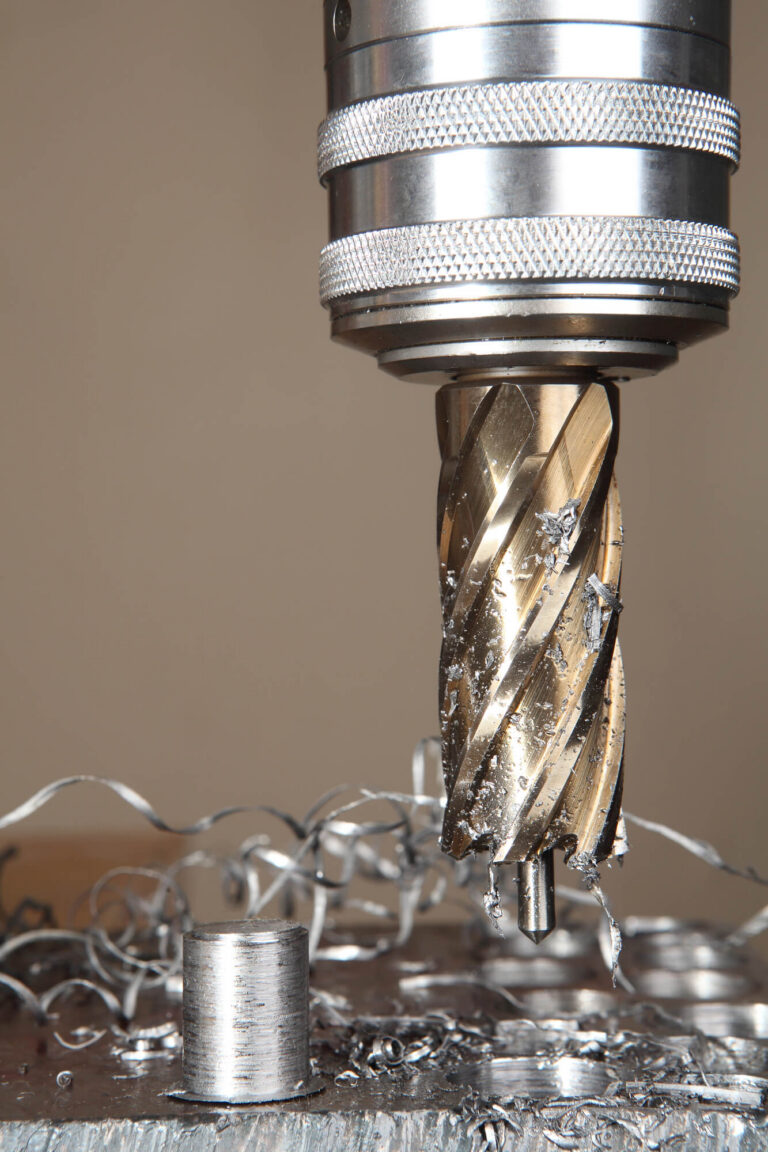
Other common steps include CNC machining, drilling, bending, and grinding. CNC machining uses computer-controlled tools that remove material from a workpiece until it reaches the correct size.
The best cutting process depends on thickness, design, and production needs. Good planning can cut lead times, reduce waste, and improve consistency.
Finishing steps include polishing, painting, coating, and heat treatment. These processes improve appearance, durability, and resistance to corrosion.
Quality control checks size, strength, and surface condition before the finished part is approved for use.
8. Metal Recycling and Recovery
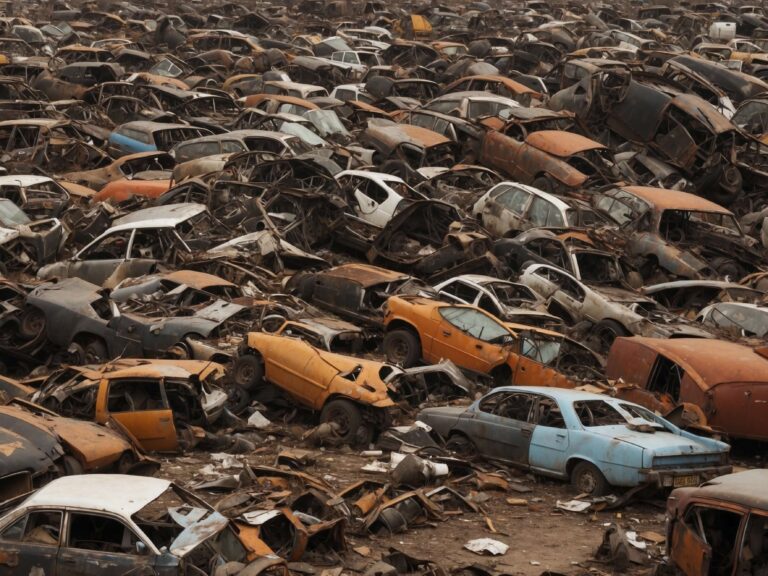
Metal recycling is a key part of the production cycle. It helps manufacturers recover useful material from old products, industrial scrap, and manufacturing offcuts.
The process includes collecting, sorting, and separating different types of metals. Suitable material is then prepared for reprocessing through melting, refining, or other recovery methods.
Recycling can cut energy use by a large amount. According to the International Aluminium Institute, recycling aluminium saves about 95% of the energy needed to make primary aluminium.
Steel recycling also brings clear environmental gains. The World Steel Association reports that in 2024, carbon dioxide emissions are 0.69 tonnes per tonne of crude steel. This is for the scrap-based electric arc furnace method. In contrast, the blast furnace and basic oxygen furnace method emits 2.34 tonnes.
These figures show the value of recovering scrap metal. Recycling lowers demand for newly mined resources and helps manufacturers use existing materials better.
Why Understanding the Stages of Metal Production Matters
Understanding the stages of metal production helps businesses find ways to improve efficiency and cut waste. Each stage affects the quality, cost, and environmental impact of the finished product.
Better metal manufacturing and stronger metal recovery can also reduce raw material demand and support a more sustainable supply chain.
As demand for metals stays high in construction, engineering, and transport, better production methods and recycling will remain important.